Australia declares emergency, warns coronavirus crisis could last six months
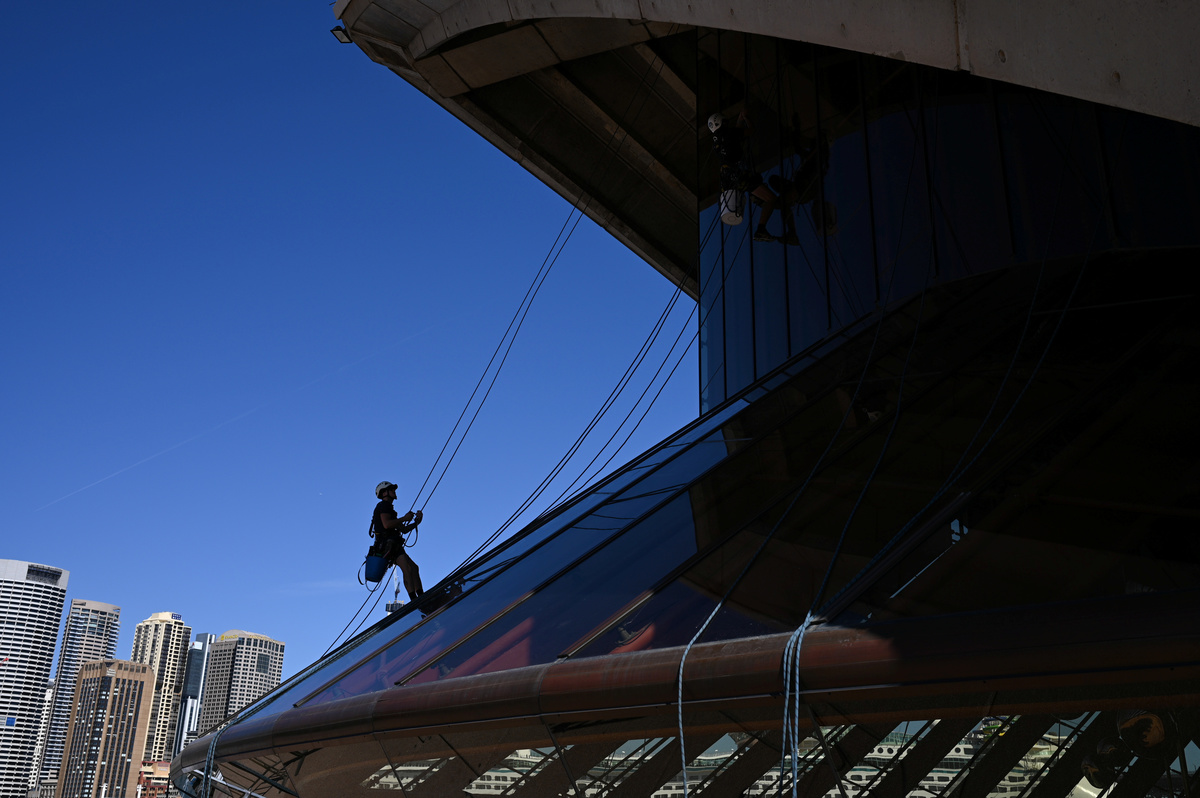
Workers clean windows on the Sydney Opera House, where scheduled public performances have been cancelled due to the coronavirus disease (COVID-19), in Sydney, Australia, March 18, 2020. REUTERS/Loren Elliott
Australian Prime Minister Scott Morrison on Wednesday declared a "human biosecurity emergency" and said the country's citizens should abandon all overseas travel because of the coronavirus epidemic that he warned could last at least six months.
The formal declaration gives the government the power to close off cities or regions, impose curfews and order people to quarantine, if deemed necessary to contain the spread of the virus.
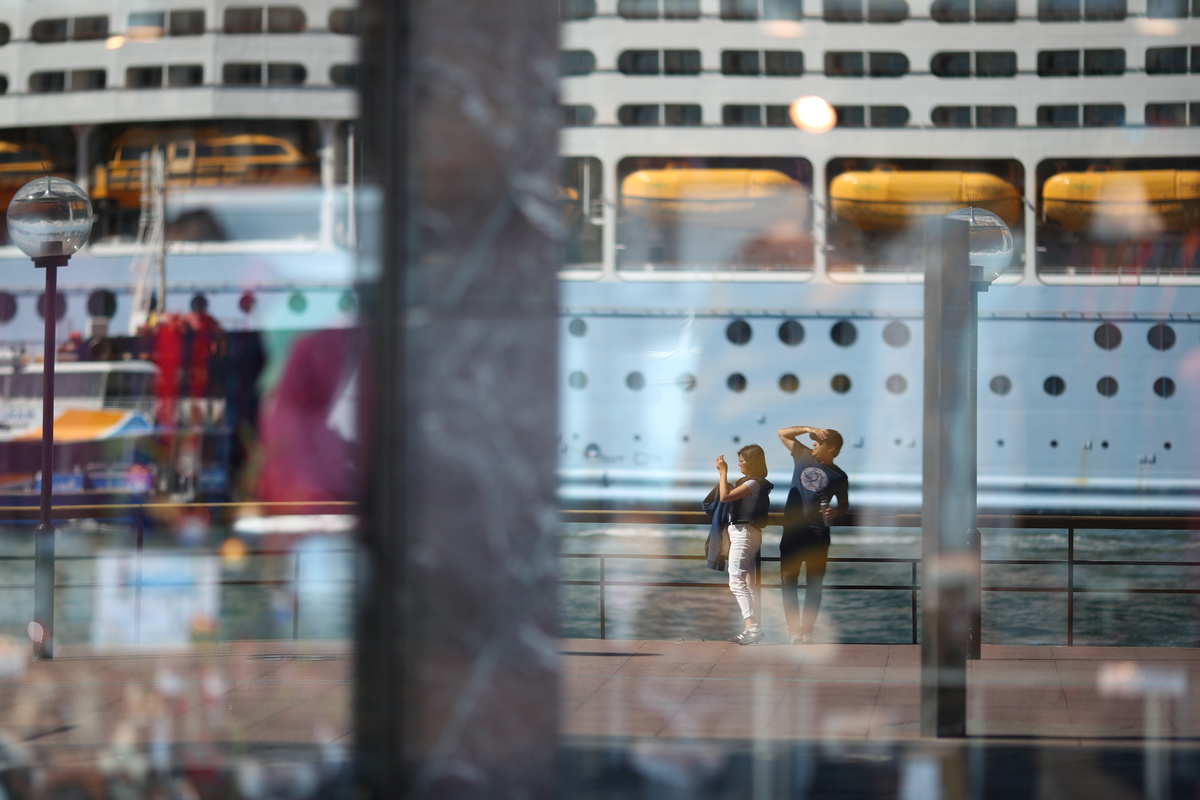
Two people, seen in the reflection of a shop window, stand on the mostly deserted waterfront of the Sydney Opera House, where scheduled public performances have been cancelled due to the coronavirus disease (COVID-19), in Sydney, Australia, March 18, 2020. REUTERS/Loren Elliott
The upgrade in official advice to an unprecedented "Level 4: Do not travel" to any country in the world, was accompanied by a ban on any non-essential indoor gatherings of more than 100 people.
"Life is changing in Australia, as it is changing all around the world," Morrison said during a televised news conference. "Life is going to continue to change, as we deal with the global coronavirus. This is a once in a hundred year type event."
Australia has recorded more than 500 coronavirus infections and six deaths, a relatively small number compared to other countries, but officials are growing increasingly concerned about the prospect of an exponential rise in cases.
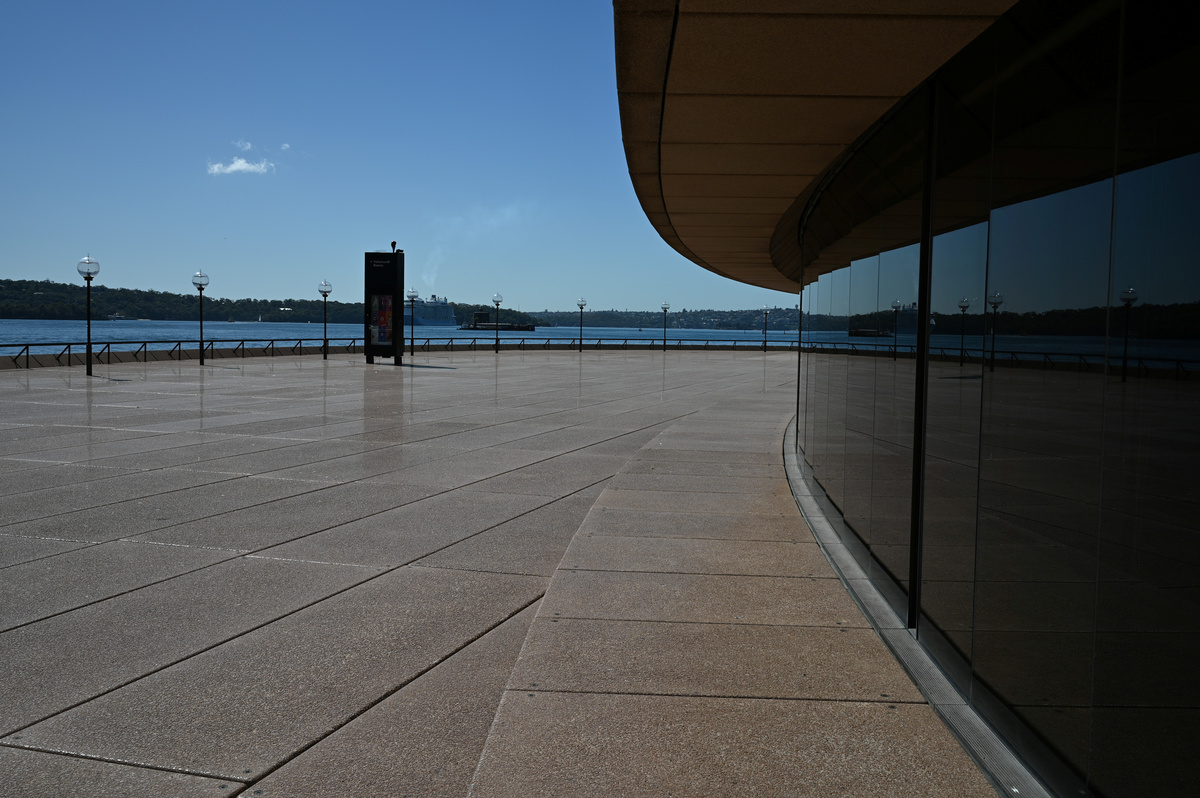
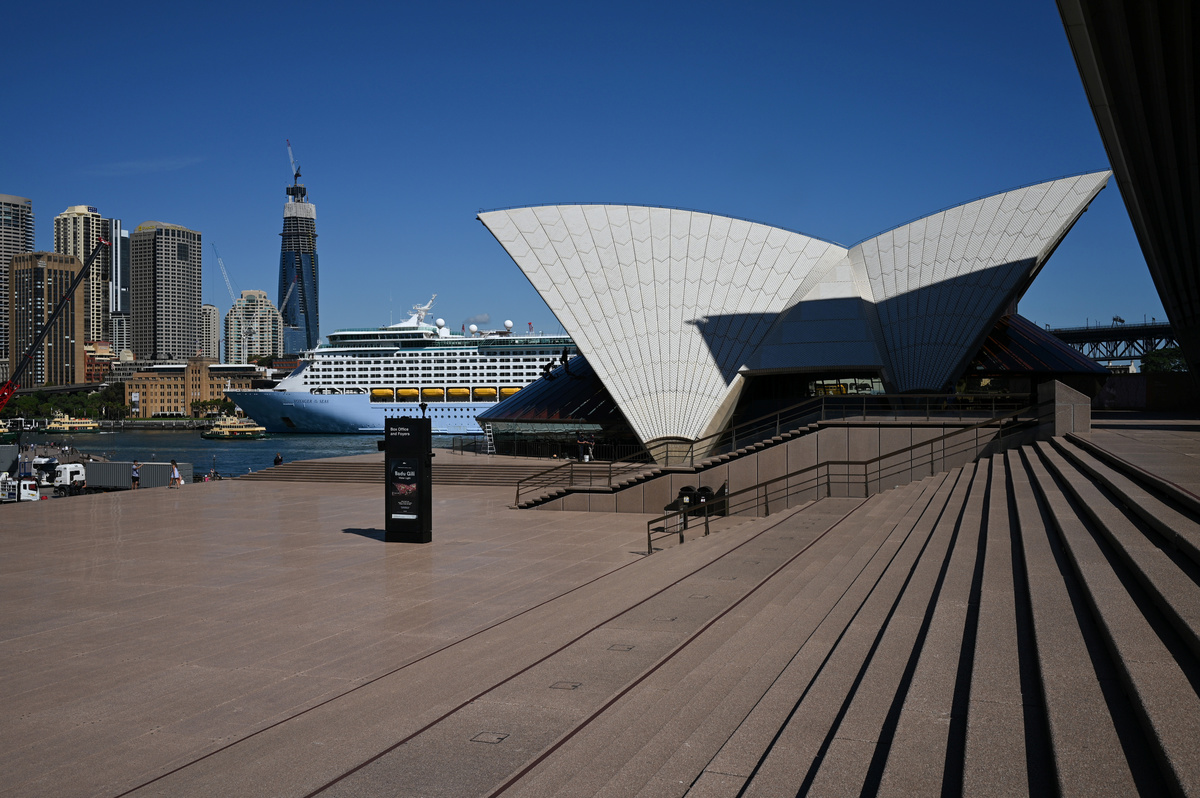
The deserted waterfront of the Sydney Opera House, where scheduled public performances have been cancelled due to the coronavirus disease (COVID-19), is seen in Sydney, Australia, March 18, 2020. REUTERS/Loren Elliott
New South Wales, the country's most populous state, reported its biggest one-day surge in new cases on Wednesday, along with the country's latest death, an 86-year-old man who died in a Sydney hospital.
Morrison said the tighter ban on indoor social gatherings, down to 100 people from 500 people, did not include essential services like schools, public transport and shopping centres.
The Australian leader cited expert health guidance as the rationale for keeping schools open, a strategy that has been questioned by some experts. Several private schools have made the unilateral decision to close ahead of the upcoming Easter break.
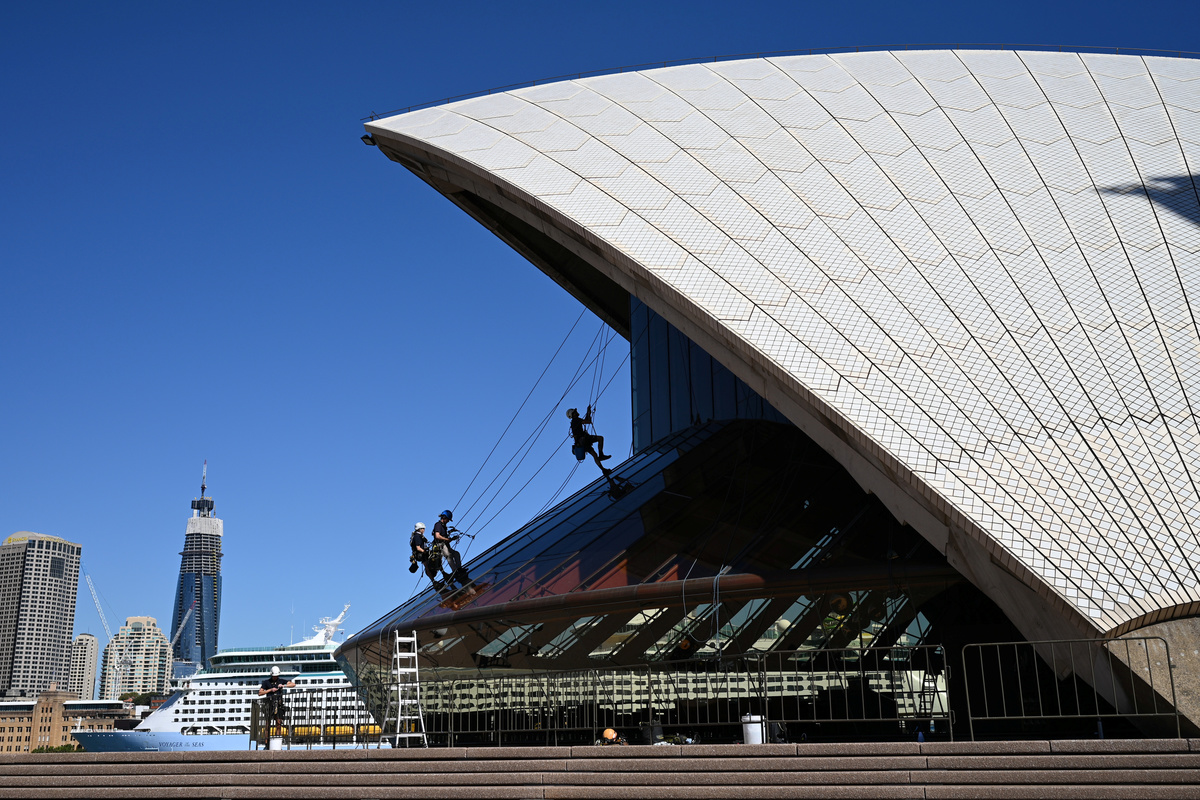
Workers clean windows on the Sydney Opera House, where scheduled public performances have been cancelled due to the coronavirus disease (COVID-19), in Sydney, Australia, March 18, 2020. REUTERS/Loren Elliott
Morrison reiterated the need for social distancing and good hand hygiene to curb the spread of the virus and announced restricted access to aged care homes.
Anybody who travels during a Level 4 ban is warned that the Australian government may not be able to assist if they get into trouble while abroad, according the government's official SmartTraveller website. It also recommends people already in a "do not travel" area consider leaving.
Shortly before Morrison's statement, the government unveiled a A$$715 million ($430 million) aid package for airlines, including waivers on domestic air traffic control fees. Virgin Australia Holdings Ltd <VAH.AX> has suspended all international flights from March 30 to June 14, while Qantas Airways Ltd <QAN.AX> has cut its international capacity by 90%.
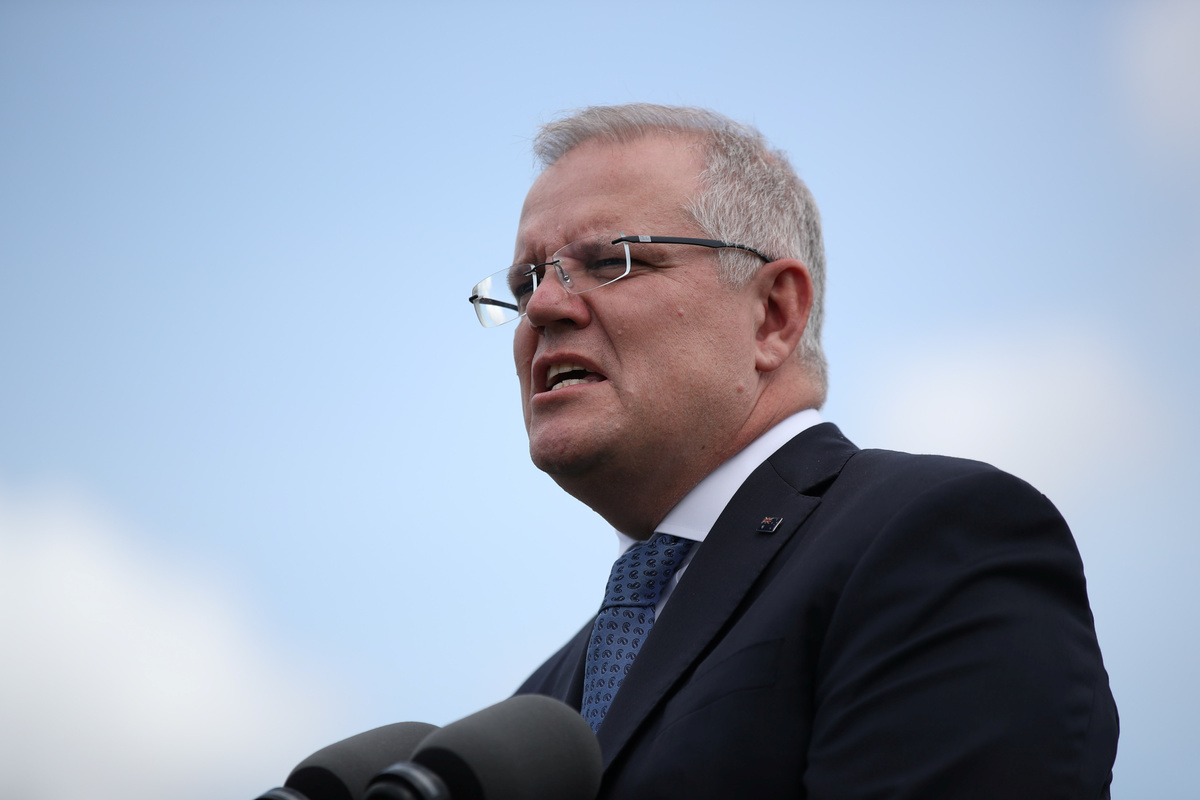
FILE PHOTO: Australian Prime Minister Scott Morrison speaks during a joint press conference held with New Zealand Prime Minister Jacinda Ardern at Admiralty House in Sydney, Australia, February 28, 2020. REUTERS/Loren Elliott
The widening restrictions on travel and domestic movement are expected to take a significant toll on Australia's tourism, retail and entertainment sectors.
Economists are predicting the country will slip into its first recession in nearly three decades in the first half of 2020, prompting a rapid jump in unemployment.
"IT'S UN-AUSTRALIAN"
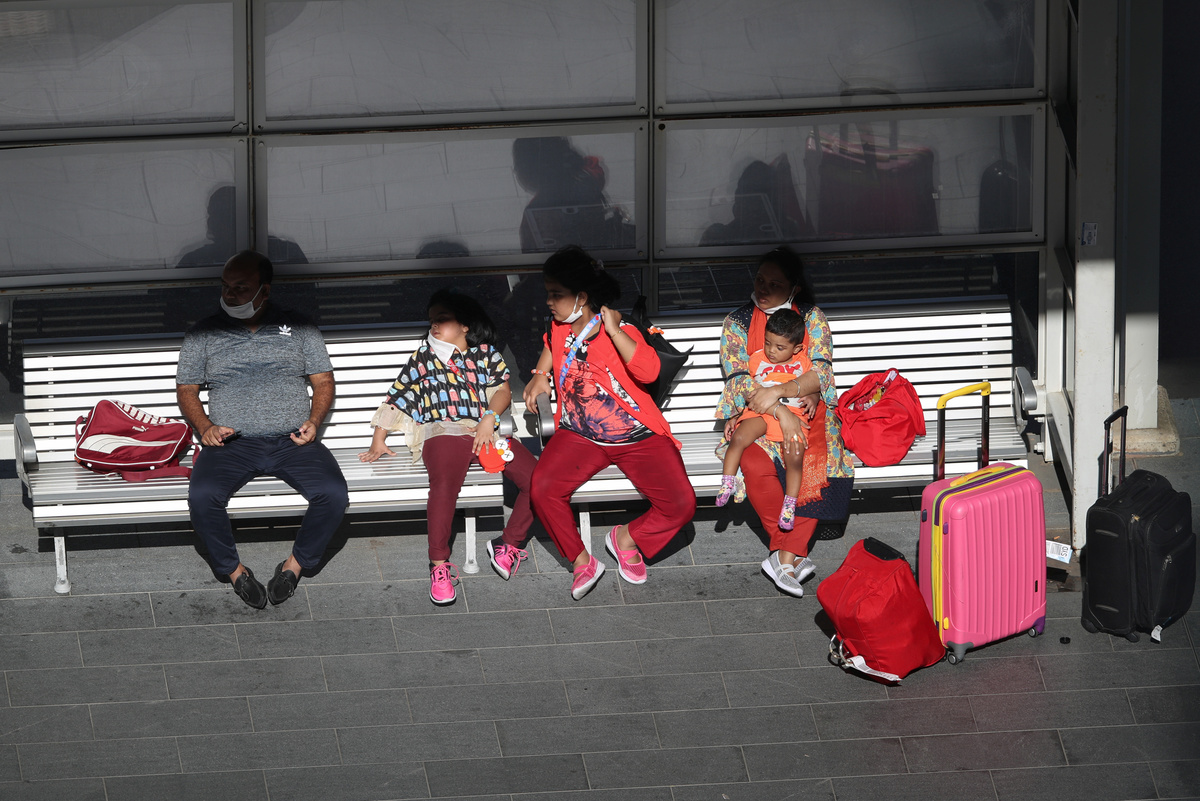
Travelers are seen at Kingsford Smith International Airport, following the coronavirus outbreak, in Sydney, Australia, March 18, 2020. REUTERS/Loren Elliott
The expectations have weighed on Australia's financial markets, with the local share market falling more than 6% on Wednesday. Earlier this week, the Australian share market posted its biggest one-day loss since 1987.
Morrison has already flagged a stimulus package worth around A$17 billion and said on Wednesday the government was "considering quite extensive further economic measures" to dull the impact on the economy.
The Reserve Bank of Australia this week pumped liquidity into money markets and said it will make a monetary policy announce on Thursday at 0330 GMT.
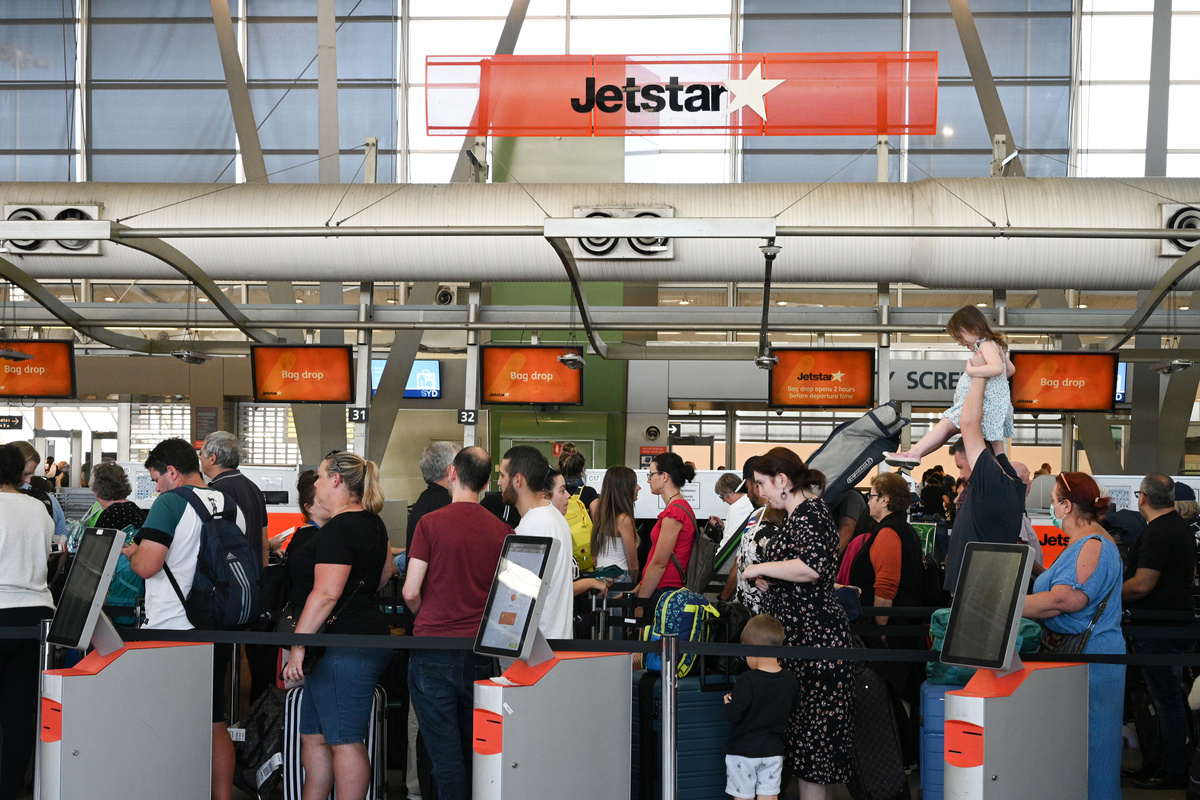
Travelers wait in line at a Jetstar Airways counter at Kingsford Smith International Airport, following the coronavirus outbreak, in Sydney, Australia, March 18, 2020. REUTERS/Loren Elliott
However, while the epidemic is expected to crimp consumer spending in the long run, data from the official statistics agency released on Wednesday showed a 0.4% rise in retail sales in February as people bought up staples in preparation for shortages.
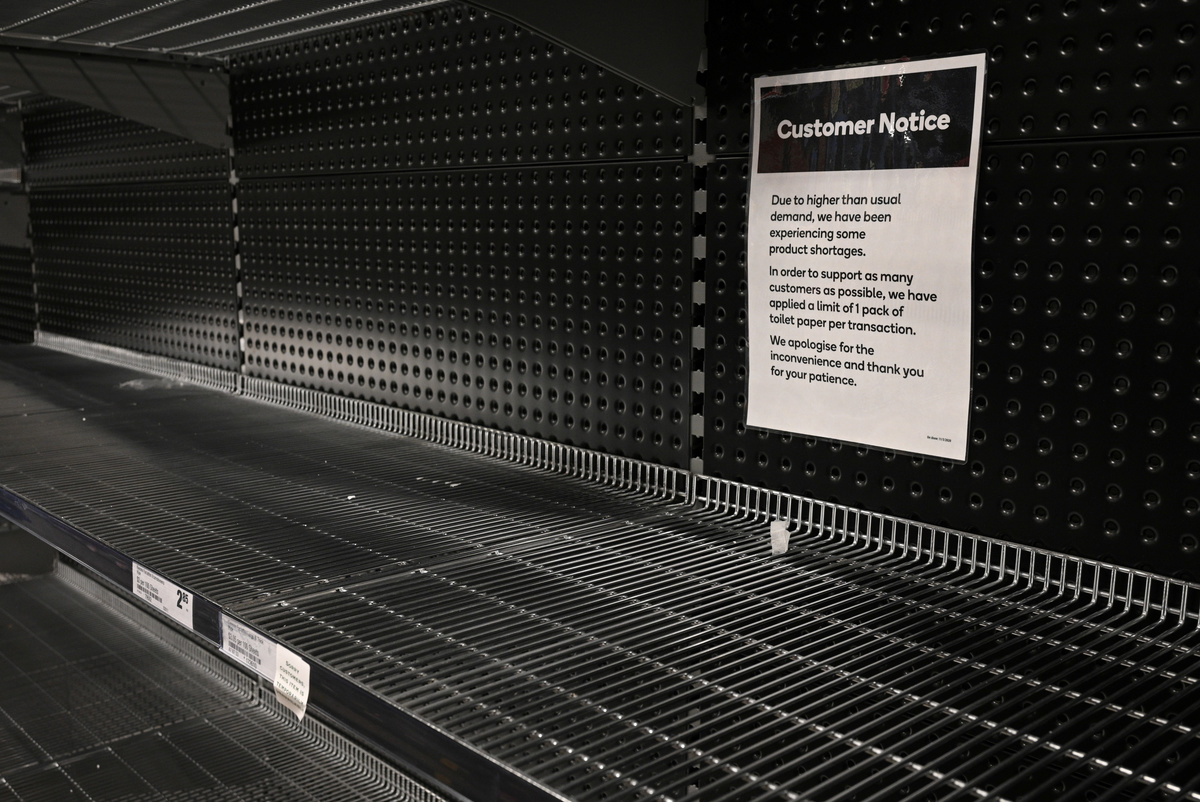
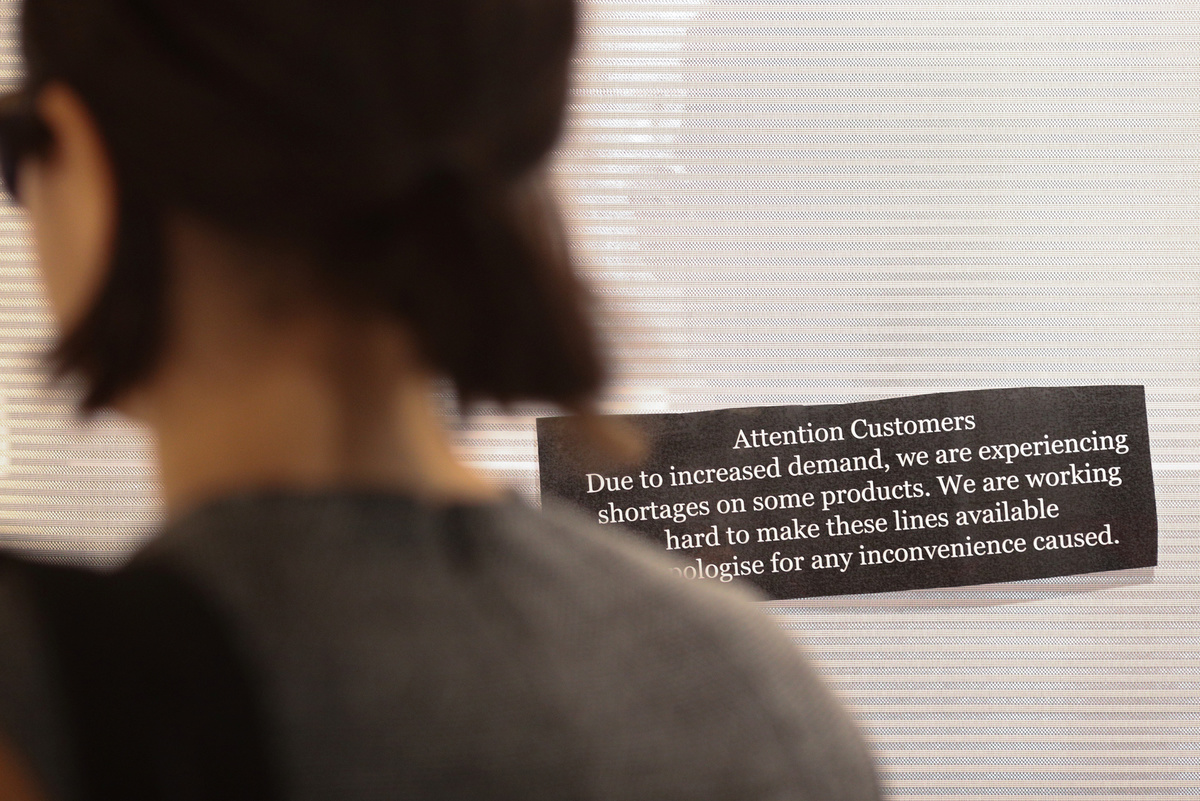
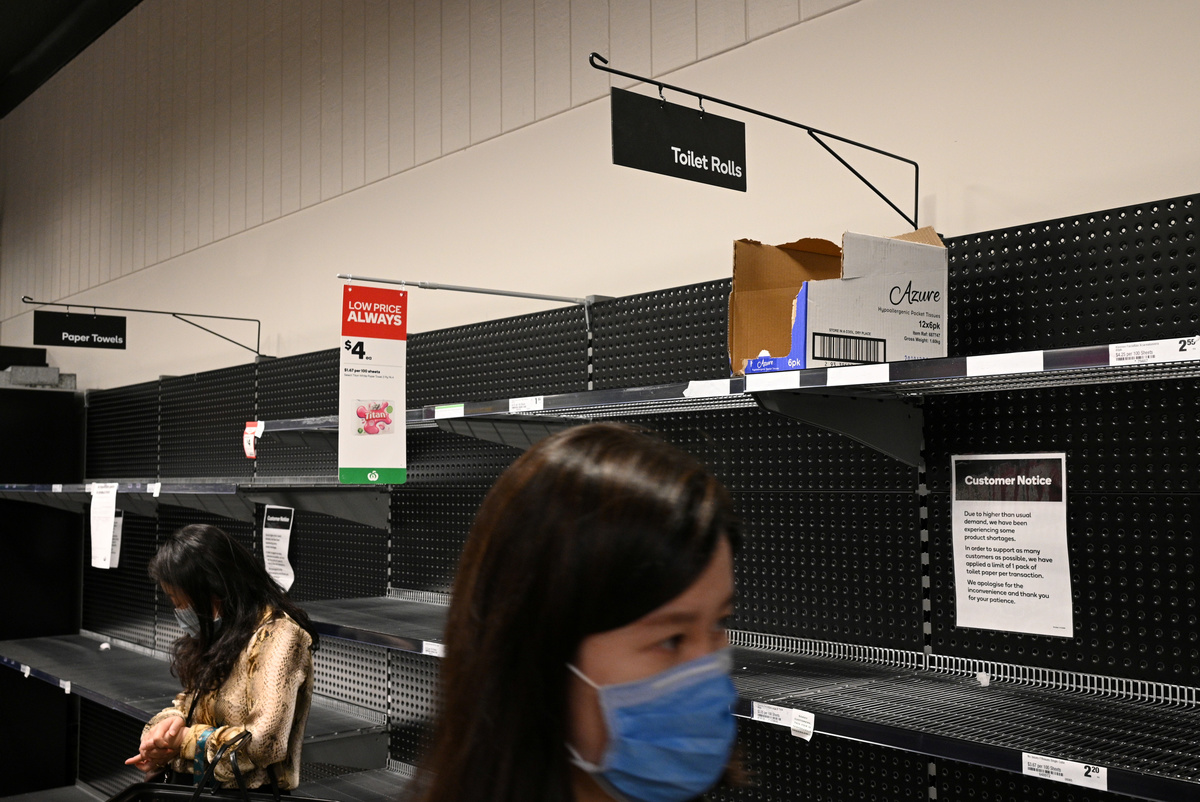
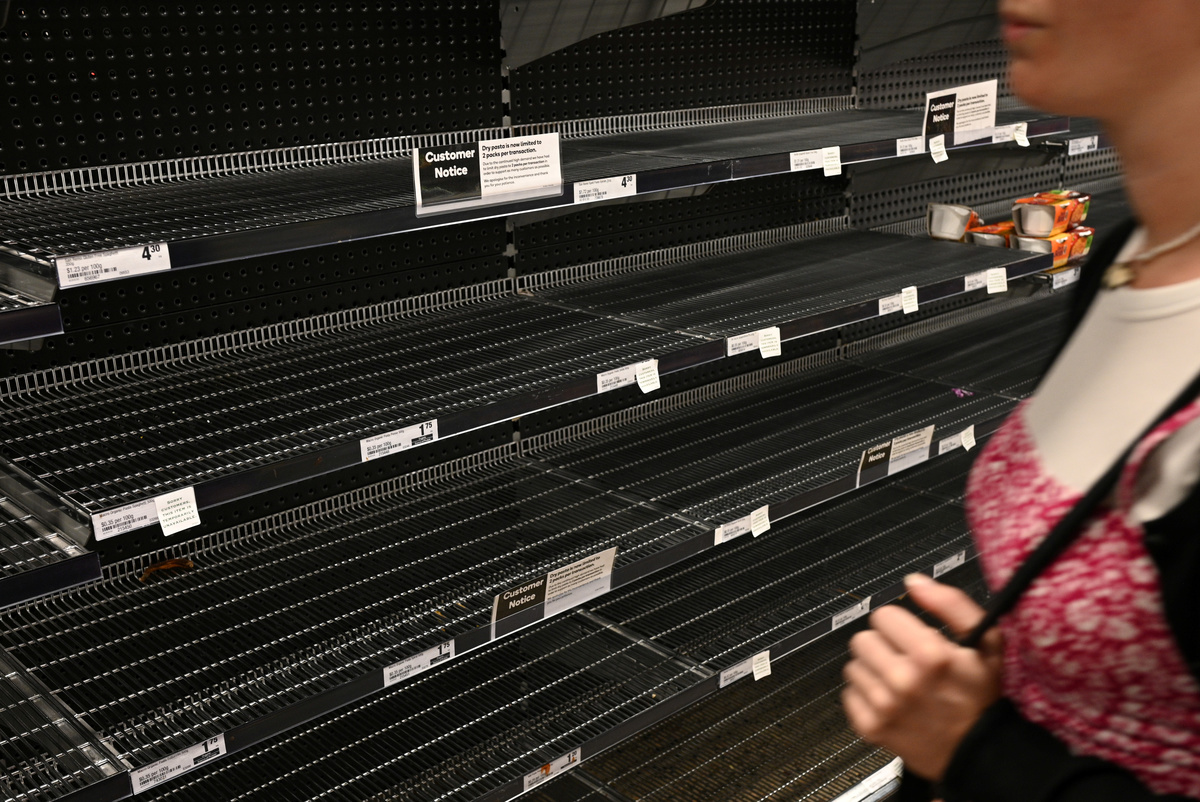
The country's major grocers, Coles Group Ltd <COL.AX> and Woolworths Group Ltd <WOW.AX> have increased sales restrictions in response to the panic buying on goods including toilet paper, milk, meat, flour, rice, hand sanitiser, eggs and frozen vegetables.
They have also introduced exclusive shopping sessions for the elderly and the disabled early in the day, when stores have been restocked.
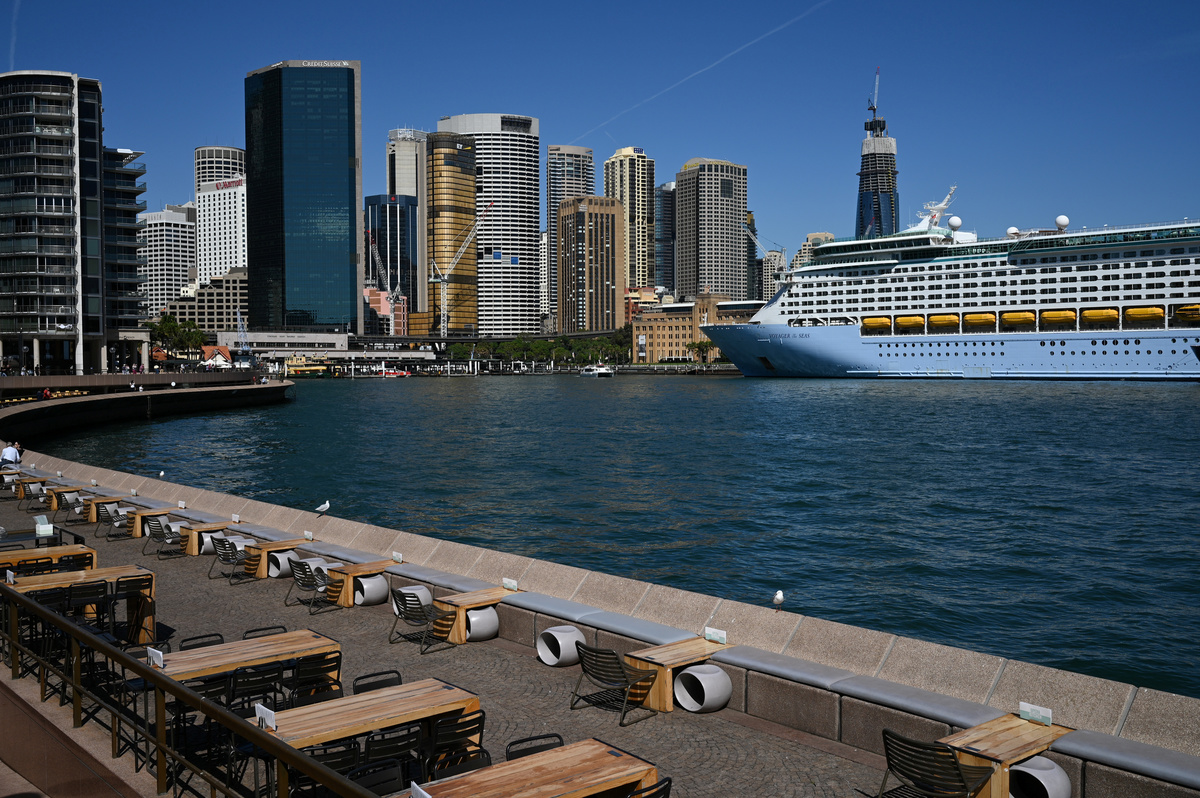
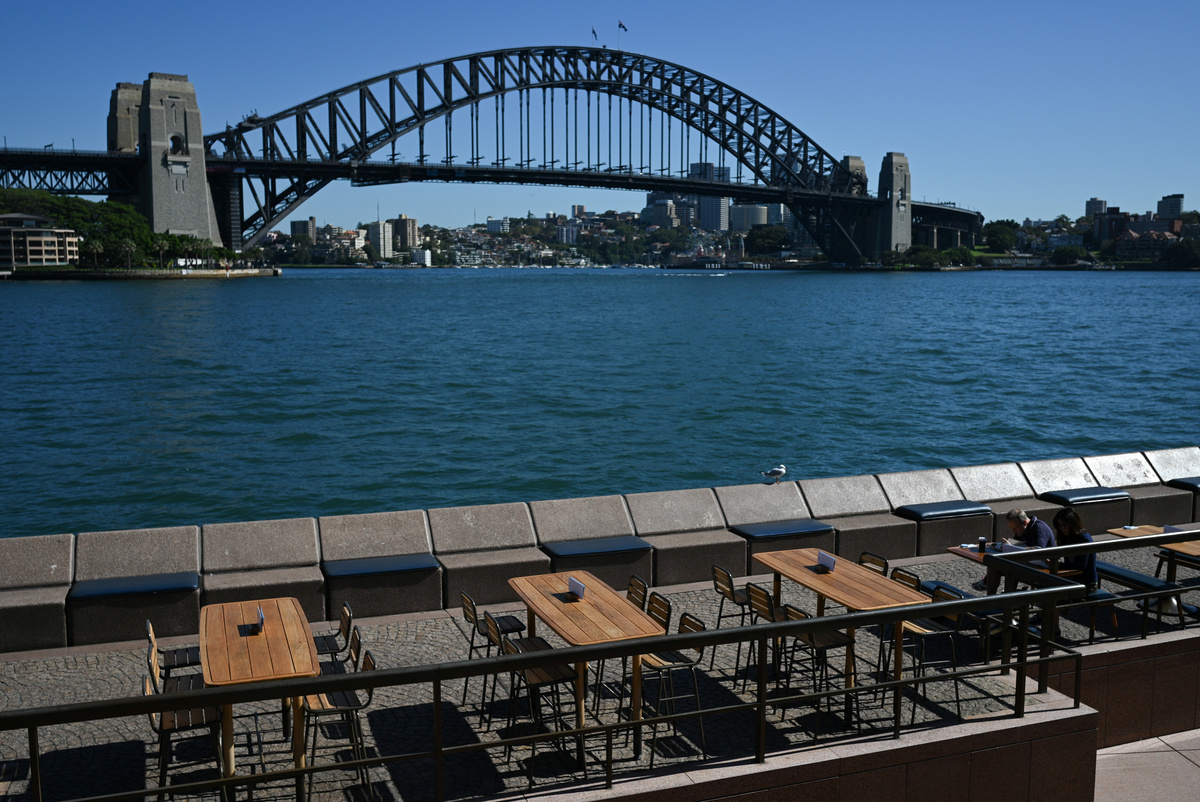
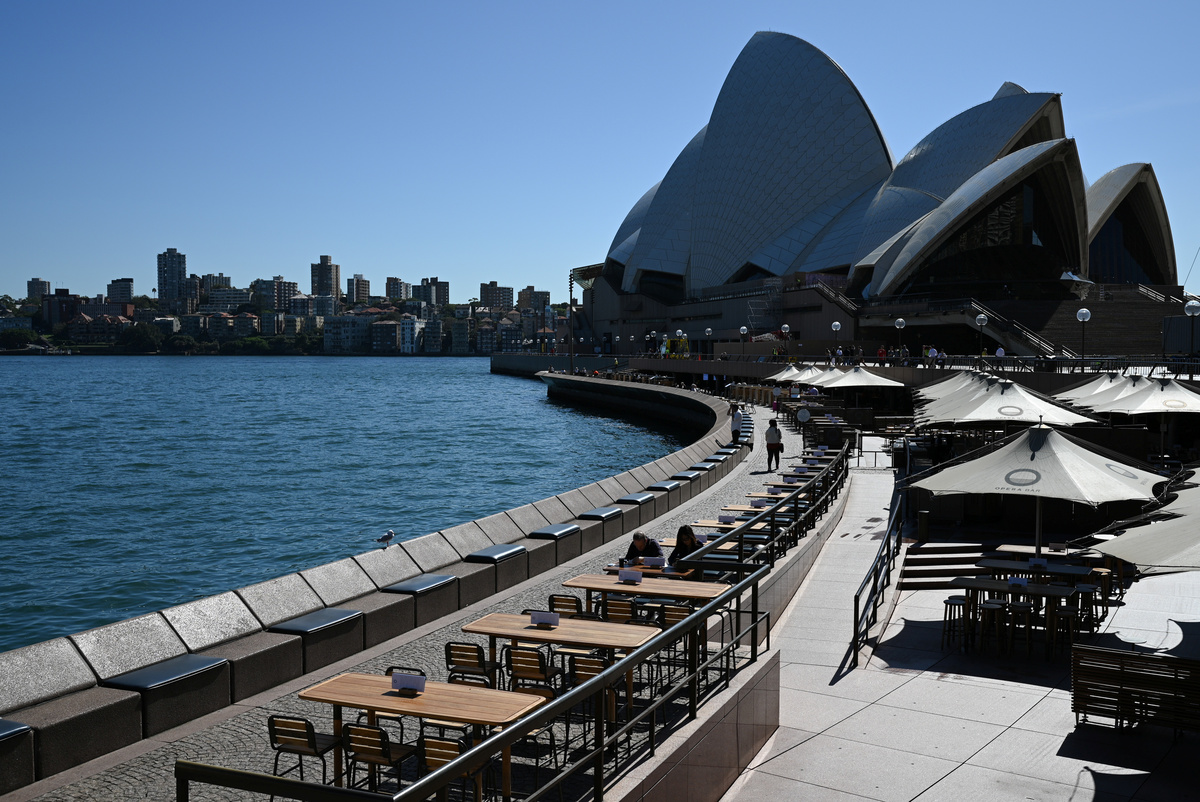
Tables at an open restaurant are seen mostly deserted on a quiet morning at the waterfront of the Sydney Opera House, where scheduled public performances have been cancelled due to the coronavirus disease (COVID-19), in Sydney, Australia, March 18, 2020. REUTERS/Loren Elliott
Morrison issued blunt advice on Wednesday that the hoarding was unnecessary and counter-productive.
"Stop doing it. It’s ridiculous," he said. "It’s un-Australian, and it must stop."
Tables at an open restaurant are seen mostly deserted on a quiet morning at the waterfront of the Sydney Opera House, where scheduled public performances have been cancelled due to the coronavirus disease (COVID-19), in Sydney, Australia, March 18, 2020. REUTERS/Loren Elliott
(Reporting by Swati Pandey and Colin Packham; Editing by Tom Hogue and Jane Wardell)
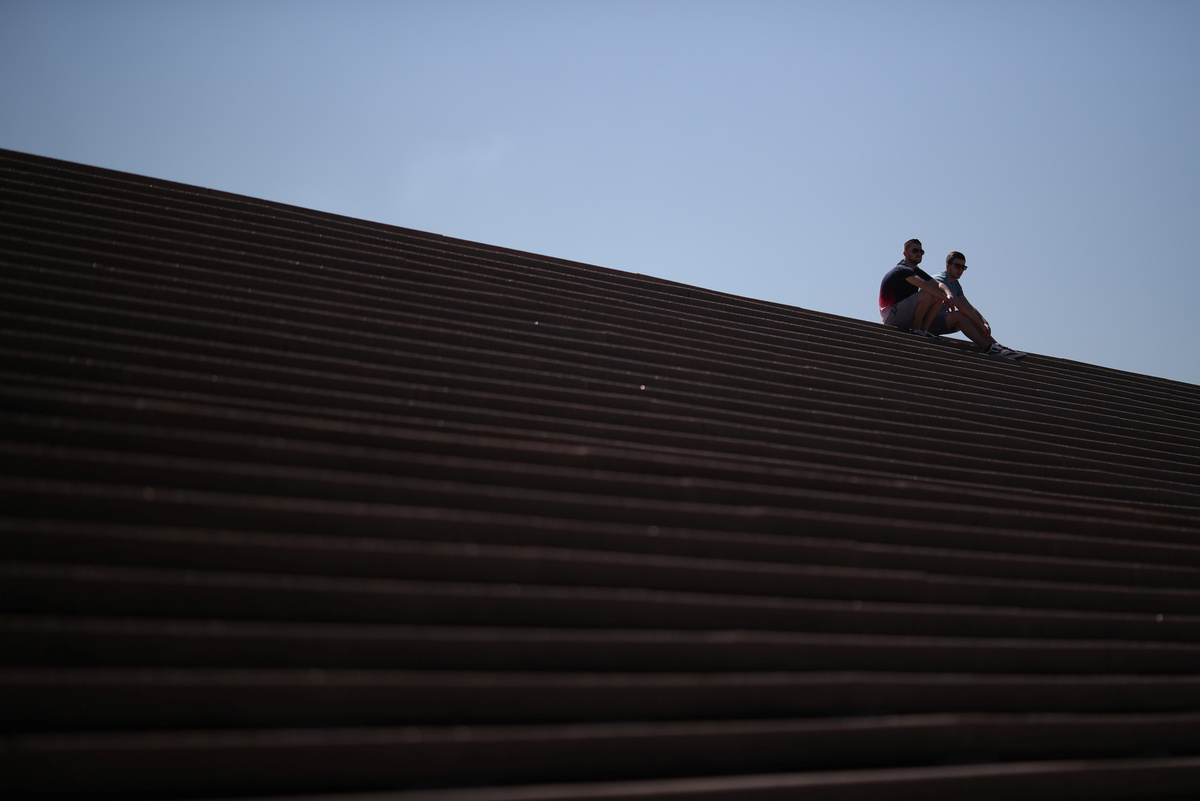
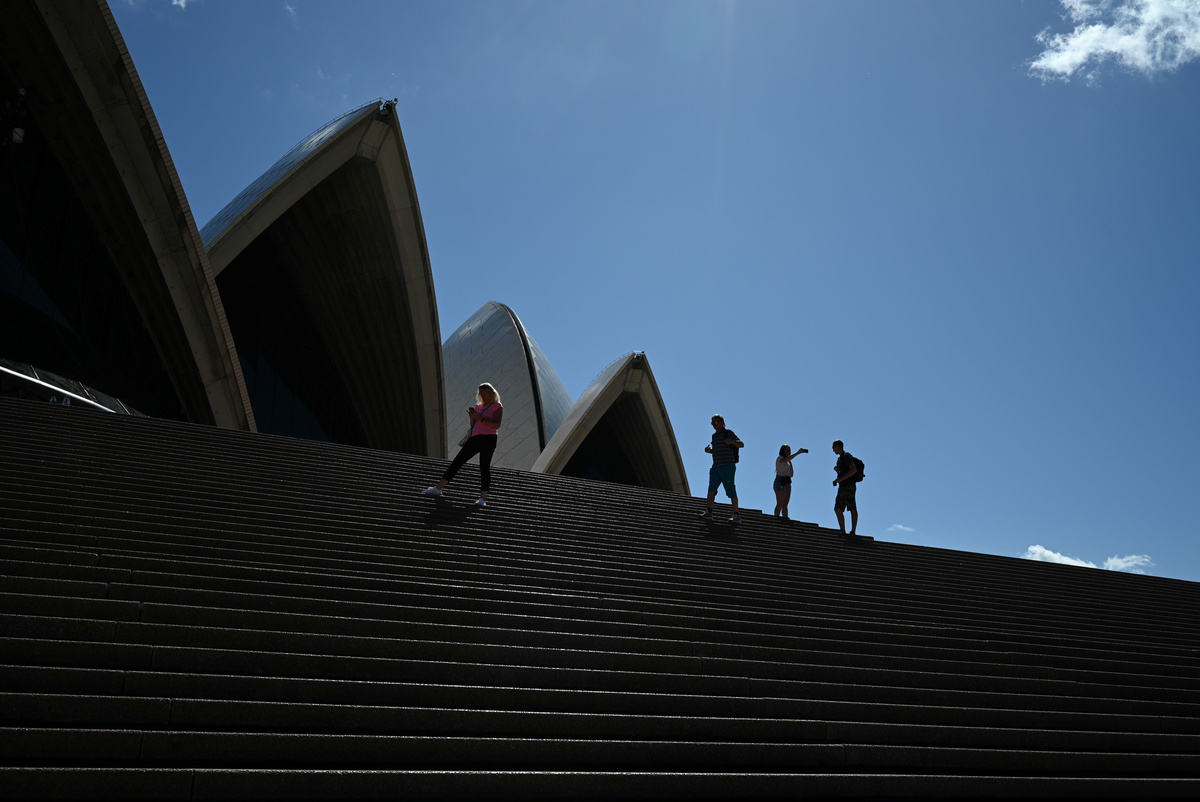
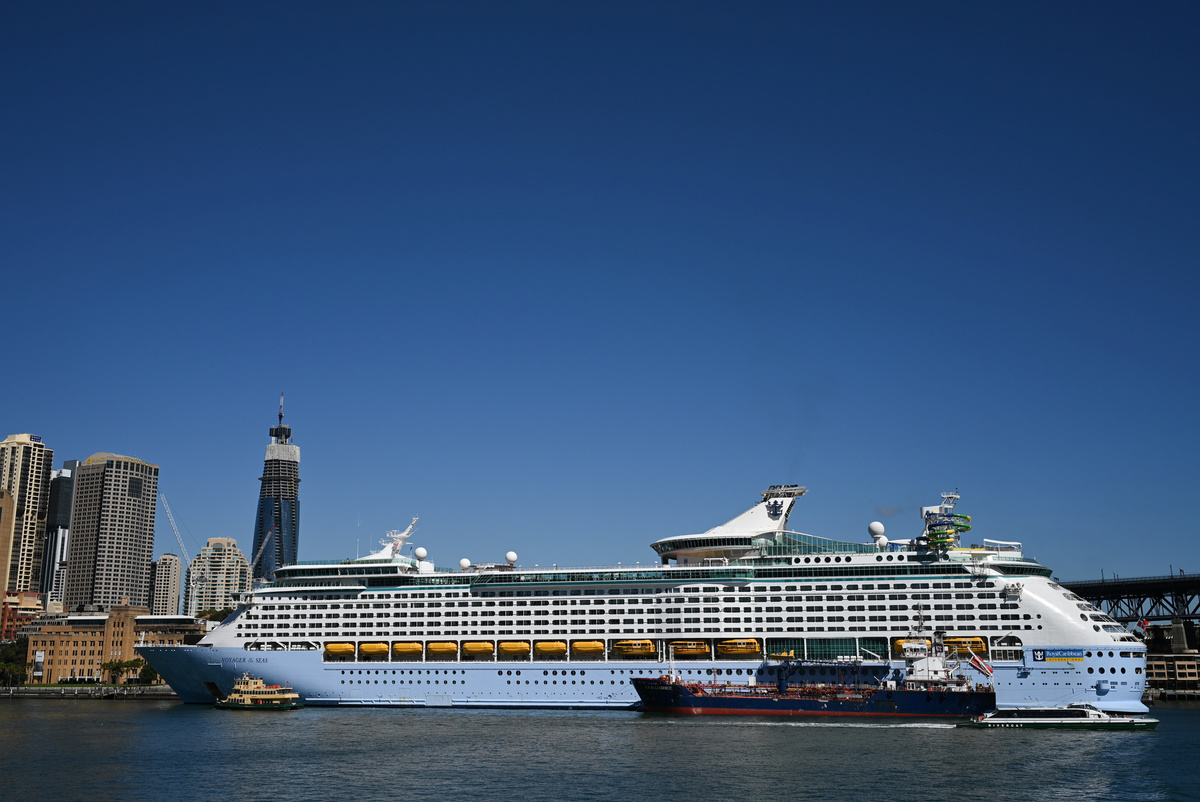
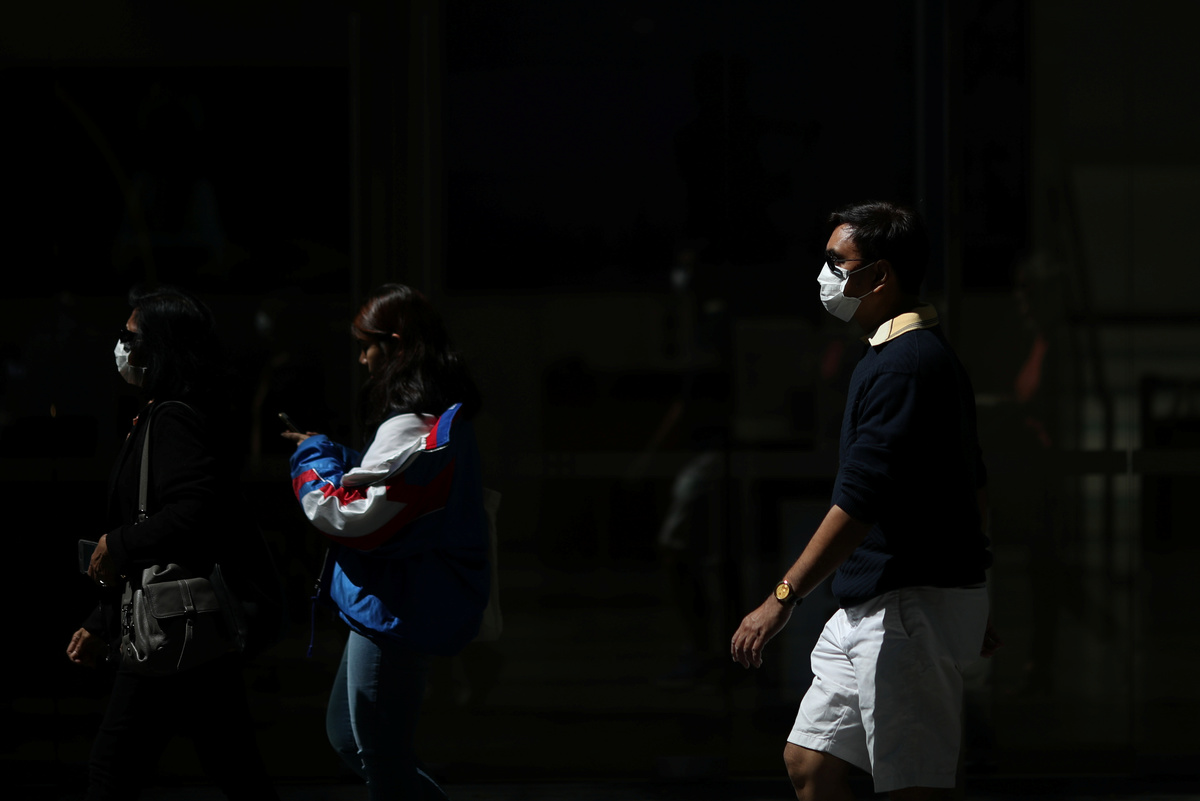
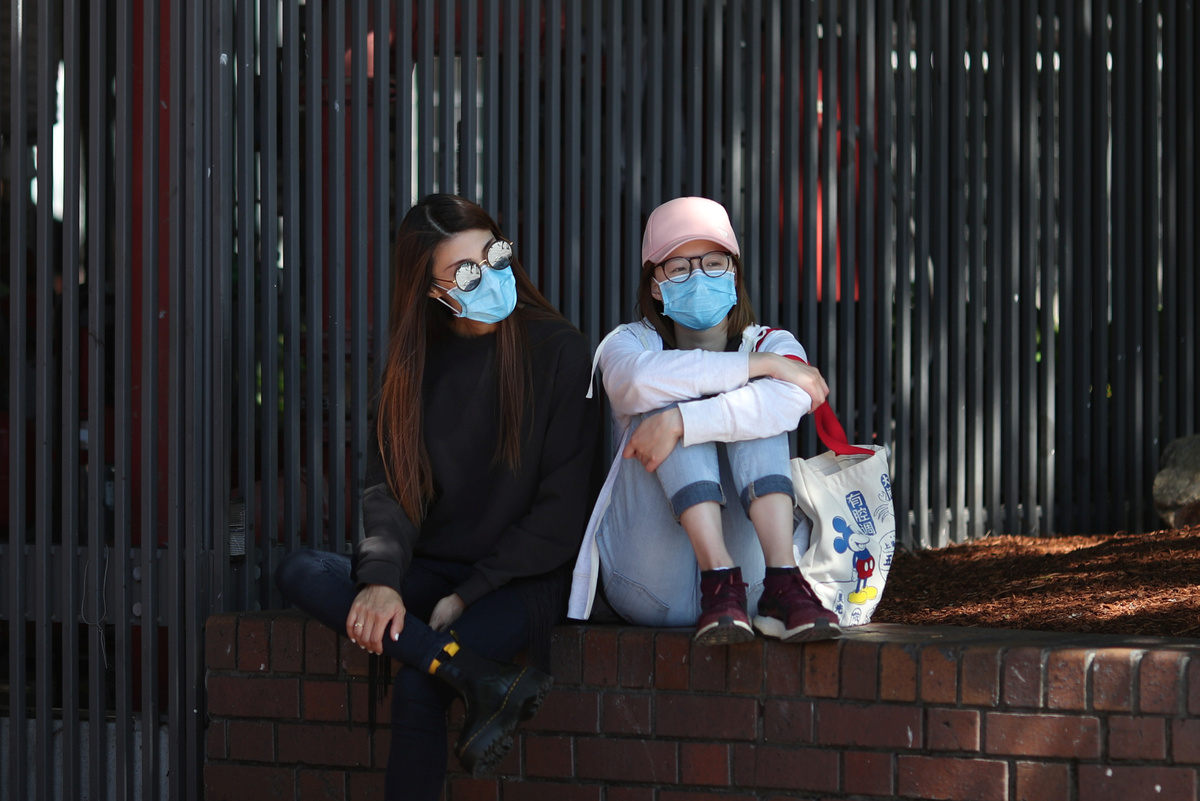
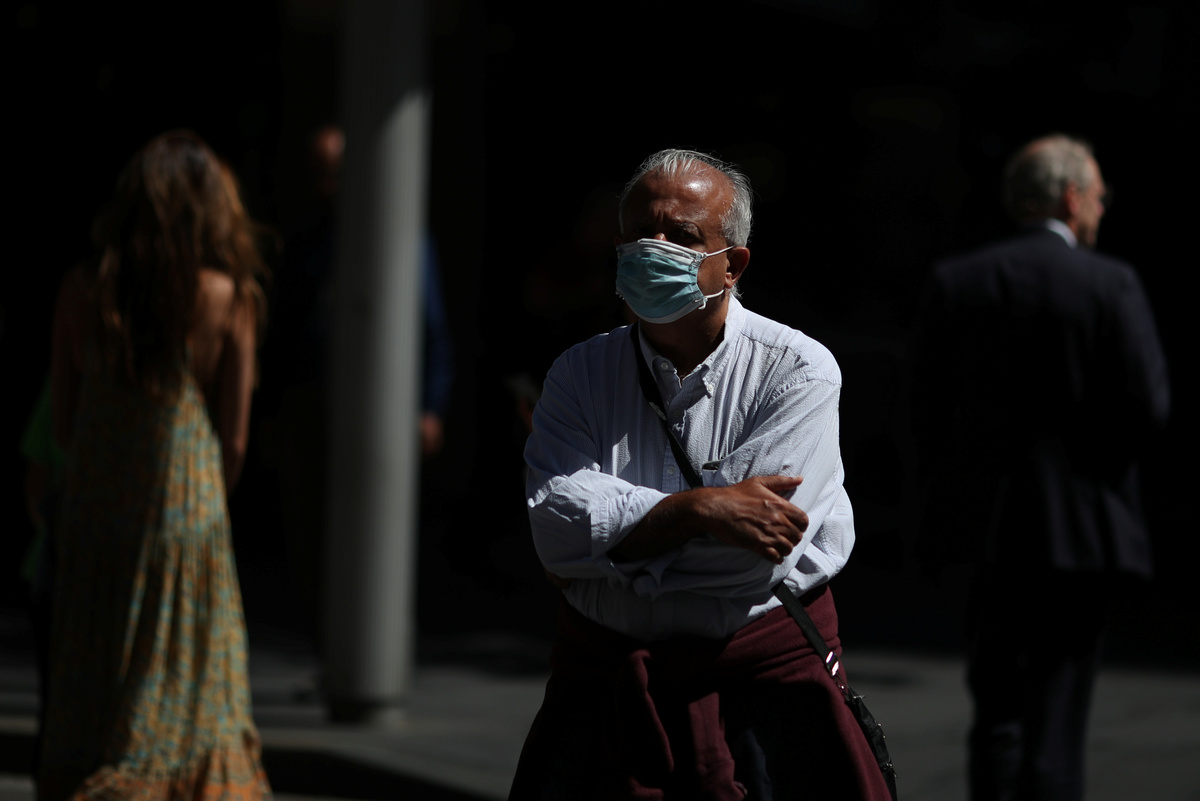
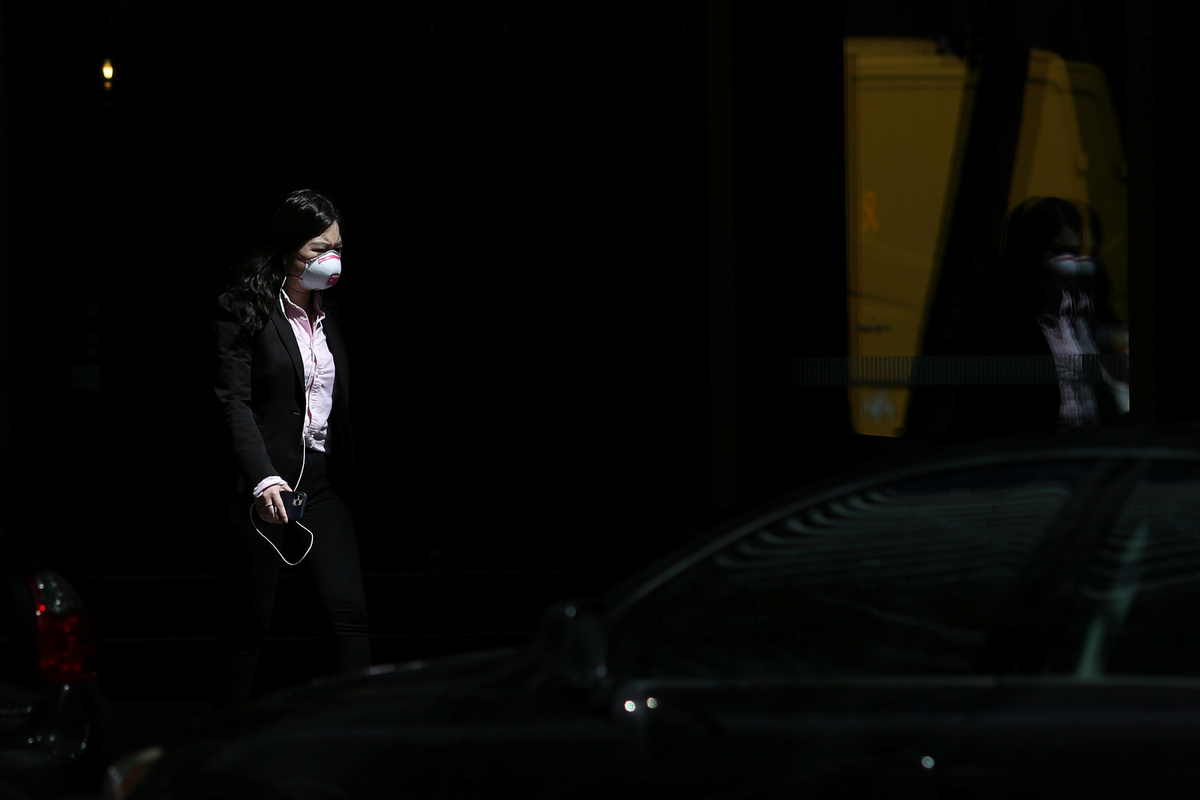
Tables at an open restaurant are seen mostly deserted on a quiet morning at the waterfront of the Sydney Opera House, where scheduled public performances have been cancelled due to the coronavirus disease (COVID-19), in Sydney, Australia, March 18, 2020. REUTERS/Loren ElliottTwo people sit on the mostly deserted steps of the Sydney Opera House, where scheduled public performances have been cancelled due to the coronavirus disease (COVID-19), in Sydney, Australia, March 18, 2020. REUTERS/Loren ElliottA handful of tourists stand atop the mostly deserted steps of the Sydney Opera House, where scheduled public performances have been cancelled due to the coronavirus disease (COVID-19), in Sydney, Australia, March 18, 2020. REUTERS/Loren ElliottA Royal Caribbean International cruise ship is seen at Circular Quay in Sydney Harbour, days after Australian Prime Minister Scott Morrison announced that international cruise ships would no longer be allowed to dock at Australian ports due to the coronavirus disease (COVID-19), in Sydney, Australia, March 18, 2020. REUTERS/Loren ElliottThe mostly deserted steps of the Sydney Opera House, where scheduled public performances have been cancelled due to the coronavirus disease (COVID-19), are seen on a quiet morning in Sydney, Australia, March 18, 2020. REUTERS/Loren ElliottEmpty toilet roll shelves are seen in a grocery store amidst fears of the coronavirus disease (COVID-19) in Sydney, Australia, March 18, 2020. REUTERS/Loren ElliottPedestrians wear protective face masks amidst fears of the coronavirus disease (COVID-19) in Sydney, Australia, March 18, 2020. REUTERS/Loren ElliottA notice to customers regarding product shortages is seen in a grocery store amidst fears of the coronavirus disease (COVID-19) in Sydney, Australia, March 18, 2020. REUTERS/Loren ElliottWomen wear protective face masks amidst fears of the coronavirus disease (COVID-19) in Sydney, Australia, March 18, 2020. REUTERS/Loren ElliottA man wears a protective face mask amidst fears of the coronavirus disease (COVID-19) in Sydney, Australia, March 18, 2020. REUTERS/Loren ElliottA woman wears a protective face mask amidst fears of the coronavirus disease (COVID-19) in Sydney, Australia, March 18, 2020. REUTERS/Loren ElliottEmpty toilet roll shelves are seen in a grocery store amidst fears of the coronavirus disease (COVID-19) in Sydney, Australia, March 18, 2020. REUTERS/Loren ElliottEmpty food shelves are seen in a grocery store amidst fears of the coronavirus disease (COVID-19) in Sydney, Australia, March 18, 2020. REUTERS/Loren Elliott
Sign up to read this article
Read news from 100’s of titles, curated specifically for you.