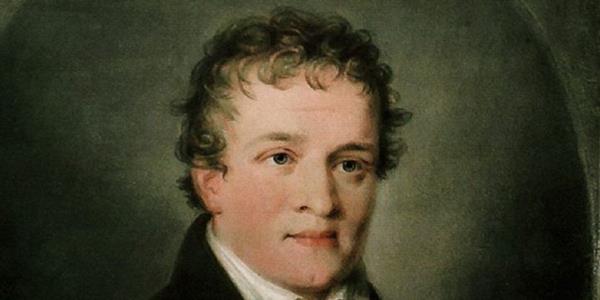
Scientists have recently debunked a 200-year-old conspiracy surrounding the mysterious teenager known as Kaspar Hauser through the use of DNA tests. The story dates back to 1828 when a 16-year-old boy appeared in Nuremberg, Germany, claiming to have been held captive in a dungeon. Speculation arose that he might be the son of Grand Duke Carl, a prince in Baden, Germany, who had supposedly died, leading to rumors of a royal lineage swap.
Modern forensic techniques, including DNA analysis, were employed to determine Hauser's ancestry. Geneticists analyzed samples of Hauser's blood and hair, comparing them to samples taken in the 1990s. The results revealed that Hauser's genetic makeup did not match that of the House of Baden royals, dispelling the theory of his royal lineage.
Geneticist Turi King, known for her work in identifying King Richard III's remains, described the investigation as one of the most significant historical mysteries of the 19th century. The research conclusively showed that Hauser's genes were distinct from those of the Baden royals, putting an end to the longstanding conspiracy.
While the true origins of Kaspar Hauser remain unknown, the use of advanced DNA technology has provided valuable insights into this intriguing historical enigma. This case exemplifies how scientific advancements continue to unravel mysteries that have puzzled generations before us, shedding light on long-standing enigmas and debunking age-old conspiracies.