A woman rejected by her biological dad after finding his identity through a home DNA kit has warned of the heartache they can bring to those unprepared for the consequences.
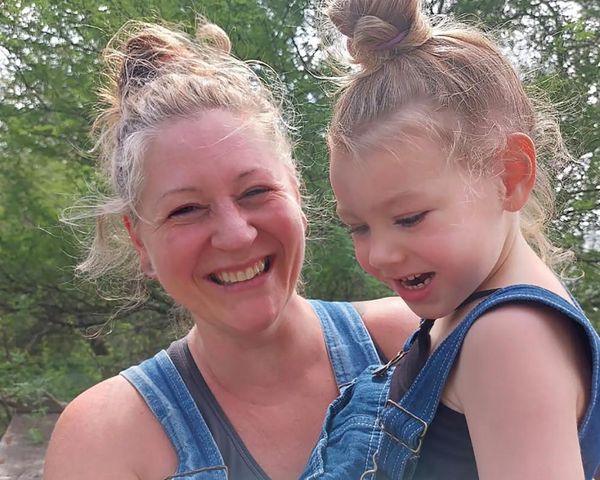
Nicki Field, 50, took a test through an ancestry website three decades after her mum told her on her 13th birthday that the man she knew as her dad was no genetic relation.
Nicki, a secondary school teacher and married mum of four, sent her DNA to Ancestry.co.uk for testing, with the results posted on various sites matching up those with shared genes.
A match was found to a stranger who was genetically her first cousin – and further investigations revealed the man’s uncle was her biological father.
However, the married dad-of-four refused to acknowledge his affair with her mother or accept her as his daughter.
Nicki of Kimbolton, Cambridgeshire, said: “It was devastating to be told that neither he, nor any of his children, with whom I share an obvious family resemblance, wanted me in their lives.
“Most people don’t realise the power of these tests and the can of worms they can open.”
More than four million people in the UK are believed to be signed up to websites such as 23andMe or AncestryDNA. Some offer to reveal lineage, ancestry and long-lost relatives in return for a saliva sample sent by post to be matched on a database.
The Human Fertility and Embryology Authority has called on the sites to warn people of the risk of uncovering traumatic family secrets and health issues.
Tests could also enable people to track down anonymous sperm and egg donors, it warned.
A third of people conceived through egg or sperm donation discovered the truth about their biological parents through home DNA kits, according to a survey by support group We Are Donor Conceived.
Genealogist Debbie Kennett of University College London said 30million people had used the home tests – a 10-fold increase in three years.
She added: “The genie is out of the bottle, donor anonymity has ended. The question now is how do we deal with the consequences?
“For people who did not know they were donor-conceived, their identity can be completely shattered. They feel like they have been lied to all their life.”
A spokesman for Ancestry DNA said: “We take our responsibility towards our customers, and the potential impact of complex discoveries, very seriously.
“Ancestry works hard to help customers understand that some of what they learn might be unexpected and we have a dedicated team trained to help them understand and interpret their results.”
23andme said: “DNA Relatives, the feature that connects customers with others in the database with whom they share DNA, is completely optional.
“Customers are informed up front that by using the tool, they may discover unexpected relationships.”