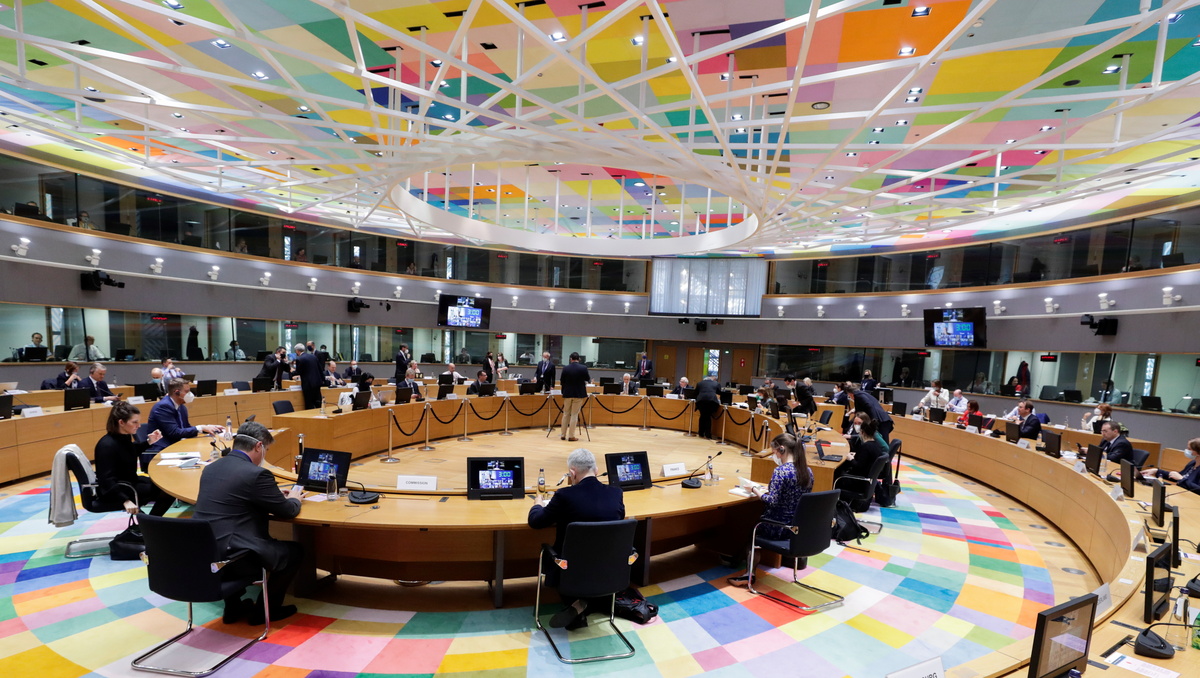
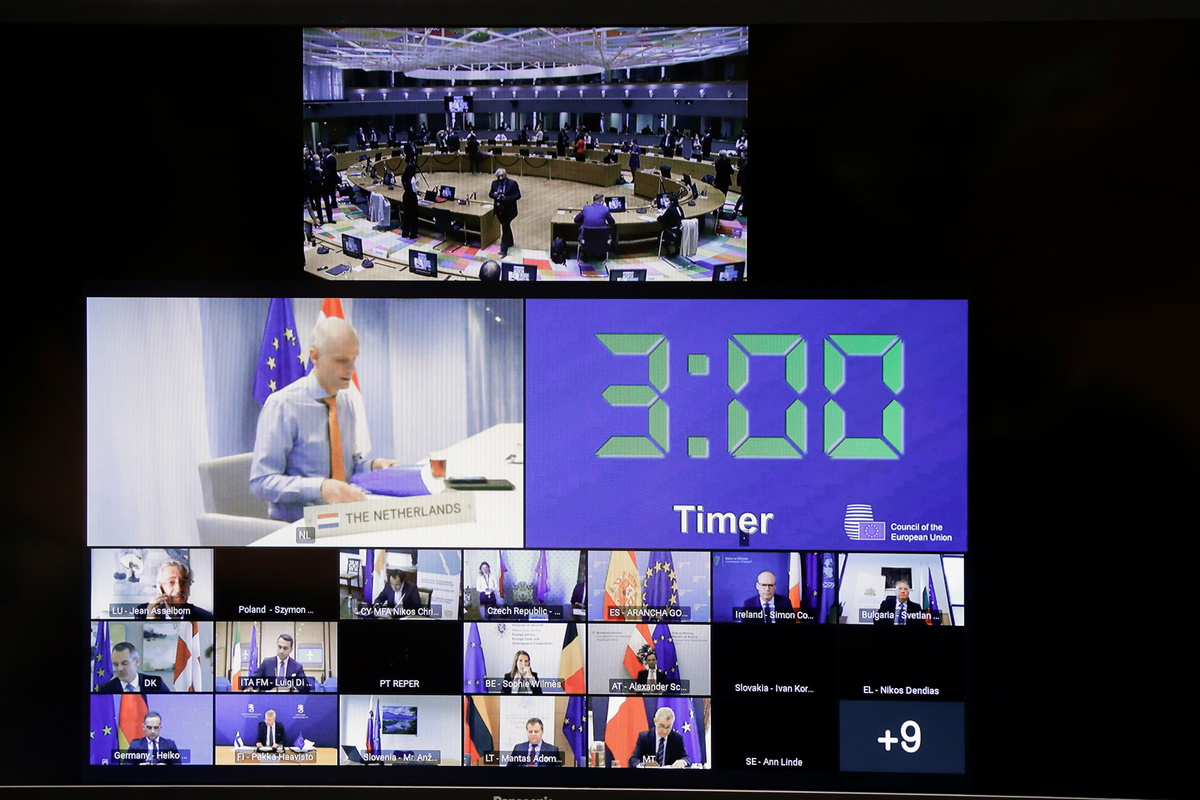
European Union foreign ministers called on Tuesday for a ceasefire between Israel and the Palestinian Islamist group Hamas and boosted humanitarian aid for Gaza, but failed to reach the unanimity that might give the EU leverage in peacemaking.
Hungary, Israel's closest ally in the bloc, declined to join the other 26 foreign ministers in calling for a truce on their video call, convened by EU foreign policy chief Josep Borrell.
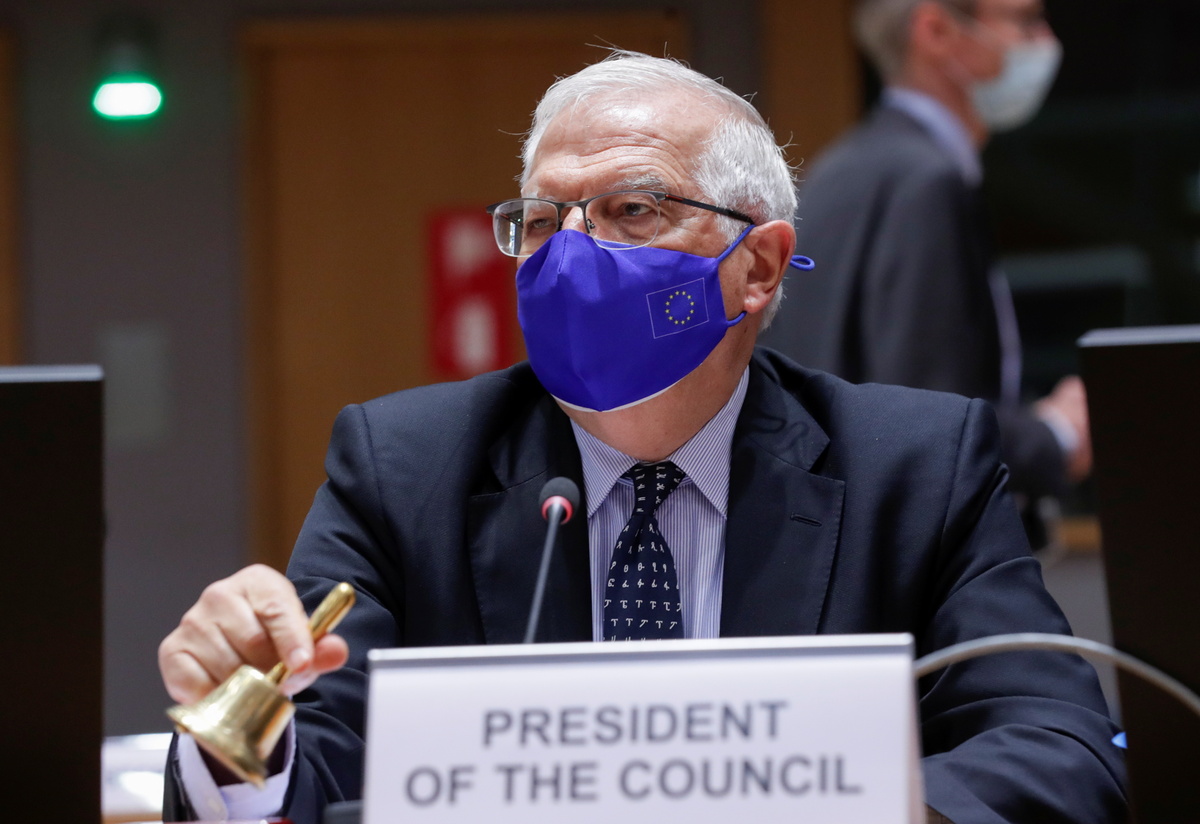
Nevertheless, the other ministers vowed that the EU would try to relaunch the peace process along with the United States, Russia and the United Nations.
"As a minimum we can try to get a ceasefire, then provide humanitarian aid, and then see what can be done to restart the Middle East peace process to address the root causes of the violence," Maltese Foreign Minister Evarist Bartolo told Reuters.
"We cannot let the extremists on both sides feed off each other and set the agenda," he said.
French Foreign Minister Jean-Yves Le Drian told reporters in Paris that the Middle East quartet of mediators, comprising the EU, Russia, the United Nations and the United States, was the right forum to push for a resumption of the Israeli-Palestinian peace process, which has been moribund since 2014.
"We must relaunch the peace process as quickly as possible and find a path to dialogue," he said.
SLOW TO RESPOND
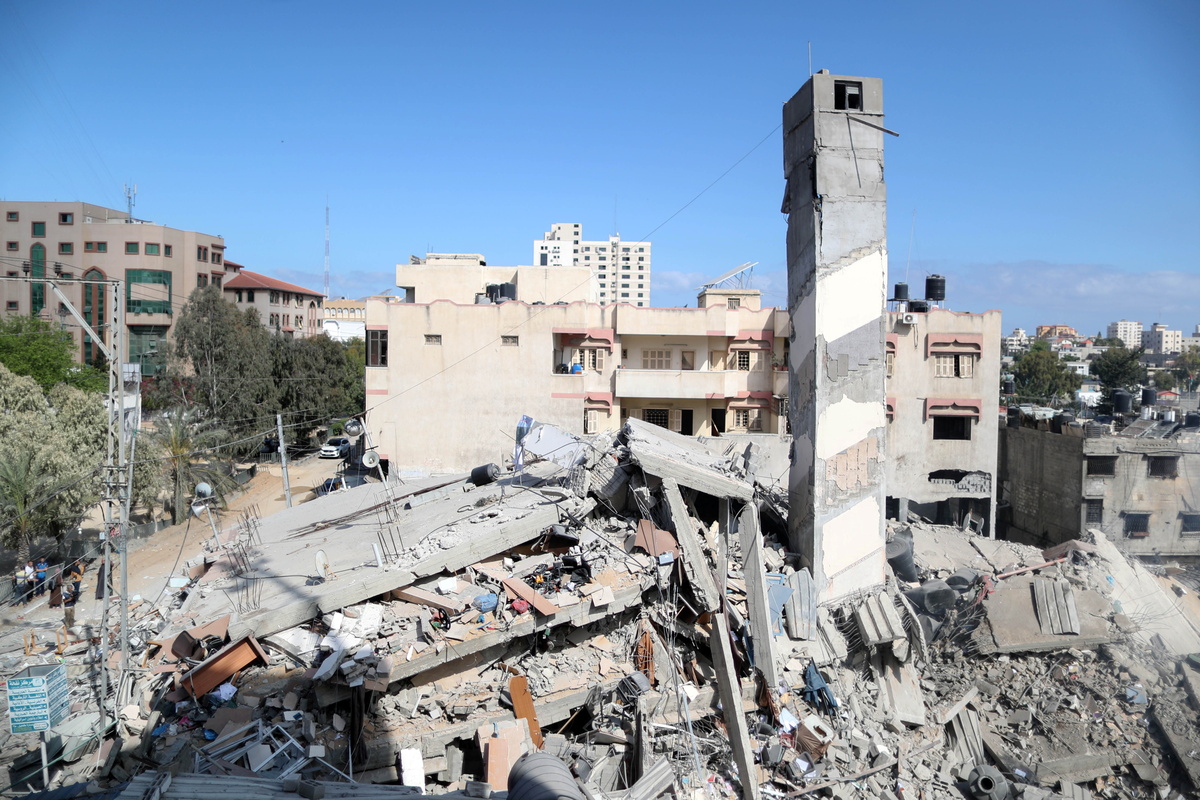
Weeks of Israeli-Palestinian tensions boiled over into armed conflict at the start of last week, and Turkey in particular has criticised the West's failure to respond quickly.
Washington has long been the key broker in Middle East peacemaking, but President Joe Biden did not publicly back the idea of a ceasefire until a call with Israeli Prime Minister Benjamin Netanyahu on Monday..
The EU is Israel's biggest trade partner and a big aid donor to the Palestinians. But it has been reluctant to use such leverage or discuss possible economic sanctions on Israel's government.
Borrell said he had spoken with U.S. Secretary of State Antony Blinken on Monday.
At least eight smaller EU states, led by Luxembourg and including Belgium, Ireland, Malta and Finland, are vocal defenders of the Palestinians. Several Belgian lawmakers called this week for EU travel bans and asset freezes on Israeli politicians over the violence.
Germany, which still carries a burden of guilt over the Nazi crimes of World War Two, is unwilling to discuss coercive measures against Israel, but pledged 40 million euros ($49 million) on Tuesday in humanitarian aid for civilians in Gaza.
Others, including Hungary, the Czech Republic, Austria, Greece, Cyprus and Poland, are more ready to speak out in Israel's favour. Austria flew an Israeli flag over the federal chancellery in Vienna on Friday. And in Hungary's nationalist prime minister, Viktor Orban, Netanyahu has found an ally prepared to block statements or actions critical of Israel.
"The European Union should have, right now, a leading role (in defusing the crisis). It doesn't have that role, either because of differences in approach by member states or because there is no strategic approach from Brussels," Cypriot Foreign Minister Nikos Christodoulides told Cyprus’s Alpha TV.
(Reporting by Robin Emmott in Brussels and Sabine Siebold in Berlin, additional reporting by John Chalmers in Brussels, John Irish in Paris and Michele Kambas in Nicosia; Editing by Kevin Liffey)