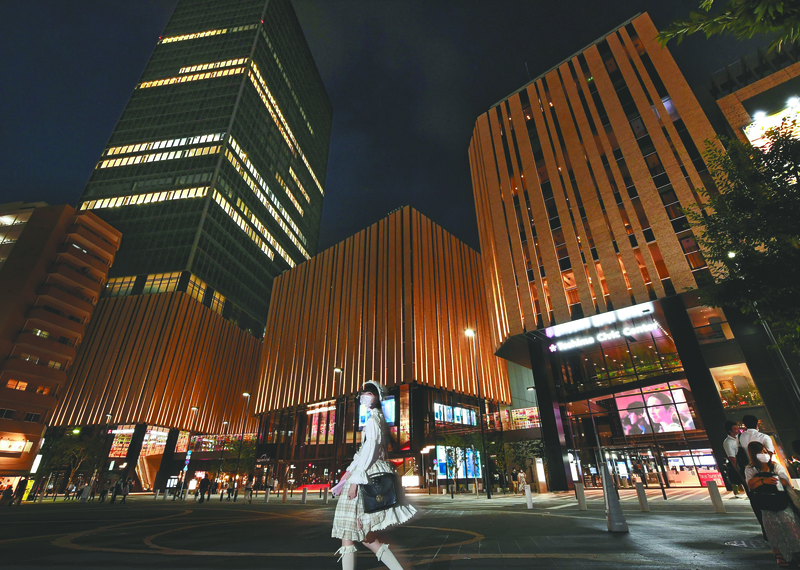
A new cultural center has opened in the Ikebukuro area of Tokyo, resembling a stylish "urban forest" with the vertical lines running along its exterior walls.
The grand opening of Hareza Ikebukuro was held on July 1. Built on the site of the former Toshima Ward Office near Ikebukuro Station, it comprises three buildings containing a total of eight theaters. The complex is the result of a joint effort between the ward and private companies to create a cultural center for the area, under its vision to make Toshima an "International City of Arts and Culture."
The center is meant to be a place for people to get dressed up and gather together, a goal reflected in its name. "Hare" means extraordinary, and "za" refers to a place to gather.
"The whole city will change from here on out," said Toshima Mayor Yukio Takano, 82. He has high hopes for the area -- both in terms of special events and the cultural aspects of daily life.
"Culture invigorates people to dream about the future," Takano said. "It doesn't have to be something lofty." He believes Ikebukuro has the power to promote popular, culture as "it's a diverse, tolerant area," he said.
Ikebukuro's diverse culture stretches back to the days after World War II, when the city had a prosperous black market. People from all walks of life came together and various cultures emerged. The diverse nature of the area gave it a sense of strength and identity.
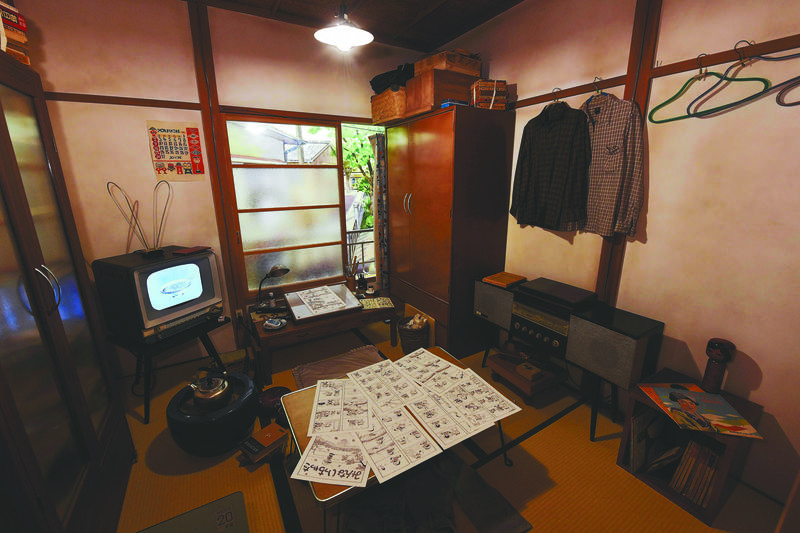
Today, there is an anime shop next to Hareza Ikebukuro, and last year, an outdoor theater was completed in nearby Nishiguchi Park. A little further west is the recently opened Tokiwaso Manga Museum, a restored apartment building where Osamu Tezuka and other celebrated mangaka lived.
Ikebukuro has long attracted people in search of culture. Many painters have lived there over the years, and there was once an area called "Ikebukuro Montparnasse."
"In 1928, a wealthy woman built a house with a studio for her grandchild, and in 1931 she built another 10 houses for her grandchild's friends," said Mioko Kobayashi, a curator hired by the ward. Many more houses with studios were built after that, but they gradually deteriorated, and the "atelier village" no longer exists.
"But the spirit of the village is still there," Kobayashi said.
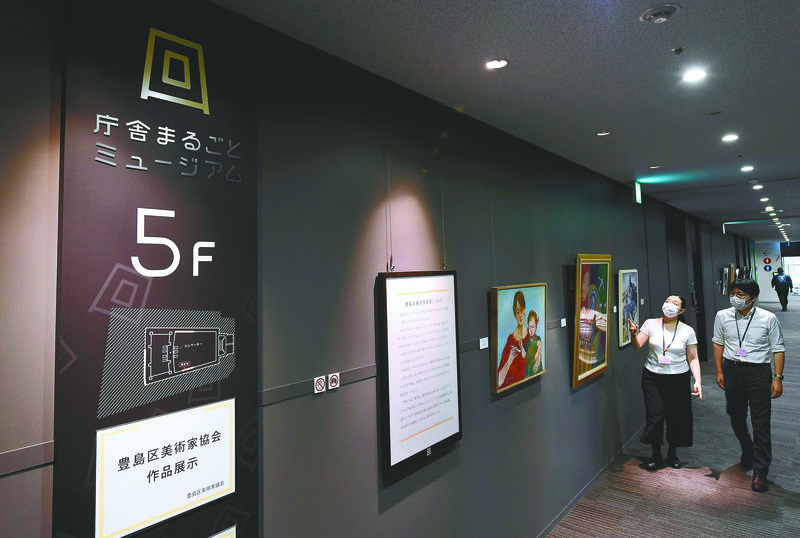
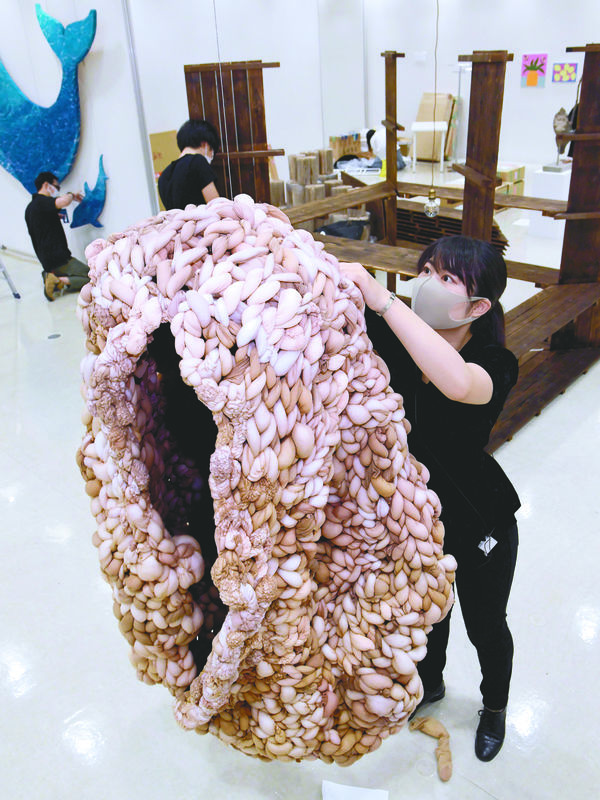
In addition to the many works of art displayed in the ward's main office building, this spirit is on display at the annual Ikebukuro Montparnasse Art Galleries, an event in which the entire area is turned into a museum with galleries and cafes serving as exhibition venues.
-- Owl-shaped Japanese sweets
A popular meeting spot at Ikebukuro Station is the owl "Ike-fukuro" statue.
Ike-fukuro is a pun on the two characters in the word Ikebukuro. The first character means pond, and the second means bag. The character for bag is originally pronounced "fukuro" but changed to "bukuro" when used in the Ikebukuro place name.
"Ike-fukuro" replaces the word for bag with the Japanese word for owl, also pronounced "fukuro."
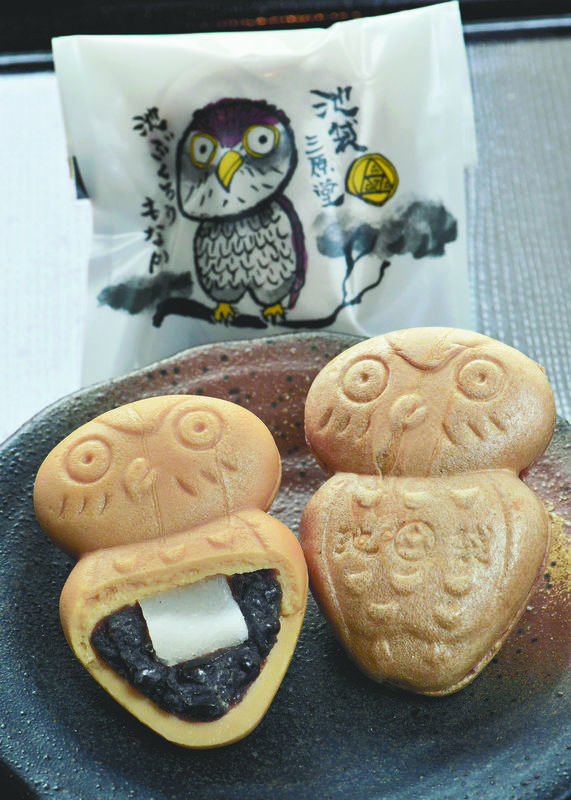
The Miharado Japanese confectionery shop has capitalized on the popularity of the pun with its Ike-bukuro Monaka owl-shaped treat priced at 220 yen. A speciality of the shop, it was created by third-generation owner Takatoshi Saito.
"I decided to create this because a friend in college confessed that he'd never eaten a Japanese sweet before," Saito said. "I thought that if I didn't get people to try them, nobody would ever give these sweets a chance."
After graduating from university Saito started working at the shop, where he designed the sweet. It's made of sweet paste from azuki red beans from Hokkaido and gyuhi rice cake, and over time has become his most popular product.
Read more from The Japan News at https://japannews.yomiuri.co.jp/