One year has passed since the Private Lodging Business Law (also known as the minpaku law) came into effect, which allows travelers to stay in vacant rooms in houses for a fee.
The number of such properties registered with local governments has increased to more than 17,000, about eight times the number at the time of the law's enforcement. However, some operators withdrew their minpaku private lodging services.
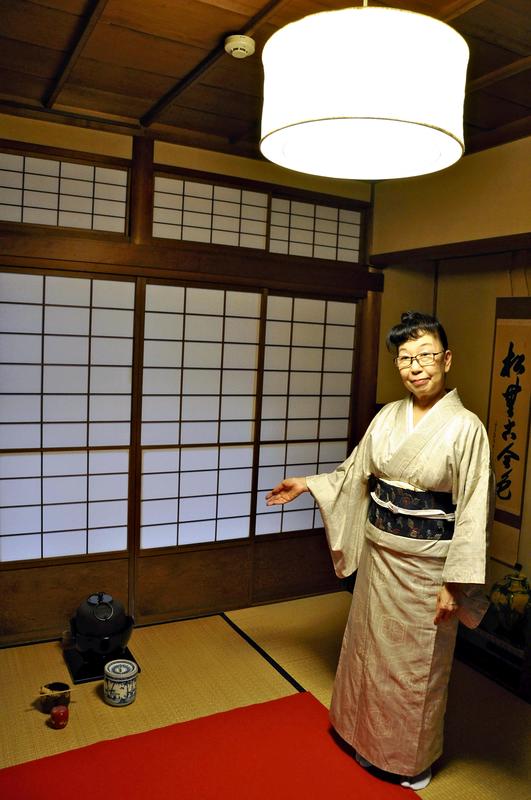
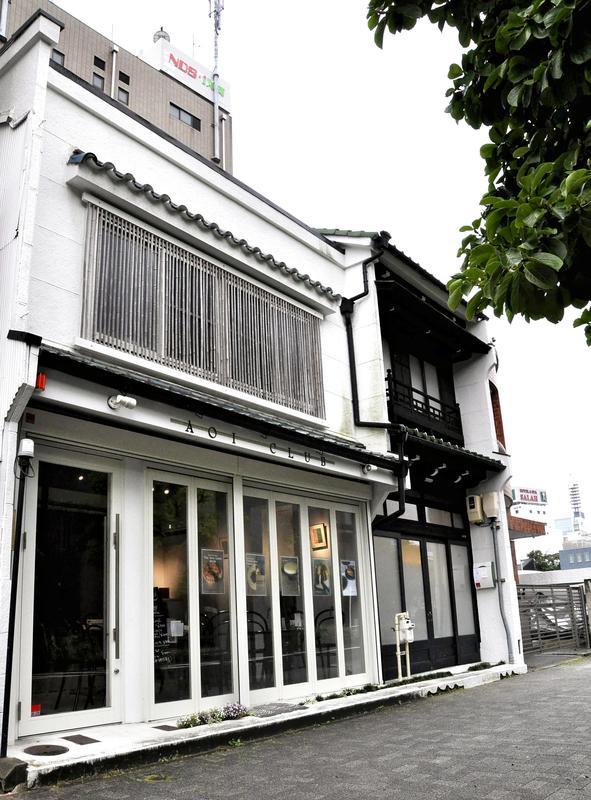
The "Aoi Club House" in Higashi Ward, Nagoya, opened as a minpaku private lodging in last November in an old traditional house built in Meiji-era (1868-1912). The tea ceremony experience in its tea room is popular, and foreign visitors to Japan account for half of the guests.
According to people involved with an accommodation booking website, there were previously many cases in which minpaku businesses rented out vacant rooms in condominiums, mainly in urban areas. In recent years, as tourists tend to value experiences, an increasing number of renovated old traditional houses are allowing guests to experience farming and pottery in recent years.
Since the law came into effect on June 15, 2018, the number of registered properties has increased rapidly. As of June 7 this year, the number of brokers such as booking sites increased from 23 to 63.
According to the Japan Tourism Agency, 982 minpaku lodging projects had been canceled as of June 7 since the law took effect. Based on a survey conducted by the agency between February and March, the largest proportion of respondents, or 37.6 percent, said their projects were "for use in the hotel business or a minpaku lodging in a special zone [based on the National Strategic Special Zones framework]."
The law limits the number of business days per year to 180, which some people say makes minpaku lodging "less attractive as a business." As a result, many businesses are expected to be transformed into budget accommodation or become a minpaku lodging permitted in special zones in Ota Ward, Tokyo and Osaka, as well as other areas, where minpaku lodgings can be operated without the restriction of a 180-day limit.
Read more from The Japan News at https://japannews.yomiuri.co.jp/