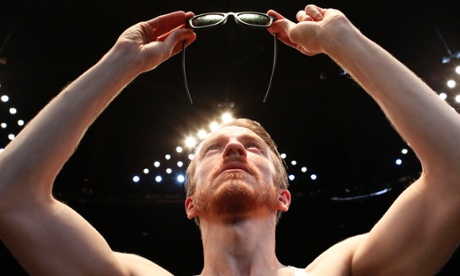
“Maybe the existing structures of theatre in this country, whilst not corrupt, are corrupting. Maybe the theatre we trumpet as the best in the world, isn’t. Maybe it could be better, broader, bolder,” declared the Lyric’s Sean Holmes in a speech in June 2013.
Out of that speech came Secret Theatre, a season in which the titles of the shows were not announced in advance – and an overall attempt to reimagine how we might make theatre. Holmes and other directors worked with a 20-strong ensemble of writers, directors and designers initially intended to deliver an eight-month season of work.
Secret Theatre was born of pragmatism – the Lyric was having major building works and it simply wasn’t possible to programme as usual, so the theatre had to stop producing for a period, or find other ways to make and present work. But it was also born from an ambition to make work outside the traditional structures that still dominate in British theatre, from casting to rehearsal periods.
As Holmes observed in combative mood, around his casting of ensemble member Nadia Albina, the disabled actor, as Blanche in A Streetcar Named Desire, “My feeling is that Streetcar is going to make people fucking furious. David Hare does what he does; that’s allowed. What you can’t do: Blanche can’t have one fucking arm.”
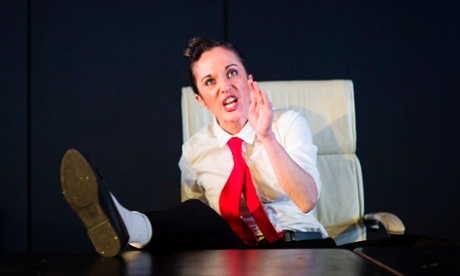
Almost two years on – the Secret Theatre Project was extended by a year and also undertook a tour around the UK – it reaches its grand finale this month with an opportunity to see the final play in the sequence, Joel Horwood’s A Stab in the Dark, and also catch up with the other six plays on the final weekend.
Not that it’s all over: A Stab in the Dark will return to the Lyric in the autumn and in 2016 the ensemble will be working with German director Sebastian Nübling.
So has it all been a glorious success? That depends on how we measure success, which is often defined within the narrow, existing structures of five-star reviews and the number of tickets sold. The secrecy element probably created more problems than bonuses, particularly in the furore that accompanied the opening show, when a critic tweeted the title during the interval, much to the fury of some.
Secret Theatre has proved that you don’t need to have continuing and constant conversations around diversity when you can simply just address some of these issues by having an ensemble of five men and women, and by including both able-bodied and disabled performers of different backgrounds, cultures and race.
One of the most exciting things about Secret Theatre has been its celebration of difference in every way, whether that’s how you create a show, where you perform it or how you open it up to critical attention.
Has it changed the face of British theatre? No, of course not. But has it opened up some of the possibilities and demonstrated some of the benefits of keeping an ensemble of actors working together over a long period? Definitely.
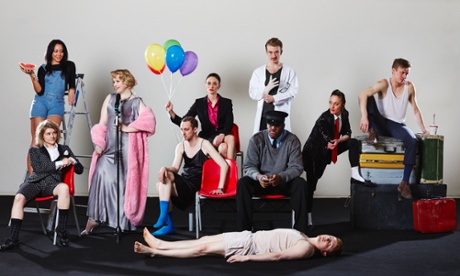
I suspect that the blissful and moving A Series of Increasingly Impossible Acts simply could not have been made at the beginning of the Secret Theatre project because it would have required levels of trust and risk that at that stage they simply wouldn’t have had. As an audience member, I’ve enjoyed the opportunity to see the same actors in different roles over a sustained period. Holmes himself says that one of the joys has been releasing the individual and collective potential of the actors.
We talk a great deal in British theatre about the right to fail. But the truth is that the vast majority of projects are set up in ways that try to diminish the possibility of failure. In the process, they diminish the possibility of producing something unexpected and creatively thrilling for both audiences and those involved.
There have been times when Secret Theatre has fallen flat on its face, and there have been times when it’s been bloody brilliant. And you can’t have one without the other.