Sometimes, standard photography gear just doesn’t cut it. To get the shot, some creative technical modifications need to be made.
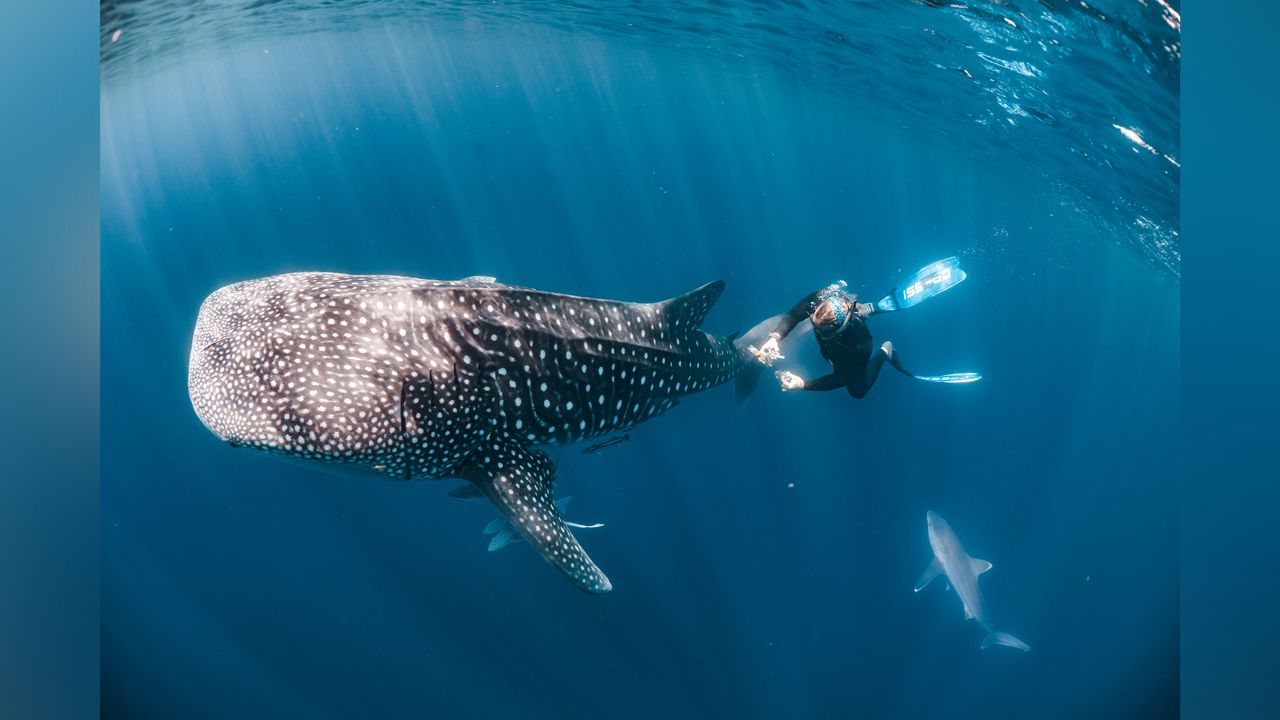
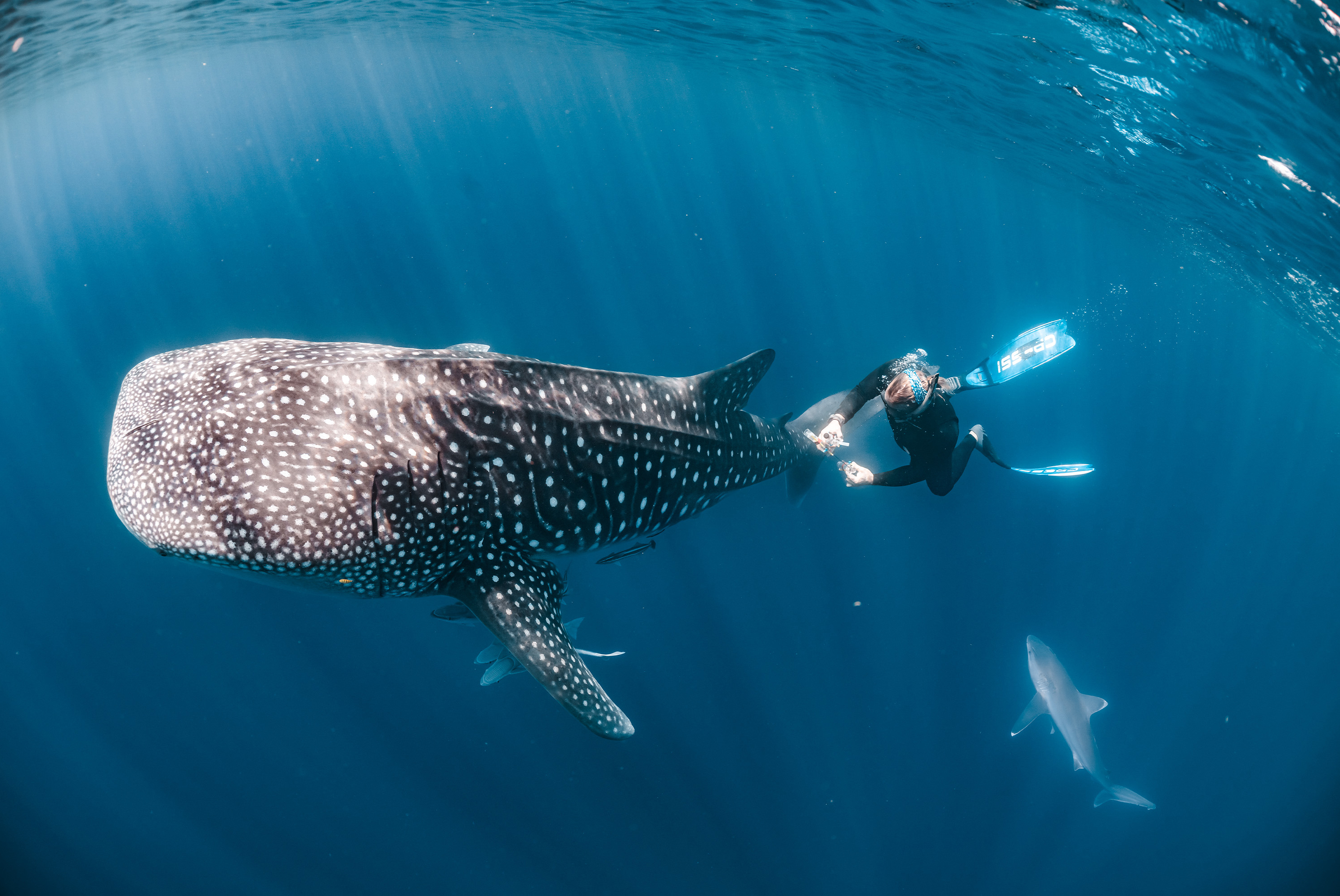
Robert Harcourt – a marine ecologist at Macquarie University in Sydney, Australia, and seasoned underwater photographer – proved that with this image, which recently won a Scientists at Work photography award.
Harcourt was diving with fellow marine scientist, Michael Doane, when he photographed Doane collecting a microorganism sample from a humongous whale shark at the Ningaloo Reef, off the coast of Western Australia.
While the composition itself is impressive enough, what’s equally interesting is Robert’s choice of gear. "I shot it with a Nikon Z8 in a Seacam housing (a fabulous housing) using a Nikonos 13mm underwater fisheye lens (20+ year old glass),” he explained.
The Nikonos R-UW AF Fisheye-Nikkor 13mm f/2.8 (often called the RS-13) is a legendary extreme wide-angle lens that is, in fact, closer to 35 years old.
Originally produced for the Nikon Nikonos RS, the world’s first autofocus underwater SLR system, the lens has gained something of a coveted status among underwater photographers.
But for Robert’s fisheye lens to work with his modern Nikon Z8 mirrorless camera, he first had it converted by Seacam. Then he was able to snap the award-winning image, opting for a 1/400 shutter speed, f/7.1, and Auto ISO.
Much like the legendary Nikon lens, Robert has a rich history in diving photography. “I have been taking underwater photographs with various systems since about 1980 when I put an Olympus Trip in an Ikelite housing,” he said.
“I’ve mainly taken photographs for personal interest but also to support marine science and conservation," he added. “Like all my images, I hope this photo enhances people’s appreciation for the magnificence of our underwater world and the need to understand it to protect it.”
You might also like…
Take a look at the best waterproof cameras as well as the best underwater housings for cameras and phones.