
Keeping at least one metre apart and wearing face masks and eye protection are the best ways to cut the risk of COVID-19 infection, according to the largest review to date of studies on coronavirus disease transmission.
In a review that pooled evidence from 172 studies in 16 countries, researchers found frequent handwashing and good hygiene are also critical - though even all those measures combined can not give full protection.

The findings, published in The Lancet journal on Monday, will help guide governments and health agencies, some of whom have given conflicting advice on measures, largely because of limited information about COVID-19.
"Our findings are the first to synthesise all direct information on COVID-19, SARS, and MERS, and provide the currently best available evidence on the optimum use of these common and simple interventions to help 'flatten the curve'”, said Holger Schünemann from McMaster University in Canada, who co-led the research.
Current evidence suggests COVID-19 is most commonly spread by droplets, especially when people cough, and infects by entering through the eyes, nose and mouth, either directly or via contaminated surfaces.
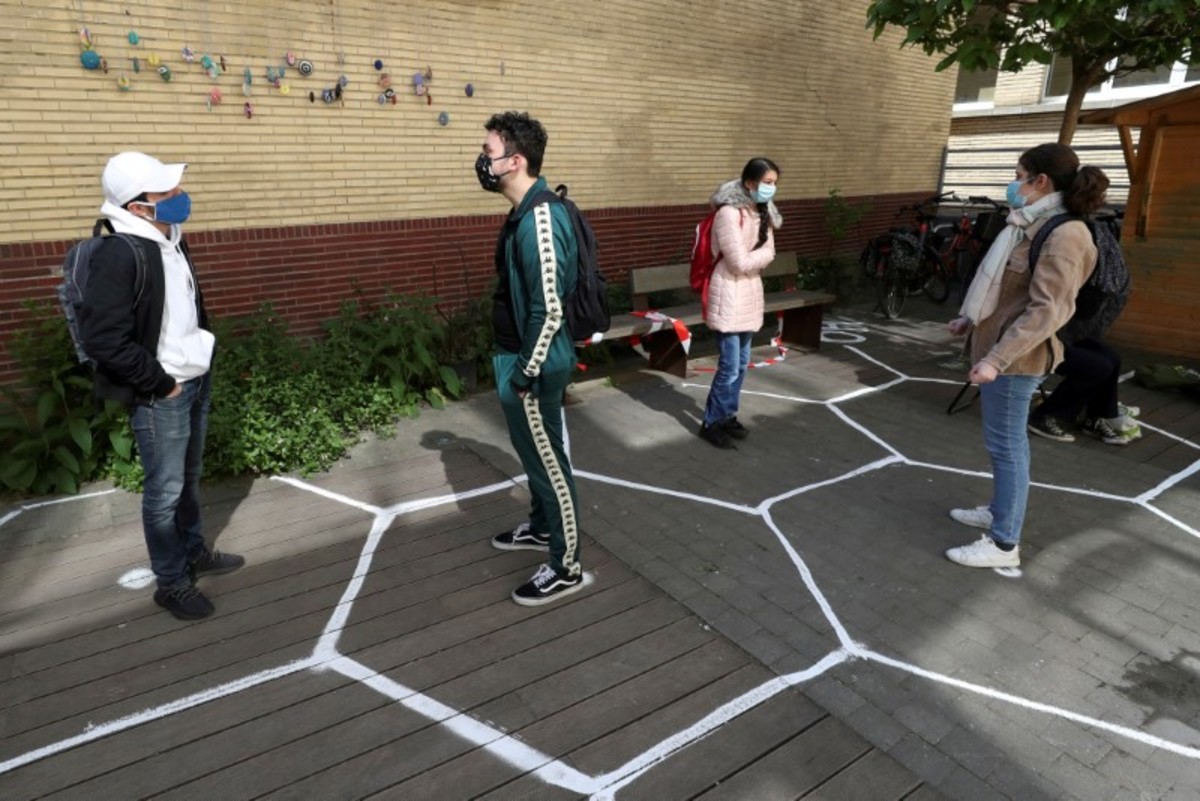
For this analysis, an international research team conducted a systematic review of 172 studies assessing distance measures, face masks and eye protection to prevent transmission of three diseases caused by coronaviruses - COVID-19, SARS and MERS.
The researchers noted that the findings, while comprehensive, have some limitations for the current pandemic since most of the evidence came from studies of SARS and MERS.
They found, however, that physical distancing of at least 1 metre lowers risk of COVID-19 transmission, and that a distance of 2 metres could be more effective. Masks and protective eye coverings may also add protective benefits, though the evidence for that was less clear cut, they added.

Derek Chu, an assistant professor at McMaster University who co-led the work, said people should understand that "wearing a mask is not an alternative to physical distancing, eye protection or basic measures such as hand hygiene."
(Editing by Andrew Heavens)