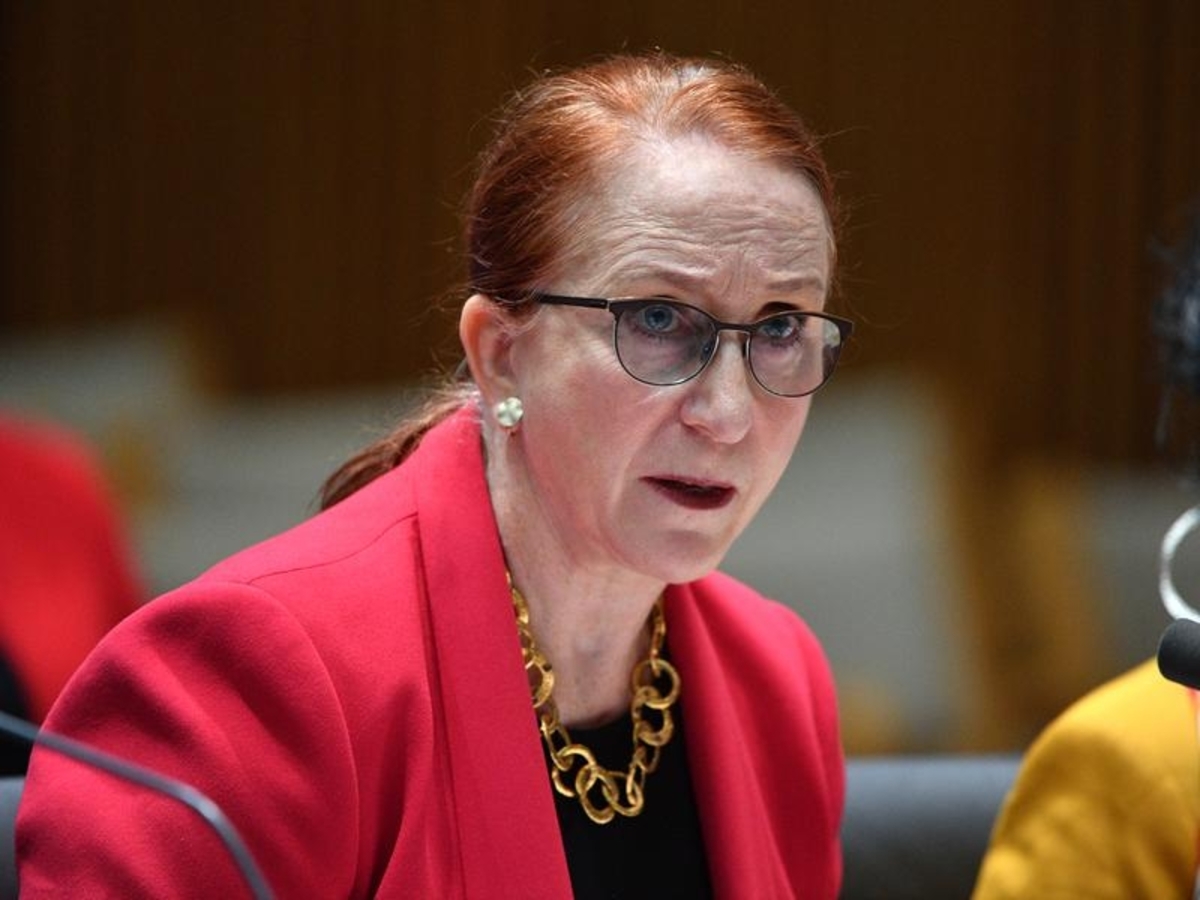
Australia's discrimination laws are "falling short" and its system to deal with complaints is "hopelessly out of date", with the boss of the nation's Human Rights Commission calling for a major overhaul.
A new 350-page discussion paper, released by the Australian Human Rights Commission on Friday to mark Human Rights Day, outlines a roadmap to reform discrimination law following two years of consultation.
It makes 38 recommendations including building a preventative culture, modernising the regulatory framework, enhancing access to justice and boosting the practicality of laws.
"Put simply, Australia's discrimination laws are falling short," AHRC President Rosalind Croucher said in a speech on Friday.
"They are outdated and they are difficult to use. Some of these laws have remained substantially untouched since they were introduced over 30, even 40, years ago."
Four sets of federal discrimination laws and the overlapping of them with state and territory-specific regulations makes the mix "complex" and at times "inconsistent", leading to difficulties.
The emeritus professor, who also served as a president of the Australian Law Reform Commission from 2009 to 2017, said the need for reform was urgent and described the changes as modest.
"We must address the overly complex nature of these laws and refocus the system so that it generates business confidence to take measures of prevention as the major focus," she said.
Further, Prof Croucher said the current laws do not respond to the challenges of modern life and are often unsuccessful in remedying discrimination, let alone preventing it.
"The regulatory framework is hopelessly out of date," she said.
The commission receives more than 2000 complaints every year, with 70 to 75 per cent of those resolved through conciliation.
That leaves 25 to 30 per cent of discrimination cases unresolved. Fewer than three per cent of those proceed to court.
Until 2000, the commission was able to provide further dispute resolution to bridge the gap between conciliation and the courts but it was stripped of those adjudicative powers following a 1995 high court decision.
Prof Croucher has recommended the federal government consider re-establishing the function to help more people access justice, noting other agencies had been granted the same powers since the Abbott government introduced the Regulatory Powers Act in 2014.
"These higher order powers provide leverage - the leverage that having such powers can bring in enforcing obligations, even when not exercised," she said.
"The availability of the stick can be a very effective carrot to shift behaviour towards a compliance mindset."
The paper is the first in a series of three from the commission's Free and Equal project, announced in December 2018.
Its 2020 completion date was delayed by the COVID-19 pandemic, and Prof Croucher said the last two years had brought a renewed focus on "centralising" human rights in times of crisis.
In its next paper, the commission will update its mooted model for a federal human rights act along with related reforms to promote the nation's human rights culture.