TV3’s owner has revealed its New Zealand strategy and it includes a new on-demand streaming service, more locally produced programmes, and a news gathering partnership in Dunedin. The plans were revealed by new chief Glen Kyne in an interview with Newsroom’s co-editor Mark Jennings.
Glen Kyne has a lot he wants to say. He’s been sitting quietly for six months while Discovery’s three businesses in this part of the world (two in NZ and one in Australia) have been combined, slimmed down, and readied for a fresh assault on Australasian markets.
Before this restructure, Kyne and MediaWorks staff lived with the inertia of company which had a for sale sign in the window for 12 months. The TV operation faced the threat of closure until the big US media company Discovery finally bought it for $20 million. TVNZ and other competitors used the hiatus to their advantage while TV3 clients, staff and contractors endured an information vacuum. The network with nothing to say saw its ratings and revenue share slide.
The pent up frustration of the past is over for Kyne, the General Manager, Australia and NZ for Discovery, and his team.
“By the time we get to the end of this year there won’t be anything unchanged. It will be a very different organisation from the one that was a year ago.”
DISCOVERY +
The first big change viewers will notice is the disappearance of Three Now (the old MediaWorks’ video on demand platform) and the arrival of Discovery’s new flagship streaming service Discovery +. No real surprise here, as acquiring a local launch pad for its digital ambitions was always likely to be the reason behind Discovery’s purchase of MediaWorks’ TV assets.
Discovery+ is the US company’s response (albeit a slightly slow one) to the streaming revolution which has seen Netflix, Amazon Prime and Disney+ grab a huge share of the entertainment market. Discovery added some serious firepower to its own arsenal recently by merging with Warner Bros. The deal adds CNN and a host of top dramas, including Game of Thrones, to Discovery’s stable of reality TV, nature and crime shows.
The Economist reported that, “combined, the two companies would form the world’s second-largest media group by revenue, behind only Disney. Their hope is that this scale will allow them to survive an existential battle for viewers that makes “Godzilla vs. Kong” look like cautious cuddling.
Kyne says one way in which Discovery+ is different to other streaming services in that it is tailored to individual markets or countries.
“Globally, Discovery + was launched as a brand in the US in December (2020) and since then the total direct to consumer subscription number is just over 15 million and growing rapidly. It is a common global platform but in each market they look to execute differently. So when we look at Australia and New Zealand, Australia is the priority market to launch in at the moment and the reason for that is the maturity of the subscription video market over there. You can get sport for $10 a month over there and it is a very attractive market to launch into quickly.”
Kyne expects the Australian launch to be “loosely October” with New Zealand “following quickly.”
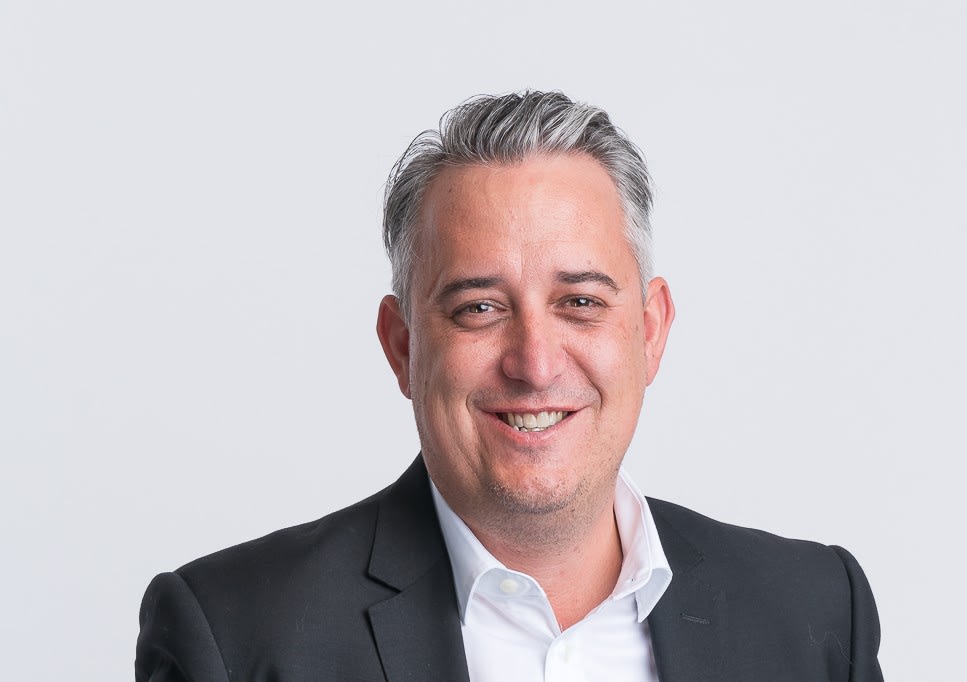
With Discovery+ replacing Three Now – TV3’s clunky and underpowered digital platform – Kyne is hoping he can recover some of the ground ceded to TVNZ in on-demand.
“Three Now has been underinvested in. We know that it could do with a lot better user experience. Discovery+ has a great UX.”
Kyne won’t be drawn on pricing but if the US model is followed here, there is likely to be two tiers. A low-priced product that carries some advertising and a slightly higher price for an ad-free service. TVNZ CEO Kevin Kenrick’s recent suggestion that TVNZ might introduce an ad-free subscription service is bound have been done with an eye on Discovery+.
More local Shows
The competition on the traditional free-to-air channels is also about to heat up. With the explosion in the number of streaming services available in the NZ market giving easy access to the best international programmes, the main differentiator in the battle between TVNZ, TV3 and Prime is local programming. Kyne is promising more domestic shows.
“TVNZ news is very strong at the moment but TVNZ 1 is quite leveraged against that…their audience is focused in and around news but tends to drop away after that. The first thing we need to do with TV3 is extend the depth and breadth of our local productions. We have been running out of local shows in September, so I think that will start to change and we will extend out to a full season. Currently, on most nights, we have local programmes at 7.30 pm but we want it to run up to 9.30, even later if possible.
“Our local programming is currently 35 percent of our total (that’s counting News and the three hour AM show ) and we are looking to grow that to 40 percent.”
But, given locally produced shows (of any quality) are expensive to make, how will TV3 afford them?
Kyne gives the impression, without exactly saying it, that the TV operation is now profitable after years of losses under the previous owner.
“The company today is in very healthy shape. We have been able to move contracts (for international programming) onto Discovery terms not MediaWorks terms – leveraging that scale has made a material difference (to the cost base).
"Revenue share is back in growth again after a really tough time following the sale announcement and, the market has bounced back post-Covid.
"It talks to the value of being part of an international media organisation, as an ownership structure is very helpful.”
The company has also been getting rid of duplicated roles after the merger of Discovery’s New Zealand and Australian businesses. Staff numbers have been cut by “about 5 percent.”
Newshub and the Dunedin issue
Newshub’s underperformance, particularly at 6pm, is a problem Discovery will need to solve if it is to extract full value from increases in local programming after 7.30 pm.
Kyne says Discovery’s clout in the programming world will help it find an answer to the intractable problem of a News lead-in programme at 5.30 pm. The timeslot has been a disaster for TV3 since it lost Home and Away to TVNZ in 2013. He also says news has had minimal headcount reduction.
But it is clear from the decision to shut its Dunedin office that Newshub has copped a budget cut.
“ The reality is we are a commercial organisation, we still have to have a model that makes commercial sense. What we have challenged Sarah (Head of News Sarah Bristow) with is, what are the different operational models around how we can cover news? – Whether it be regions or other segments,” says Kyne.
Closing Dunedin has hurt Newshub and Discovery’s image in Otago and Southland. Seven of the region’s mayors have been highly critical of the decision, saying TV3 will lose its connection with the local communities.
Kyne says Newshub is in negotiations with another news outfit to cover that part of the south. The only viable partner would appear to be the Otago Daily Times’ small TV operation – Channel 39. This would be a big step down in quality compared with that provided by Newshub’s current Dunedin-based crew.
Another issue looming for Newshub is the possibility it will lose its contract to supply news to its previous owner’s radio stations. The arrangement expires at the end of the year and MediaWorks has been casting round for other options. At the very least, it will want to screw Discovery down on price as it prepares for an IPO.
“We will sit down and have a good discussion with MediaWorks in a couple of months. We have got a good service that is working for both parties I don’t think anybody is going to be throwing the baby out with the bathwater," says Kyne.
“The good thing is neither Cam (MediaWorks CEO Cam Wallace) nor I have any legacy on those decisions but we both have a joint ambition to grow our respective businesses. I don’t think it will come down to a price decision, it will be about what sort of service they want to have.”
Government relations
Before MediaWorks sold off its TV operation to Discovery its was critical of the Government’s hands-off approach to TVNZ’s commercial operations. Former MediaWorks CEO Michael Anderson, claimed TVNZ could undercut (advertising) or outbid (programming) TV3 in the market because the Government didn’t expect the same returns that shareholders in normal commercial enterprises demand. In something rarely seen in New Zealand, TV3 used its own news programmes and journalists to push for change.
Kyne says that won’t happen under his watch.
“It was a very combative relationship with the Government around the market structures – my dialogue has been very different. Particularly, on how can we collaborate with government to get the commercial view into the public media strategy (possible merger of TVNZ and RNZ) and, what that will look like.
“There has been a genuine desire from the Government to understand Discovery’s ambition so we have been very transparent with them on what we are up to. We have met with the governance group advising the Government (which ironically includes Michael Anderson) and been able to give them a view.”
Kyne says he has a good relationship with broadcasting minister Kris Faafoi who he expects will recommend TVNZ’s commercial activities be restricted by a charter.
“I think Michael raised awareness about the inequitable market structure and that was helpful. But, from my point of view that was never going to get the right outcome to influence the Government and have a collaborative relationship so we could be an active participant… What I’ve been focused on is how do we get that relationship right and have a healthy debate. We meet reasonably regularly.”
Reviving the culture.
The pivot to streaming, more local programmes, partnerships in news gathering and better government relations are key planks in a new strategy; but it is not lost on Kyne, who comes from a sales background, that he won’t succeed if the creative culture and energy of the company have dissipated in its struggle for survival.
“The last two years have been really hard, we have been holding on by our fingernails and there hasn’t been a lot of fun or joy in the place but we are bringing that back.
“It now feels like we have always been owned by Discovery. The TV3 values and the Discovery values are very alike. We haven’t felt the squeeze of a different culture. They talk about being creative dreamers, local production is part of our purpose and there is talk about doing good which becomes a filter for the way we make decisions….a lot of these things have existed in the TV3 business, in its DNA. The beautiful thing is a rich passion exists within the TV3 business to fight and compete and be focused on doing a good job and that’s become stronger because it is now underpinned by a plan and resource.”