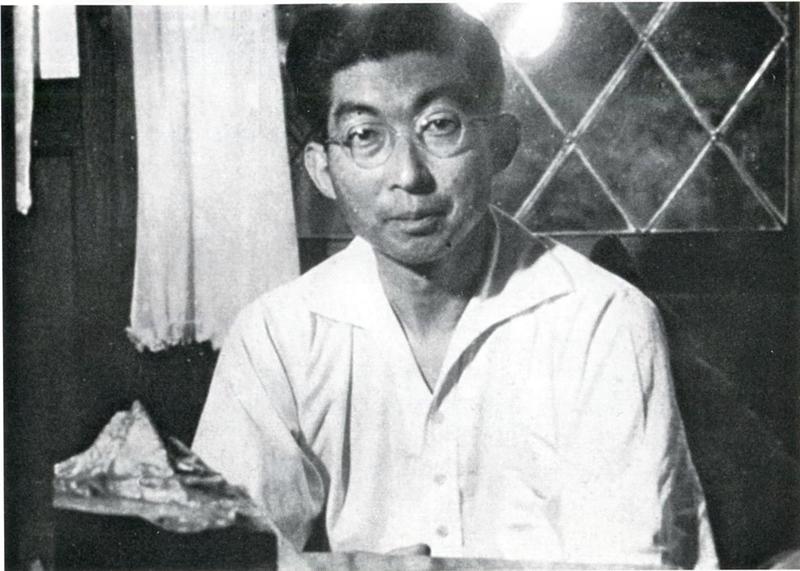
Prince Chichibu (1902-53), a younger brother of Emperor Showa, expressed his concerns over the Imperial Japanese Army's corrupt military discipline and strategies in the early days of the Sino-Japanese War (1937-45) in letters recently found among materials donated to a library, The Yomiuri Shimbun has learned.
The prince had served as an army officer in the war. He was known to not be in favor of the Sino-Japanese War from sources such as the testimony of people connected to the army. However, the existence of any writing in which he expressed his feelings about the war at that time had not been known even to researchers.
The two letters -- one on four sheets of paper dated Dec. 30, 1937, and the other on five sheets of paper dated Feb. 22, 1938 -- were addressed to Prince Kanin (1902-88), also an Imperial family member and an army officer who was serving in northern China at the time.
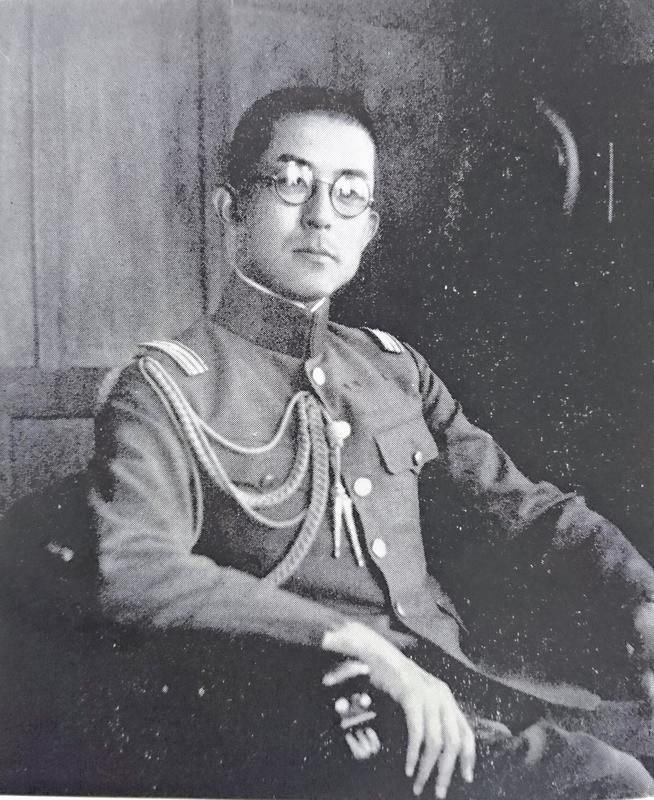
Prince Chichibu, despite serving in the general staff office, the Imperial Japanese Army's command center in Tokyo during the war, was critical of extending the battlefront in mainland China and called for a swift end to the action, according to his biography based on interviews of people close to him and published in 1972.
It was still the early days of the war when Nanjing, the capital of the Nationalist government in China, fell to the Imperial Japanese Army on Dec. 13, 1937, and the Nanjing Incident occurred. It is unclear whether members of the Imperial family in Tokyo were aware of the incident in detail, but in the Feb. 22 letter following the fall of Nanjing, the prince expressed concerns over the corrupt discipline of the Imperial Japanese Army.
One of the letters includes remarks that add weight to his desire for an end to the war. In the Dec. 30 letter, he raised questions over some of the acts by Japanese forces in China from the viewpoint of the foundation of "the friendship between Japan and China as well as peace in the Orient."
The letters are among the collection of materials kept by the Odawara City Library in Kanagawa Prefecture and have recently been confirmed by Akihiro Kajita, deputy curator of The Emperor Showa Memorial Museum in Tachikawa, Tokyo. Kajita previously served as the chief of the Compiling Division of the Imperial Household Agency's Archives and Mausolea Department.
"Like Emperor Showa, who hoped to achieve peace, Prince Chichibu was also aspiring to the realization of peace," Kajita said.
The latest discovery highlighted the prince's anguish over the war as the Imperial Japanese Army was split between those in favor of extending the battlefront in China and those against it.
"These are primary source materials written by Prince Chichibu during the Sino-Japanese War," said Nihon University Prof. Takahisa Furukawa, who specializes in modern and contemporary history. "They are extremely valuable as they show his true feelings."
Read more from The Japan News at https://japannews.yomiuri.co.jp/