Disaster under the waves: the race to save the coral of the Caribbean
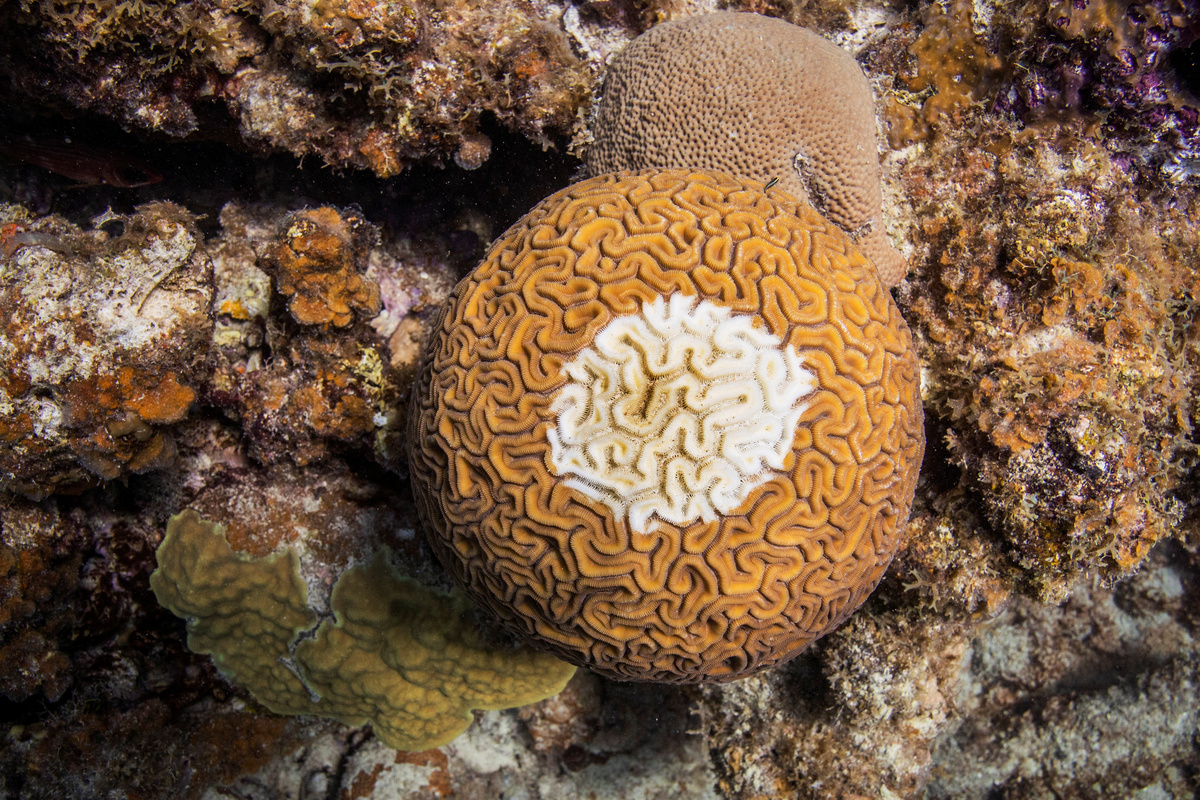
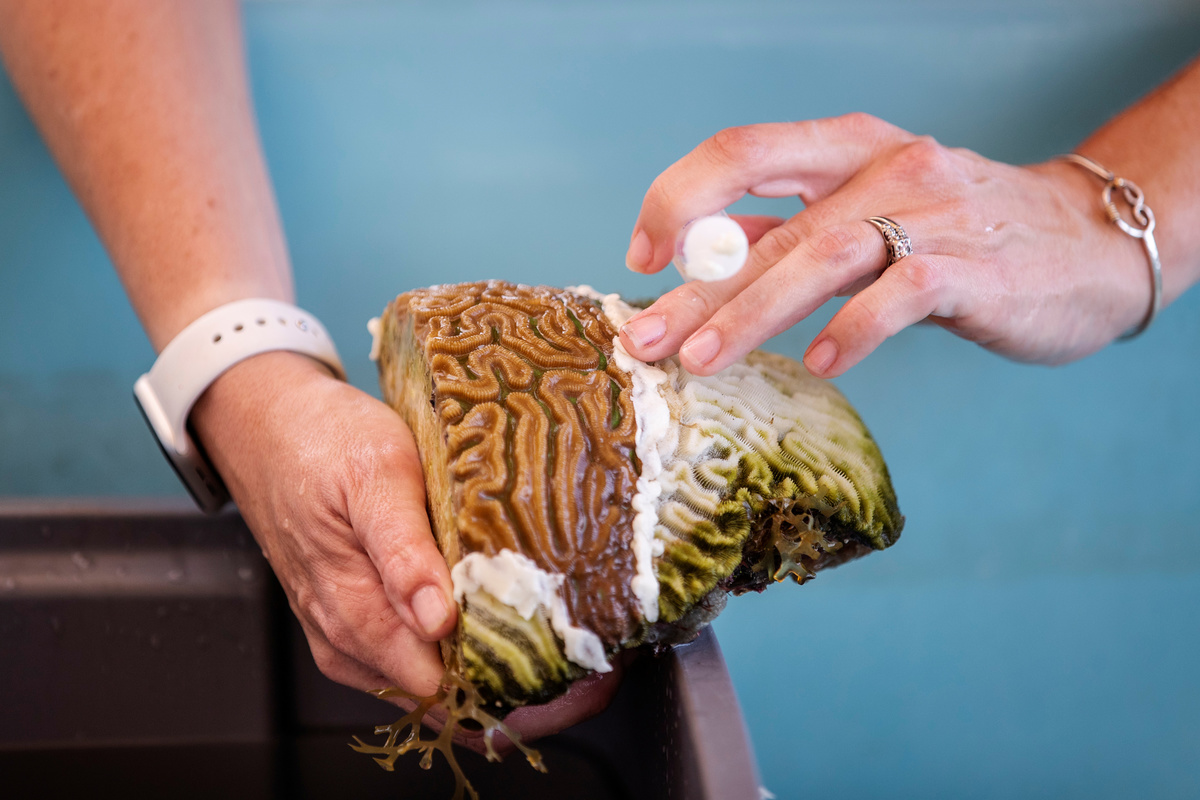
A colony of Diploria labyrinthiformis exhibits a loss of tissue from the Stony Coral Tissue Loss Disease (SCTLD) near the University of the Virgin Islands campus in St Thomas in the U.S. Virgin Islands, May 15, 2019. REUTERS/Lucas Jackson
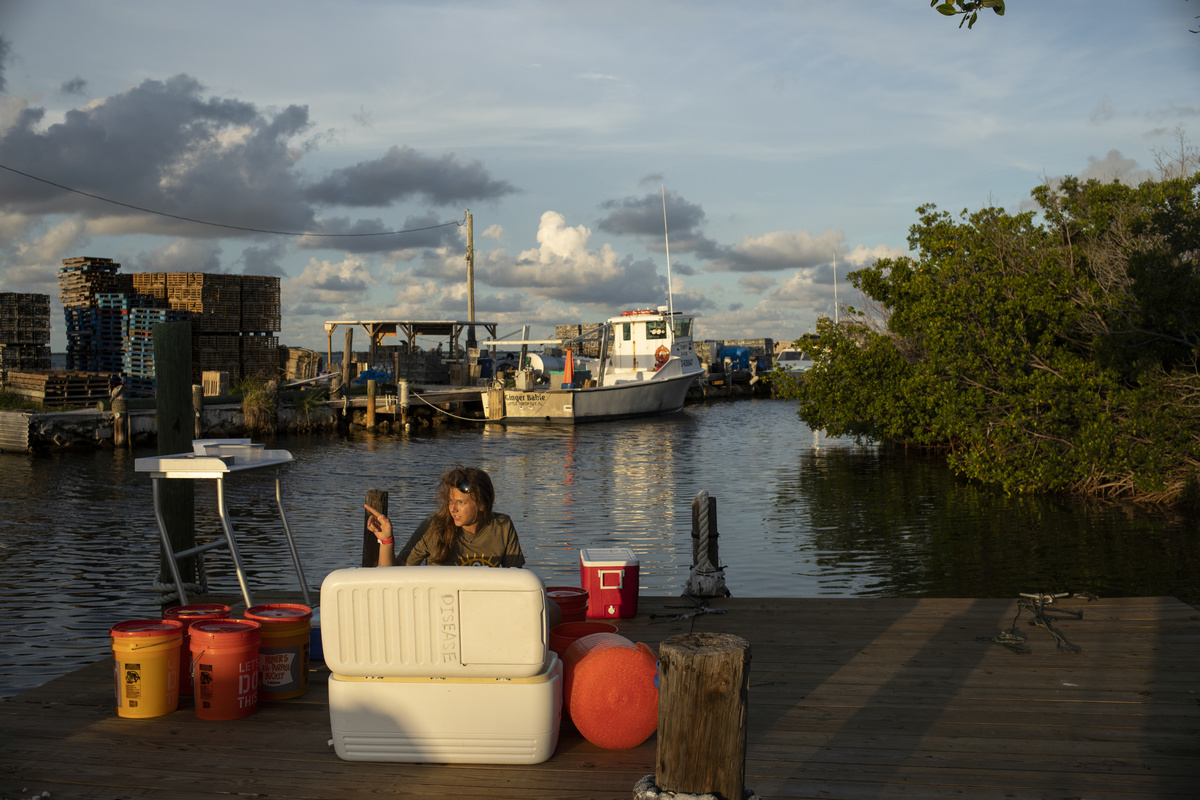
KEY WEST, Fla. (Reuters) - Emily Hower, a research assistant at Nova Southeastern University doing field work on coral off Key West in Florida, bobs up out of the water and removes her diving mask. The news is not good.
Most of the pillar coral that her team have been monitoring for years are dead.
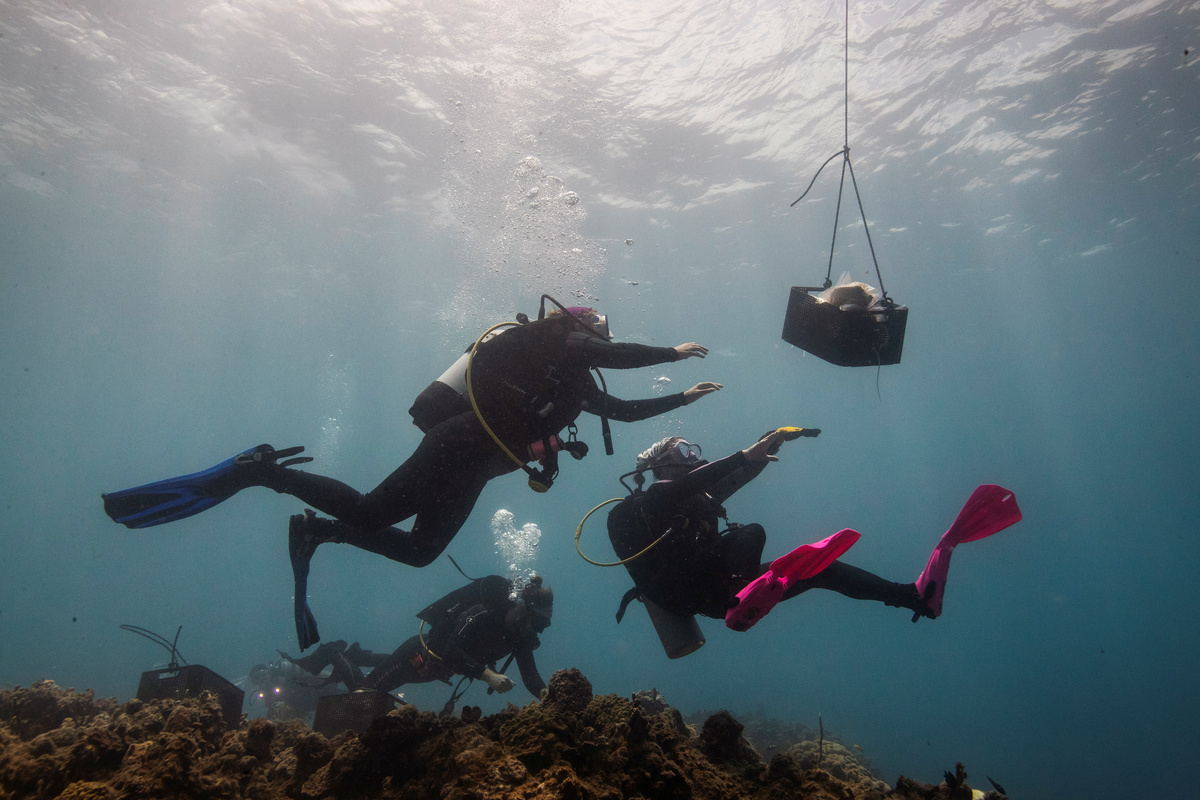
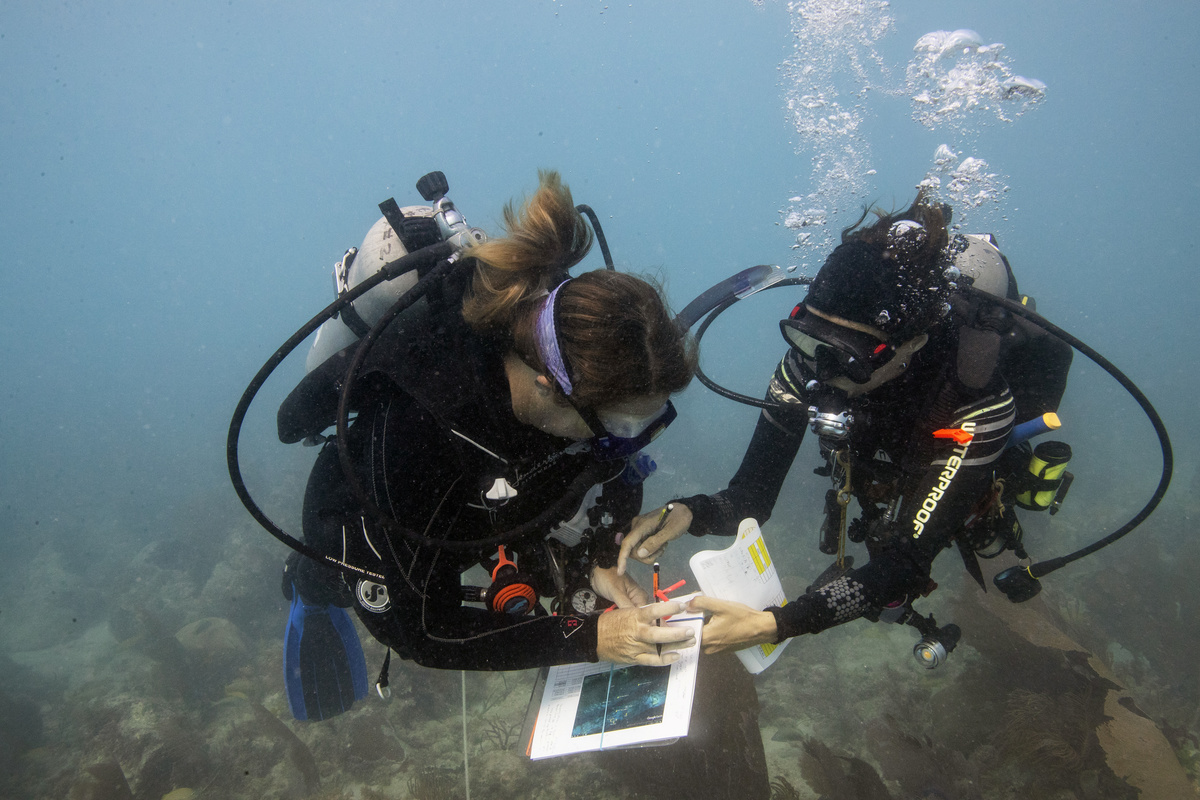
Research technician, Danielle Lasseigne (R), works with graduate students Kathryn Cableigh (L) and Bradley Arrington to remove corals afflicted by Stony Coral Tissue Loss Disease (SCTLD) on a dive near the University of the Virgin Islands campus in St Thomas in the U.S. Virgin Islands, May 15, 2019. REUTERS/Lucas Jackson
Hower and her colleagues are on a race against time to find what causes a disease dubbed Stony Coral Tissue Loss Disease, which since 2014 has been raging like an inferno through reefs under the deceptively calm blue paradise of the Caribbean.
In just five years, it has wreaked devastation on the fragile coral ecosystems that are already at risk of extinction from the effects of climate change.
Of 40 reef sites in the Florida Keys monitored by the Florida Fish and Wildlife Conservation Commission, 38 are already affected.
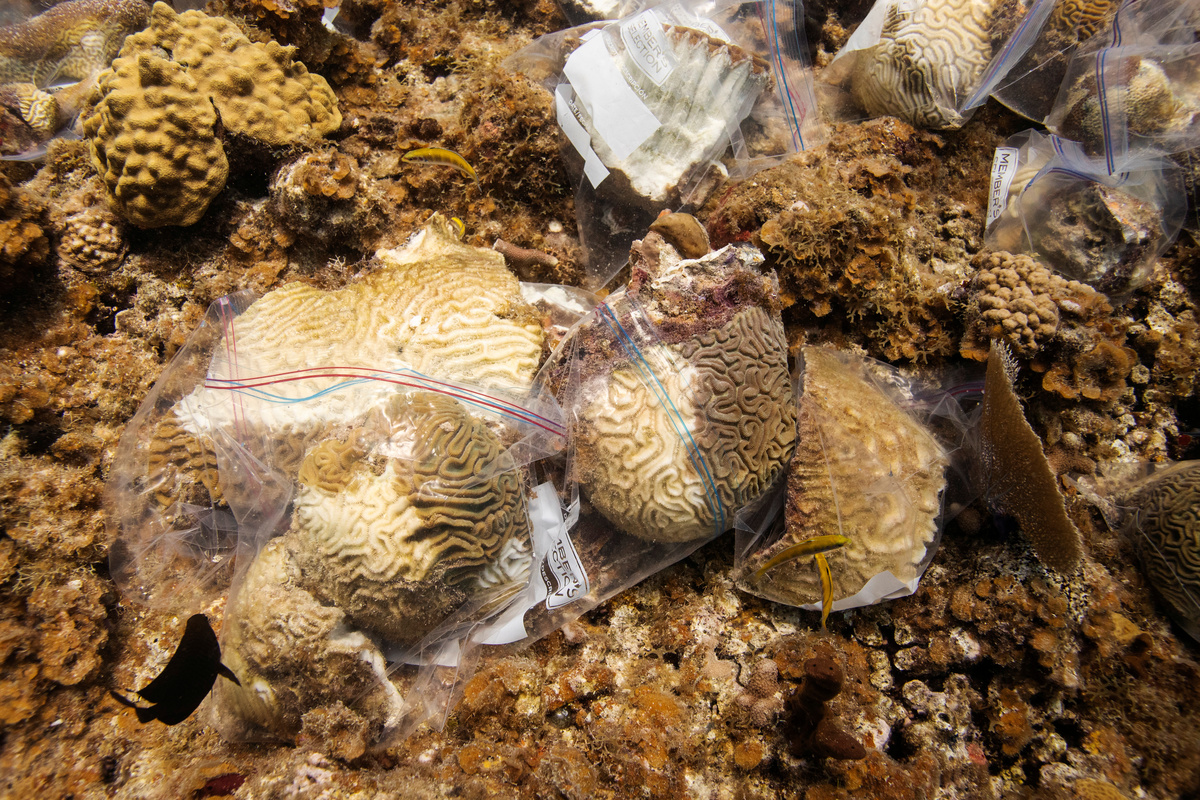
Different species of brain coral lie in ziplock bags to limit their ability to spread pathogens of the Stony Coral Tissue Loss Disease (SCTLD) near the University of the Virgin Islands campus in St Thomas in the U.S. Virgin Islands, May 15, 2019. REUTERS/Lucas Jackson
"It is a huge disaster that's going on underneath the waves," says Karen Neely, a coral ecologist at Nova. "This is on the level of the Amazon burning. It is on the level of a disease that's wiping out all of America's forests."
Stony Coral Tissue Loss Disease attacks the tissue of coral, transforming healthy, vibrant marine ecosystems into drab, dead worlds within weeks.
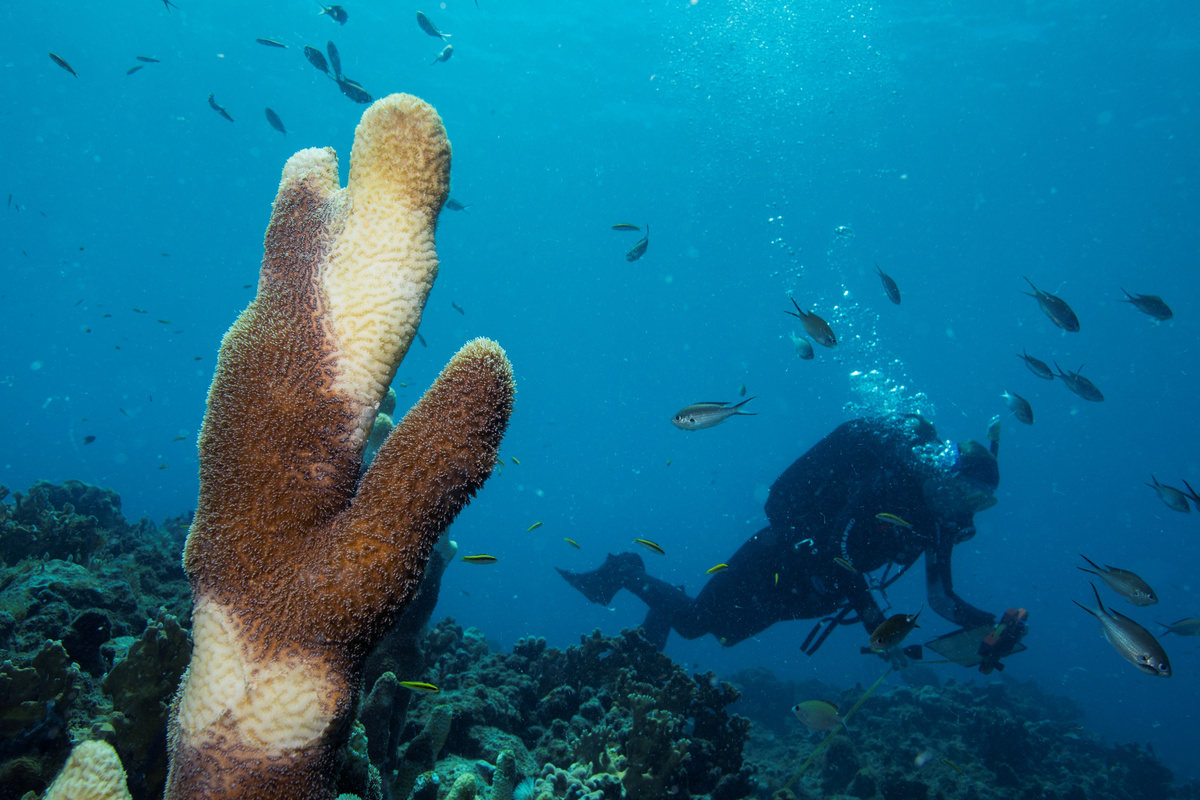
The disease has ravaged much of the Atlantic reef off Florida, spread across parts of the Caribbean, and has recently been reported near Belize in central America. Pillar coral, whose clusters of spiky fingers appear to reach up from the sea bed, is "reproductively extinct" off the Florida coast, says Keri O'Neil, chief coral scientist at the Florida Aquarium.
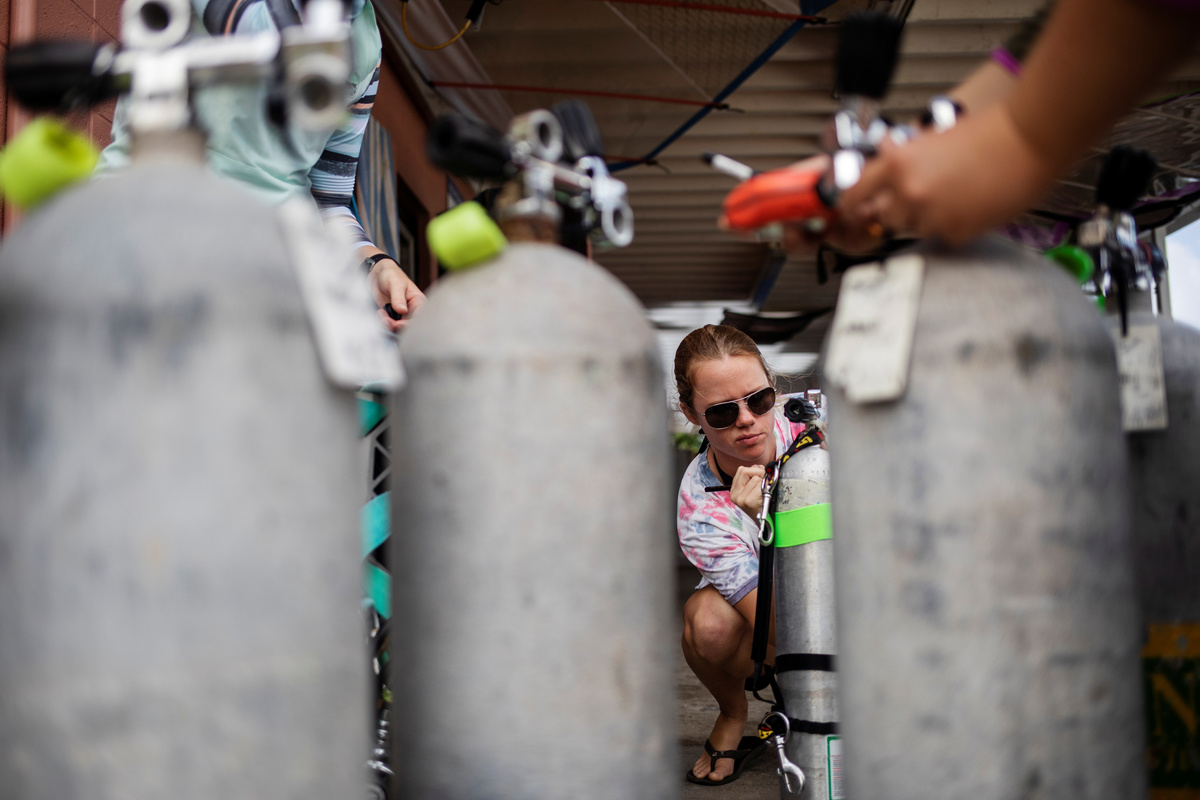
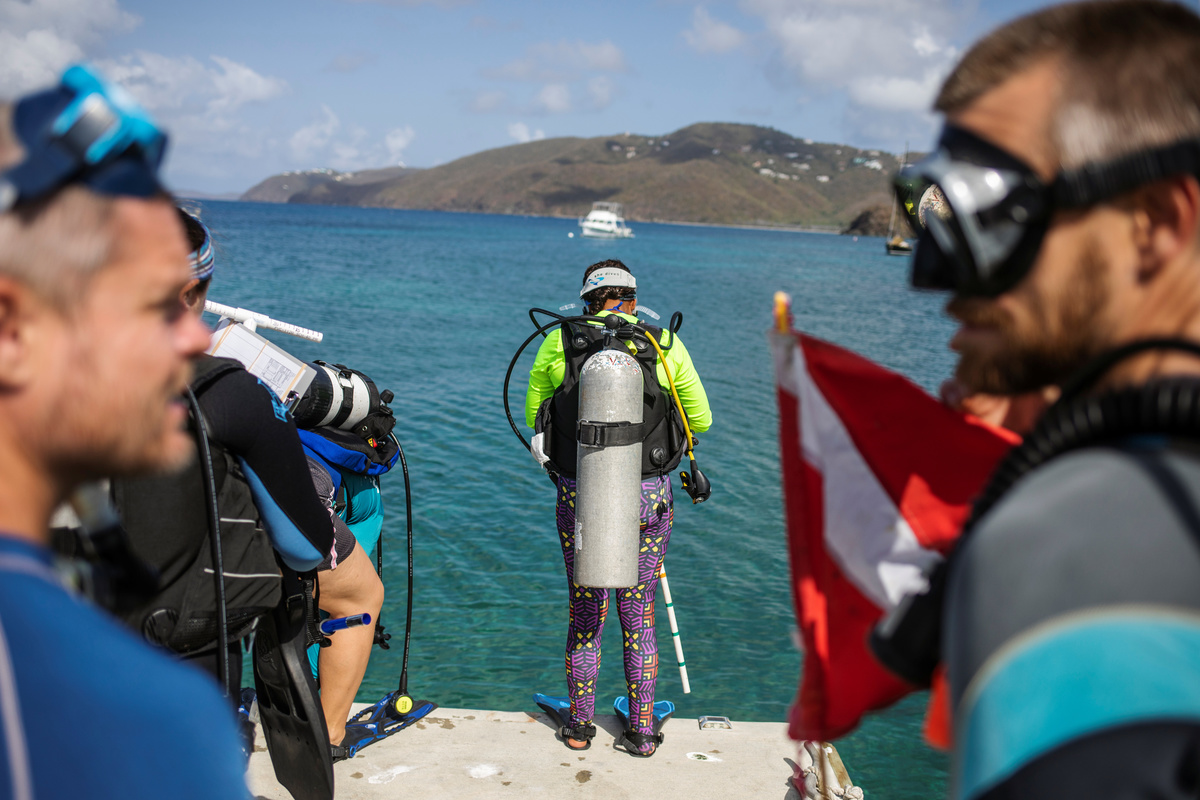
Graduate student, Naomi Huntley, prepares diving tanks before taking part in a dive to inspect corals being killed by Stoney Coral Tissue Loss Disease (SCTLD) near the University of the Virgin Islands campus in St Thomas in the U.S. Virgin Islands, May 15, 2019. REUTERS/Lucas Jackson
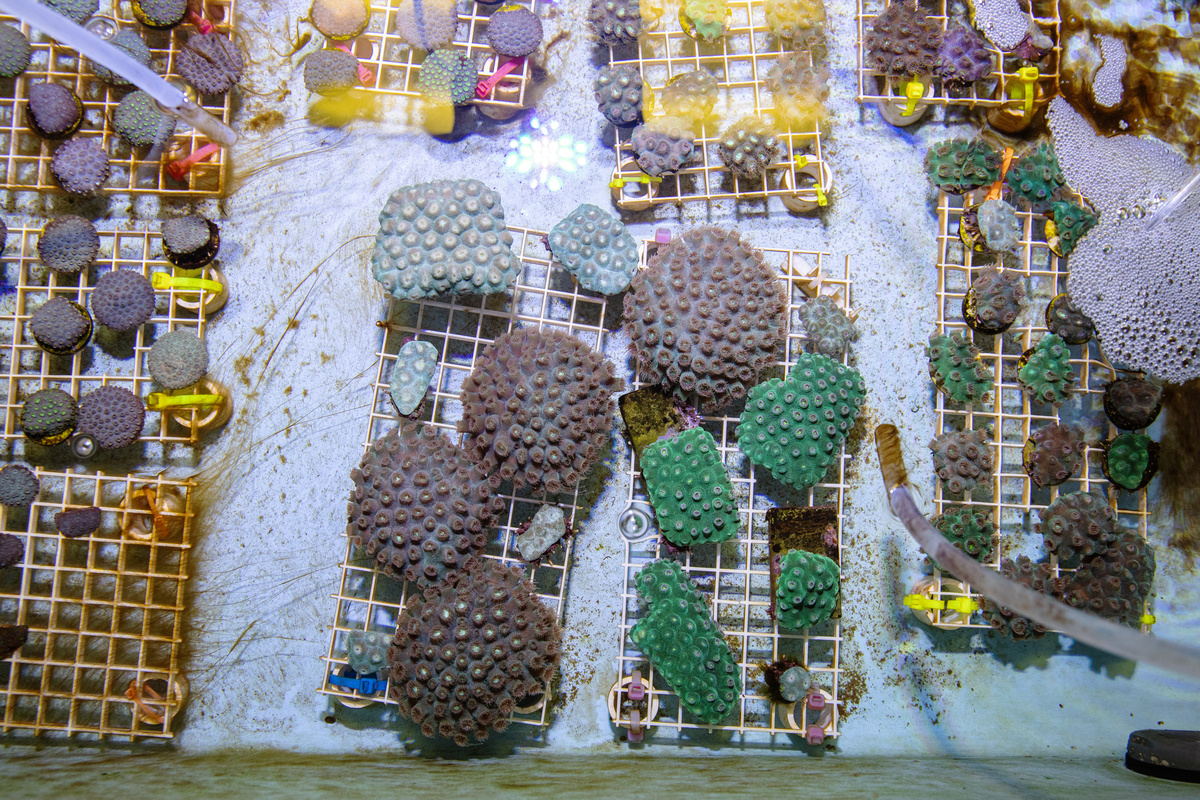
At the aquarium, a rare ray of hope comes from a room that has the lights off for much of the year. Here, an elaborate and expensive system of LED lights is designed to emulate sunrises, sunsets and phases of the moon to coax pillar coral in tanks into reproducing as if they were in the ocean.
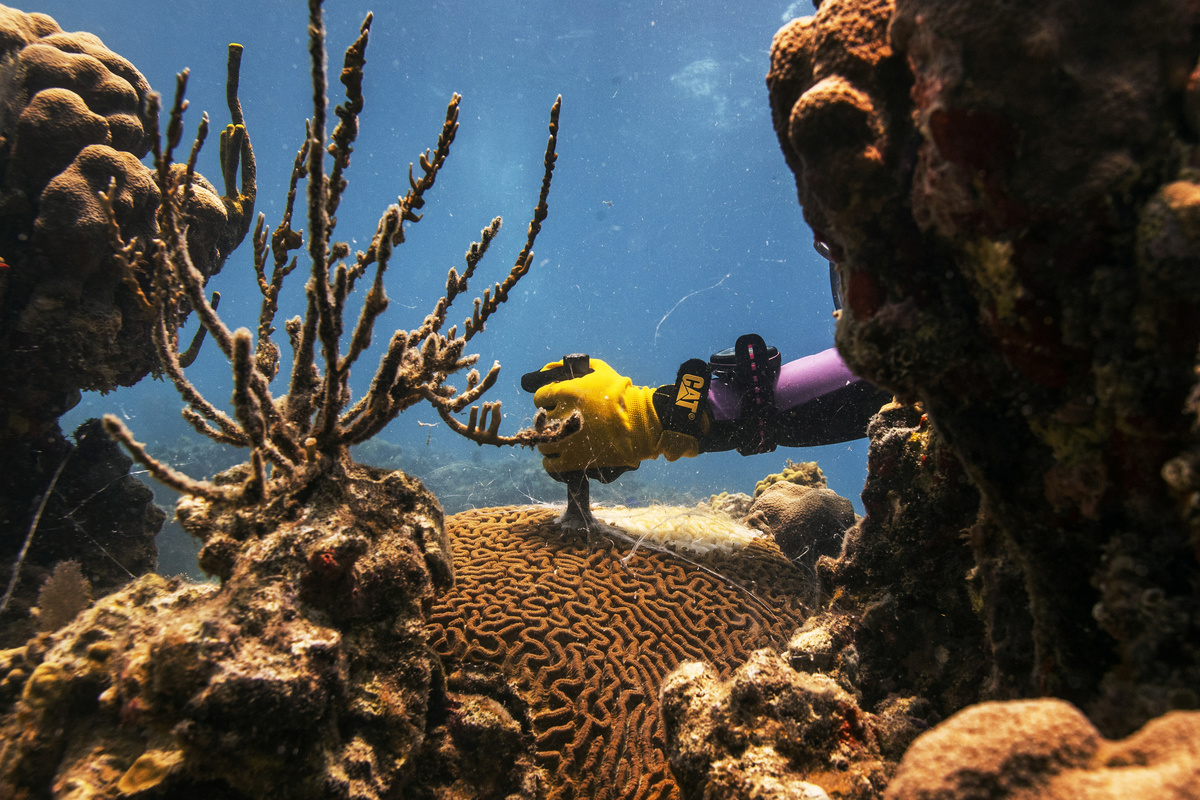
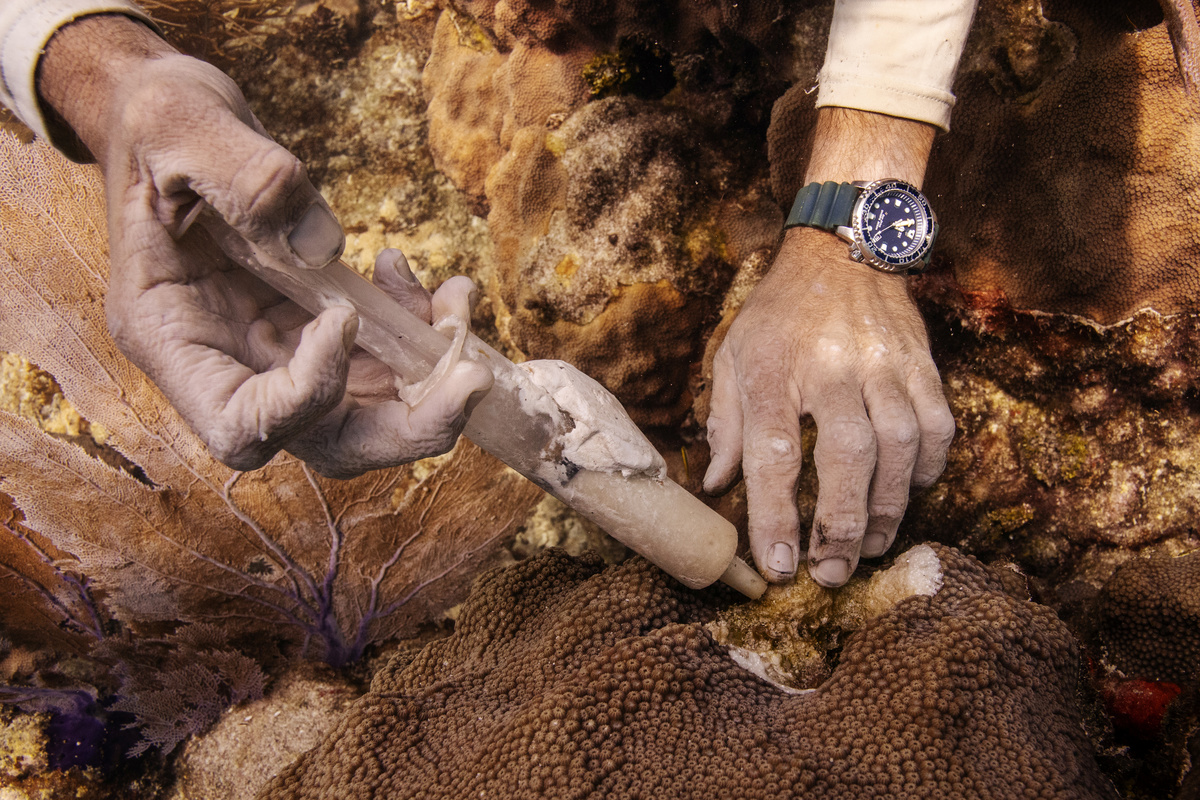
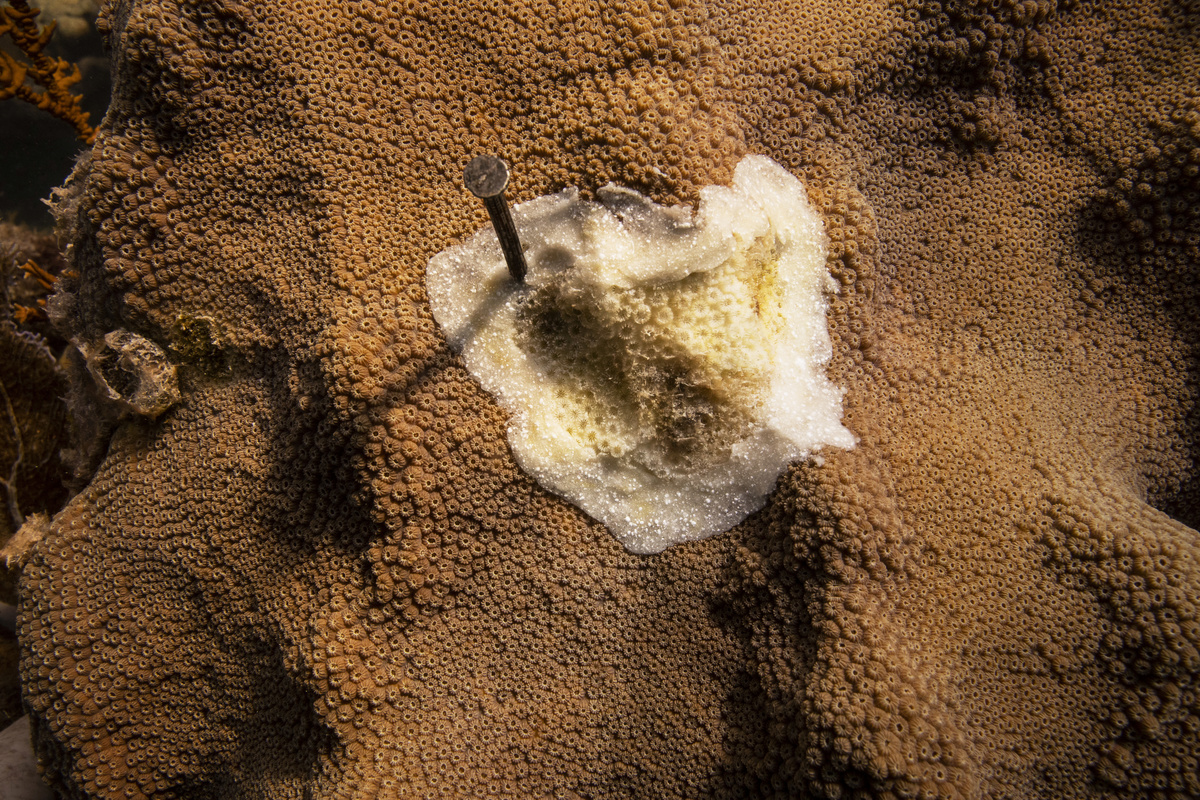
Neely's team has also been laboriously applying a paste combined with amoxicillin to the coral, which they say has been effective in treating the disease.
Stony Coral Tissue Loss Disease kills over 20 species of coral, including most of the important ones that build the reef, hold it together and protect the shoreline, says Neely.
Marilyn Brandt, a research associate professor at the University of the Virgin Islands' Center for Marine and Environmental Studies, applies an antibiotic paste to corals being killed by Stony Coral Tissue Loss Disease (SCTLD) near the University of the Virgin Islands campus in St Thomas in the U.S. Virgin Islands, May 14, 2019. REUTERS/Lucas Jackson
Scientists are working together to try to find solutions. A Disease Advisory Committee has been set up to help coordinate and scientists are performing fieldwork to bolster each others' research. They are, they say, like first responders at the scene of a disaster.
Despite that, little is known yet about what causes the disease. In Sarasota, Erinn Muller and her team at the Mote Marine Laboratory's Coral Reef Research & Restoration Center are among those trying to identify the pathogen behind it and how it spread from Florida to the Caribbean. "We're getting these jumps and so that would suggest that there's some type of human influence that is allowing that jump to occur," says Muller.
Near the start of 2019, it was spotted off the coast of the Virgin Islands. There, Marilyn Brandt of the University of the Virgin Islands' Center for Marine and Environmental Studies and her graduate students are ripping out the diseased coral to try to stop it spreading.
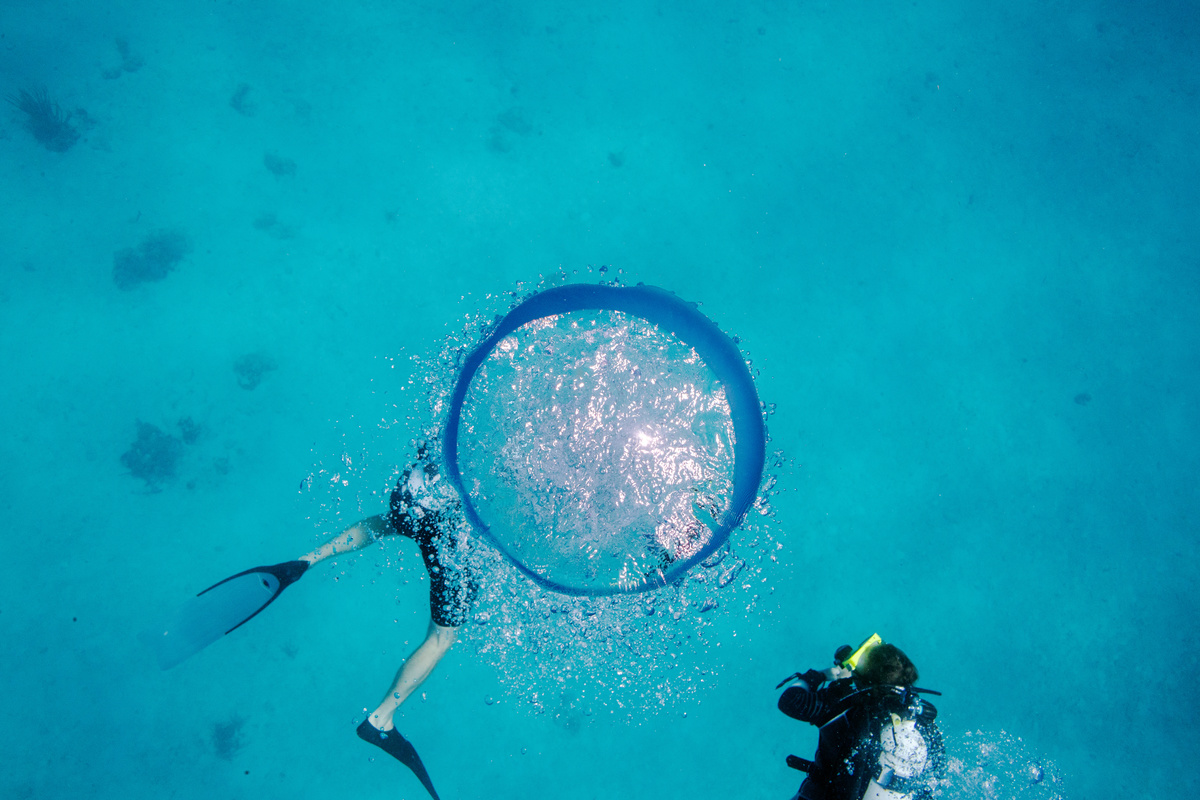
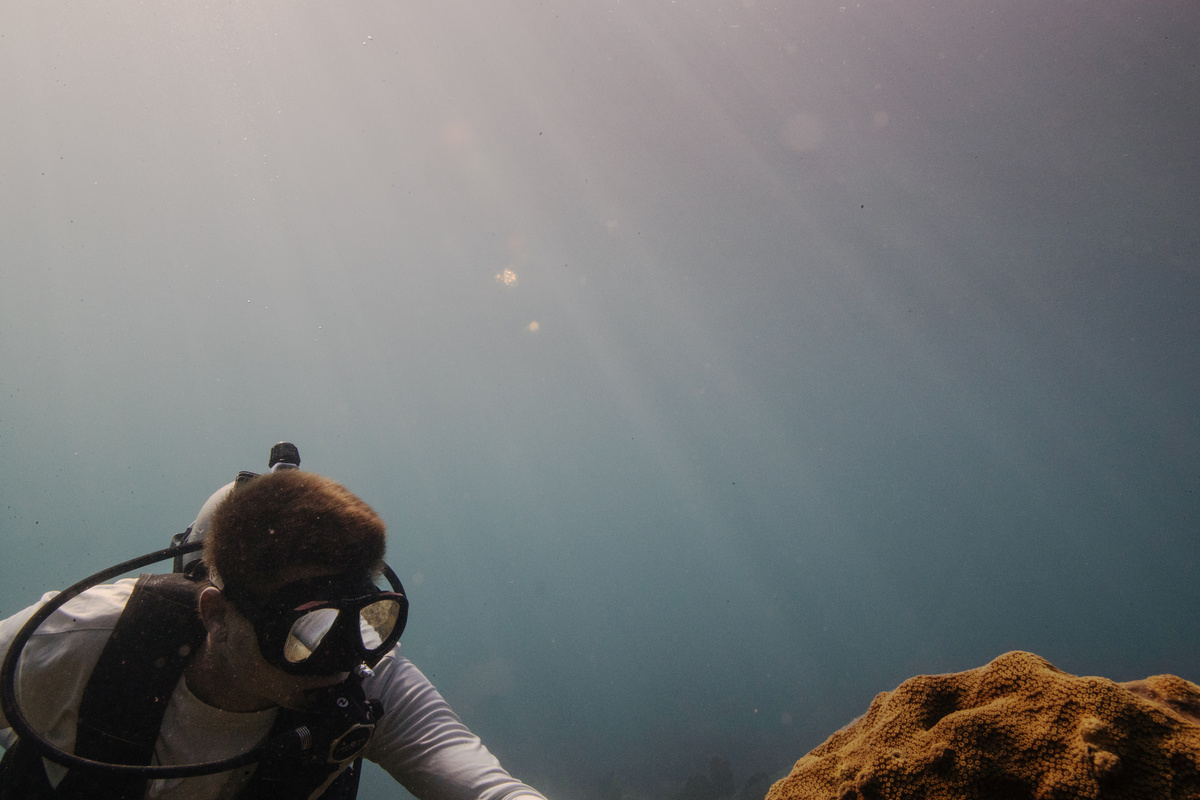
An air bubble rises from the regulator of graduate student Bradley Arrington (L) as he and Jeanne Bloomberg swim through the water to inspect a reef for signs of Stony Coral Tissue Loss Disease (SCTLD) on a dive near the University of the Virgin Islands campus in St Thomas in the U.S. Virgin Islands, May 16, 2019. REUTERS/Lucas Jackson
Her team - like Neely's and others - are joining forces and working frantically to prevent the loss of this delicate and complex underwater world, with its iridescent colours and rippling textures.
Such a loss would represent "a loss of biodiversity which could be a source for future medicines, the loss of fisheries, the loss of tourism value," says Brandt. "A lot of Caribbean islands have part of their culture based around coral reefs and if you lose those reefs you lose an aspect of their culture."
Graduate students and volunteers take part in a dive to familiarise themselves with methods used in the National Coral Reef Monitoring Program near the University of the Virgin Islands campus in St Thomas in the U.S. Virgin Islands, May 14, 2019. REUTERS/Lucas Jackson
Photo essay here https://widerimage.reuters.com/story/the-race-to-save-the-coral-of-the-caribbean
Marilyn Brandt, a research associate professor at the University of the Virgin Islands' Center for Marine and Environmental Studies, swims past a Pillar coral (Dendrogyra cylindricus) showing tissue loss caused by Stony Coral Tissue Loss Disease (SCTLD) near the University of the Virgin Islands campus in St Thomas in the U.S. Virgin Islands, May 17, 2019. REUTERS/Lucas Jackson
(Reporting by Lucas Jackson, Editing by Rosalba O'Brien)
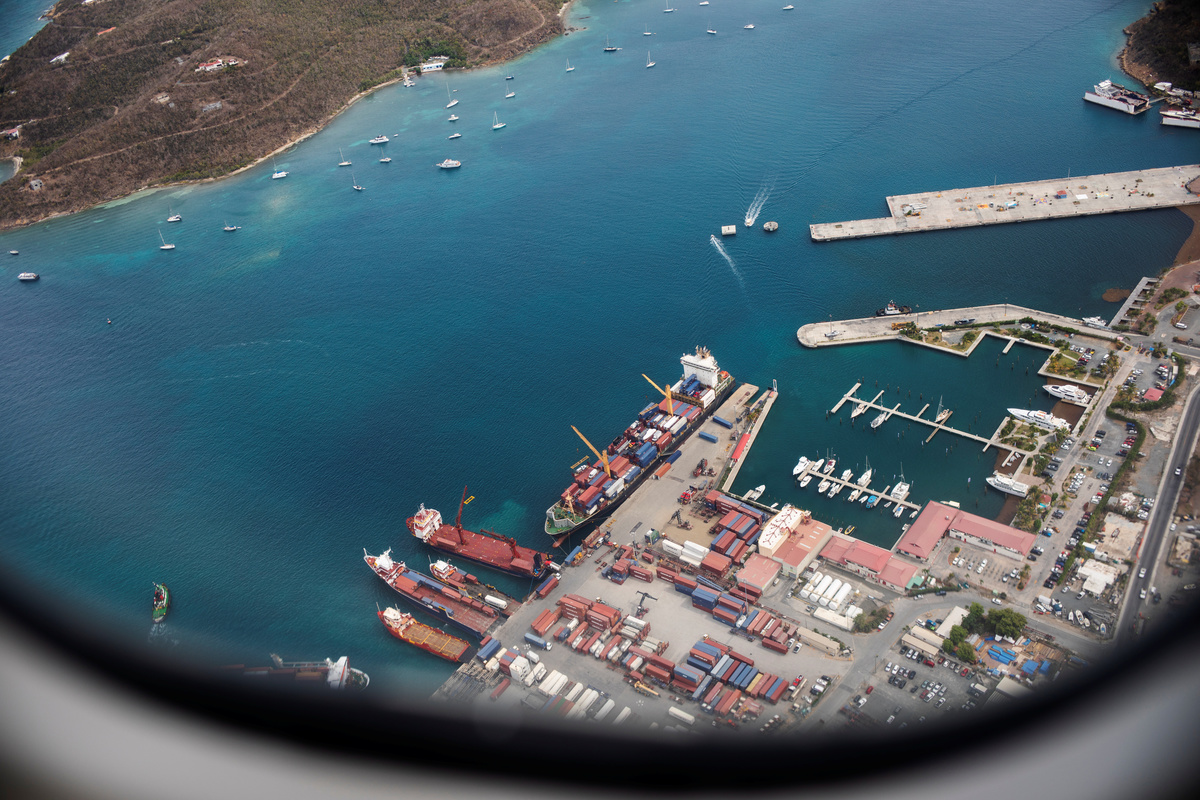
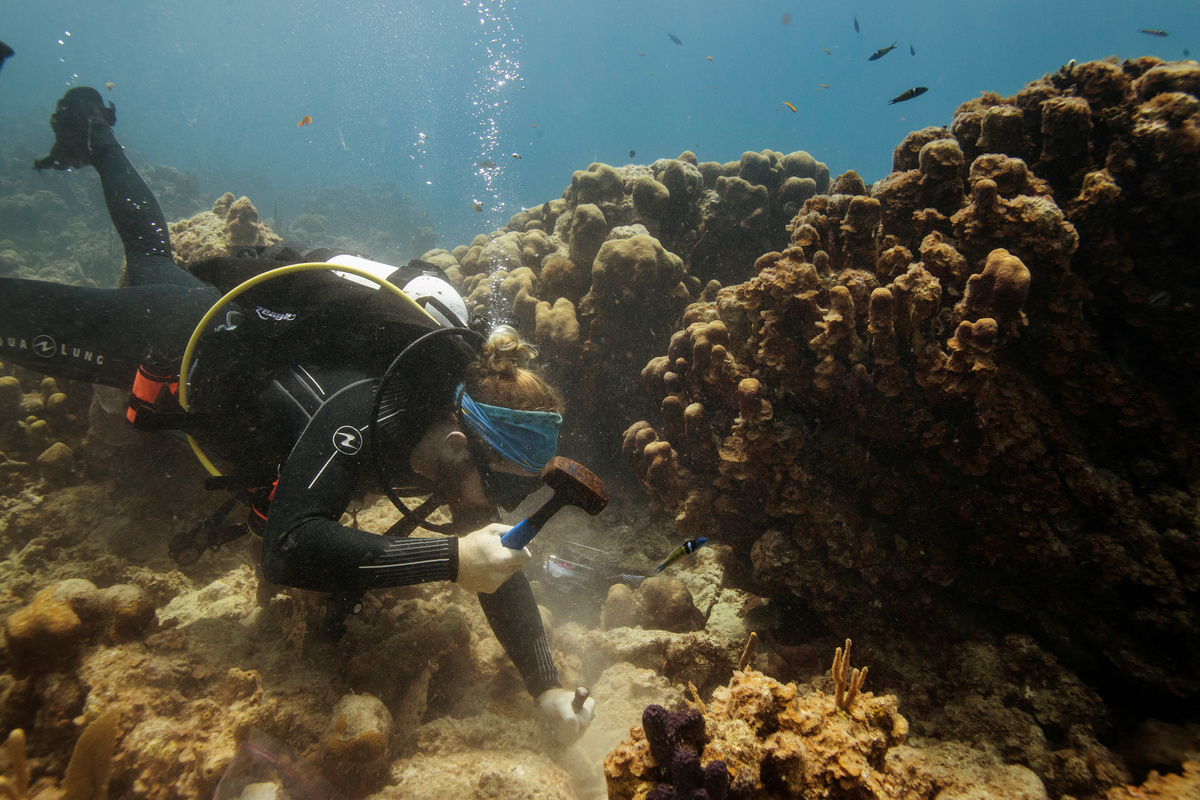
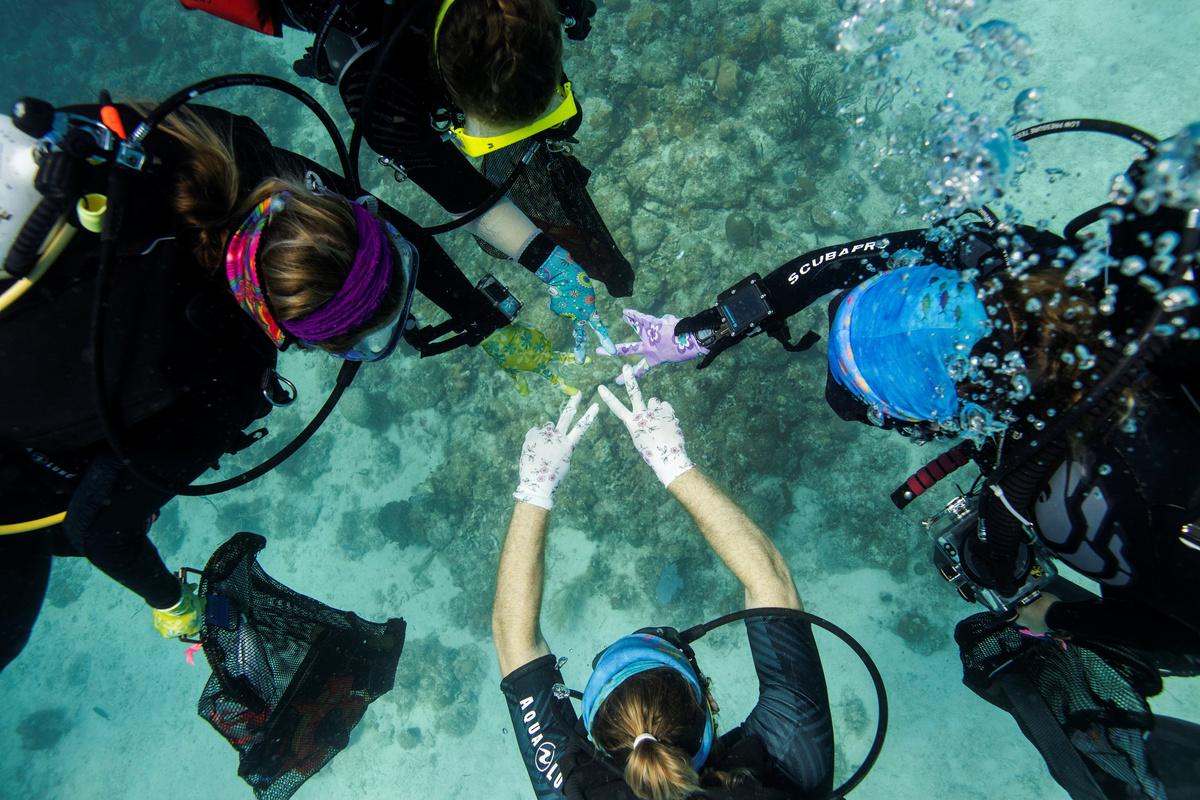
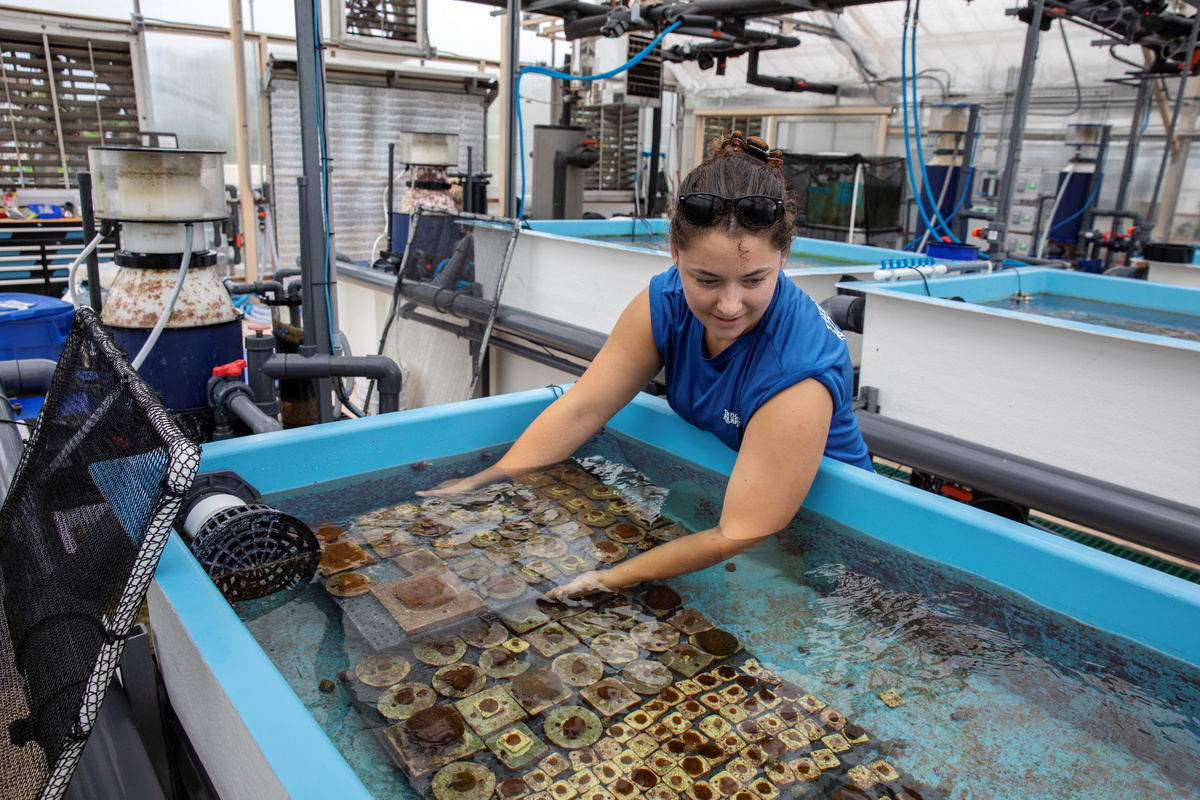
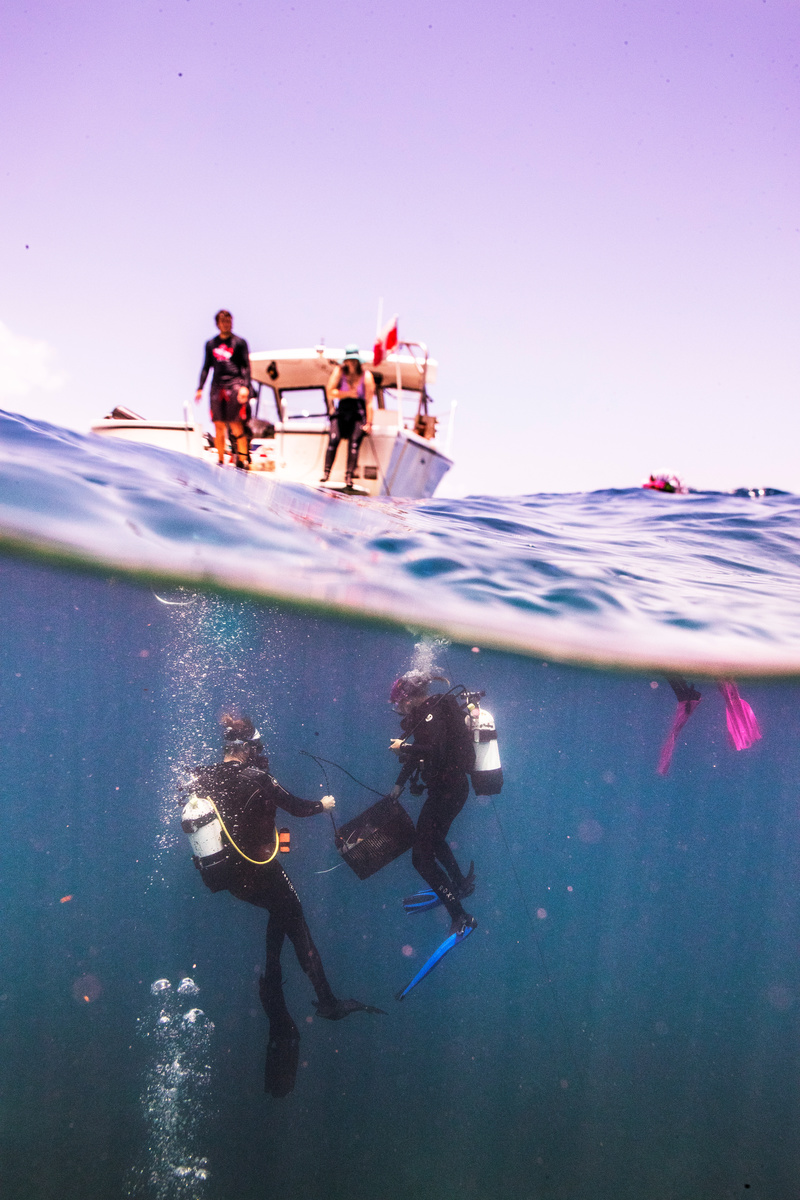
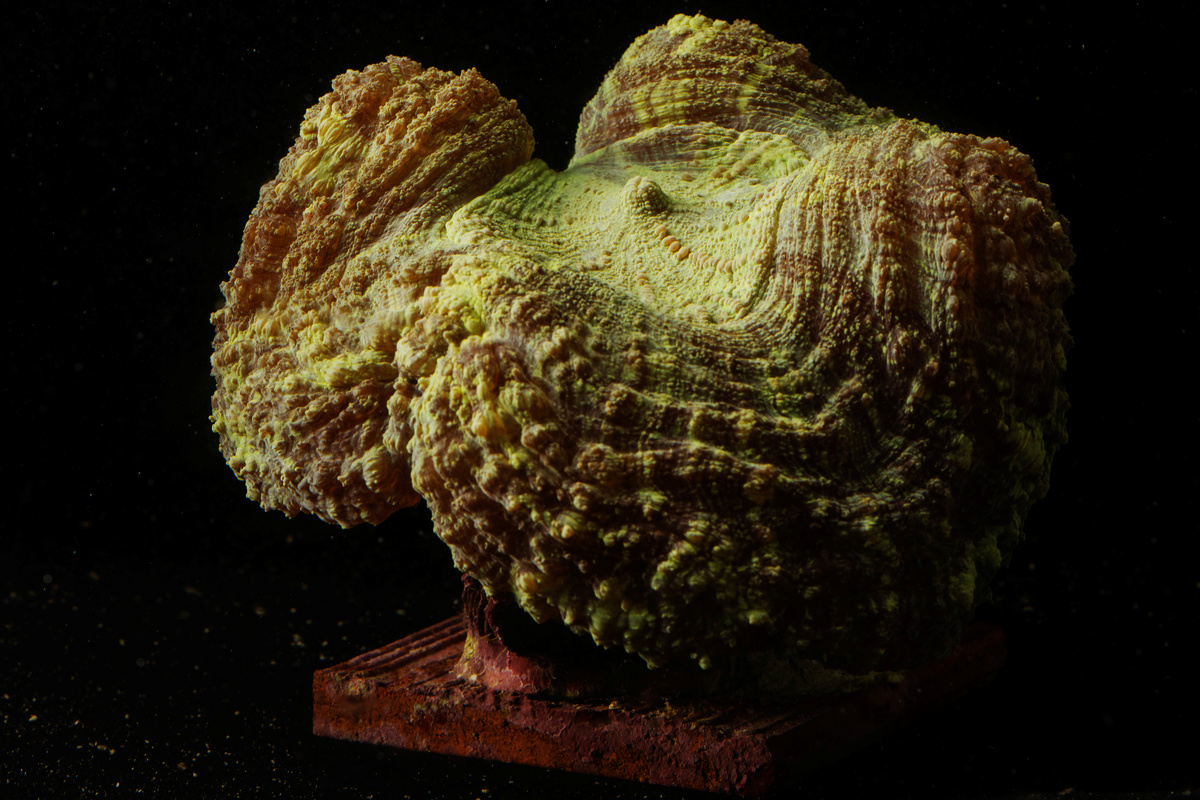
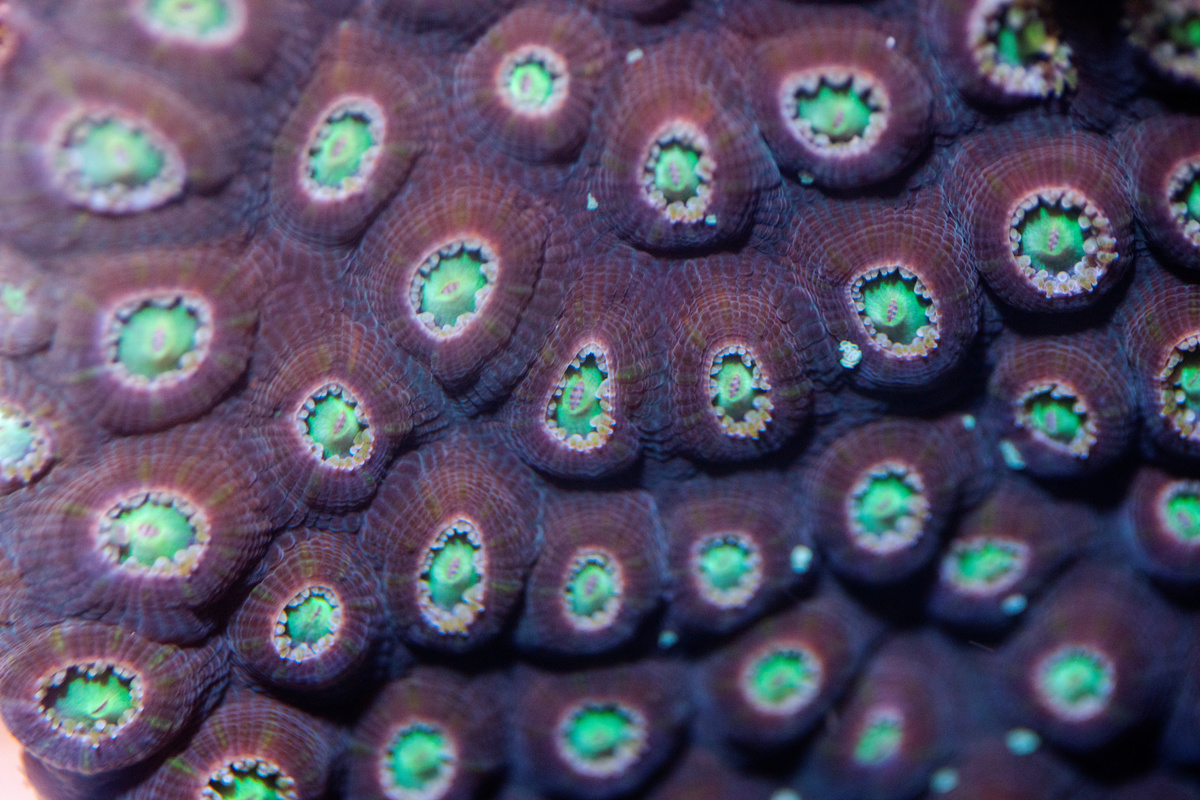
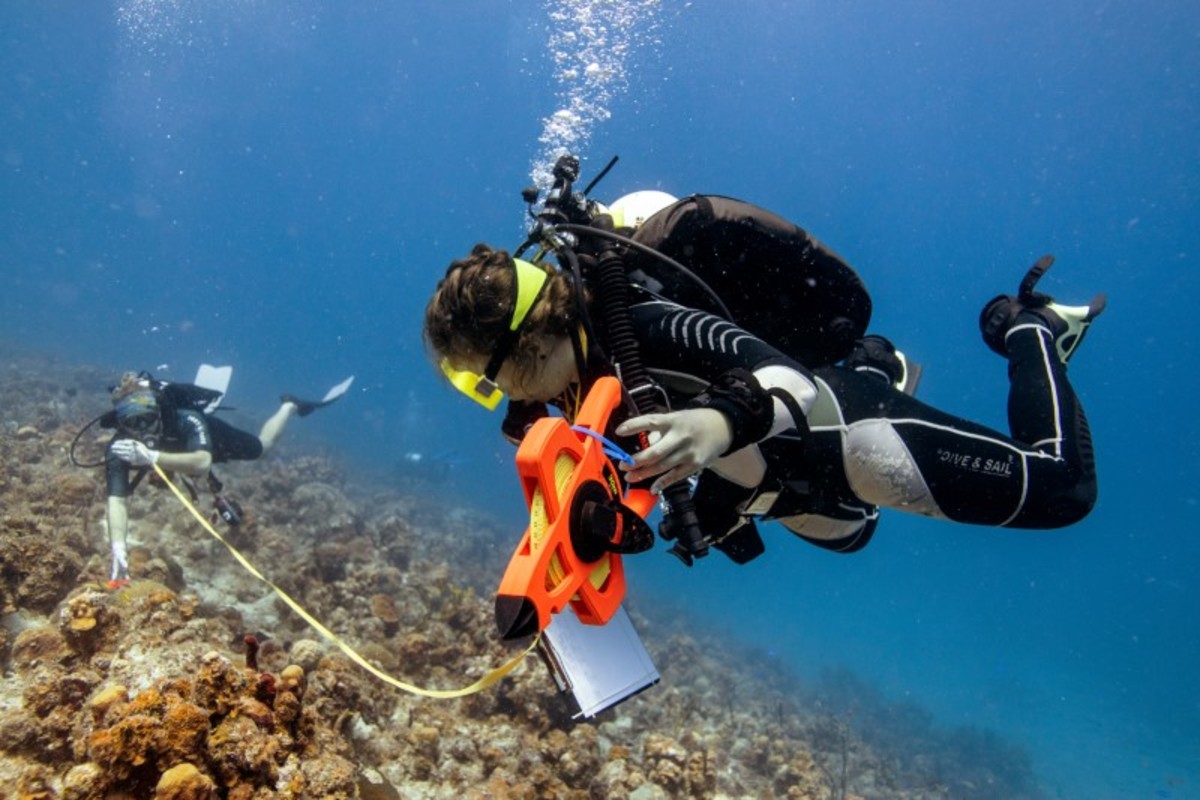
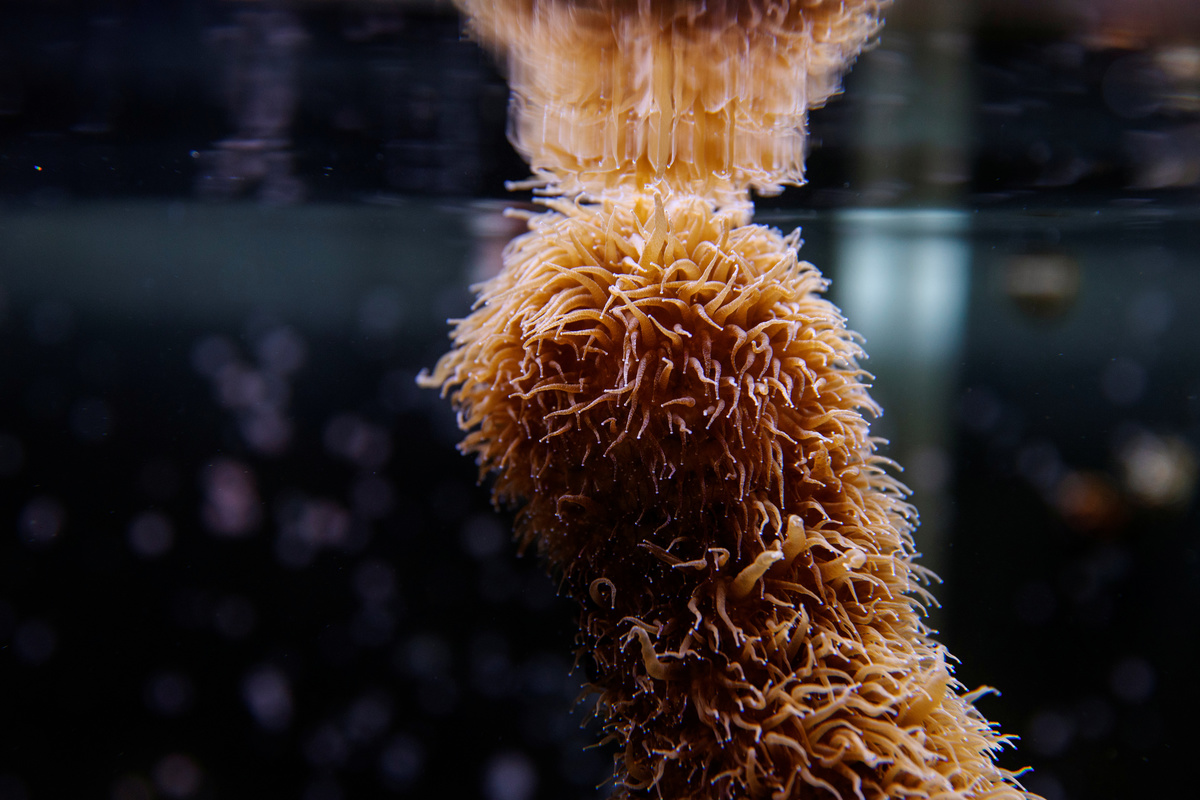
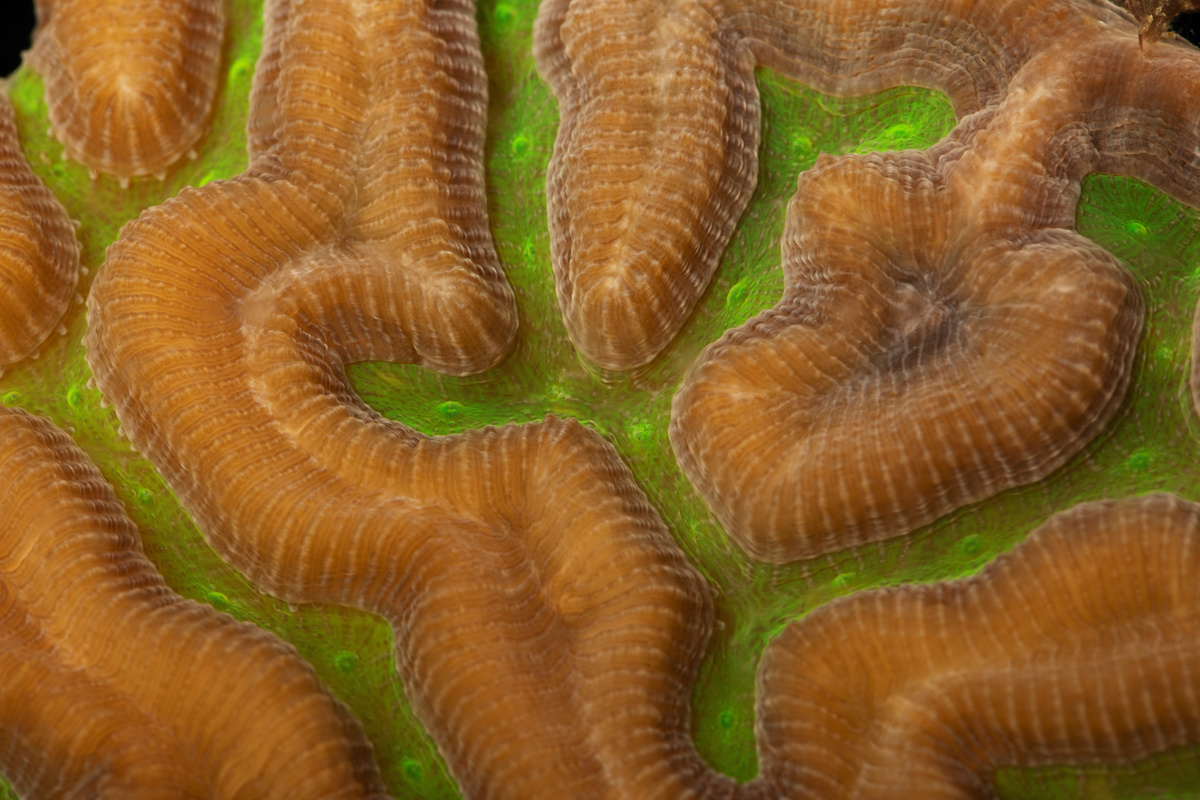
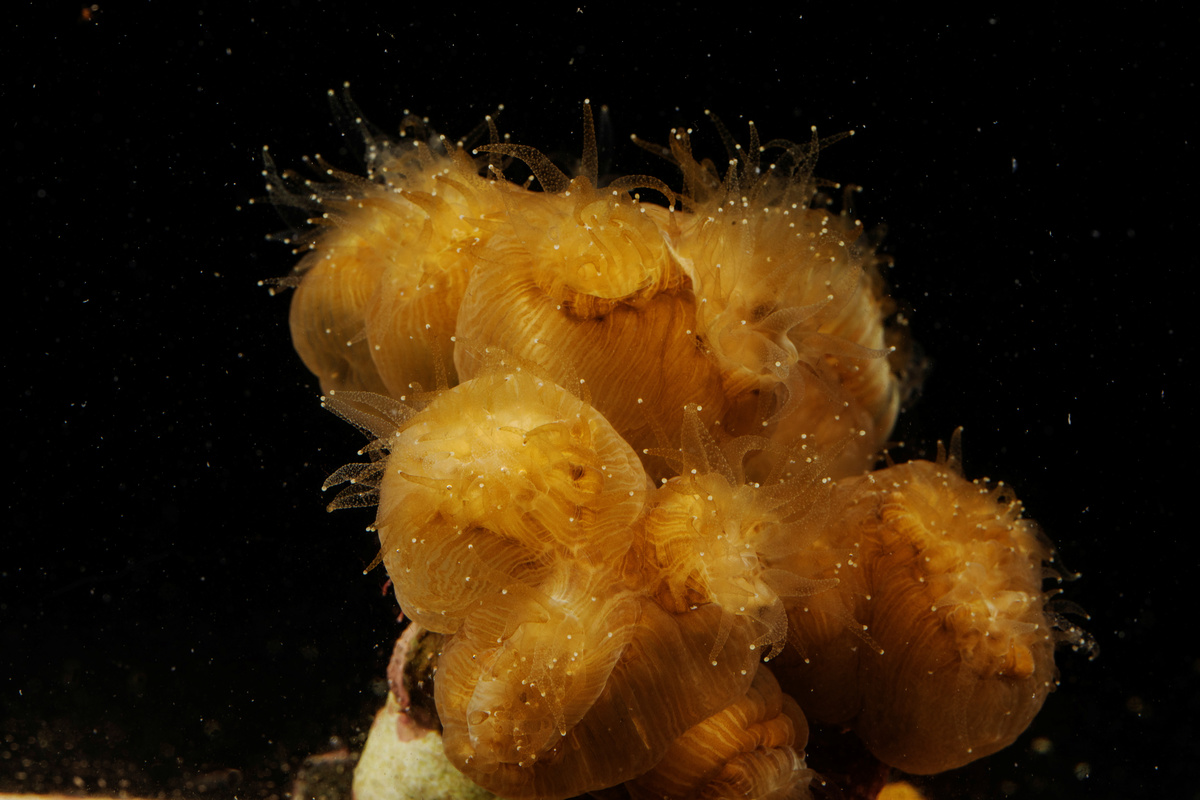
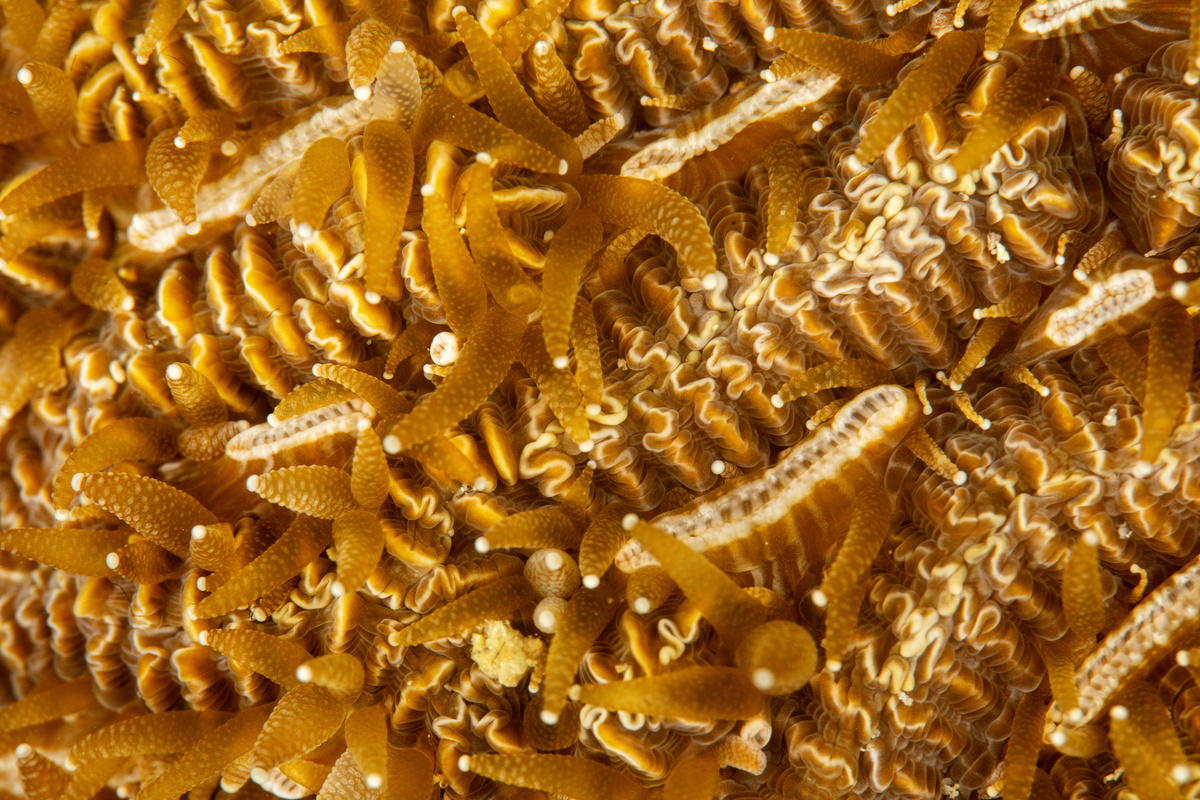
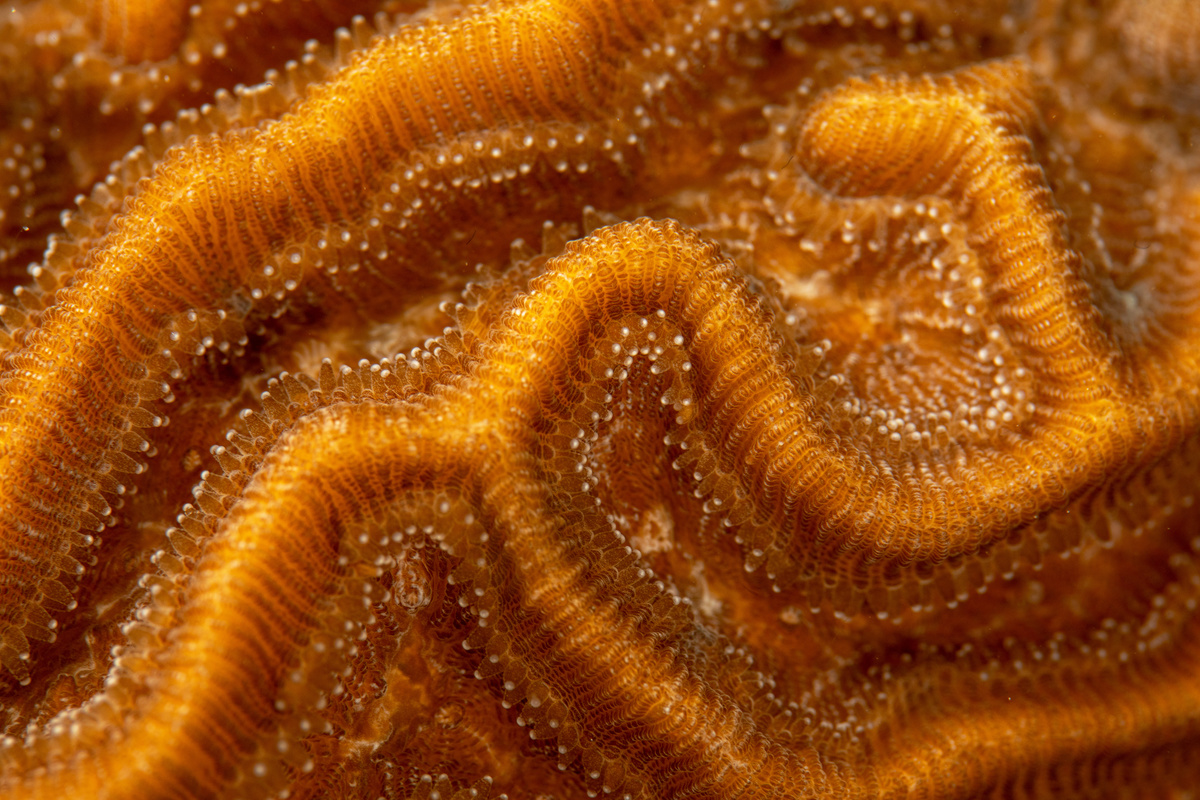
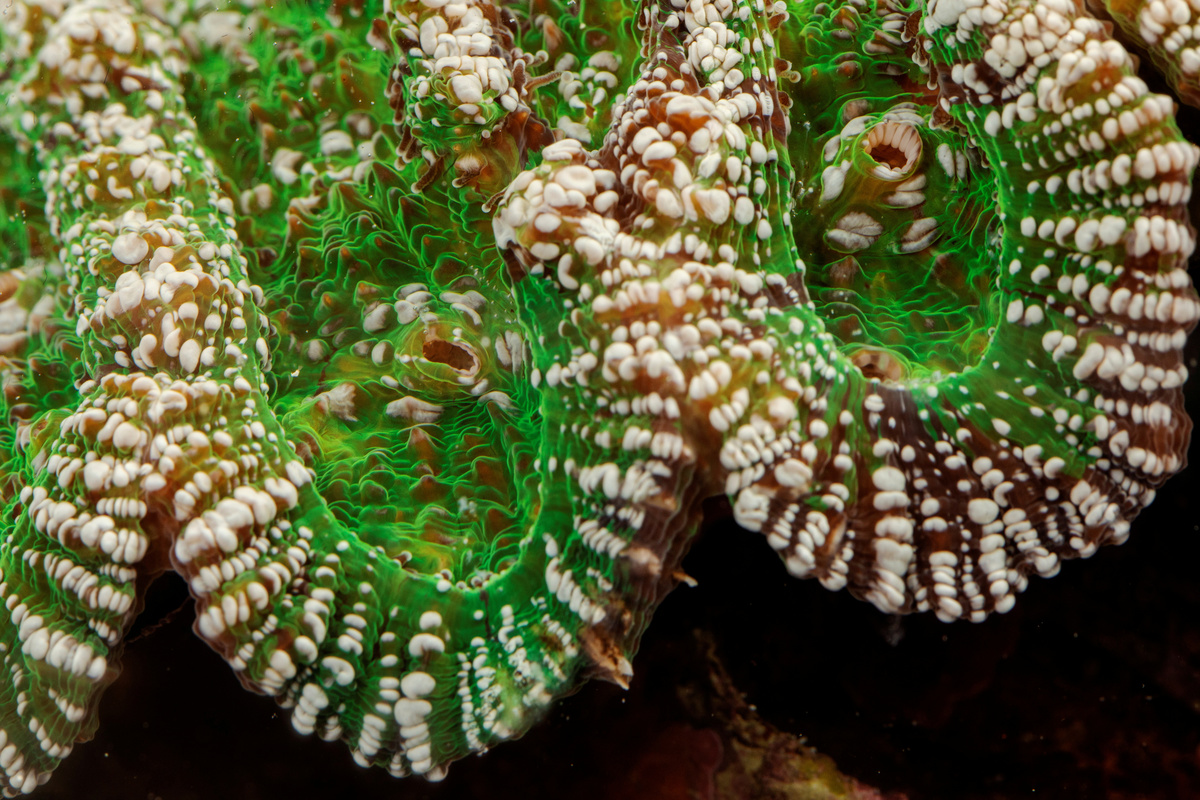
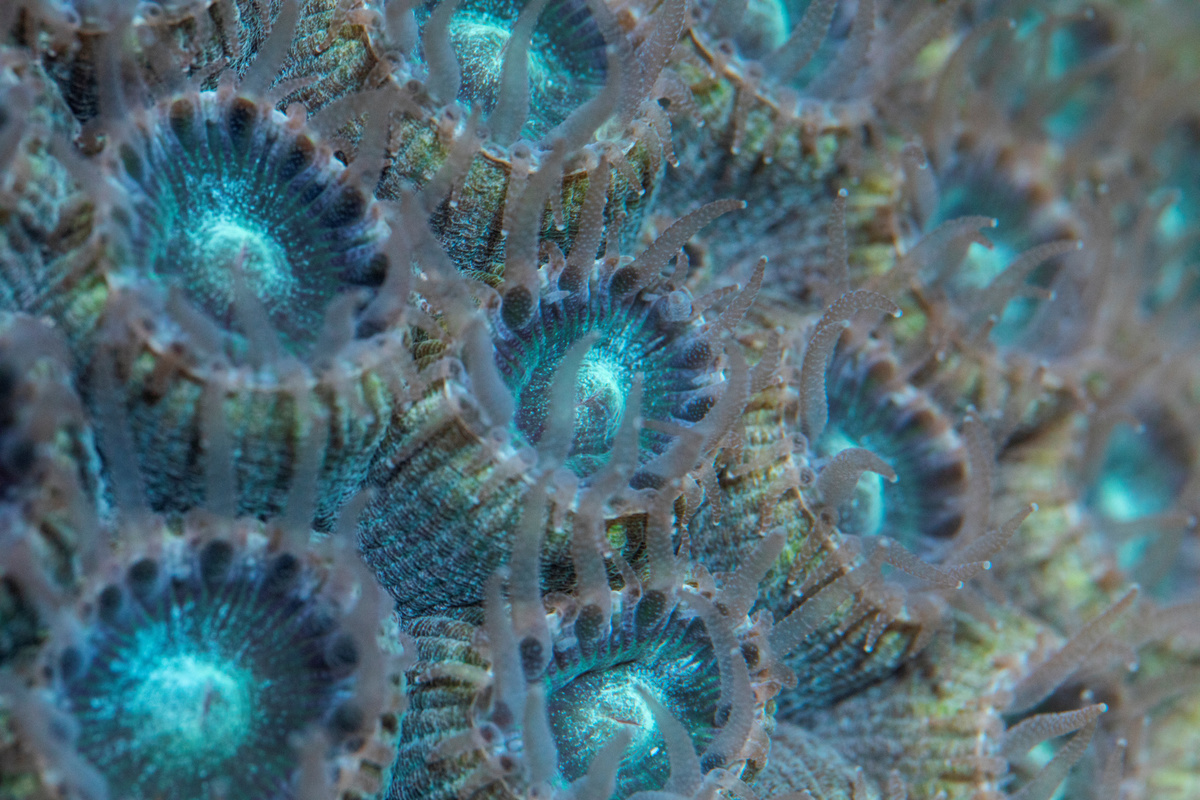
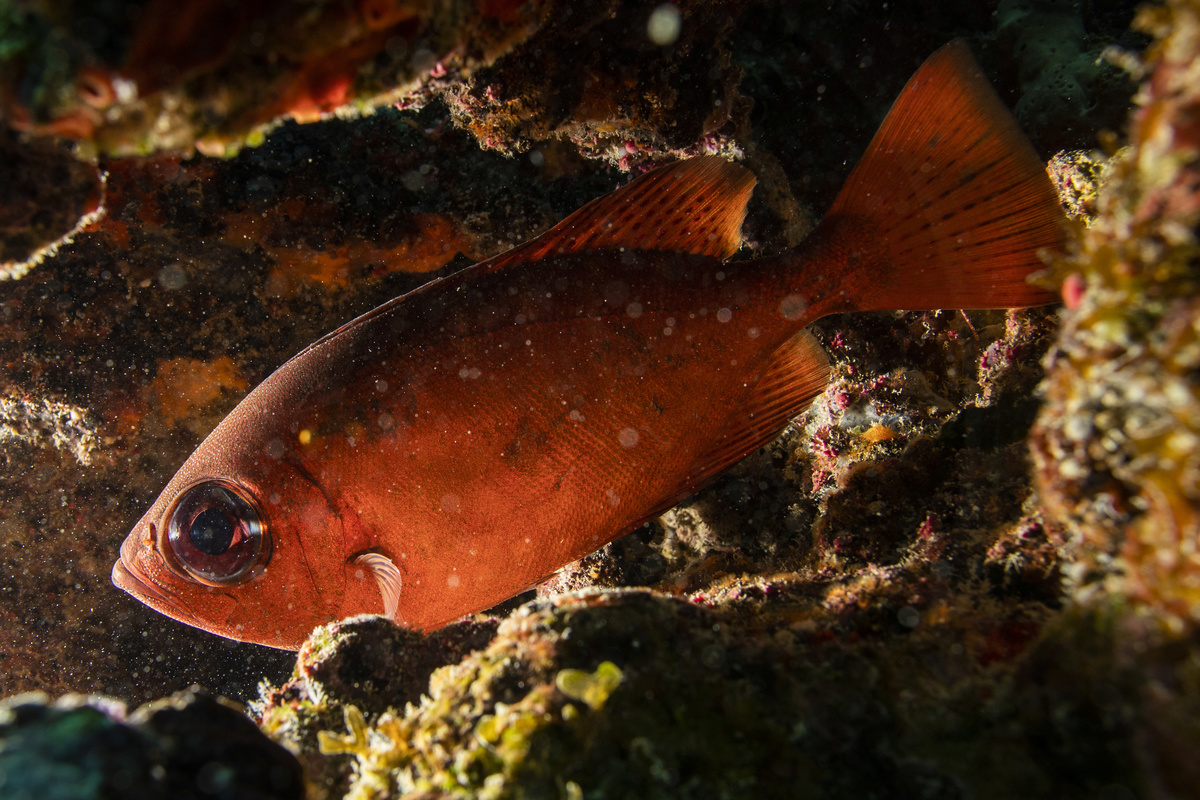
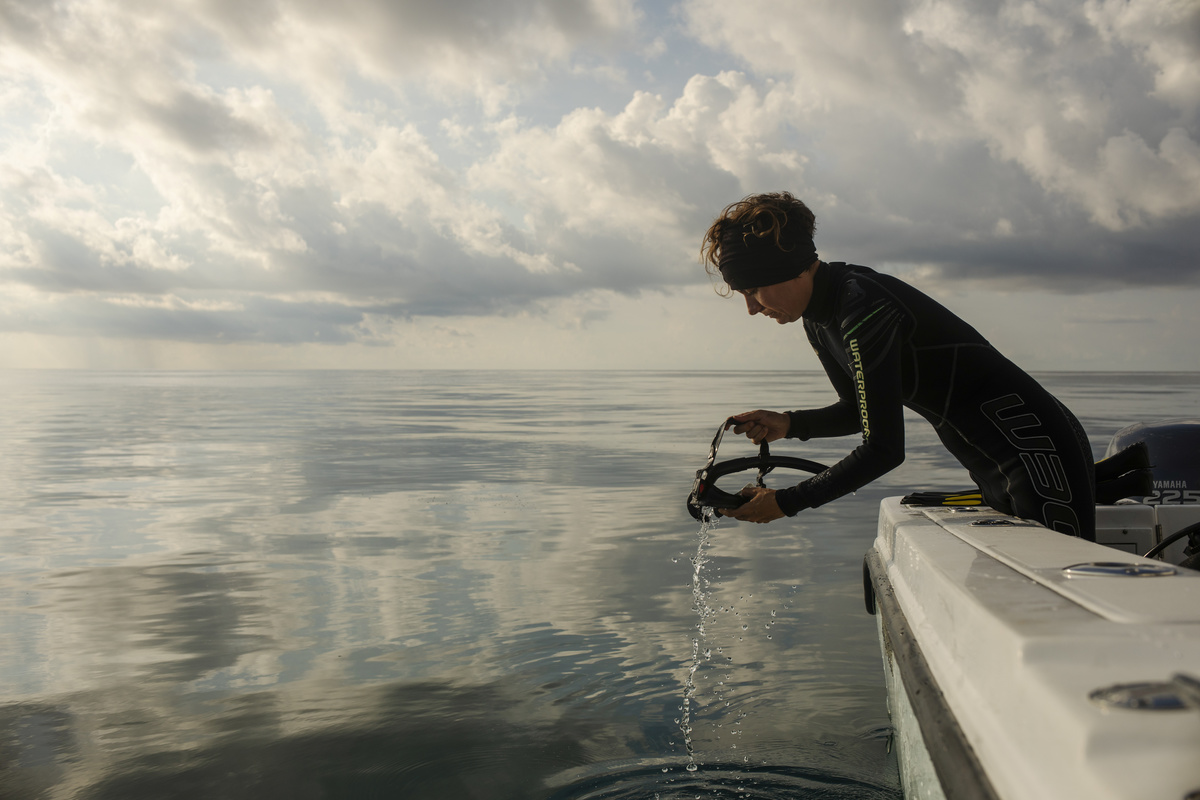
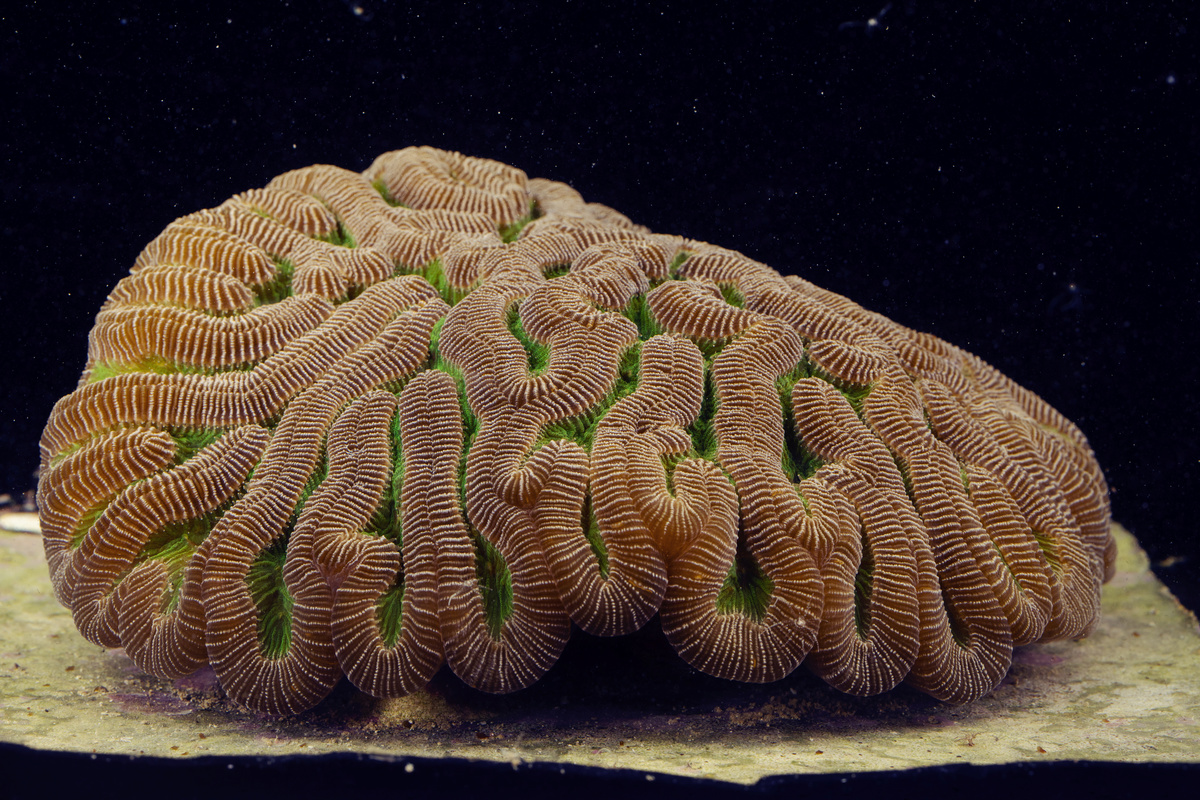
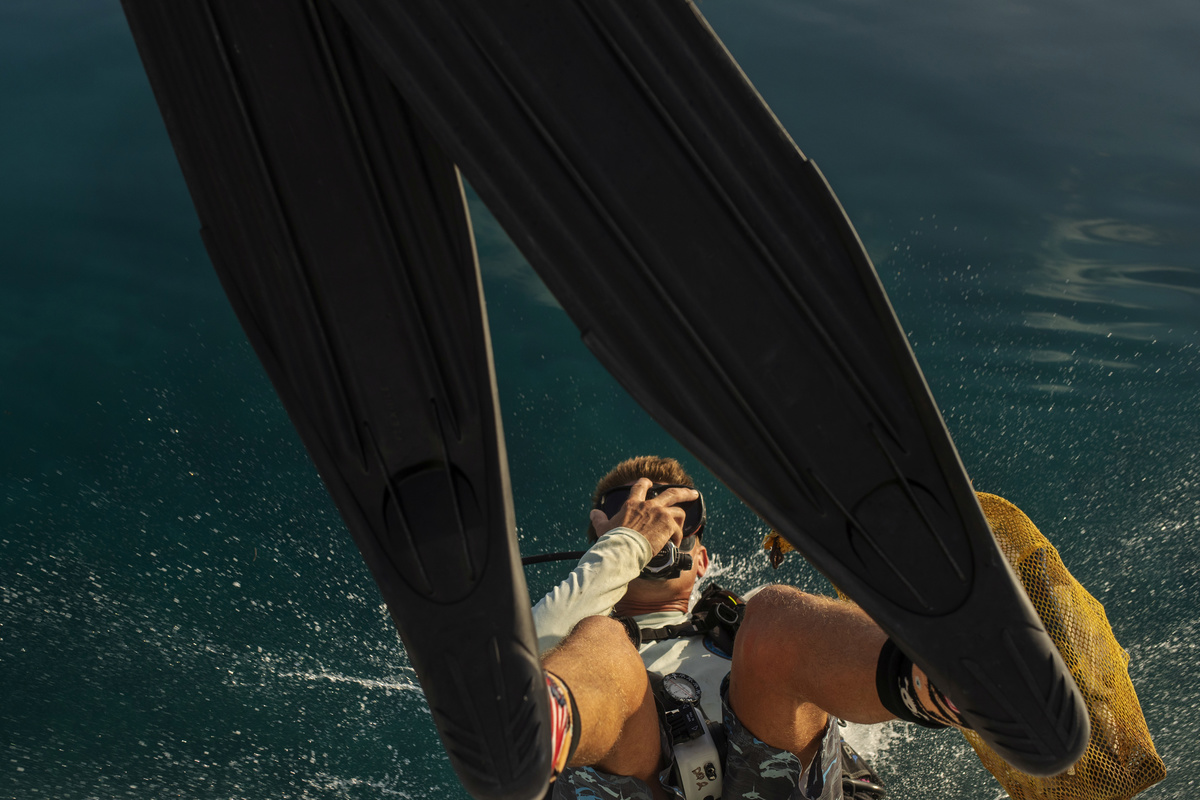
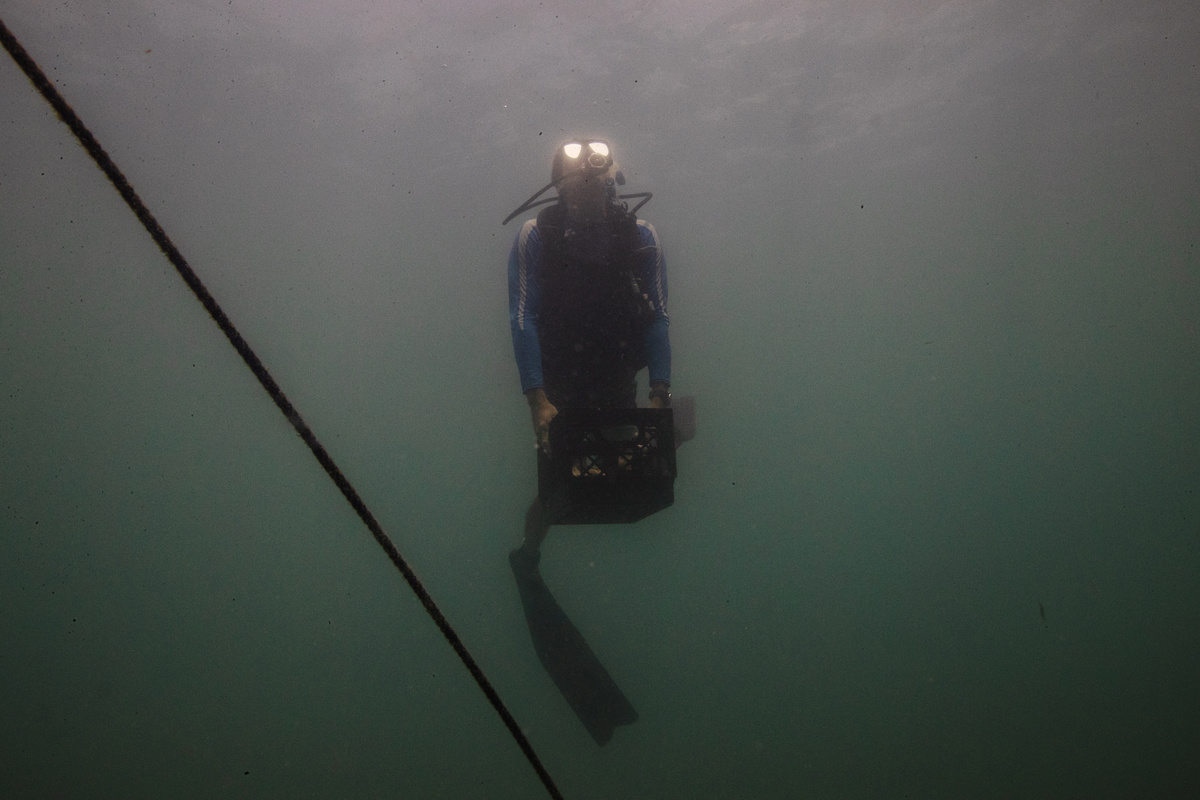
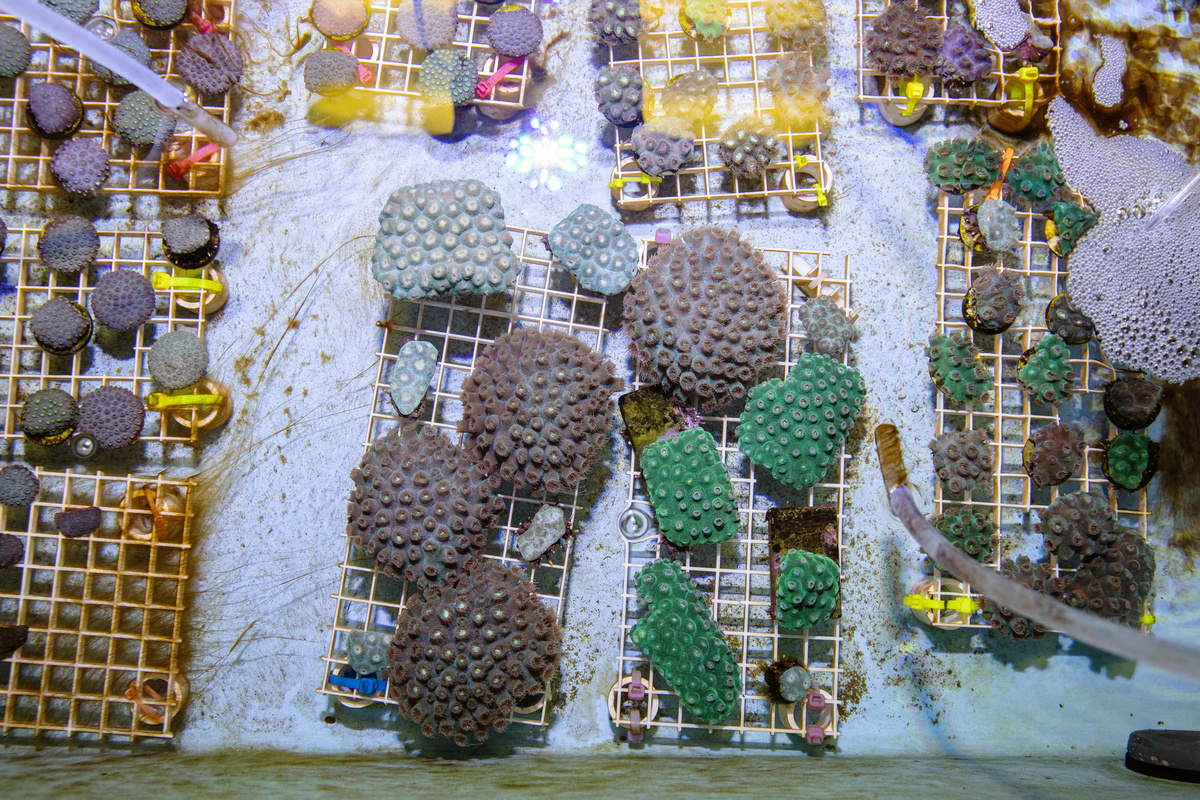
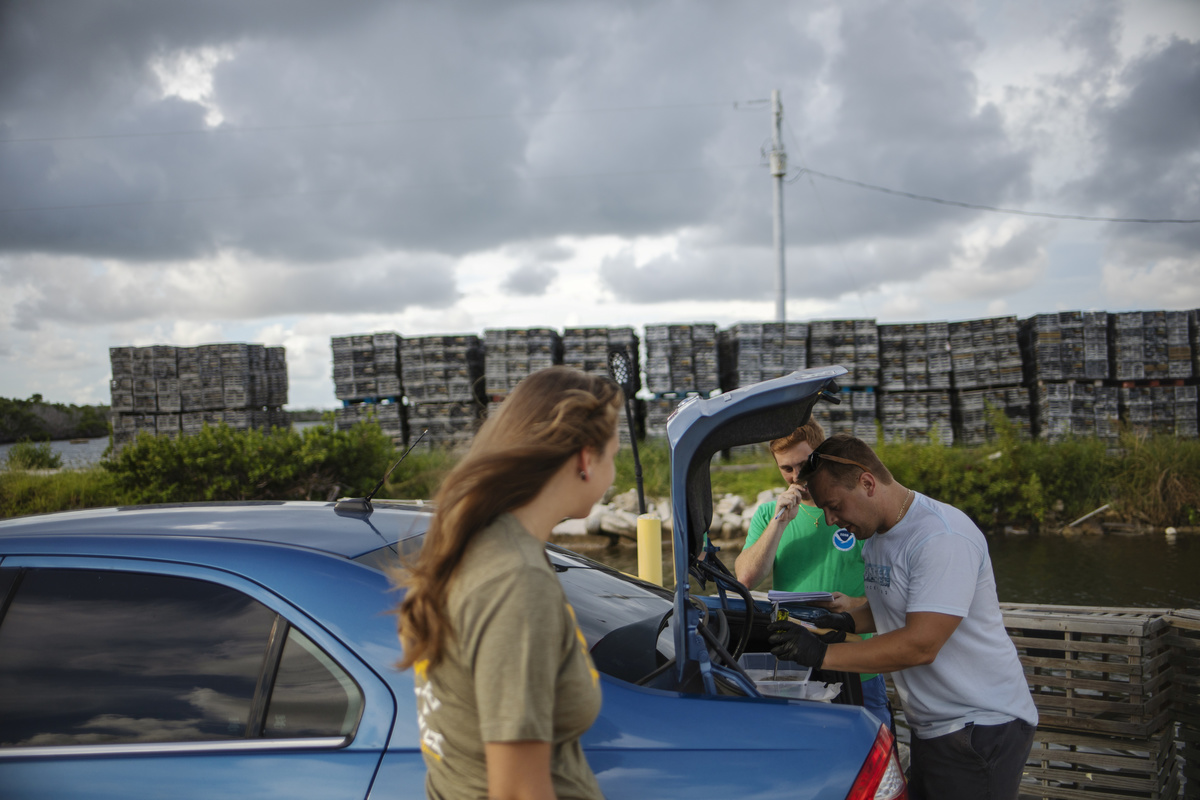
Commercial vessels load and unload cargo in the harbour of Charlotte Amalie on the island of St Thomas in the U.S. Virgin Islands, May 19, 2019. REUTERS/Lucas Jackson Graduate student Bradley Arrington uses a steel hammer and chisel to remove diseased corals on a trip to inspect corals affected by Stony Coral Tissue Loss Disease (SCTLD) near the University of the Virgin Islands campus in St Thomas in the U.S. Virgin Islands, May 15, 2019. REUTERS/Lucas Jackson Marilyn Brandt (R), a research associate professor at the University of the Virgin Islands' Center for Marine and Environmental Studies, makes a symbol with graduate students (L-R) Kathryn Cableigh, Jeanne Bloomberg, and Bradley Arrington on a dive to inspect coral affected by Stony Coral Tissue Loss Disease (SCTLD) at the University of the Virgin Islands campus in St Thomas in the U.S. Virgin Islands, May 16, 2019. REUTERS/Lucas Jackson Biologist Emily Williams moves corals between water tanks during work to learn more about an outbreak of Stony Coral Tissue Loss Disease at a Florida Aquarium facility near Tampa, Florida, U.S. August 14, 2019. REUTERS/Lucas Jackson Graduate students Bradley Arrington (L) and Kathryn Cableigh pull a basket filled with corals afflicted by Stony Coral Tissue Loss Disease (SCTLD) to their research vessel near the University of the Virgin Islands campus in St Thomas in the U.S. Virgin Islands, May 15, 2019. REUTERS/Lucas Jackson A Scolymia lacera (Disc Coral) rests in a laboratory at a Florida Aquarium facility near Tampa, Florida, U.S. August 14, 2019. This species of coral is susceptible to Stony Coral Tissue Loss Disease (SCTLD). REUTERS/Lucas Jackson Polyps on a Montastraea cavernosa (Large-cup Star Coral) constrict as the coral rests in a laboratory at Mote Marine Laboratory and Aquarium in Sarasota, Florida, U.S. August 12, 2019. This species of coral is very susceptible to Stony Coral Tissue Loss Disease (SCTLD). REUTERS/Lucas Jackson Graduate student Jeanne Bloomberg measures a distance with Bradley Arrington on a dive to inspect corals affected by Stony Coral Tissue Loss Disease (SCTLD) near the University of the Virgin Islands campus in St Thomas in the U.S. Virgin Islands, May 16, 2019. REUTERS/Lucas Jackson Polyps on a Dendrogyra cylindrus (Pillar Coral) are reflected by the waters surface while it rests in a laboratory at at a Florida Aquarium facility near Tampa, Florida, U.S. August 14, 2019. This species of coral is extremely susceptible to Stony Coral Tissue Loss Disease (SCTLD). REUTERS/Lucas Jackson A small Diploria labyrinthiformisÊ(Grooved Brain Coral) is photographed in a lab at the University of the Virgin Islands campus, in St Thomas in the U.S. Virgin Islands, May 17, 2019. This species of coral is extremely susceptible to Stony Coral Tissue Loss Disease (SCTLD). REUTERS/Lucas Jackson Polyps on an Eusmilia fastigiata (Smooth Flower Coral) are open and relaxed as the coral rests in a laboratory at a Florida Aquarium facility near Tampa, Florida, U.S. August 14, 2019. This species of coral is susceptible to Stony Coral Tissue Loss Disease (SCTLD). REUTERS/Lucas Jackson Polyps on a Meandrina meandrites (Maze Coral) are protectively closed as the coral rests in a laboratory at a Florida Aquarium facility near Tampa, Florida, U.S. August 14, 2019. This species of coral is extremely susceptible to Stony Coral Tissue Loss Disease (SCTLD). REUTERS/Lucas Jackson Polyps on a Pseudodiploria strigosa (Symmetrical Brain Coral) create patterns on top of its skeletal base as the coral rests in a laboratory at a Florida Aquarium facility near Tampa, Florida, U.S. August 14, 2019. This species of coral is extremely susceptible to Stony Coral Tissue Loss Disease (SCTLD). REUTERS/Lucas Jackson Polyps on a Mycetophyllia alicia (Knobby Cactus Coral) open as the coral rests in a laboratory at a Florida Aquarium facility near Tampa, Florida, U.S. August 14, 2019. This species of coral is susceptible to Stony Coral Tissue Loss Disease (SCTLD). REUTERS/Lucas JacksonPolyps on a Montastraea cavernosa (Large-cup Star Coral) constrict as the coral rests in a laboratory at Mote Marine Laboratory and Aquarium in Sarasota, Florida, U.S. August 13, 2019. This species of coral is very susceptible to Stony Coral Tissue Loss Disease (SCTLD). REUTERS/Lucas Jackson Kevin Macaulay, research assistant at Nova Southeastern University, applies an antibiotic ointment to the surface of a coral to slow the spread of Stony Tissue Loss Disease (SCTLD) while on a dive near Key West, Florida, U.S. September 8, 2019. REUTERS/Lucas JacksonA Bigeye swims amongst corals affected by Stony Coral Tissue Loss Disease (SCTLD) near the University of the Virgin Islands campus in St Thomas in the U.S. Virgin Islands, May 17, 2019. REUTERS/Lucas JacksonCorals are stored in a water table to be used in experiments to learn more about an outbreak of of Stony Coral Tissue Loss Disease at a Mote Marine Laboratory and Aquarium facility in Sarasota, Florida, U.S. August 13, 2019. REUTERS/Lucas Jackson Emily Hower cleans her mask as she prepares to enter the water for a dive to apply antibiotic ointment to corals afflicted by Stony Tissue Loss Disease (SCTLD) near Key West, Florida, U.S. September 8, 2019. REUTERS/Lucas JacksonResearch technician Danielle Lasseigne cuts a Pseudodiploria strigosa coral with a steel chisel to remove the portion of the animal being killed by Stony Coral Tissue Loss Disease (SCTLD) near the University of the Virgin Islands campus in St Thomas in the U.S. Virgin Islands, May 15, 2019. REUTERS/Lucas Jackson Polyps on a Colpophyllia natans (Boulder Brain Coral) create patterns on top of its skeletal base as the coral rests in a laboratory at a Florida Aquarium facility near Tampa, Florida, U.S. August 14, 2019. This coral is extremely susceptible to Stony Coral Tissue Loss Disease (SCTLD). REUTERS/Lucas Jackson Kevin Macaulay, research assistant at Nova Southeastern University, applies an antibiotic ointment to the surface of an Orbicella faveolata (Mountainous Star Coral) affected by Stony Tissue Loss Disease (SCTLD) on a dive near Key West, Florida, U.S. September 8, 2019. REUTERS/Lucas Jackson Kylie Zimmerman from the Smithsonian Institute packs corals delivered to her by Karen Neely, a coral ecologist at Nova Southeastern University, to take back to a lab to study the histology of Stony Tissue Loss Disease (SCTLD) near Key West, Florida, U.S. September 9, 2019. REUTERS/Lucas Jackson Kevin Macaulay, research assistant at Nova Southeastern University, holds his mask as he enters the water for a dive to apply antibiotic ointment to corals afflicted by Stony Tissue Loss Disease (SCTLD) near Key West, Florida, U.S. September 8, 2019. REUTERS/Lucas Jackson Karen Neely (L), a coral ecologist at Nova Southeastern on a dive to collect samples of corals afflicted by Stony Tissue Loss Disease (SCTLD) near Key West, Florida, U.S. September 9, 2019. REUTERS/Lucas Jackson Kevin Macaulay, research assistant at Nova Southeastern University, ascends with a bin of coral towards the surface while on a dive to collect coral samples afflicted by Stony Tissue Loss Disease (SCTLD) near Key West, Florida, U.S. September 9, 2019. REUTERS/Lucas Jackson Corals are stored in a water table to be used in experiments to learn more about an outbreak of of Stony Coral Tissue Loss Disease at a Mote Marine Laboratory and Aquarium facility in Sarasota, Florida, U.S. August 13, 2019. REUTERS/Lucas JacksonA nail is used to mark the extent of tissue killed by Stony Tissue Loss Disease (SCTLD) underneath an antibiotic ointment applied to a large Orbicella faveolata (Mountainous Star Coral) colony on a dive near Key West, Florida, U.S. September 8, 2019. REUTERS/Lucas Jackson Kylie Zimmerman from the Smithsonian Institute watches as PhD students Bradley Weiler (R) and Anthony Bonacolta take samples to study from corals afflicted by Stony Tissue Loss Disease (SCTLD) near Key West, Florida, U.S. September 9, 2019. REUTERS/Lucas Jackson
Sign up to read this article
Read news from 100's of titles, curated specifically for you.