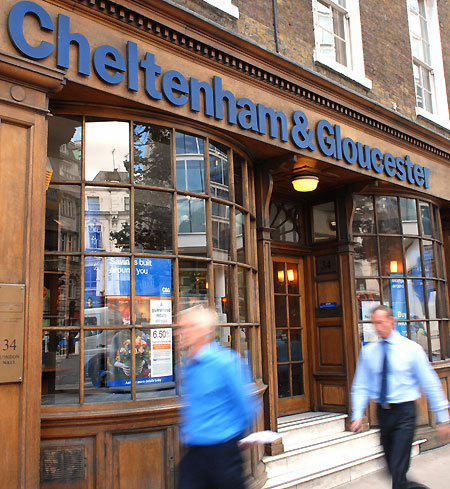
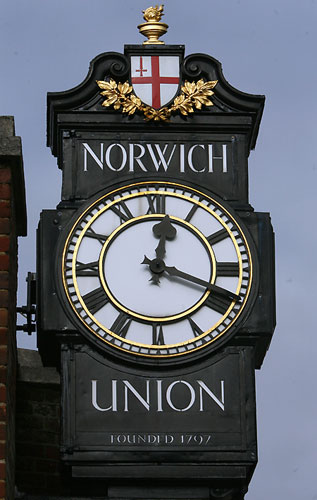
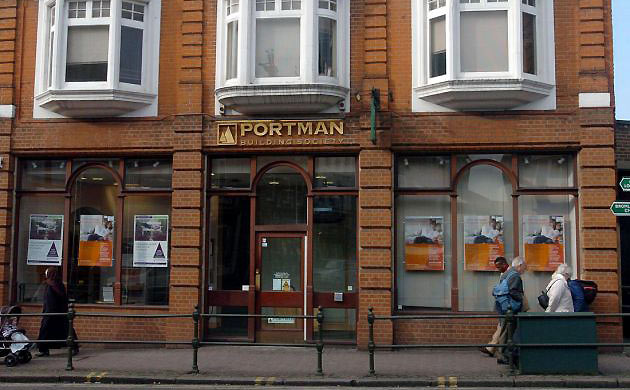
After more than 150 years, the Cheltenham & Gloucester name is set to vanish from the high street. Originally called the Cheltenham & Gloucester Permanent Mutual Benefit Building Society and Investment Association, it was founded in Cheltenham in 1850 – a time when more urban workers wanted to borrow money to buy a home. It was acquired by Lloyds during the demutualisation rush of the 1990s, but its 160 branches will close in November.Photograph: Betrand Langlois/AFPAbolishing a brand isn’t always cheap. Many millions of pounds were spent to educate the public that Norwich Union was now Aviva, ending more than 200 years of history. Bruce Willis, Ringo Starr and Elle Macpherson have all appeared in high-profile Aviva adverts to try and drum the point home. Norwich Union was set up in 1797 to provide fire insurancePhotograph: Graham Turner/GuardianBournemouth-based Portman was the third-largest building society in the UK in 2007, but it vanished almost overnight after it was bought by Nationwide. Many branches closed, and Nationwide has now admitted that it lost goodwill by moving so swiftlyPhotograph: Michael Stephens/Guardian
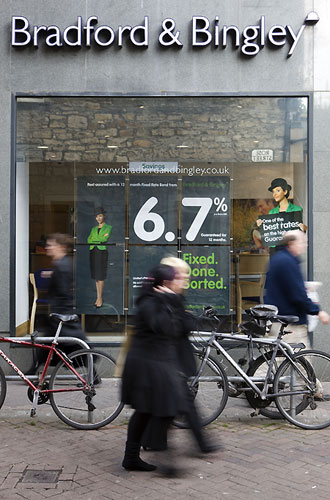
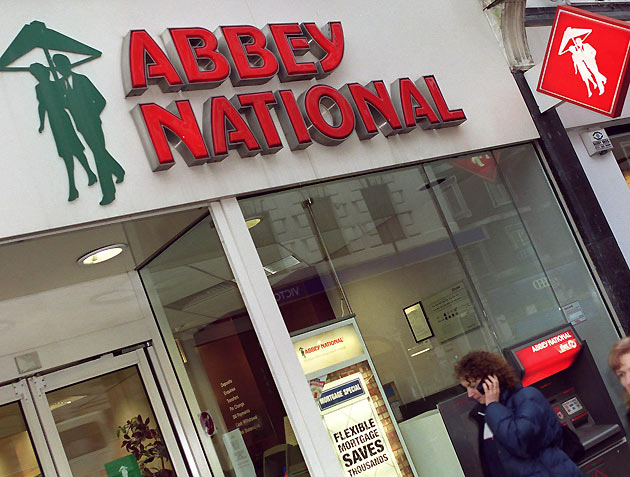
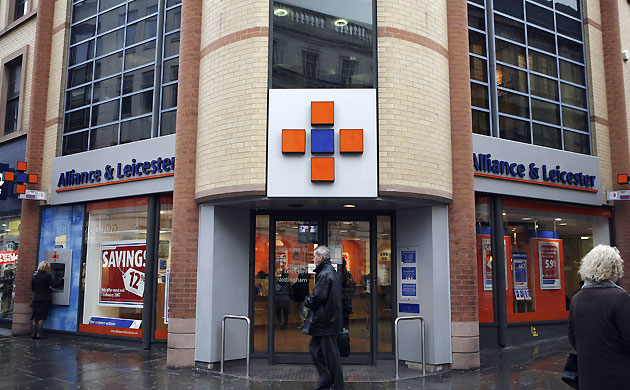
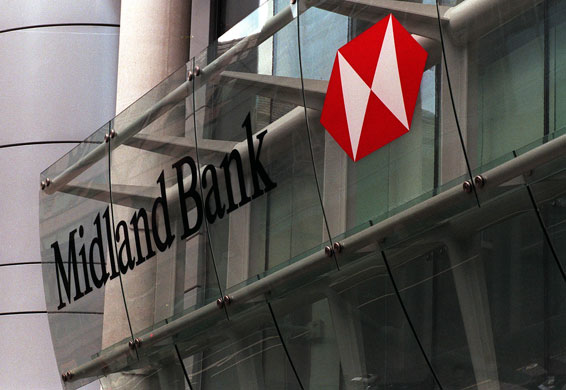
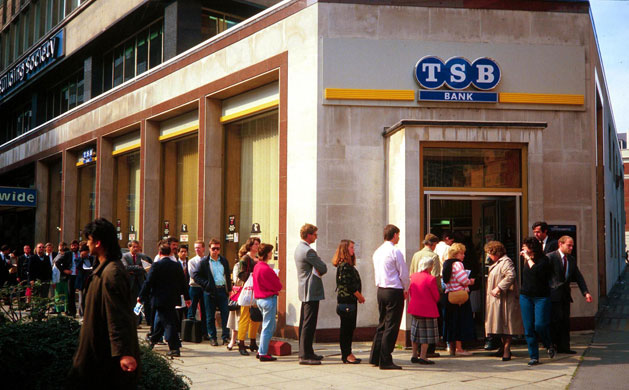
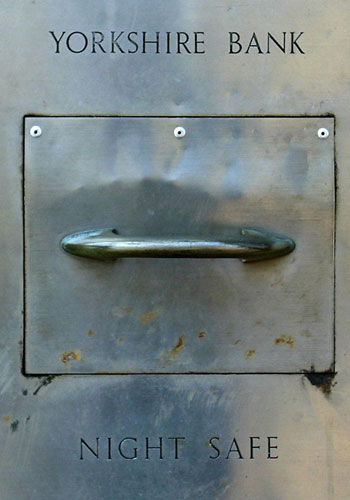
In happier days, B&B was famous for its two bowler-hatted gents, who seemed to embody fiscal responsibility. But a push into buy-to-let and self-certification mortgages brought the company to its knees, despite a late rebranding involving a woman banker. Santander took control in September 2008. Its history goes back to 1851 when the Bradford Second Equitable Benefit Building Society and the Bingley, Morton and Shipley Permanent Benefit Building Society were both formed. They merged in 1964Photograph: Murdo Macleod/GuardianThe Abbey name, along with that of Alliance & Leicester and Bradford & Bingley, will vanish by next year as Santander plants its flaming logo over its three UK acquisitions. Abbey’s “Get the Abbey habit” slogan was ditched by Santander after its takeover in 2004. Abbey, then known as Abbey National, was the first society to demutalise in 1989 when it floated on the stockmarket – an example many others followedPhotograph: PA/PAAnother vanishing name from the great days of the building societies, its story began in 1852 with the formation of the Leicester Permanent Benefit Society. It merged with the Alliance in 1985, leading to TV adverts in which Stephen Fry and Hugh Laurie declared that “you get a smarter investor at the Alliance & Leicester”. It swiftly sold itself to Santander in July 2008, after the credit crunch left UK lenders facing a sticky futurePhotograph: David Sillitoe/GuardianEstablished in Birmingham in the 1830s, the Midland grew to become Britain's fourth-largest bank. But in 1992 the Listening Bank couldn't ignore a £3.7bn offer from Hongkong & Shanghai Banking Corporation. Midland branches were rebranded as HSBC in 1999Photograph: Fiona Hanson/PA Archive/Press AssociationThe Rev Henry Duncan of Ruthwell, Dumfriesshire, sowed the seeds of the TSB in 1810 when he began helping his parishioners save. Hundreds of these savings banks sprung up, and were combined into the Trustee Savings Bank Association in 1887. In 1986 it floated on the stockmarket, leading to queues at branches as customers took the chance to subscribe for shares. Lloyds launched a succesful takeover in 1995, and the prancing horse has now supplanted the old TSB logo Photograph: Rick Colls/Rex FeaturesA takeover doesn’t have to mean the end of a brand. Yorkshire Bank is now part of National Australia Bank, but despite being merged with the Clydesdale its name still appears across the countryPhotograph: Gareth Copley/PA./PA
Sign up to read this article
Read news from 100’s of titles, curated specifically for you.