One in six Australian children are living below the poverty line, a new report has found.
The Wellbeing of Australia's Children by UNICEF Australia reveals the nation's kids are doing well across a range of areas but disadvantage remains.
Indigenous children are seven times more likely to be in out-of-home care than the national average, while poverty continues to be both unacceptably high and stagnant, and formal education is "increasingly inequitable".
"Indicators of physical and mental health are demonstrating emerging issues of childhood obesity linked to diet and sedentary lifestyle and increasing rates of psychological distress and suicide," the report also noted.
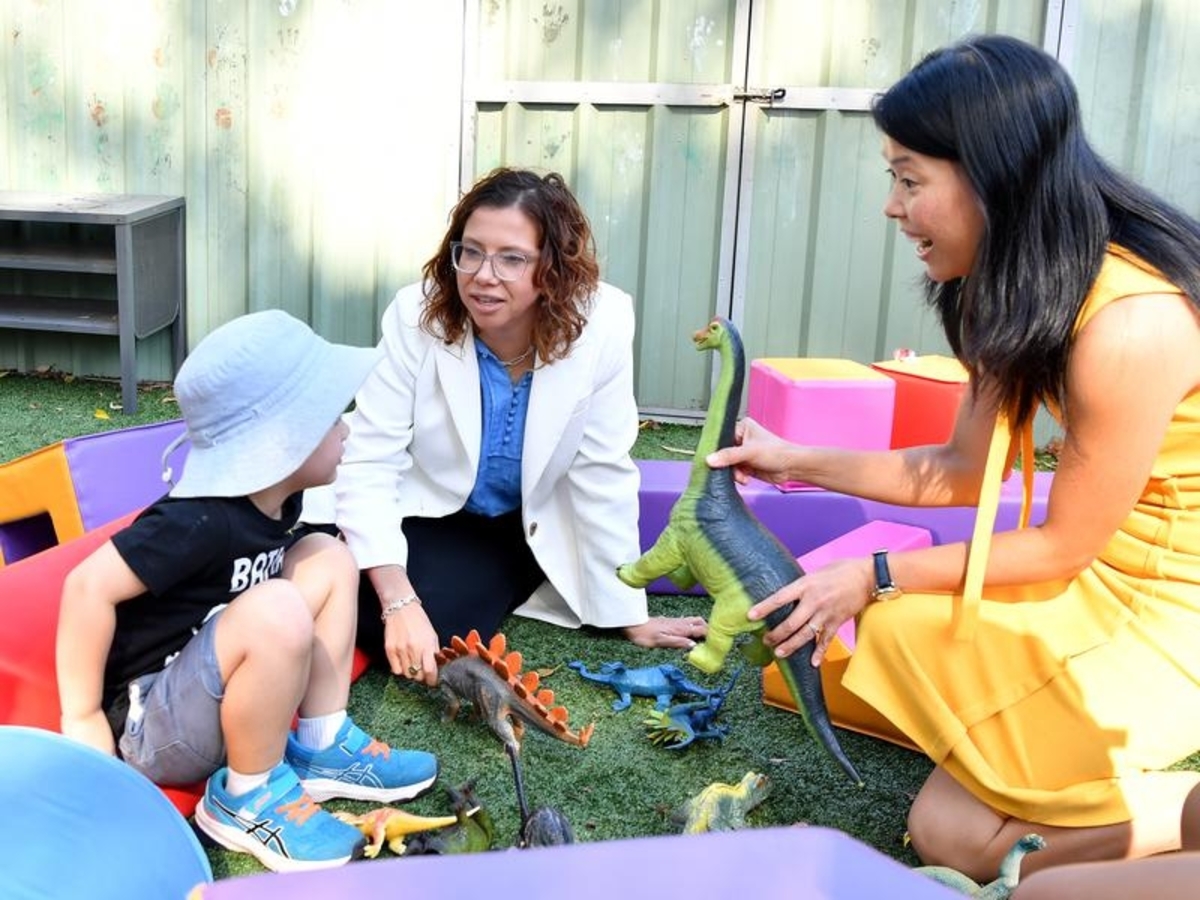
UNICEF chief advocate for children Nicole Breeze said the findings were accompanied by information on how to help children and young people reach their full potential.
"We have for a small subset of children in Australia persistent and increasing inequality, and the report informs us to focus on where those levers are to make a difference," she told reporters in Sydney.
Social Services Minister Amanda Rishworth said the report showed where Australia needed to do better.
She said the trajectory of out of home care for Indigenous children was going the wrong way.
"One of the really clear messages from this report but also across the board is that we need to start considering children at zero years of age," she said.
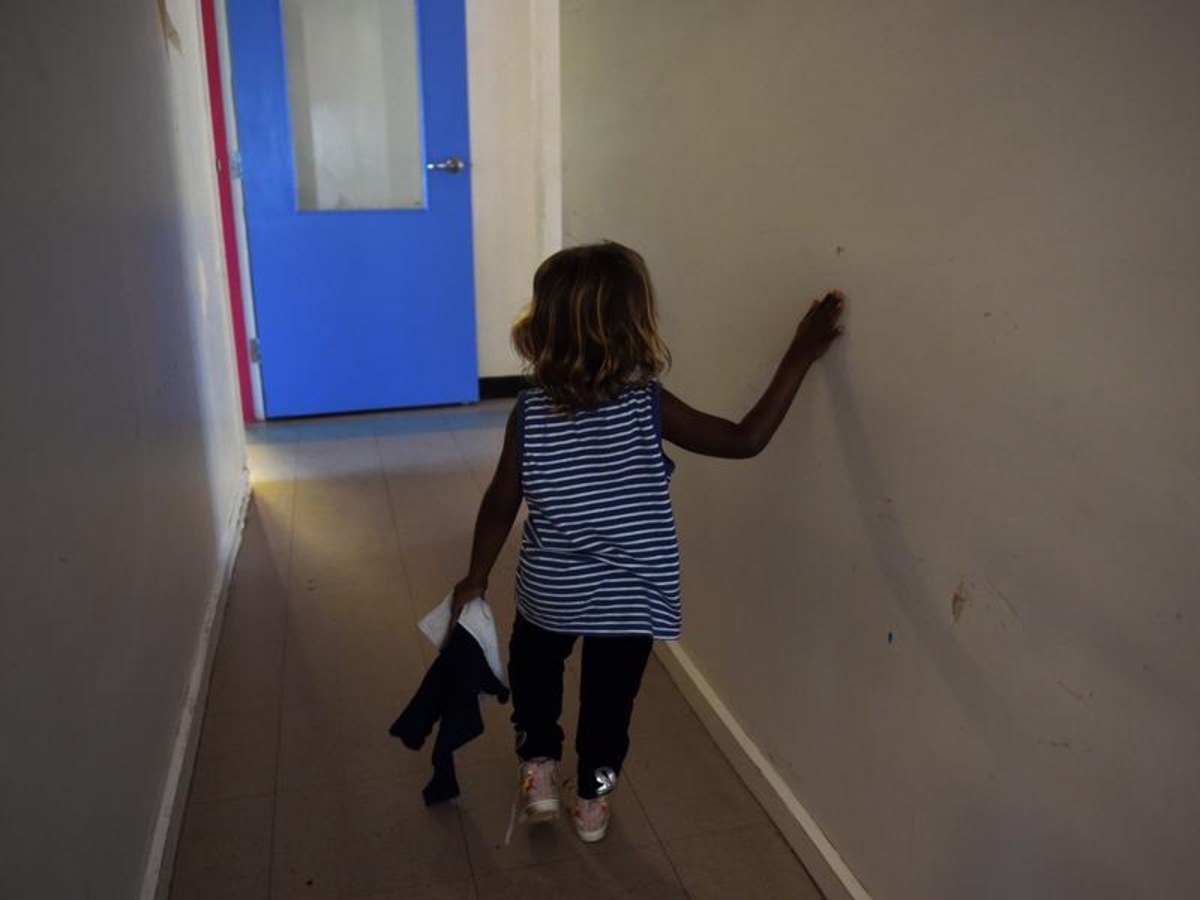
"Often it's been ... children are seen and not heard (and) we do need to be ensuring that zero onwards are actually catered for."
The UNICEF research also found more than four in five Australian children attend preschool and 91 per cent are fully immunised by age two.
Elsewhere, four in five young people report feeling that they have a say among family and friends on important issues.
Ms Breeze said Australian children benefited from government increasing its focus on those of all ages.
"What is absolutely key is that we put children in the centre of the way we design policy and the way we design programs and infrastructure," she said.
"For too long we have had disintegration between education and health and social services."
The government's early years strategy will be released later this year, while a summary of the early childhood summit was released on Thursday.
It said the strategy would need to support not only children but parents, carers, families and the broader community.
It also said universal approaches would be needed, but not identical ones, to ensure the strategy could be adapted for local communities.
Early Childhood Education Minister Anne Aly said the strategy would improve co-ordination between federal programs and areas that impact child development.