

When a motion detector went off overnight at a local middle school, a police dispatcher swiftly utilized a digital map of the building to pinpoint the detector's location and access a live feed from the nearest camera. This enabled responding police to capture a teenager, dressed in dark clothes and a ski mask but unarmed, who was found inside the school premises. The use of digital maps and cameras in such situations helps prevent unnecessary escalation, as noted by the school's security director.
In response to the increasing threat of mass shootings, numerous school districts across the country have invested in detailed digital mapping systems to aid emergency responders in quicker and more effective interventions during crises. One such district in Wisconsin was an early adopter, with the state subsequently providing mapping grants to around 200 districts.
A company called Critical Response Group, led by a former Army special operations veteran, has been instrumental in driving this trend. By leveraging gridded digital maps, the company has mapped over 12,000 schools nationwide, facilitating better emergency response protocols.
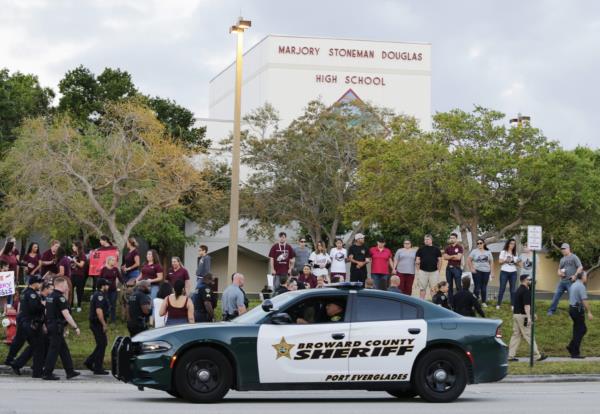


Several states have enacted laws mandating digital school mapping measures, with specific standards set to ensure uniformity and compatibility with existing software used by schools and public safety agencies. The implementation of these mapping systems has been crucial in enhancing emergency response capabilities and ensuring the safety of students and staff.
While the costs of creating these digital maps can be significant, the integration with other security systems like panic buttons adds substantial value. The exemption of detailed school maps from public disclosure in some states underscores the importance of safeguarding this sensitive information to maintain school security.
It is essential for schools to regularly update their digital maps to reflect any changes in building layouts due to renovations or expansions. Outdated or inaccurate information can prove detrimental in emergency situations, emphasizing the need for ongoing maintenance and funding support for these critical mapping initiatives.













