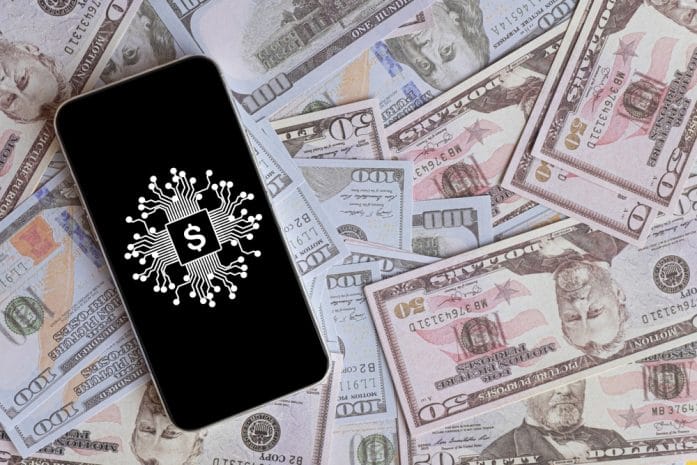
Digital dollar discussions have moved from policy rooms into everyday conversations across America. Central bank digital currency proposals, often tied to the Federal Reserve, now sit at the center of heated debates about financial control. Supporters point to faster payments and stronger fraud prevention, while critics warn about surveillance risks and reduced privacy. Banks, fintech companies, and lawmakers continue to weigh how this system could reshape money itself. The conversation grows louder as more Americans rely on digital payments instead of cash.
Public interest keeps rising because money touches every part of daily life, from groceries to rent. Many people now wonder how a fully digital dollar could change the way financial institutions handle personal data. Concerns about tracking, data storage, and government oversight dominate online discussions and community forums. At the same time, financial experts highlight potential benefits like quicker transactions and reduced banking friction. This tension sets the stage for a national debate that shows no signs of slowing down.
Privacy Concerns Are Driving Much of the Resistance to a Digital Dollar System
Privacy stands at the heart of the digital dollar debate, and critics do not hold back. Many Americans worry that a central bank digital currency could allow too much visibility into individual spending habits. Even though proposals often include safeguards, skeptics fear expanded data collection compared to traditional cash transactions. Financial privacy advocates argue that cash gives people a level of anonymity that digital systems simply cannot match. That fear continues to shape public opinion and policy conversations.
On the other side, supporters insist that strong encryption and strict regulations could protect user data. They point to modern banking apps that already track transactions without major privacy breakdowns. Still, the idea of a centralized digital currency raises bigger questions about who controls financial information. Lawmakers now face pressure to balance innovation with personal freedom. The outcome of that balance could redefine trust in the financial system for decades.
Banks Face a Possible Shake-Up as Digital Currency Models Gain Attention
Traditional banks now watch digital dollar discussions with a mix of curiosity and concern. A government-backed digital currency could shift how people store money, especially if individuals hold accounts directly with the central bank. That possibility raises questions about whether commercial banks could lose deposits and influence. Some analysts believe banks may need to reinvent their services to stay competitive in a digital-first financial world. The entire structure of lending, saving, and transaction processing could shift in unexpected ways.
At the same time, banks could also benefit from streamlined systems and reduced transaction costs. Faster settlements and improved fraud detection tools might make banking more efficient for customers. However, competition from fintech companies already pushes traditional banks to modernize quickly. A digital dollar could accelerate that pressure significantly. Financial institutions across the United States now prepare for multiple scenarios as policymakers continue reviewing potential frameworks.
Everyday Payments Could Change Faster Than Most Consumers Expect
Daily financial habits in America already lean heavily toward digital tools, from mobile wallets to online banking apps. A digital dollar could push that shift even further by standardizing digital payments across all platforms. That change might eliminate delays in transfers and reduce reliance on third-party payment processors. Consumers could experience near-instant transactions for everything from retail purchases to peer-to-peer transfers. Convenience could rise sharply, but so could dependence on digital systems.
Yet convenience often comes with trade-offs, especially in financial systems. People who lack reliable internet access or digital literacy could face new barriers. Cybersecurity risks also grow when more money flows through centralized digital channels. Experts continue to stress the importance of strong safeguards to prevent hacking or system failures. The future of everyday payments now depends on how policymakers address these competing challenges.

Policy Decisions Could Define the Future of Financial Freedom in America
Lawmakers now sit at the center of the digital dollar debate, and their decisions carry long-term consequences. The Federal Reserve continues studying models used in other countries while evaluating potential risks at home. Some policymakers emphasize innovation and global competitiveness, while others prioritize civil liberties and privacy protections. This split creates ongoing debate inside Congress and regulatory agencies. The final framework could shape how Americans interact with money for generations.
Public input also plays a growing role as advocacy groups and industry leaders weigh in. Americans increasingly demand transparency about how a digital dollar would operate in real life. Trust remains a major factor, especially when financial systems evolve quickly. Policymakers must navigate these concerns carefully to avoid backlash or confusion. The direction they choose could redefine financial freedom in the digital age.
The Future of Money Now Depends on Trust, Technology, and Balance
Digital dollar discussions reveal a larger truth about the future of money in America. Technology continues to reshape financial systems at a rapid pace, but trust determines whether people accept those changes. Privacy concerns, banking disruptions, and policy debates all intersect in this evolving conversation. No single answer fits every concern, which keeps the discussion both complex and urgent. Americans now watch closely as decisions move from theory into potential reality.
What do you think about the idea of a digital dollar—exciting innovation or a step too far? Share your thoughts below.
You May Also Like…
9 Digital Payment Habits That Banks Are Quietly Flagging in 2026
Digital Payment Apps Could Soon Become Mandatory for Federal Benefits
How the IRS’s New Digital Asset Form Could Affect Casual Crypto Users
Keeping Finances Separate in Marriage — What Works and What Doesn’t
Banks Are Moving Toward All-Digital Payments—What That Means for Your Money
The post Digital Dollar Discussions Are Raising New Concerns About Privacy and Banking appeared first on The Free Financial Advisor.