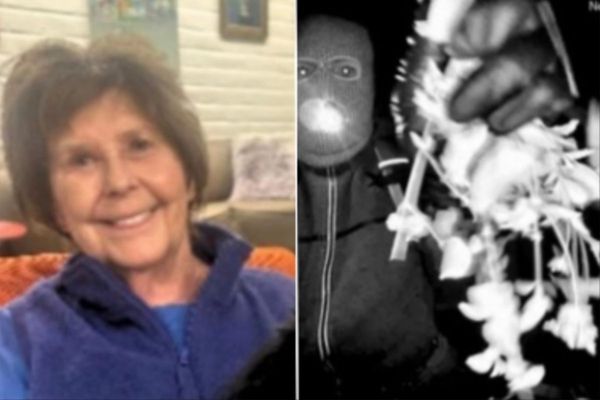
Another tragedy in the Upper Hunter recently reminds us that the incidence of domestic violence is as alarming as it is confronting.
I believe our collective ability to have honest and important discussions has improved - but we need to go further. If our aim is to reduce violence, we need to understand what that looks like. Is it about fewer reportable figures? Fewer perpetrators? Fewer deaths?
These, and more I suspect. But I believe that we need to look at it differently. To stop domestic violence, we need to stop the cycle at its roots.
This is not about taking away from the lifesaving work that is being done by thousands of people at the front line every day. I am professionally and personally impressed by the adaptability of these services, which are stretched to capacity. This is about shifting our perspective and changing the behaviour of perpetrators.
Recently, I observed an intervention program in the US that I think paves the way for Australia to affect change. Developed by Steve Halley and the team at Family Peace Initiative, the program requires participants to accept responsibility for their behaviour. That means being accountable for the impact that their actions have on others and themselves. Results showed that about 88 per cent of 2015 participants had not been charged with another 'person' crime and 99 per cent had not had another protection order filed against them in the three year period directly after the program.
Two key elements stood out: it takes time to bring about deep change and the ability to link recovery with resilience. For 32 weeks, perpetrators commit to a program that combines cognitive-behavioural therapy with a trauma-informed approach. If we also accept that most perpetrators of violence also experienced violence in their childhoods, this program then helps the individuals replace violent behaviours with acceptable ones while also healing their fear, grief, anger and sadness. Australia has a number of men's behavioural change programs, but I believe they don't go far enough.
As a lawyer who sees the devastating effects of violence in our homes every day, I invite you to consider how we can help policy makers, law makers and the people at the front line to think differently about domestic violence and introduce programs that stop the cycle.
- For DV help: 1800RESPECT, 1800 737 732