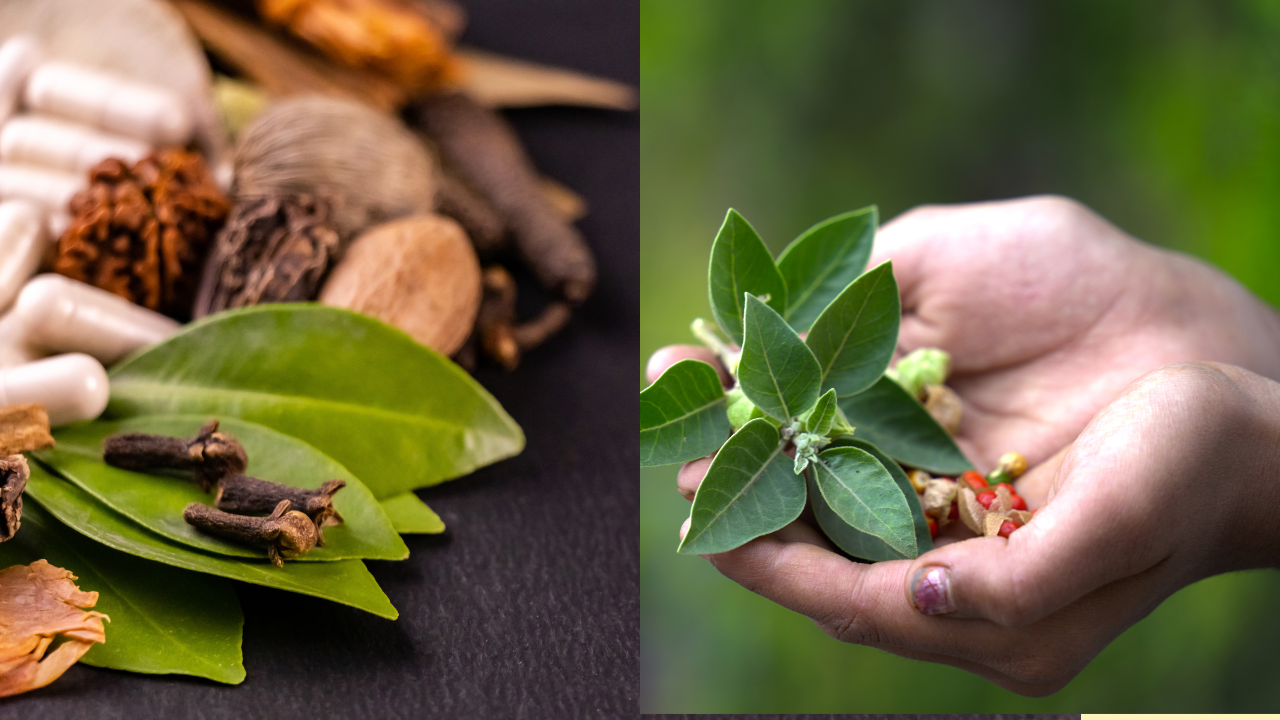
Different forms of traditional medical sciences
Traditional medical systems like Ayurveda, Unani, and Siddha have been around for millennia and are used all across the world. Every system has its own philosophy, set of guiding principles, and techniques for diagnosis and treatment, even though they all adhere to some similar ideas. While Unani, Siddha, and Ayurveda all take a holistic approach to health and illness, their methods of diagnosis and treatment are where they diverge most. It's crucial to remember that different practitioners and geographical areas may have different approaches to these traditional systems. The following is a quick summary of how Ayurvedic, Unani, and Siddha treatments differ from one another:
Ayurveda
Origin: One of the earliest medical systems is Ayurveda, which has its roots in ancient India.
Philosophy: The foundation of Ayurveda is the idea that harmony between the three doshas—Pitta, Kapha, and Vata—is necessary for optimal health.
Treatment Plan: Herbal therapies, dietary recommendations, lifestyle adjustments, yoga, and meditation are common Ayurvedic treatments.
Diagnosis: Diagnosis includes looking at the tongue, pulse, urine, and overall physical and mental constitution in addition to evaluating the dosha balance.
Unani
Origin: The practice of unani medicine originated in ancient Greece and was subsequently developed and perfected by physicians from Persia and Arabia.
The philosophy of unani medicine is founded on the idea that the four humors—blood, phlegm, yellow bile, and black bile—must be in balance in order to sustain health.
Treatment Method: Herbs, minerals, and animal products are among the natural materials used in unani medicine. It also stresses dietary adjustments and lifestyle adjustments.
In Unani medicine, the diagnosis process entails assessing the pulse, urine, stool, and clinical observations.
Siddha
Origin: The Siddhars are credited with creating siddha medicine, which has its roots in ancient Tamil Nadu, India.
Philosophy: The three humors—Pitham, Kabam, and Vatha—as well as the five elements—earth, water, fire, air, and space—are the foundation of Siddha medicine.
Treatment Method: Minerals, metals, and plants are used in Siddha remedies. It also covers meditation, yoga, and dietary advice.
Diagnosis: A Siddha diagnosis takes into account the balance of humors and components when evaluating the clinical examination, urine, and pulse.