
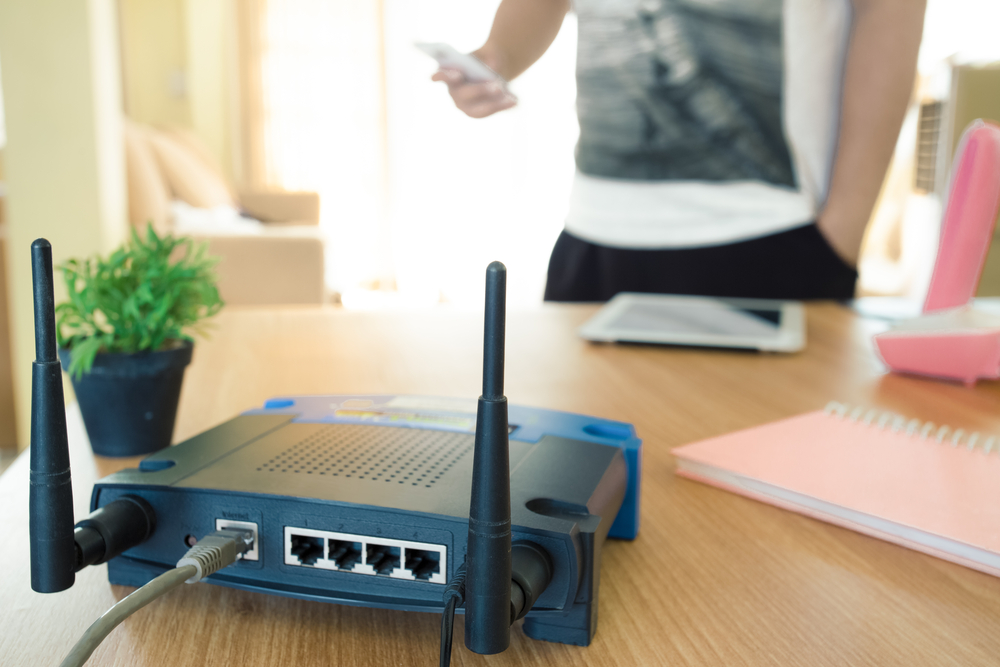
The nightly process of turning off our Wi-Fi router demonstrates how small changes to our daily routines create significant effects. People can observe their energy usage through their daily activities. The router operates continuously during sleeping hours to provide service, even though no one uses it at that time, resulting in energy costs. The standard device operates without purpose when powered, leading people to seek budget-friendly solutions that maintain their comfort level. The basic process of shutting down your Wi-Fi router helps you save money while minimizing energy waste and improving your management of unyielding utility bills.
1. The Hidden Cost of an Always-On Device
Routers draw power quietly. They’re built for continuous operation, but most households don’t need them running 24 hours a day. Turning off your Wi-Fi router can trim energy use that would otherwise go unnoticed. Even modest reductions matter when repeated every night, week after week.
Some routers draw more power than expected because extra features remain active in the background. Lights, processors, and network functions run even when no devices are connected. That creates a steady energy drain. Shutting the router off during the hours you sleep interrupts that drain and returns control to the user.
2. Reducing Standby Waste
Standby power is a known expense in most homes. Devices inactive on the surface often remain busy underneath. A router is one of the most consistent contributors to that waste. Turning off your Wi-Fi router cuts this unnecessary consumption at the source.
Some homes accumulate several connected devices: smart speakers, cameras, and appliances that never fully power down. When the router is disabled at night, these devices lose their connection and enter a low-use state. That creates a multiplier effect. One action delivers several quiet reductions at once.
3. Easing Network Strain
Many households load their network with dozens of devices. These connections strain routers designed for lighter use. Shutting the system down at night resets internal processes, clears memory, and reinstates stable performance. Turning off your Wi-Fi router works like a nightly reset button.
Routers that run continuously tend to slow down over time. Heat buildup, minor glitches, and software hiccups accumulate. A nightly break interrupts that cycle. It can extend the life of the device and reduce the need for replacement hardware.
4. Enhanced Digital Boundaries
Constant connectivity encourages late-night scrolling and fragmented sleep patterns. A powered-down router becomes a boundary. It sets a natural stopping point at the end of the day, reinforcing habits that many people intend to build but struggle to maintain.
A router switched off at night also limits unauthorized access. Fewer active hours reduce exposure to attempted logins from outside networks. The device rests. The network rests. And the household gains a layer of security through absence rather than complexity.
5. Lowering Heat and Extending Equipment Life
Routers generate heat whether you notice it or not. Continuous operation raises internal temperatures for many hours, and heat wears down components. Turning off your Wi-Fi router helps cool the device during its longest periods of inactivity, slowing the wear that comes from constant operation.
Short nightly breaks can extend the router’s usable life. Electronic components that cycle between activity and rest typically last longer than those pushed at full throttle without pause. Each shutoff becomes an investment in future reliability.
6. Small Changes Add Up on the Utility Bill
Most homes see a pattern: small energy drains add up until the monthly bill becomes larger than expected. A router may not be the biggest contributor, but its constant draw makes it one of the most persistent. Turning off your Wi-Fi router shifts that pattern.
Electricity savings accumulate slowly but steadily. The act requires no subscription, no new equipment, and no renovation. Just a switch or a timer. The simplicity of it creates its own appeal. It’s an uncomplicated way to scale back on a bill that often feels fixed.
A Habit That Builds Awareness
The practice of turning off a router provides advantages that extend beyond financial cost savings. People become more aware of the number of devices that continue operating beyond their required time. The practice of shutting down your Wi-Fi router helps you detect hidden expenses that affect your daily life.
The transition to this new way of thinking results in additional minor changes in behavior. People start to use their energy resources with purposeful thinking. People gain a better understanding of their evening priorities. The system achieves its best performance when all system components execute their designated tasks. How do you handle your router at night?
What to Read Next…
- How Your Wi-Fi Router Placement Might Be Sharing Personal Info
- Is Your Internet Provider Charging You for Services You Don’t Use?
- Are These 8 Money Saving Tricks Actually Keeping You Broke?
- 6 Monthly Bills You Should Cancel Immediately Even If You Can Afford Them
- 8 Everyday Services That Are Slowly Becoming Subscription Only
The post Did You Know Turning Off Your Wi-Fi Router at Night Can Save You Money? appeared first on The Free Financial Advisor.