As the dust settles on Wrexham’s record-breaking season, the debate continues over whether it was a success. Spoiler alert: it was—but there’s still a natural desire for it to have been even better. About two points better, in fact.
Wrexham were playing non-league soccer just three years ago, and that rapid rise cannot be ignored in the bigger picture. To frame a season in which they finished seventh in the Championship as a failure is both negligent and misguided. Yet the Red Dragons are far removed from that National League side, and with increased exposure and spending come heightened expectations.
Phil Parkinson’s side cannot ignore the $45 million spent on 13 players last summer, but as the Wrexham manager recently stated, they “had to” fast-track the squad to match clubs long established in the division. It’s also worth noting Wrexham finished highest among the newly promoted teams, so the investment clearly paid off.
After a slow start, Wrexham found their footing by the fall and rarely looked back. Seven players from the opening-day defeat to Southampton did not start against Middlesbrough on the final day, including the entire defense. By the turn of the year, the Red Dragons sat 10th, just three points off the final playoff spot.
In previous promotion campaigns, the New Year has marked the shift from pretenders to contenders. Ollie Palmer’s club-record arrival in the winter window of 2021–22 helped Wrexham finish second, and he played a key role in three successive promotions.
The following season brought Eoghan O’Connell, Andy Cannon and Ryan Barnett, all central to the National League title triumph. Jack Marriott and Luke Bolton arrived during the League Two campaign, while League One promotion was boosted by Sam Smith, Ryan Longman and Jay Rodriguez.
With Wrexham three points off the playoffs and seven from the automatic places as “Auld Lang Syne” rang out, another strong winter window could have fueled yet another promotion push. This time, it didn’t.
Did Wrexham Do Enough in the January Transfer Window?
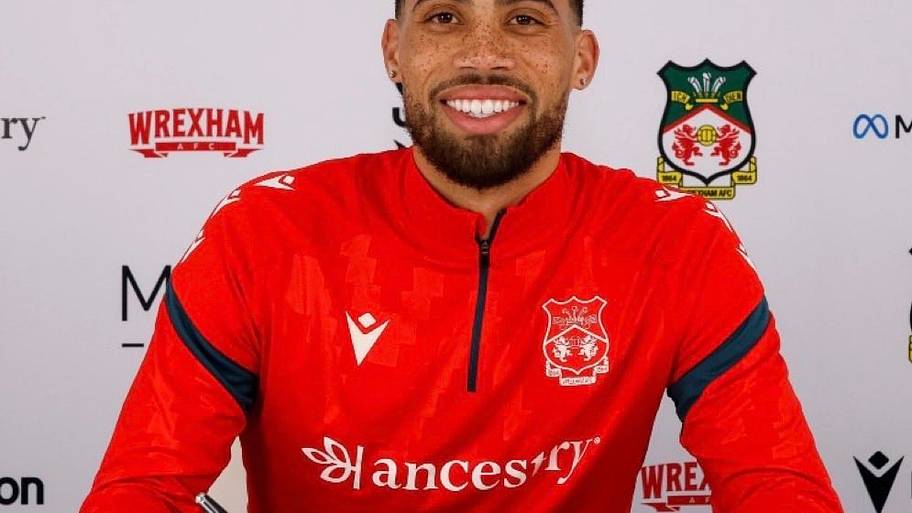
Wrexham entered the window with options but ultimately chose to strengthen squad depth rather than the starting lineup. Parkinson and his staff prioritized restoring injured players—Danny Ward, Jay Rodriguez, Lewis Brunt, Elliot Lee and Andy Cannon—to full fitness before making longer-term decisions.
Ward, Rodriguez and Brunt stayed; Lee and Cannon left on loan; and captain James McClean returned to hometown club Derry City. Ryan Hardie and Conor Coady also departed on loan just months after arriving in the summer due to a lack of minutes.
The 25-man squad limit restricted January activity, and Parkinson aimed to keep the group streamlined while preserving strong competition for places. As a result, arrivals were not deemed essential, though the club remained alert to opportunities.
A further $6 million brought in Zak Vyner, Davis Keillor-Dunn and Bailey Cadamarteri, though none matched the impact of previous winter additions. Wrexham had pursued Vyner in the summer before turning to Dom Hyam when rebuffed by Bristol City.
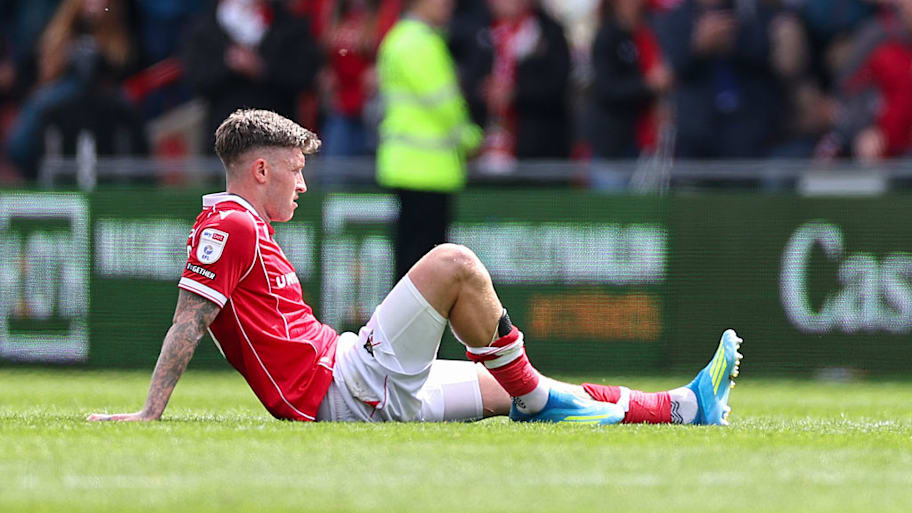
Of the trio, Vyner stood out. He made nine appearances, six as starts, often deployed as a makeshift defensive midfielder amid injuries to Ben Sheaf and Matty James. There’s a strong argument those injuries were as costly as the club’s January business.
Wrexham Signings January 2026
| Player | Club | Transfer fee |
|---|---|---|
| Zak Vyner | Bristol City | $2.03 million |
| Davis Keillor-Dunn | Barnsley | $2.7 million |
| Bailey Cadamarteri | Sheffield Wednesday | $1.36 million |
Wrexham also explored attacking reinforcements, including a move for Southampton striker Adam Armstrong, before he joined Wolverhampton Wanderers. A club-record $25 million move for Angers prospect Sidiki Cherif was abandoned due to the risks and potential PSR implications. He eventually joined Turkish club Fenerbahçe on loan, with an obligation to make the move permanent this summer.
“January is never going to be a big transfer window. We took our normal approach, looking for opportunities to strengthen the squad,” director Shaun Harvey said shortly after the window closed. “While we want to improve, we don’t want to upset the apple cart.”
Cadamarteri managed just 46 minutes across three substitute appearances and missed three of the final five matchday squads. Keillor-Dunn featured more but still logged only 117 minutes in six appearances.
In past seasons, January additions injected energy and competition into the squad. Even when slow to settle, they raised performance levels—something Parkinson believes is often overlooked.
“When we bring players in, it was never to replace anybody,” he told Sports Illustrated. “It was to allow others to move on. The lads in the team have done well, and competition has helped them step up.”
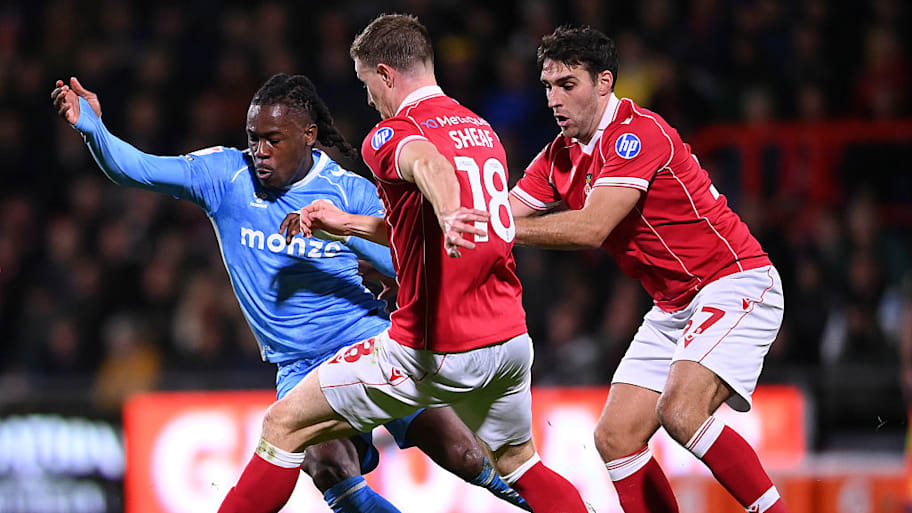
However, across the games since the window closed, Wrexham ranked ninth in the Championship, with 24 points from 48 available. They scored a solid 25 goals in 16 matches, but the concern was conceding 28.
The 5–1 home defeat to Southampton skews those numbers, but Wrexham still shipped 65 goals—their worst defensive record since relegation from the Football League in 2008. A lack of protection from wingbacks and limited pace in the backline played a role, compounded by injuries to Sheaf and James.
Liberato Cacace and Issa Kaboré were signed for those wide roles but started just five league games together. Makeshift options George Thomason and Ryan Longman ultimately logged the most minutes out wide, with depth further reduced following McClean’s departure.
Wrexham considered moves for Portsmouth’s Terry Devlin and İstanbul Başakşehir’s Festy Ebosele but saw insufficient value in pursuing deals. Finding that value this summer will be key to improving next season.
Did the January Window Cost Wrexham the Playoffs?
| Championship Statistic | Zak Vyner | Davis Keillor-Dunn | Bailey Cadamarteri |
|---|---|---|---|
| Appearances | 8 | 6 | 3 |
| Minutes | 433 | 117 | 46 |
| Starts | 5 | 0 | 0 |
| Unused Substitute | 1 | 10 | 9 |
| Not Selected | 7 | 0 | 4 |
Based on minutes alone, it’s fair to argue that more could have been done. Vyner, Keillor-Dunn and Cadamarteri combined for just 17 league appearances, with only a handful of starts during the midfield injury crisis.
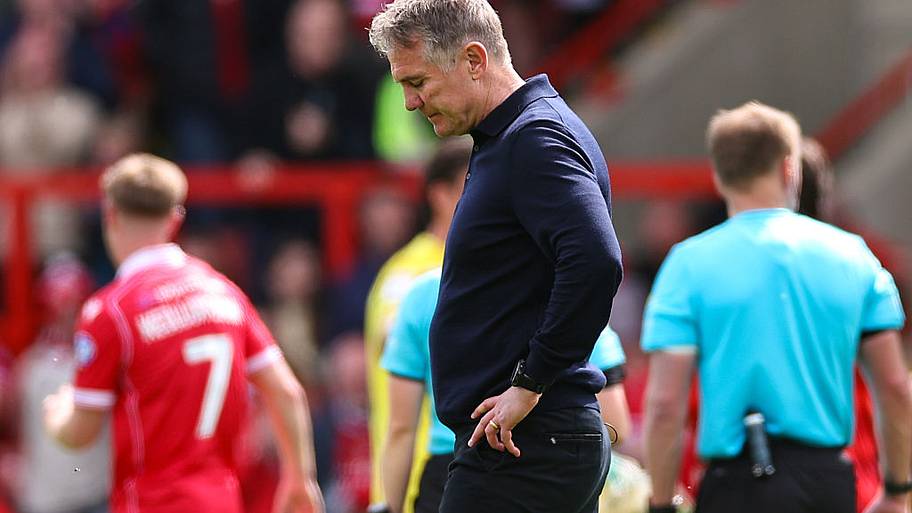
Wrexham’s best-ever league finish still left them two points short of the playoffs. Turning just one draw into a win would have seen them finish above Hull City. Parkinson’s side drew 14 matches—the fifth highest in the division—and dropped 24 points from winning positions, though only three of those draws came after January.
Equally costly were the injuries to Sheaf and James, which removed two key players at a pivotal stage. When both started, Wrexham won six and drew three of 10 matches.
Parkinson’s own words also carry weight. While January signings made limited on-field impact, their off-field contribution is harder to measure. This was a collective effort that produced Wrexham’s best-ever season—and one that ultimately fell just short of the playoffs.
There are no guarantees those issues will be resolved next season, but Rob Mac and Ryan Reynolds will do everything possible to ensure they are.
READ THE LATEST WREXHAM NEWS, ANALYSIS AND INSIGHT FROM SI FC
- ‘Out of Our Hands’—Wrexham Captain Reveals Worrying Transfer Reality After Promotion Heartbreak
- Wrexham End of Season Awards: Full List of Winners After Playoff Heartache
- Phil Parkinson Makes Exciting Wrexham Prediction After Devastating Final Day
- ‘Completely Gutted’—Ryan Reynolds Gives Verdict on Historic Wrexham Season After Playoff Heartbreak
This article was originally published on www.si.com as Did Wrexham’s January Transfer Window Cost Them a Playoff Position?.