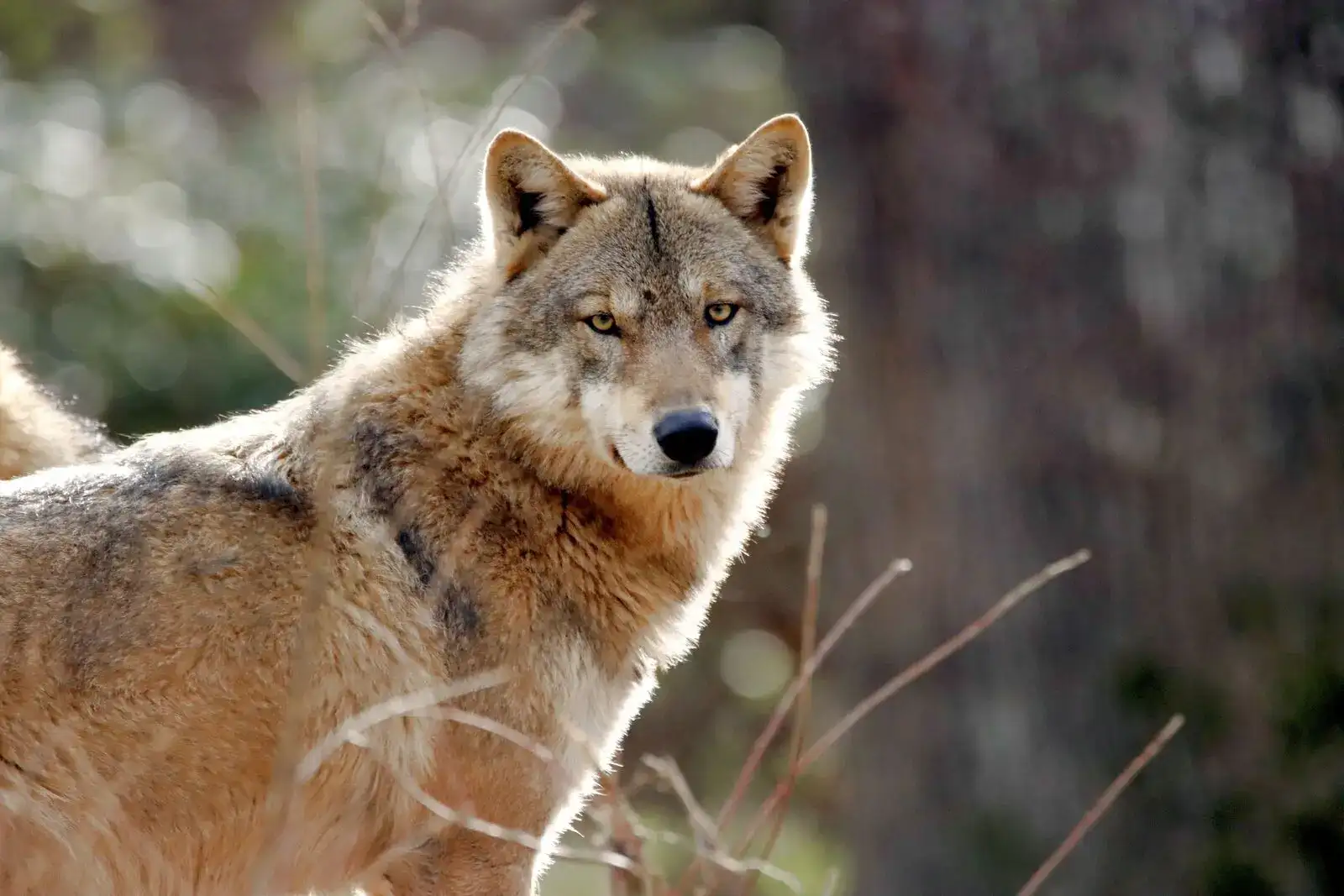
A remarkable archaeological discovery on a remote island in Sweden is giving researchers a fresh look at the ancient relationship between humans and wolves. The remains of two prehistoric wolves, dating back between 3,000 and 5,000 years, have been found in a cave on an island that was never connected to the mainland. The surprising find has led scientists to explore whether humans may have transported the animals by boat and helped sustain them.
Scientists discover 5,000-year-old remains
The study, published in the Proceedings of the National Academy of Sciences, examined the remains of two canids recovered from Stora Förvar Cave on Stora Karlsö, a remote island in the Baltic Sea. Genetic testing confirmed that the animals were wolves that lived roughly 3,000 to 5,000 years ago, as per a report by People.
What makes the discovery especially unusual is the location. Stora Karlsö has never been connected to mainland Europe, meaning the wolves could not simply have walked there.
Lead author Linus Girdland-Flink described the discovery as unexpected.
"The discovery of these wolves on a remote island is completely unexpected."
He added:
"Not only did they have ancestry indistinguishable from other Eurasian wolves, but they seemed to be living alongside humans, eating their food, and in a place they could have only have reached by boat." "This paints a complex picture of the relationship between humans and wolves in the past."
Why Were Wolves Found on an Isolated Island?
Researchers believe the island's geography is one of the biggest clues in the mystery. Since Stora Karlsö was never connected to the mainland, scientists say the animals could not have naturally migrated there over land. This has led researchers to consider that humans may have transported the wolves by boat.
The cave itself has long been recognized as an important archaeological site. During the Neolithic and Bronze Ages, it was used by seal hunters and fishers. Earlier excavations had already uncovered scattered human remains as well as the bones of a domestic dog.
To determine whether the newly discovered animals were wolves or early dogs, researchers relied on DNA analysis instead of skeletal features alone, since prehistoric wolves and dogs can appear very similar.
The results confirmed that both animals were genetically wolves, although they were somewhat smaller than many modern Scandinavian wolves.
What Did These Ancient Wolves Eat?
The researchers uncovered another important clue by studying the wolves' diet. Evidence showed the animals consumed large amounts of marine protein, including seals and fish.
That finding stood out because the domestic dog previously discovered in the same cave appeared to have eaten a more typical human-associated diet based mainly on terrestrial food sources.
While marine-based diets have been observed in modern wolves living along the coasts of Alaska and British Columbia, researchers noted there is no previous evidence of prehistoric Scandinavian wolves relying so heavily on seafood.
One of the wolves also displayed unusually low genetic diversity, a trait often linked with small isolated populations or animals that may have undergone selective breeding.
What Does This Discovery Reveal About Humans and Wolves?
Taken together, the evidence points toward the possibility that these wolves depended on nearby human communities in some way.
Researchers suggest the animals may have received food from people or even traveled to the island alongside them by boat.
Even so, the team says other possibilities cannot yet be ruled out, including the unlikely chance that the wolves reached the island naturally.
Rather than providing a final answer, the discovery opens another chapter in understanding the relationship between prehistoric humans and wolves.
The researchers believe the findings offer a new perspective on how humans and wolves may have lived alongside one another, while also showing that this relationship may have developed separately from the later process that eventually led to the domestication of dogs.
FAQs
Where were the ancient wolves discovered?They were found in Stora Förvar Cave on Sweden's remote Baltic Sea island of Stora Karlsö.
Why do researchers think humans may have helped the wolves?
The island was never connected to the mainland, and evidence suggests the wolves lived on marine food and may have traveled there with people by boat.