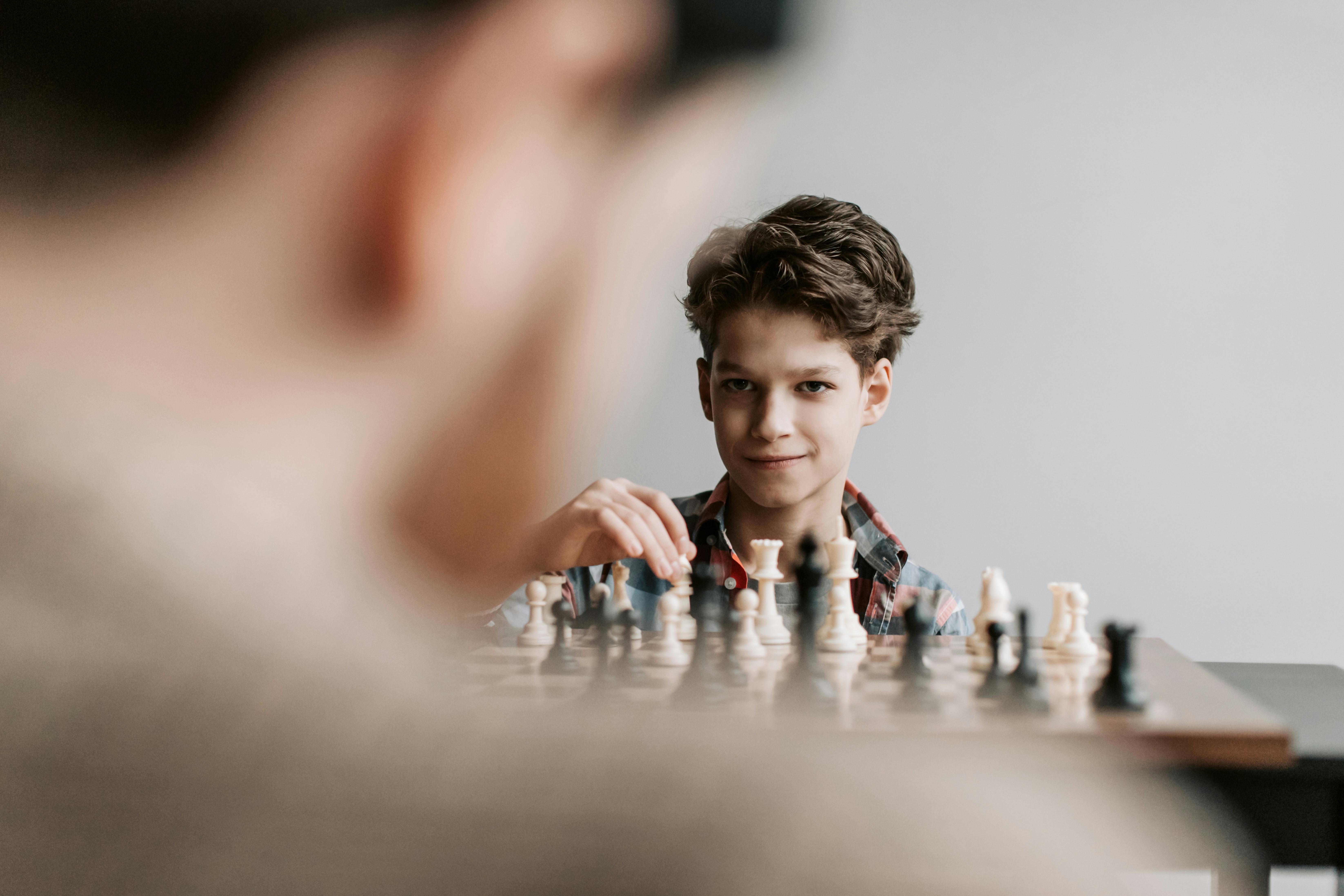
In a world full of distractions and rapid changes, parents constantly seek meaningful ways to support their children's intellectual and emotional development. Among the many activities available today, chess stands out as a time-tested, universally accessible tool that nurtures both the mind and character. This ancient game, often associated with brilliance and patience, holds tremendous value for children—not only as a pastime but as a structured path toward long-term personal growth. Whether your child is highly academic or more creative, the discipline of chess has something unique to offer. It teaches them to think logically, act responsibly, and reflect deeply. In this article, we’ll explore how chess can shape a child’s thinking, enhance emotional control, and cultivate essential life skills—starting with logic and ending with real self-discipline.
1. Logical Thinking as the Foundation
Introducing chess to children during their formative years provides a unique way to build logical thinking. Unlike passive entertainment, chess requires players to anticipate outcomes, analyze consequences, and follow structured rules—all of which support the development of critical reasoning.
Each move in chess demands thought: “If I do this, what happens next?” This process mirrors the type of thinking used in problem-solving across subjects like math and science. Children begin to recognize patterns, form plans, and evaluate positions using cause-and-effect logic.
Beyond the game, these skills translate into better academic performance and decision-making. Chess teaches kids not just how to win, but how to think—carefully, clearly, and with confidence.
2. Concentration and Attention
In an age of constant notifications and fragmented attention spans, helping children develop focus has become more important than ever. Chess provides an ideal training ground for strengthening concentration, as it demands complete mental engagement throughout each game. Unlike video games or short-form media that offer instant gratification, chess rewards those who learn to stay patient, observe carefully, and think several steps ahead.
When children sit down to play a game of chess, they quickly realize that every move counts. A single lapse in attention—missing a check, overlooking a threat, or forgetting a tactic—can change the course of the game entirely. This kind of mental accountability naturally pushes them to stay focused longer. Over time, young players develop the ability to block out distractions, stay immersed in the task at hand, and make more deliberate choices.
This focus isn't just useful on the chessboard. Parents and teachers often notice that children who play chess regularly show better performance in the classroom. They’re more likely to finish tasks without drifting off, follow multi-step instructions with greater accuracy, and exhibit improved reading stamina. In many cases, these gains happen without children even realizing it—because they’re having fun while sharpening their minds.
Another key benefit is the gradual extension of attention span. Younger children may start with short games or lessons, but as they grow more comfortable with chess, they can sit through longer sessions and more complex scenarios. This scaffolding process mirrors how attention develops in academic contexts—starting with basic focus and gradually building endurance.
Moreover, chess supports the development of what psychologists call “executive function”—the set of mental skills responsible for managing time, organizing thoughts, and regulating impulses. These are the very abilities that contribute to long-term academic success, emotional resilience, and self-control. Chess, by its very nature, reinforces all of them. Children learn not just to make a move, but to make the right move, at the right time, after thoughtful analysis.
In a distracted world, the ability to concentrate is a superpower. Chess helps children discover this power through an engaging, rewarding process—one move at a time.
3. Patience and Planning
One of the most valuable life lessons that chess teaches children is the art of patience. In a fast-moving world where speed is often mistaken for intelligence, chess offers a counterbalance: it rewards thoughtful, strategic decision-making rather than impulsive actions. For young players, this can be a transformative experience. They begin to see the value of waiting, thinking things through, and acting with purpose.
In chess, rushing a move often leads to trouble. Children quickly learn that hasty decisions—moving without checking consequences or launching an attack without sufficient preparation—can result in immediate setbacks. This teaches them that success in the game (and in life) often requires slowing down, analyzing the situation, and executing a well-thought-out plan.
The structure of chess games reinforces long-term thinking. Even in shorter formats, children must plan multiple moves ahead, considering not only their own strategy but how an opponent might respond. This habit of visualizing outcomes and adjusting accordingly mirrors skills used in goal-setting, academic planning, and even interpersonal relationships.
Here’s what children gradually learn through chess about patience and planning:
- Delayed gratification: Not every good idea needs to be used immediately—sometimes it's better to wait for the right moment.
- Planning in stages: Understanding how to break down a goal into smaller, manageable steps.
- Resilience: Being patient with themselves after mistakes and finding a way back into the game.
- Adaptability: Learning when to stick to the plan and when to shift based on new information.
All of this helps children shift from reactive behavior to proactive thinking. They stop making random or emotional decisions and start approaching challenges with calm, strategic intent. These are not only important chess skills—they’re essential for succeeding in school, sports, creative work, and eventually, in adult life.
Over time, children who embrace the chess mindset tend to develop a more measured approach to problem-solving. They learn that thoughtful preparation pays off, while impatience often results in avoidable setbacks. In the process, they build a quiet inner strength: the confidence to wait, think, and act wisely.
4. Role of a Coach in a Child’s Chess Development
As children progress in chess, their learning needs inevitably become more complex. What begins as simple pattern recognition or memorizing opening moves gradually evolves into deeper strategic thinking, nuanced decision-making, and emotional regulation under pressure. At this stage, the guidance of a knowledgeable mentor can make all the difference. A parent or peer might spark initial interest, but true development often requires structured feedback and individualized attention.
This is where a chess coach plays a vital role. Unlike general instruction or self-study, working with a coach means receiving personalized insight into what a child is doing right, what needs improvement, and how to bridge the gap. A good coach doesn’t just teach tactics—they teach thinking. They help young players understand the "why" behind every move, turning rote practice into reflective learning.
The benefits of working with a dedicated coach go far beyond skill development:
- Structured growth: Coaches create progressive plans based on a child's current level, ensuring consistent improvement.
- Early correction of bad habits: Many children unknowingly reinforce poor habits when learning alone; a coach can stop that cycle early.
- Motivation and accountability: Regular sessions with a mentor instill discipline and a sense of responsibility.
- Confidence building: Honest, constructive feedback encourages children to reflect and grow, rather than fear mistakes.
Perhaps most importantly, a coach helps the child develop a strategic mindset—not just for chess, but for life. A child who learns to think three moves ahead on the board may also learn to think ahead when managing their time, resolving conflicts, or setting academic goals.
Coaching is not about turning a child into a prodigy overnight. It's about building a sustainable process of development where every challenge becomes an opportunity for growth. Through patience, encouragement, and expertise, a chess coach becomes more than an instructor—they become a trusted partner in a child’s personal and cognitive evolution.
5. Chess and Self-Discipline
While chess is often celebrated for sharpening the mind, one of its most underrated contributions lies in building self-discipline. For children, this skill can be transformative. Unlike games that rely on chance or pure entertainment, chess demands consistent practice, emotional control, and a willingness to confront failure. These qualities are not always innate—but they can be cultivated over time through regular engagement with the game.
In tournament settings, children must sit quietly for long periods, focusing solely on their moves and resisting the urge to act impulsively. They need to manage nerves, cope with pressure, and respond to surprises on the board with composure. These aren’t just game strategies—they're life lessons in self-regulation. Each decision requires effort, awareness, and the ability to override immediate impulses in favor of long-term gain.
Over time, chess teaches children how to take responsibility for their choices. There are no excuses in chess—no blaming teammates, no reliance on luck. Success or failure depends entirely on the player’s decisions. This clarity fosters a powerful internal sense of control, which is essential for developing autonomy and self-discipline.
Children who play chess regularly begin to develop the following habits:
- Consistency: Practicing even when they don’t feel like it, knowing that improvement comes through steady effort.
- Reflection: Analyzing their own games to understand what went wrong and how to improve.
- Emotional resilience: Learning to cope with losses without losing motivation or confidence.
- Goal-setting: Creating plans to reach higher levels of performance over time.
Moreover, chess offers constant feedback—both internal and external. A child quickly understands the impact of careless play or emotional decisions. With each game, they receive clear consequences and new opportunities to improve. This loop of action, consequence, and reflection naturally reinforces disciplined behavior.
Ultimately, self-discipline is not just about controlling impulses. It's about developing the inner strength to pursue growth, even when it’s hard. Chess creates a space where children can build this strength daily—quietly, patiently, and purposefully.
6. Social and Emotional Skills Through Chess
Although often viewed as a solitary activity, chess can be a powerful social tool for children. Whether they are playing in school clubs, online platforms, or over-the-board tournaments, young players are constantly interacting, learning to read others, and navigating the emotional highs and lows that come with any competitive environment. These experiences help build essential social and emotional intelligence that extends far beyond the chessboard.
For many children, their first experience with competition happens through chess. They face opponents of different ages, backgrounds, and skill levels. This exposure encourages empathy and respect, especially when games end with a handshake or a brief conversation, regardless of the result. Children learn that an opponent is not an enemy but a partner in growth—someone who challenges them and helps them improve.
Moreover, chess introduces young minds to the reality of losing—and doing so with grace. Unlike in many academic settings where failure is often discouraged or hidden, in chess, losses are part of the journey. Children quickly learn that defeat is not something to fear but something to learn from. This helps them build emotional resilience and adaptability, preparing them for other life situations where outcomes may not go their way.
Some of the key social and emotional skills children develop through chess include:
- Empathy: Understanding and respecting the opponent’s perspective and feelings.
- Composure: Staying calm in difficult positions and managing emotional reactions.
- Humility: Accepting wins without arrogance and losses without frustration.
- Communication: Interacting with peers, coaches, and adults in structured, respectful ways.
These skills are vital not only in academic settings but also in friendships, team activities, and family relationships. A child who can listen, empathize, and express themselves respectfully has a strong foundation for future success.
In team tournaments or classroom chess programs, cooperation and collaboration come into play. Children may work together to solve puzzles, prepare for matches, or analyze games. These cooperative moments teach them to value input from others, negotiate ideas, and build connections—skills that are essential in today’s interconnected world.
So while chess might seem like a quiet, inward-focused activity, it is also a rich environment for emotional and social development. Every handshake, every shared analysis, every respectful silence after a tough loss is part of that subtle, profound growth.
7. Why Structured Learning Matters
For children to truly benefit from chess—not just as a game, but as a developmental tool—they need more than casual play. While spontaneous matches and playful exploration have their place, structured learning is what transforms scattered experiences into lasting growth. A guided, well-organized approach ensures that progress is steady, skills are reinforced, and gaps in understanding are properly addressed.
One of the most common pitfalls in a child’s chess journey is plateauing. After an initial period of enthusiasm and rapid improvement, progress can stall. This often happens when learning lacks direction. Without a roadmap, children may repeat the same mistakes, focus only on familiar ideas, or skip critical areas like endgames, positional understanding, or time management. Structured learning fills in these gaps and builds a complete skill set.
Effective chess education balances multiple dimensions of the game—tactical sharpness, strategic planning, theoretical knowledge, and psychological readiness. Children exposed to this kind of holistic instruction are more adaptable, consistent, and confident in any chess scenario. More importantly, they begin to develop metacognition: the ability to think about their own thinking, adjust strategies, and reflect on their decisions.
A well-designed chess program for children often includes:
- Sequenced topics: Lessons progress in logical order, building complexity gradually.
- Regular practice: Short exercises, puzzle solving, and full games to reinforce each concept.
- Feedback loops: Reviews of played games, homework, and coach commentary.
- Goal setting: Clear milestones and objectives that guide motivation and track improvement.
Parents sometimes hesitate to formalize chess instruction, thinking it might take the fun out of the game. In reality, structure often enhances enjoyment. Children feel more capable, see their own progress, and engage more deeply when they understand what they’re working toward. They’re not just “playing”—they’re learning with purpose.
For those seeking this kind of intentional development, a high-quality online chess course can be the ideal solution. Designed specifically for young learners, these courses combine expert guidance, interactive materials, and a clear progression model that keeps kids motivated and on track. The right course doesn’t just build better players—it builds stronger thinkers.
Conclusion
Chess is much more than a board game. For children, it becomes a structured path to intellectual, emotional, and social maturity. From developing logical reasoning and sustained focus to cultivating patience, self-discipline, and empathy, the game shapes young minds in profound and lasting ways. With the right support—be it from parents, teachers, or dedicated mentors—chess can become a lifelong asset that strengthens character as much as it sharpens intellect. Whether your child plays casually or aspires to master the game, the lessons learned through chess will echo across every aspect of their growth. In this journey, each move matters—not just on the board, but in life itself.