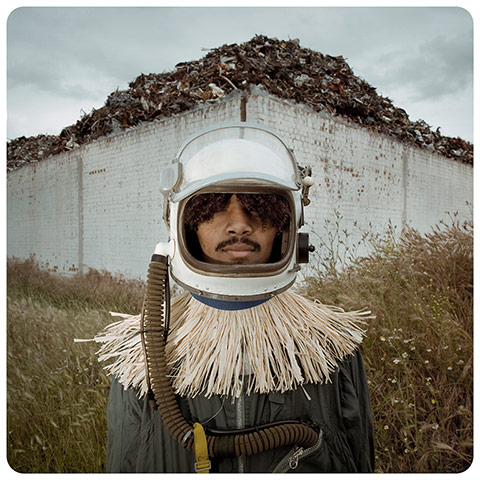
The Deutsche Börse Photography Prize gets a bad rap (not enough “real” photography; too many conceptual shenanigans; the new at the expense of the greats, etc). But it’s a major showcase for those examining and pushing what the form might be. Broomberg & Chanarin probe war-photography tropes, colliding amateur images from the internet with black-and-white shots from the second world war. Mishka Henner’s distanced images of prostitutes on desolate roadsides are lifted from Google Street View; and Christina de Middel creates African sci-fi inspired by Zambia’s space programme. Chris Killip is the traditionalist, with riveting shots of British industrial decline.
The Photographers’ Gallery, W1, to 30 Jun
SS Photograph: PR
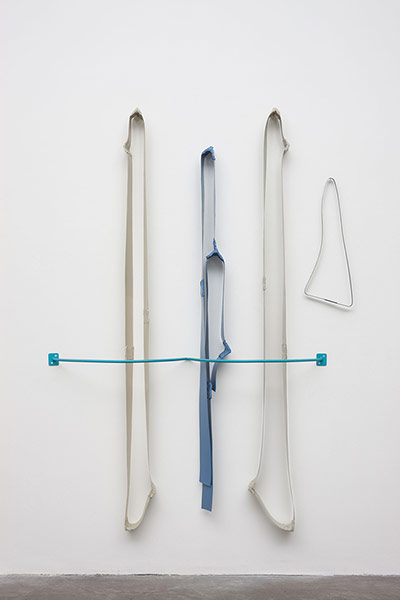
Aleana Egan, creates sculptures that tend to be almost painfully sensitive and so subtle in their precarious composition that their subject seems to be caught at almost the point of disappearance. Humble materials are pinned, propped and hung up on the gallery wall or positioned in small groups across the floor like improvised memorials to some distinctly mysterious sense of personal loss. Scraps of cardboard, screwed-up paper, raw concrete, plain white plaster, roofing felt, rolled-out carpet, polyester stuffing, steel tubing, matt paint, a brick: quite ordinary materials are taken out of their usually useful contexts and assembled to suggest makeshift shrines or tombs. Egan’s work is nothing if it is not enigmatic and therein lies its peculiar charm.
Kerlin Gallery, to 1 Jun
RC Photograph: Denis Mortell
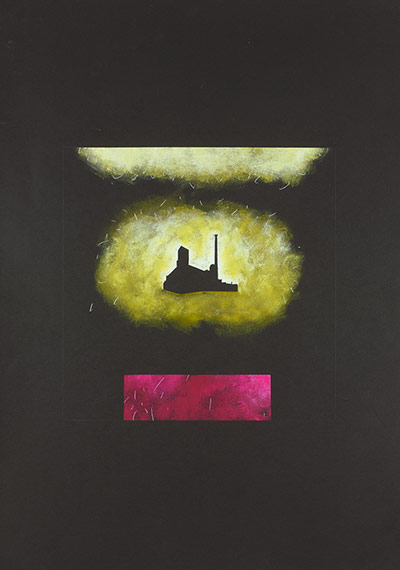
Widely recognised for his architectural stained glass works, Brian Clarke here returns to his birthplace of Oldham to show his distinctive yet less-known drawings and works on paper. Clarke follows the route of Paul Klee’s famous statement that “drawing is taking a line for a walk”. His line is often tentative and exploratory, mapping out ideas as it feels its way across the paper; his washes of translucent colour push and pull against the flatness of the blank white surface. “I’ve been waiting all my life for my line to express who I really am inside, deep down, honestly,” he says.
Gallery Oldham, Sat 20 Apr to 14 Sep
RC Photograph: PR
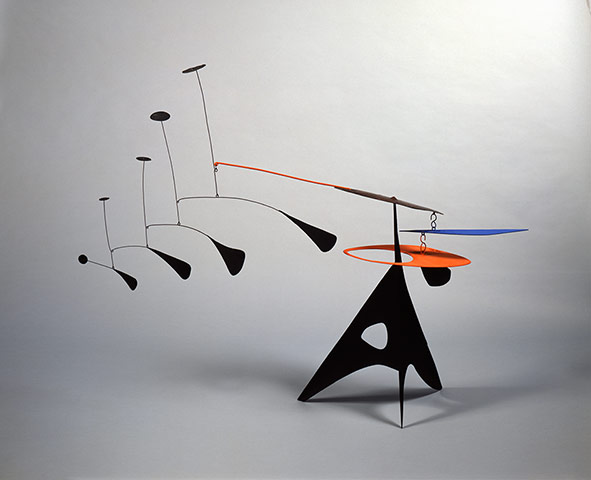
Alexander Calder is not widely regarded as being one of the heavy-weights of modernism but whatever his work lacks in perceived seriousness it makes up for in ebullience. His sculptures are light, both literally and figuratively, like his famed mobiles where brightly coloured shapes float through space like blissed-out birds. This commercial gallery show promises a museum-style survey of his output in the 1940s after the second world war. His favoured material, aluminium, had been in short supply through the war years and he’d experimented with bronze and wood. Returning to his metal of choice, he developed works of greater elegance, including discs hanging like constellations of suns.
Pace London, W1, to 7 Jun
SS Photograph: PR
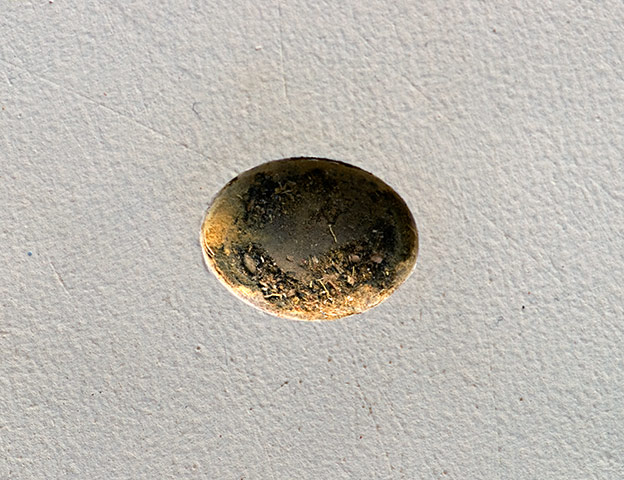
Companion shows by Jane Fradgley and Sarah Bennett see both artists examining the secret histories of Victorian asylums. Bennett (work pictured) has carried out a postmortem of sorts on a former institution in Exminster, scouring the walls for incriminating gouges and knocks; she’s both documented and recreated them as mute proofs of the unknowable dramas of anonymous patients. Fradgley photographs clothes used to restrain women committed at London’s Bethlem hospital, AKA Bedlam – padded dresses, sleeves that bind – as if they’re forensic evidence. She notes how the clothes show consideration for the wearers’ dignity, aping ordinary 19th-century fashions. It’s impossible, though, not to imagine the anguish of those forced to wear them.
Plymouth Arts Centre, Sat 20 Apr to 16 Jun
SS Photograph: PR
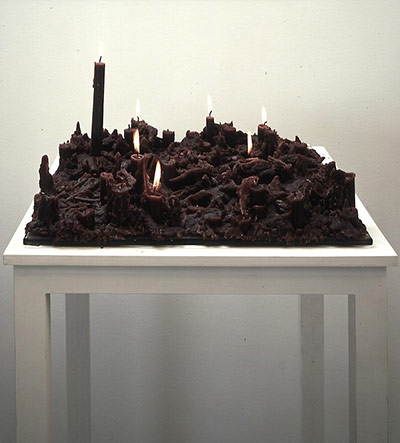
Modern art has been as much about destruction as creation: to avoid the tired predictabilities of mainstream taste, radical artists have subverted what has come before. It’s more rare for destruction to be the primary focus, but here three contemporary artists present installations that play on some kind of creation/destruction symbiosis. In one piece, Anya Gallacio conjures art out of rot itself by sandwiching 100 gerbera daisies between plates of glass so that regular gallery visitors might return to observe their gradual decay. Mark Lewis and Rut Blees Luxemburg take a more urban slant on desolation: using video, photography and collage, they rummage their way through ruined buildings and the implied matrices of wasted lives.
Holden Gallery, to 23 May
RC Photograph: PR
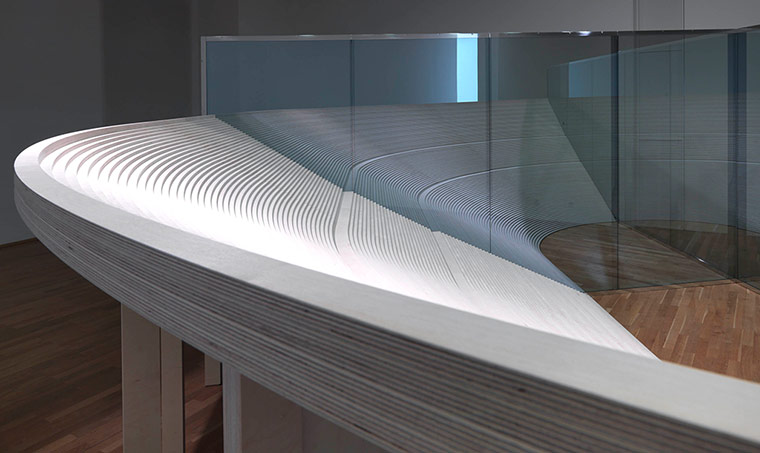
Before TV show fan cuts became familiar YouTube fodder, Paul Pfeiffer rose to fame with digitally altered footage of American sports. Basketballs hovered mid-air, the teams excised, the crowd frenzied; a jubilant player became a tortured Christ when isolated from the game. Here, primal impulses and cultural identity remain the focus, but the pace is slower, the mysteries thicker. We get sex, death and social structures via a seven-day-long film capturing the birth of a queen bee, while a model of a sports stadium continues the notion of insects in the hive. More opaque is a subtly altered 1970s home movie, in which black children are driven by two white women in a car packed with balloons. The relationships are ours to imagine.
Thomas Dane, SW1, Fri 26 Apr to 25 May
SS Photograph: Jens Ziehe
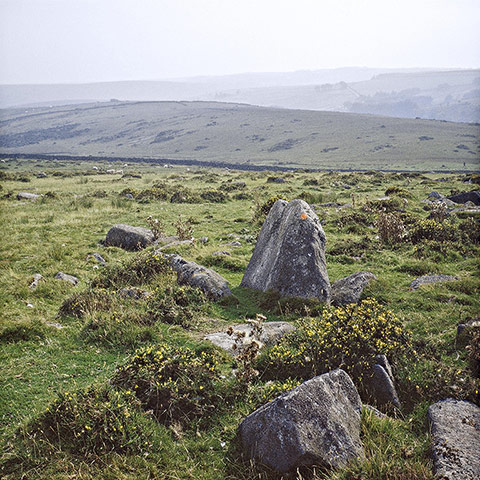
The artists of the 60s and 70s’ land art movement took their work out of the gallery and situated it in what remained of nature. This activity has become all the more culturally pertinent as the global ecological crisis has intensified. Holt’s work had more in common with Stonehenge than with the pop art of its time. Take Sun Tunnels, four concrete tubes installed in northern Utah’s Great Basin desert: its seemingly misplaced tunnels are in fact aligned along the axis of the solstices’ sunrises and sunsets. This survey offers film and photographic documentation of Holt’s return to primal life.
The Whitworth Art Gallery, Sat 20 Apr to 16 Jun
RC Photograph: PR