“Torture is not an effective way to get information,” said former FBI interviewer Joe Navarro, reacting to the Senate intelligence committee’s summary report on the FBI’s torture practices. “A person will do anything to stop the pain and torture”, and the practice “impairs the suspect’s ability to remember details that may be essential to your investigation.”
The CIA’s techniques may have been condemned as ineffective and disdained by professional interrogators, but that doesn’t mean movie and TV audiences will notice any immediate decrease in the onslaught of fictional depictions of torture. Whether your formative cinematic memory is Gert Fröbe aiming an industrial laser between Sean Connery’s spread legs in Goldfinger or Mads Mikkelsen assailing Daniel Craig’s scrotum with a knotted rope in Casino Royale, torture is embedded in popular entertainment.
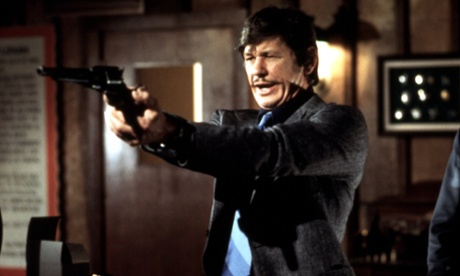
However, the characters performing the torture and our reaction to it has changed. Dishing out pain and delighting in the agonised response it elicits was once the hallmark of the villain. The lines blurred in 1974 with the release of Michael Winner’s Death Wish, which not only invited moviegoers to cheer on grizzled Charles Bronson as he took revenge on the New York punks and muggers who murdered his wife; it persuaded them to empathise with his methods.
Winner made onscreen torture into wish fulfilment for the powerless and paranoid. Death Wish opened the doors for the good man who was pushed too far: the ordinary citizen driven to extremes to protect his family in a world where the law can’t sufficiently punish evildoers. The current keepers of Bronson’s flame, Liam Neeson and Denzel Washington, became late-in-life action heroes by playing quiet, unassuming men capable of unleashing nightmarish retribution when their personal lives were invaded.

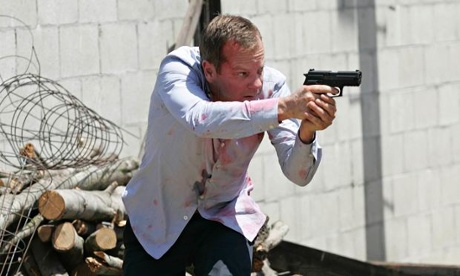
The small screen’s most visible torturer-as-hero was 24’s Jack Bauer. In a post-9/11 landscape that saw Americans nervous about opening their own mail, Kiefer Sutherland was a one-man war on terror, whose methods, however unappetising – remember the time he forced a towel down a suspect’s throat? – always produced results. Late in 24’s run, Jack was hauled in front of a Senate committee and made to account for his sins, a sign that times had changed and Bauer’s was no longer the face America wanted to see reflected in its mirror. But when the character was revived for this year’s Live Another Day miniseries, the sight of Jack Bauer putting suspects in sleeper holds, breaking fingers and shoving his gun in the faces of citizens both guilty and innocent was like the return of an old friend.
Homeland, seen as 24’s spiritual successor, at first largely eschewed torture. CIA agent Carrie Mathison and officer Saul Berenson relied on establishing empathy and a false sense of intimacy with their suspects. But this season, after floundering creatively since the long overdue death of Nicholas Brody, the show has gradually evolved into a high-octane action drama about the CIA in Islamabad, with Rupert Friend’s Peter Quinn character taking on the mantle of a Jack Bauer, complete with instruments of torture.
From the gleeful sadism of the just-concluded Sons of Anarchy to the current cop show Stalker, which debuted with an extended scene of a screaming woman trapped in her car as a masked predator soaked it and her in gasoline before setting her alight, torture is a prime ingredient in TV drama. Hard to stomach as the findings of the Senate intelligence committee report may be, it’s equally hard to imagine a TV producer reading about rectal rehydration and not exclaiming, “I’ve just had a brilliant idea!”