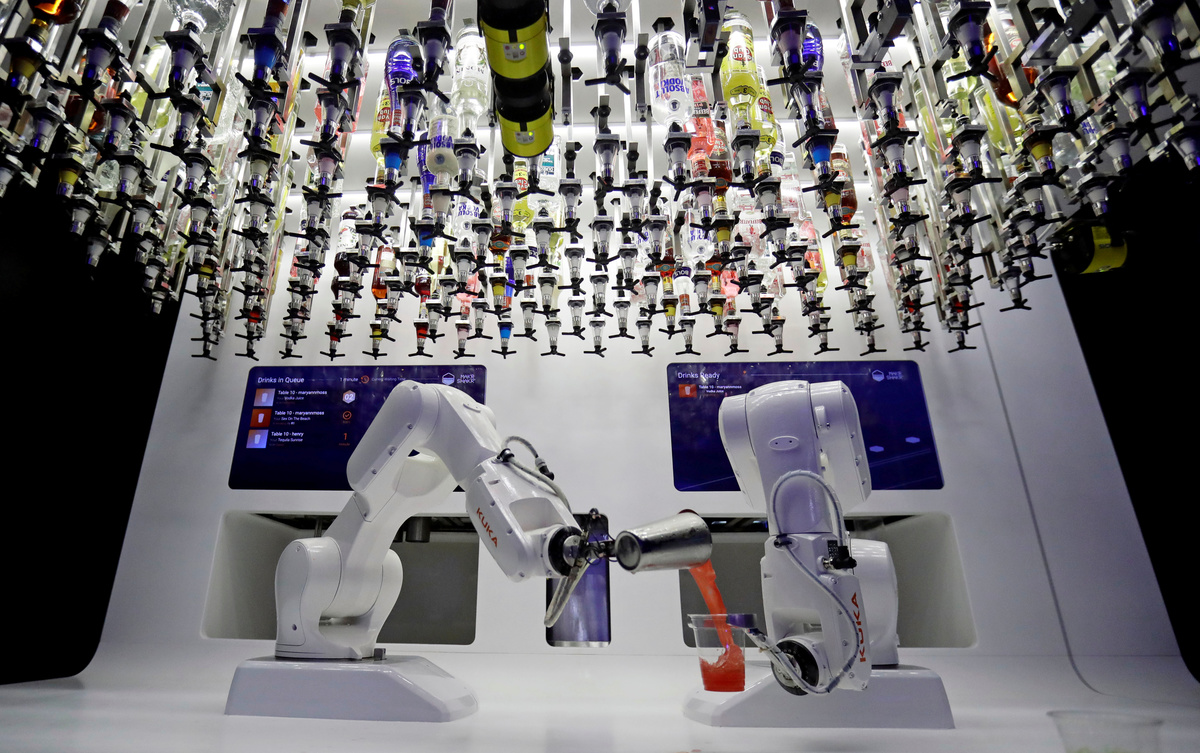
NEW YORK (Reuters) - Artificial intelligence is approaching critical mass at the office, but humans are still likely to be necessary, according to a new study by executive development firm, Future Workplace, in partnership with Oracle.
Future Workplace found an 18% jump over last year in the number of workers who use AI in some facet of their jobs, representing more than half of those surveyed.
Reuters spoke with Dan Schawbel, the research director at Future Workplace and bestselling author of “Back to Human,” about the study’s key findings and the future of work.
Q: You found that 64% of people trust a robot more than their manager. What can robots do better than managers and what can managers do better than robots?
A: What managers can do better are soft skills: understanding employees’ feelings, coaching employees, creating a work culture - things that are hard to measure, but affect someone's workday.
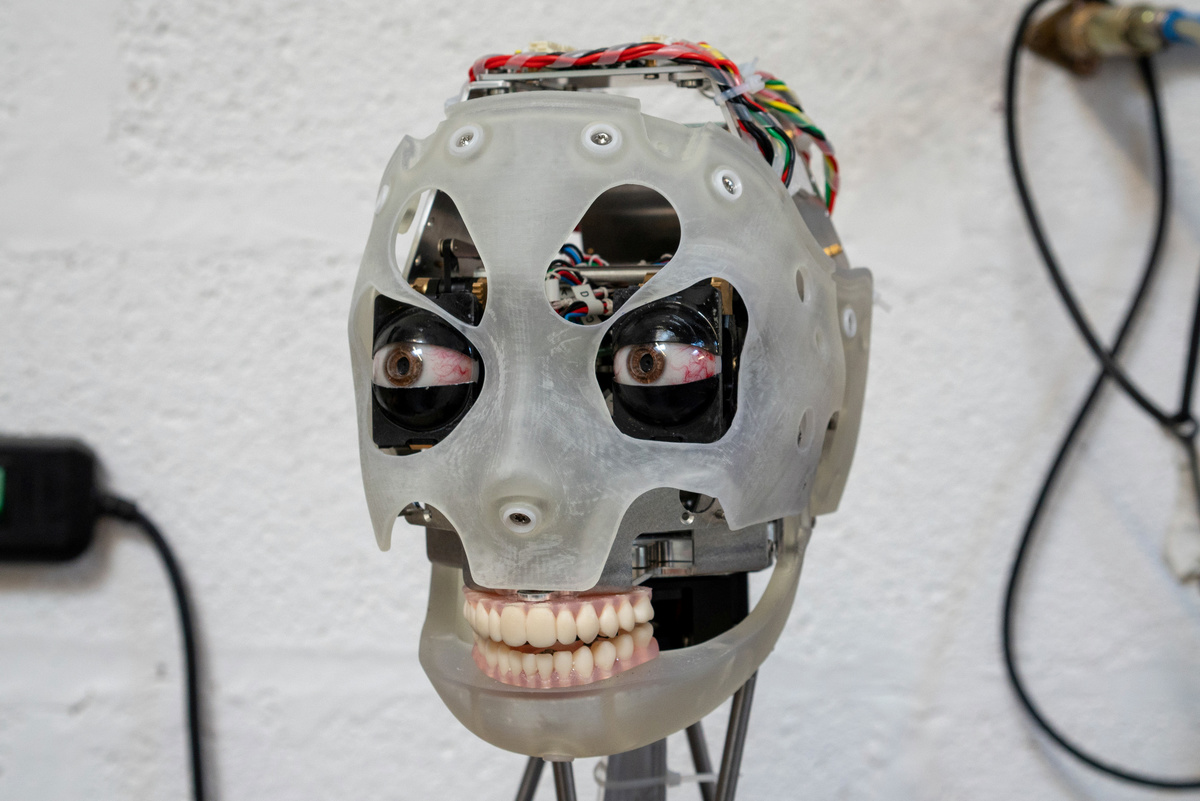
The things robots can do better are hard skills: providing unbiased information, maintaining work schedules, problem solving and maintaining a budget.
Q: Is AI advancing to take over soft skills?
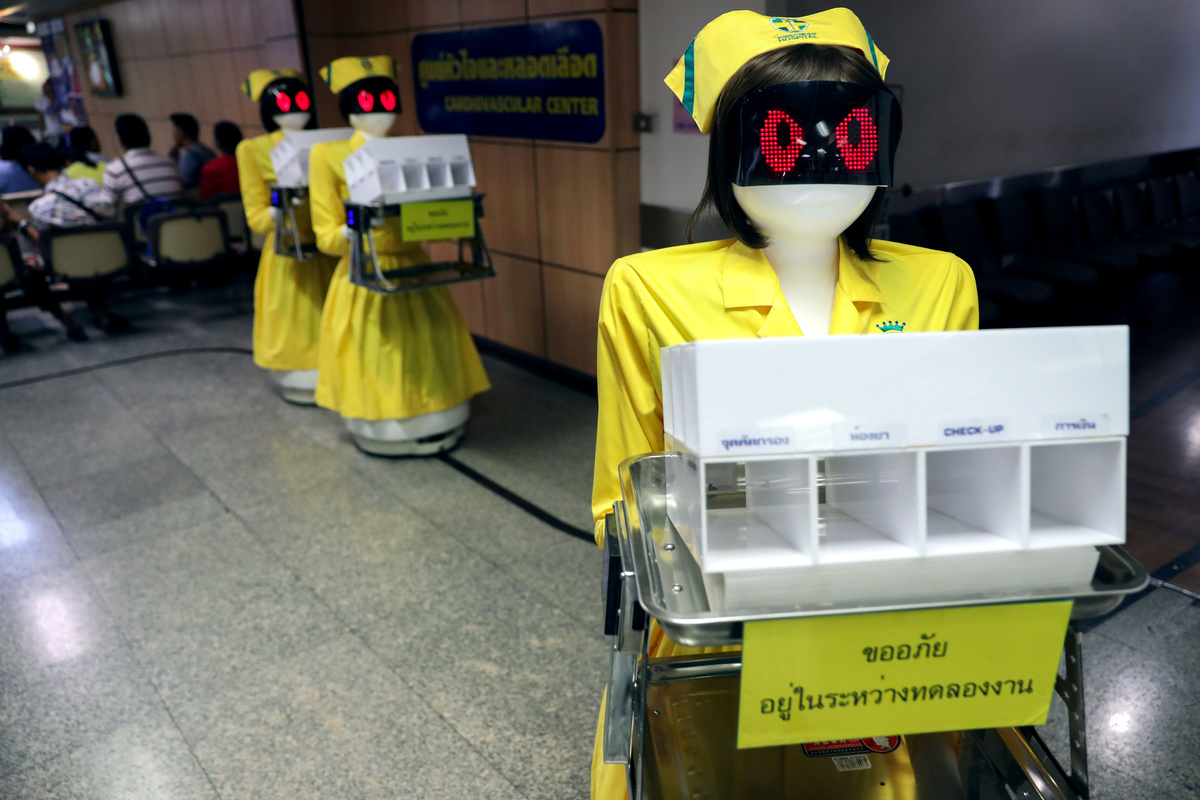
A: Right now, we’re not seeing that. I think the future of work is that human resources is going to be managing the human workforce, whereas information technology is going to be managing the robot workforce. There is no doubt that humans and robots will be working side by side.
Q: Are we properly preparing the next generation to work alongside AI?
A: I think technology is making people more antisocial as they grow up because they’re getting it earlier. Yet the demand right now is for a lot of hard skills that are going to be automated. So eventually, when the hard skills are automated and the soft skills are more in demand, the next generation is in big trouble.
Q: Which countries are using AI the most?
A: India and China, and then Singapore. The countries that are gaining more power and prominence in the world are using AI at work.
Q: If AI does all the easy tasks, will managers be mentally drained with only difficult tasks left to do?
A: I think it's very possible. I always do tasks that require the most thought in the beginning of my day. After 5 or 6 o'clock, I’m exhausted mentally. But if administrative tasks are automated, potentially, the work day becomes consolidated.
That would free us to do more personal things. We have to see if our workday gets shorter if AI eliminates those tasks. If it doesn’t, the burnout culture will increase dramatically.
Q: Seventy percent of your survey respondents were concerned about AI collecting data on them at work. Is that concern legitimate?
A: Yes. You're seeing more and more technology vendors enabling companies to monitor employees’ use of their computers.
If we collect data on employees in the workplace and make the employees suffer consequences for not being focused for eight hours a day, that's going to be a huge problem. No one can focus for that long. It's going to accelerate our burnout epidemic.
Q: How is AI changing hiring practices?
A: One example is Unilever. The first half of their entry-level recruiting process is really AI-centric. You do a video interview and the AI collects data on you and matches it against successful employees. That lowers the pool of candidates. Then candidates spend a day at Unilever doing interviews, and a percentage get a job offer. That's machines and humans working side-by-side.
(Editing by Beth Pinsker and Bernadette Baum)