After days of heavy Israeli airstrikes, and then intensifying artillery fire, some terrified residents of north Gaza are not waiting to see if there is a repeat of 2014, when a ground assault followed.
Under heavy shelling on Thursday night, Rewaa Marouf grabbed her children and fled the town of Beit Lahiya, close to Gaza's northern border with Israel.
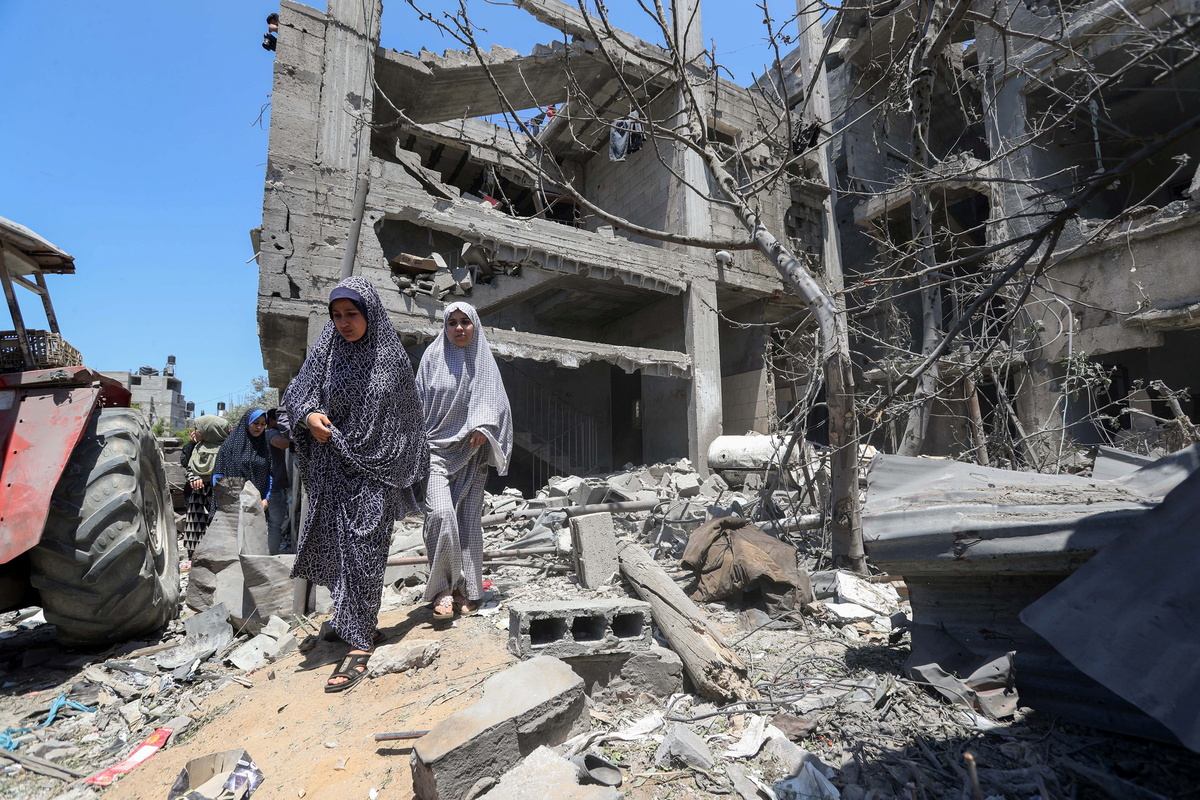
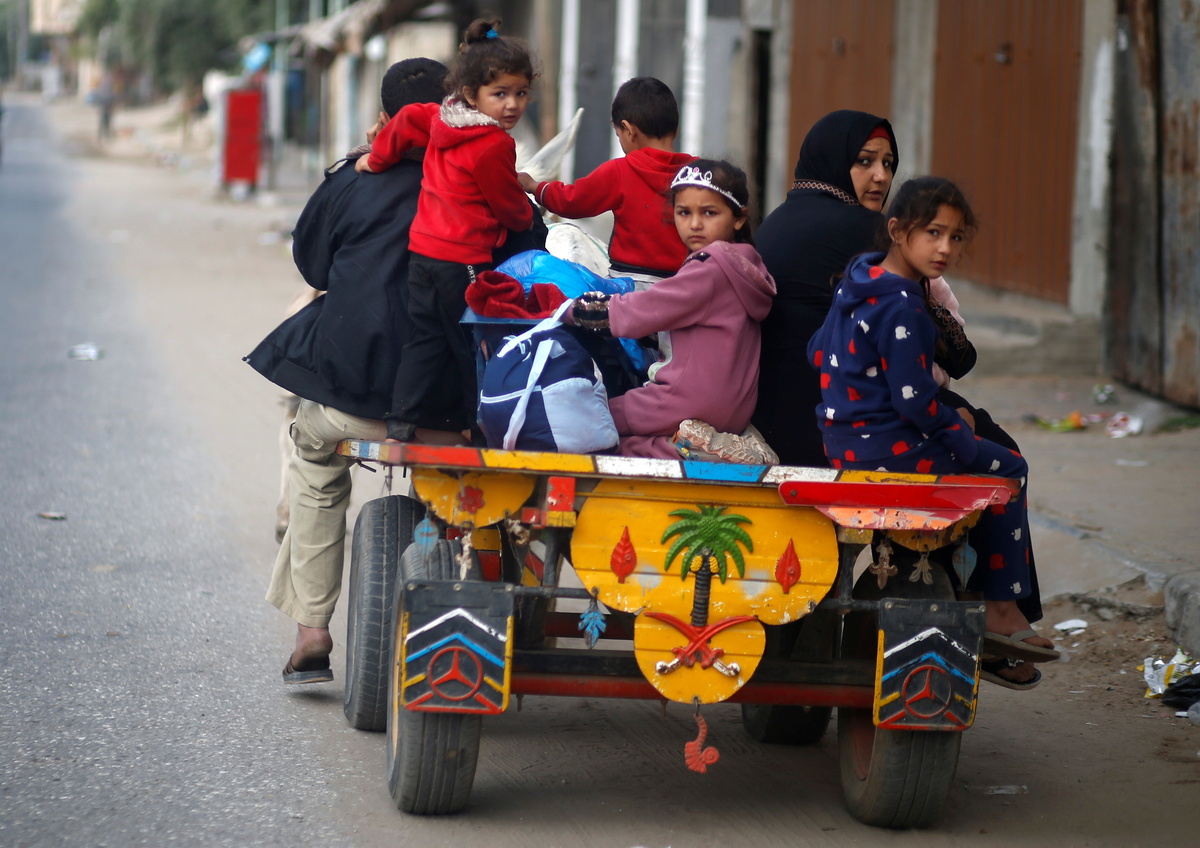
She ended up in a U.N.-run school in Jabalia refugee camp, joining dozens of others crammed inside, while on the roads outside people were heading further south in cars, on donkey carts or by foot.
"We were sitting with the children at home when suddenly the artillery began bombing in all directions," Marouf said, speaking in a classroom at the school in Jabalia.
"The house next to ours was bombed, shrapnel hit our house. We have no idea so far whether the house we left was also bombed," she added, describing her race for shelter.
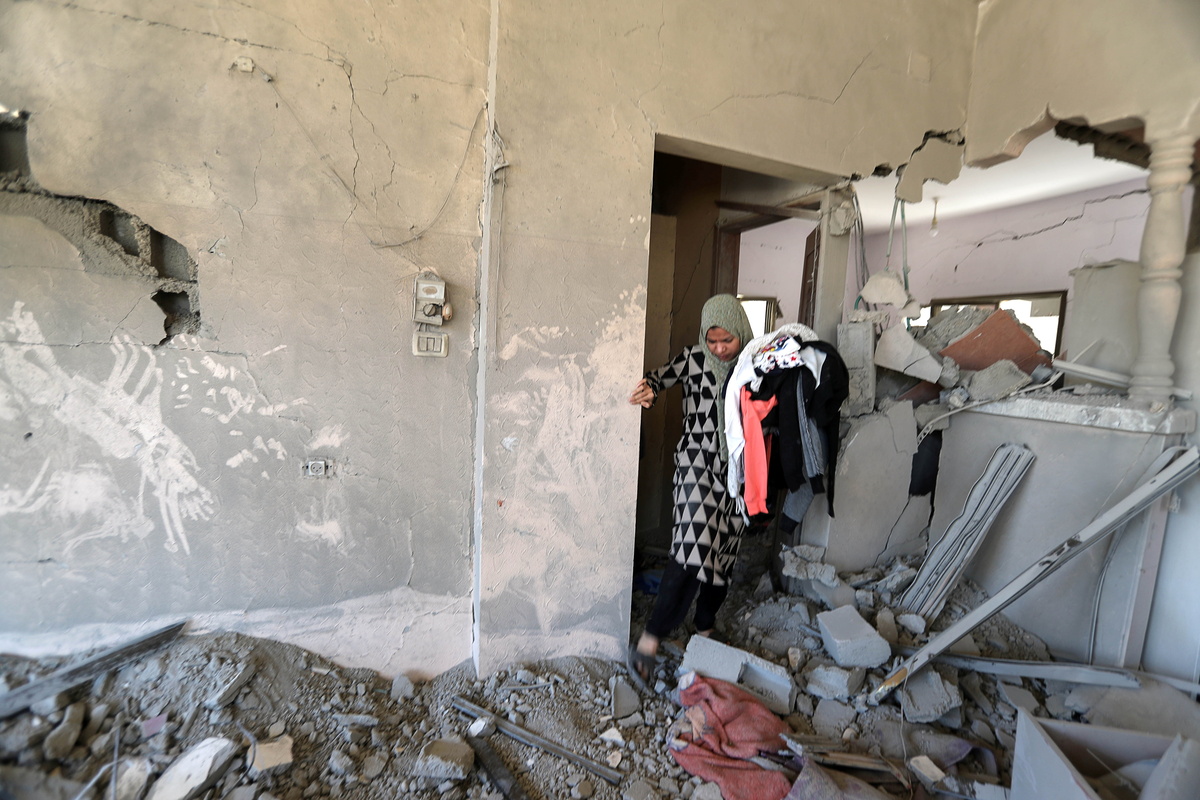
The U.N. refugee agency said hundreds of people had fled to U.N.-run schools in Gaza for shelter on Thursday, particularly in the north, and it was taking steps to make sure the sites were organised to prevent the spread of the coronavirus.
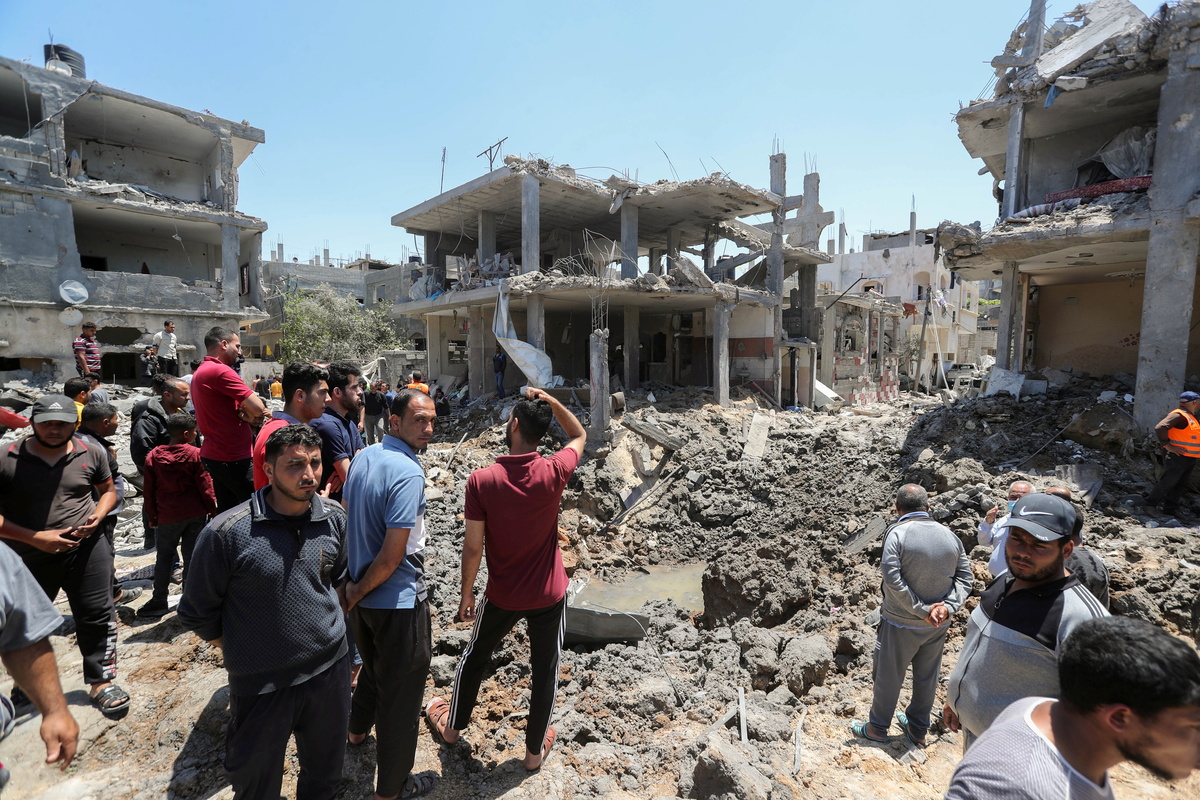
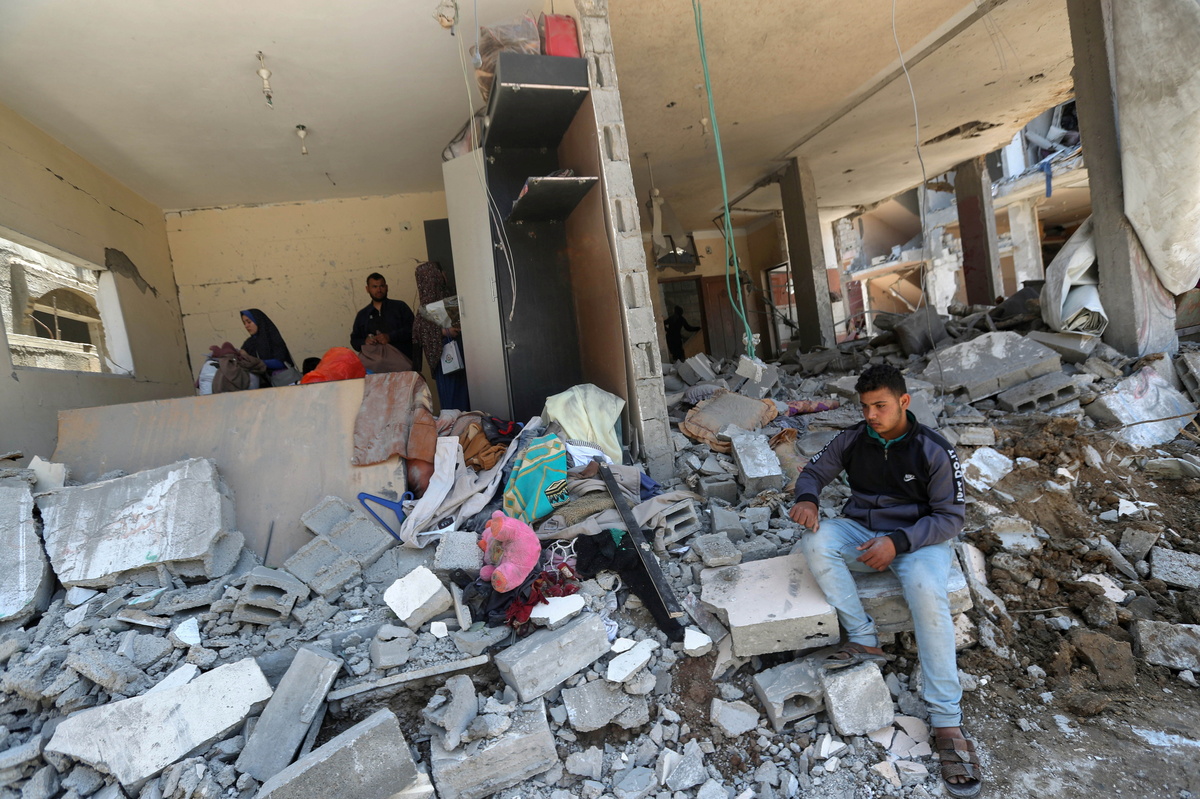
Those heading south - some dragging belonging in handcarts - trudged past buildings pulverised by the conflict in Gaza, a coastal enclave that is home to 2 million people and largely shut off from the outside world in a blockade led by Israel.
Israel says it is trying to stop weapons entering.
It has launched two ground assaults on Gaza in just over a decade, in 2009 and 2014, part of a long-running standoff with Hamas, the Islamist group that has run Gaza since 2007 and whose militants have been firing rockets into Israel.
The Israeli military said Friday that strikes were launched against Hamas and other militant targets in Gaza and it would continue to use force "if needed" to try to stop persistent rocket attacks on Israeli towns that have sent communities across central and southern Israel running for cover.
Israel, the United States and European nations deem Hamas a terrorist group. Hamas says it has a right to protest against the occupation of Palestinian land and seeks an independent nation.
Neither side has shown any sign of easing up in the conflict that erupted on Monday, and Israeli forces have massed on the border. For some residents of Gaza, particularly those in the north, that was a signal to move.
'TERRIFYING'
In Israel, sirens sound across cities to warn of incoming Palestinian rockets, many intercepted by Israeli missile defences.
In Gaza's towns and refugee camps, social media lights up and residents of Beit Lahiya go outside and chant "Allahu Akbar", or God is Greatest, before gathering up neighbours to move out.
"We called one another by names and we screamed 'Allahu Akbar', we made a big group of people and we walked away," said Nawal Abu Halima, 28, a mother of four, describing her flight from Beit Lahiya late Thursday as blasts lit up the night sky.
Adding to the panic, a few minutes into Friday morning the Israeli army set a message saying "ground troops are currently attacking in the Gaza Strip", a statement it later clarified to mean troops had not entered the enclave but were firing into it.
Later on Friday, an Israel Defence Force spokesman acknowledged the message might have been misleading, saying "these things can sometimes happen in the midst of a complex operation."
Whether or not a land assault does come, the intensifying exchanges of fire and Israeli army statements have prompted many Gazans to share their anxieties on Facebook and other social media.
"The situation here is terrifying, terrifying," wrote Mona Helles, whose Facebook page said she lived in Shejaia suburb east of Gaza City.
Another Gaza resident, Mohamed Elbardawil, wrote: "What is happening is an unprecedented madness."
(Reporting by Mohammad Salem in Beit Lahiya and Nidal al-Mughrabi in Gaza City; Additional reporting by Jeffrey Heller in Jerusalem; Writing by Edmund Blair; Editing by Mike Collett-White)