“Time is a thing,” says our minibus driver, with her duffle coat pegged up against the crisp westerlies as we alight in a layby near Campfield Marsh. “Like a bird on the wing.”
“Come again?” asks a guy with Zeiss binoculars. “Just seems apt when we’re near Anthorn,” came the reply. “Birds everywhere. Like it says in the song we sang at school. There – look!” She points across the glittering upper Solway in the direction of Criffel (570m) as barnacle geese fly honking by, necks outstretched. “Birds on the wing!” As we watch, transfixed, she adds: “And over there? See those masts? Time!”
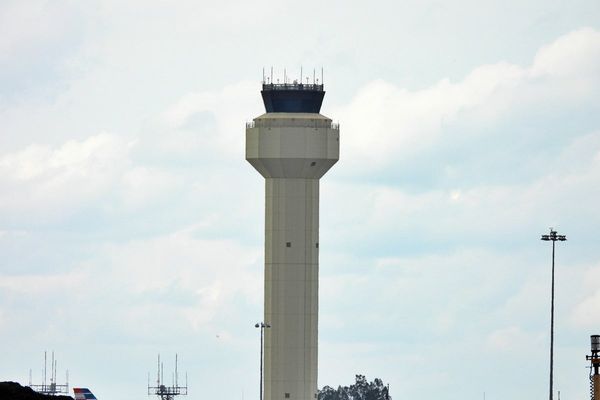
Rising into the kingfisher blue sky are the 13 slender wands that broadcast the time signal for the BBC “pips” to the nation from Anthorn. But it is the waders that drew this busload of West Cumbrian ramblers to the remote Solway estuary. Mudflats, marshes and tidal sands create a wetland teeming with lapwings, oystercatchers, dunlins and curlews, the high tide pushing them onto their saltmarsh roosts.
A bird-watcher tells us over coffee in the nearby wetlands centre that an adjacent hide offers views of hundreds of teals, wigeons and other ducks feeding. But time presses. We drive on towards the desolate sweep of Drumburgh Moss nature reserve where several thousand barnacle geese from Spitzbergen, Iceland and Greenland come to winter.
A couple perusing a birding app on a smartphone point with delight. “Whooper swans!” says one. “Are you sure?” asks her companion. “They look small-ish. Couldn’t they be Bewick swans, no?” “Silly me. So easy to be wrong, even though it says here they’re the only two ‘wild’ swans to winter here.”
We don wellies and take the 800m waymarked route which leads to a raised platform giving views of waders galore. Again, with bar-tailed godwits, black-tailed godwits, golden plovers, knots, curlews and redshanks all swirling around in pale sunlight, novice bird-spotters can be mystified.
“I know,” commiserates our driver. “Difficult! Birders are no strangers to confusion and disappointment. But there is exhilaration too. Like we see today.”


.png?w=600)