
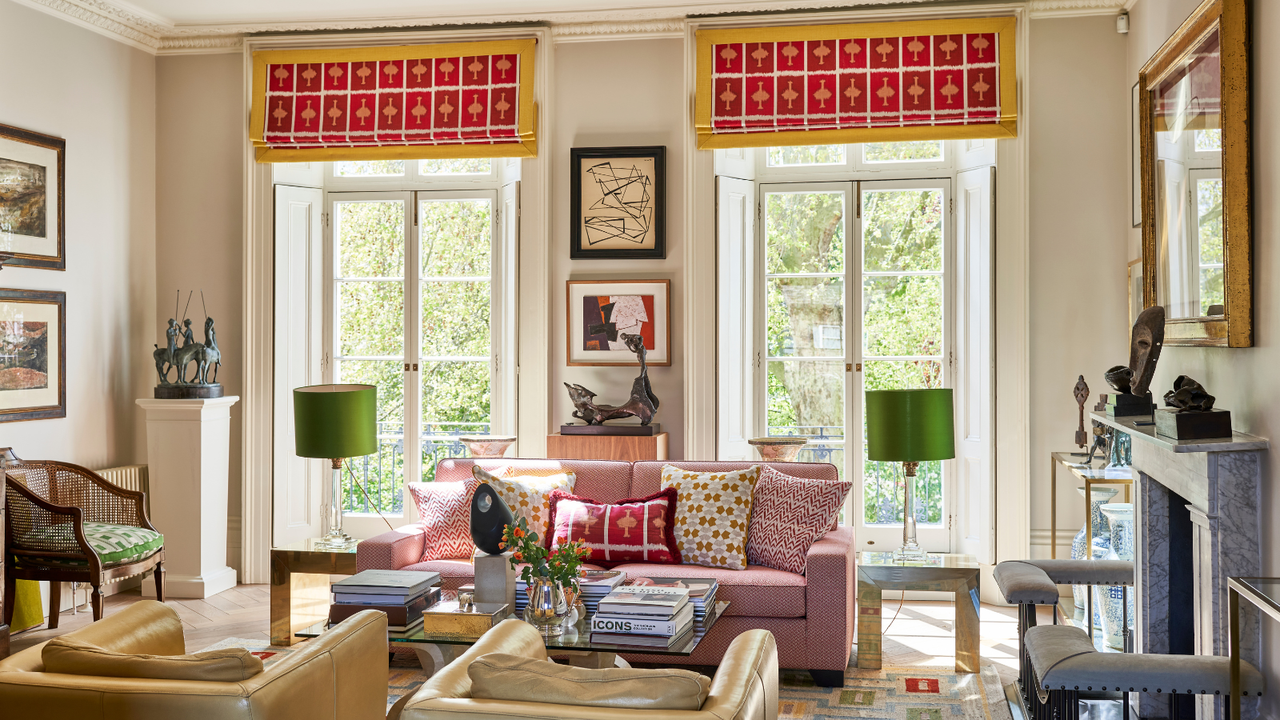
The stack of untouched coffee table books that’s a carbon copy of your neighbors’, the wall art from the 2010s you’ve been meaning to switch out for years, the accent wall you’ve just gotten used to seeing – these are all decor details that could be bringing down the style of your home. And designers are so tired of seeing them in 2026.
Much like everyone on social media right now, I have been enjoying seeing the throwbacks to 2016 – cringing at the filters and the fashion. Now, when we look back, what was once considered the height of style feels dated and tired.
Interior design trends are much the same, and although the speed at which looks come and go out of style seems to have slowed in the past few years, there are certain decor details that have become tropes.
So I summoned the pros to share their insight on which decor details give them that same cringe feeling I get when I look at my 2016 tastes – and they did not hold back. Below, find the decor details you should retire in 2026, and what you should incorporate into your home’s design scheme instead.
1. Faux Plants and Flowers
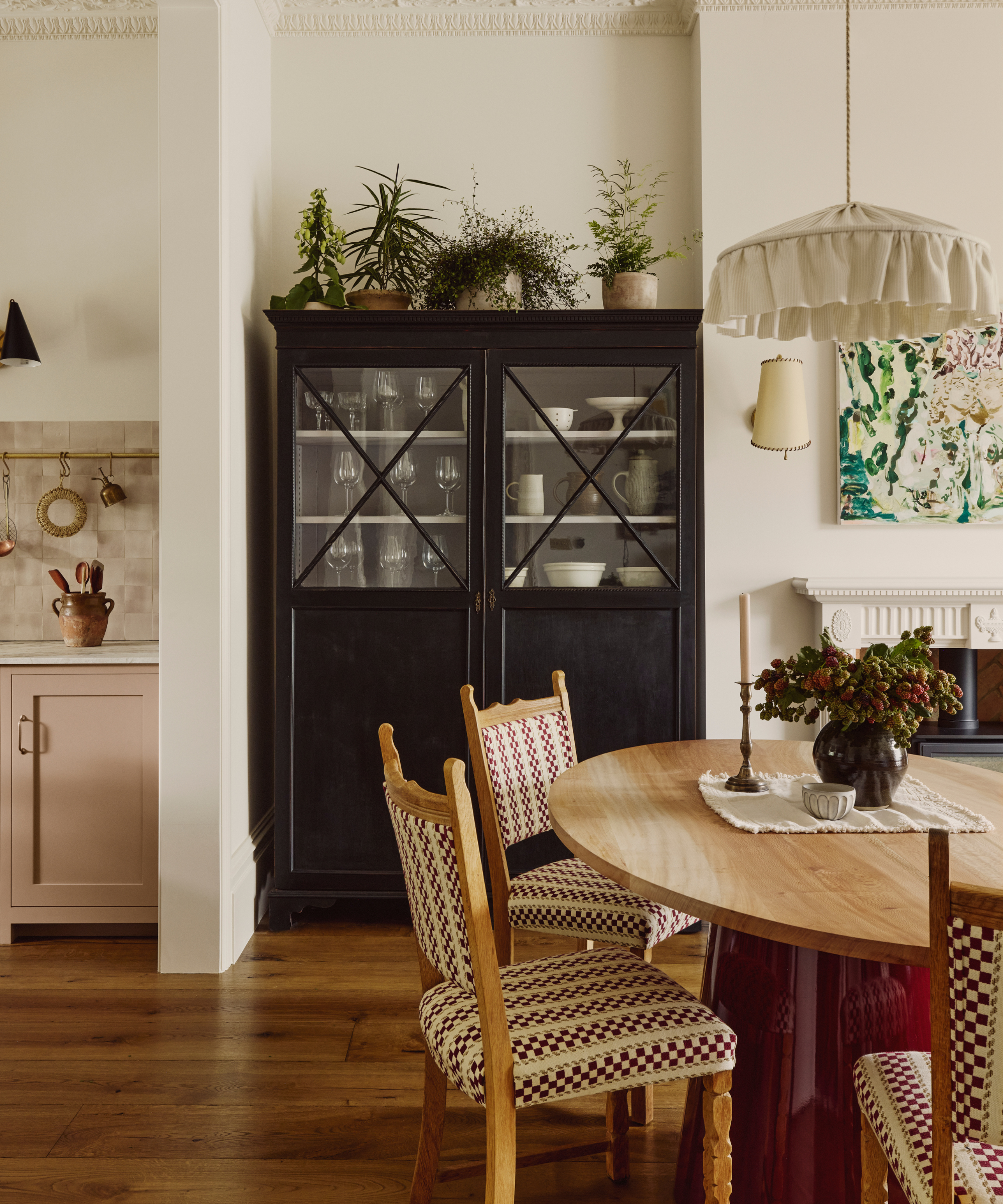
Ask any designer what decor detail they're tired of seeing in interiors, and chances are, they'll always mention faux plants or flowers. Although faux plants are certainly more convenient and last much longer than real plants, they're most definitely not an equal replacement.
As interior designer Lexie Saine explains, 'Faux plants tend to read as static and lifeless, especially in spaces that are otherwise thoughtfully designed. Over time, they collect dust, fade, and can cheapen the overall feel of a room rather than elevate it,' she says.
Instead of decorating your interiors with something fake, it's best to use real plants and flowers that can stylize your home much more effectively. 'There are many low-maintenance options that thrive indoors and bring life, texture, and natural color into a space,' Lexie explains. Some of the best indoor plants include golden pothos and cacti. Even run-of-the-mill, grocery store flowers can do the trick.
If live plants just aren't for you, Lexie has other ideas. 'Sculptural objects, branches, or organic materials like stone, wood, or ceramic vessels can provide visual interest without trying to imitate nature,' she suggests.
This pothos plant is one of the easiest indoor plants to care for. It can provide some freshness and color to any space in your home.
Any bouquet of flowers deserves to sit in a stylish vase. This one should do the trick, with its soft green color and its subtle textural details.
If plants aren't your thing, no worries. There are other ways to bring nature indoors. This natural wood bowl is a great option. It can act as a stylish catchall for your coffee table.
2. Mass-Produced Wall Decor
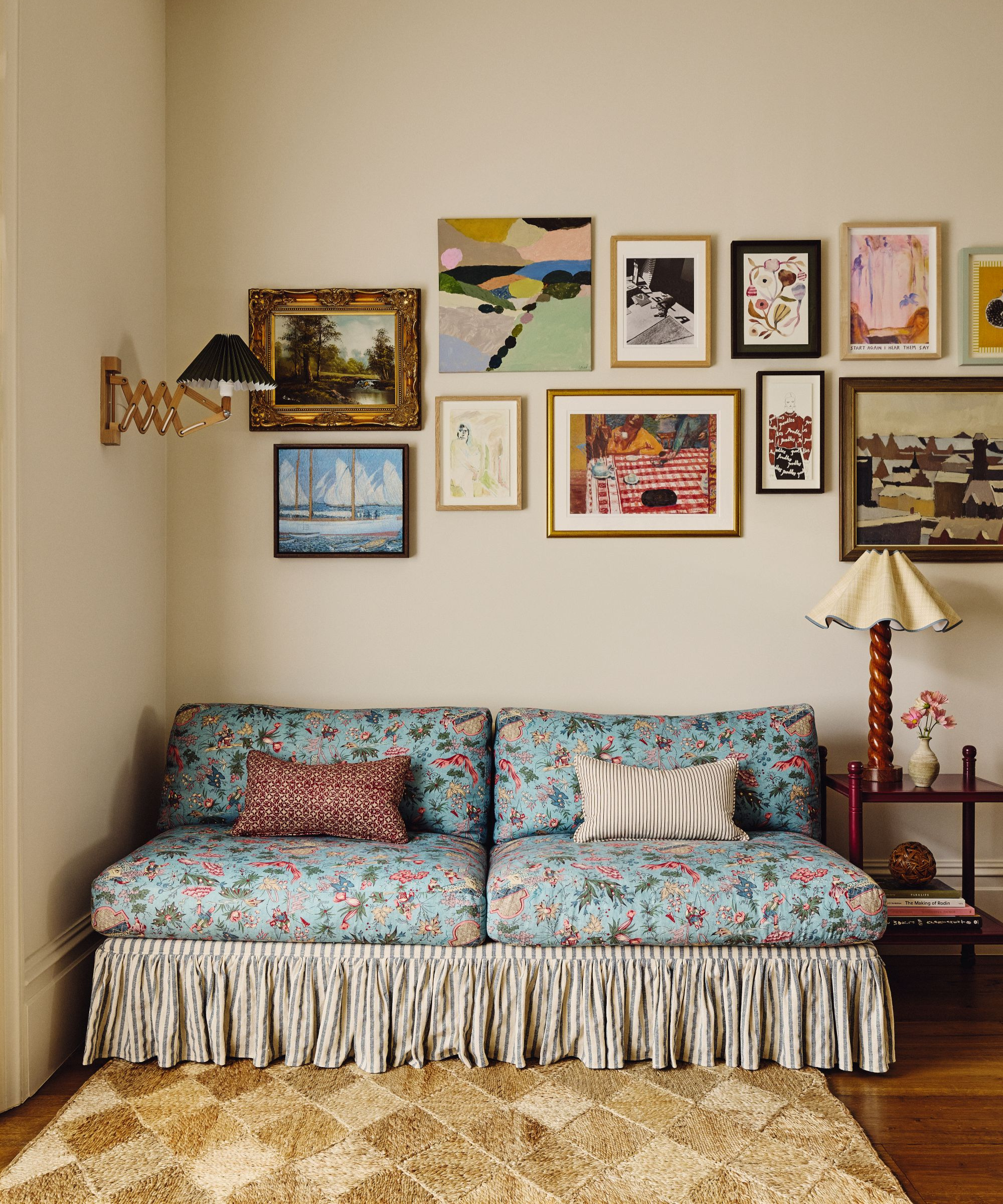
If design trends from the past year have taught us anything, it's that personality-driven and character-rich interiors are more desirable than ever. That's why designers are so against mass-produced wall decor – it looks generic and doesn't speak to those who inhabit the space.
'We are tired of seeing mass-produced art pieces that appear in every big-box catalog,' interior designer Jeannine Bogart explains. 'When you see the same abstract line drawing in ten different homes, it ceases to be art and becomes filler. It lacks the personal narrative and subliminal depth that a home deserves.'
In a perfect world, personal art would be the best alternative – one-of-a-kind pieces that you or someone you know has made. However, not everyone is an artist, or has access to an artist. That's why Jeannine suggests vintage sketches or even framed textiles as an alternative. 'These have 'visual weight' and tell a story that a retail print simply cannot,' she says.
This set of two tapestries can invite some vintage-inspired elegance and textural appeal to any room in which you hang them. Style them together, or separate. Either way, they'll add character to your space.
This oil painting is made to order, so no two will be exactly the same. It can provide some color and textural elegance to any spot in your home.
Vintage maps are one of my favorite forms of wall decor. If there's a city that holds a special place in your heart, find a vintage map of it, and hang it in your home for increased character.
3. Decorative Chains or Bead Strands
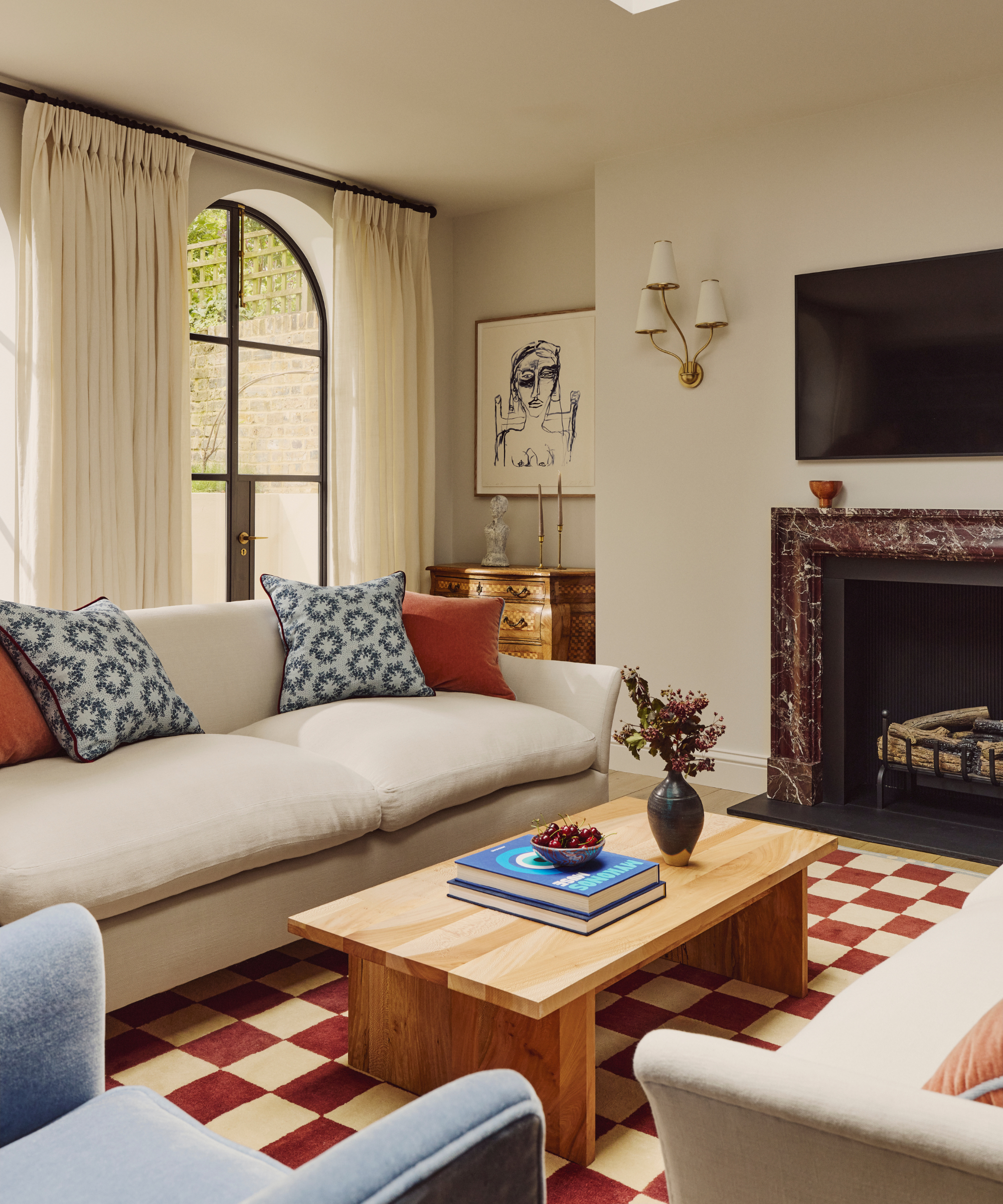
This feels very 2016. Do you remember the decorative beads that seemed to adorn every stylish person's coffee table – no one quite knew what they were for, but they felt 'rustic'. Designer Lindsay Thornton is over them.
'I'm over the 'decor necklace' – that chunky wooden beaded strand that graced coffee tables for years with no real purpose aside from adding warmth through the wooden material,' Lindsay says. These details don't do anything, yet they take up space that could be styled in other, more practical ways.
Rather than styling a shelf or a coffee table with something that has no function, Lindsay suggests incorporating styling pieces that serve a purpose. 'I love using stone or plaster finished catchalls to add in a softness to the room, but that also serve a purpose to anchor a coffee table or hold a cup of coffee,' the designer explains. Purposeful decor that's designed with chic style will always trump non-purposeful decor.
Rather than styling your coffee table with something that's pretty but lacks function, consider a decor detail that can do both – like this tray. It can hold anything from spare change to trinkets, and it'll look good while doing so.
These decorative bookends can stylize your shelves while keeping books in place. Their pink color is fresh and uplifting, and their onyx material invites a subtle level of sophisticated elegance.
Some non-functional decorative objects are simply too stylish to pass up – like this marble cuboid object. It may not have a sole purpose, but it can stylize any tabletop surface with its sleek color and veiny marble design.
4. Generic Books
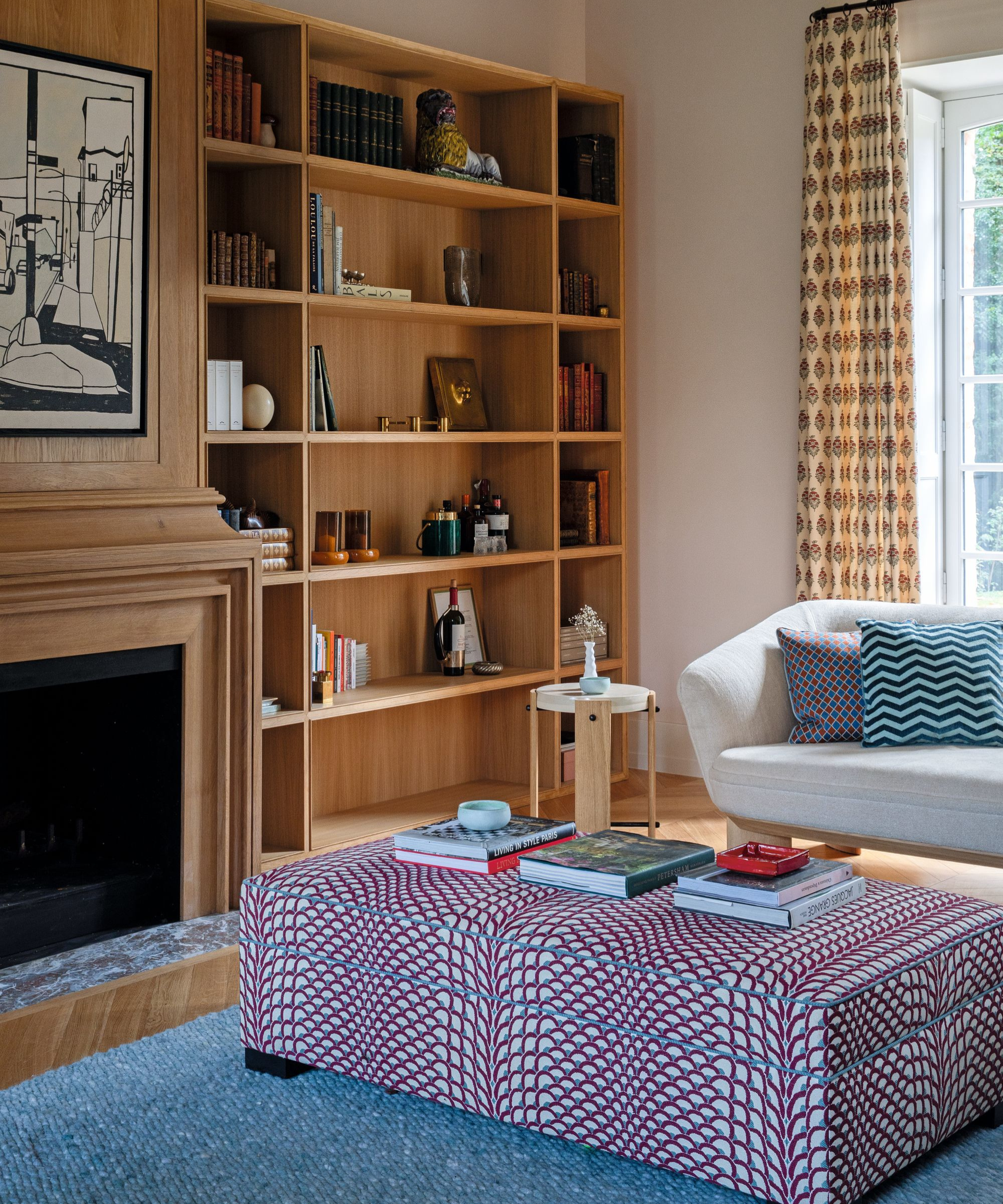
Decorating with books is an easy way to fill your home with personality. However, decorating with generic books – books in which you have no interest in the subject matter – is something many designers are tired of seeing in interior design.
'Fashion house coffee table books seem to be everywhere. Tom Ford has become one of the most recognizable and arguably most overused coffee table books in interiors. It’s undeniably elegant in black and white, but at this point it’s a visual cliché,' interior designer Jacqueline Goncalves explains. There are even some travel books that have become so overused that they've lost their appeal. 'I find these titles read as decorative props, trend-driven and not unique or thoughtful,' Jacqueline says.
If a book doesn't speak to your personality, even if its front cover is pretty, don't bother styling it in your home. It's always going to look forced. Instead, Jacqueline recommends styling books that mean something to you. 'Whether it’s a homeowner’s vintage yearbook, a well-worn leather photo album, an out-of-print fashion or design title, local artist, or information about the property’s history, select pieces that tell a story,' Jacqueline recommends. 'The goal is to create something interesting not just for a photograph, but for the people who inhabit the space.'
If you're a fan of the Museum of Modern Art (or modern art in general), this book is certainly one to keep in your home. It features art from the last 150 years, selected from the museum's permanent collection. Plus, its front cover is quite the work of art itself.
Calling all renaissance art fans – this book is for you. With depictions of some of Sandro Botticelli's most famous works and text to explain the context of each, this book is well worthy of a spot in your home – perhaps laid open, too.
Looking for a design book to keep in your home? Opt for this one. It's a comprehensive overview of design from the 20th century, including key trends and iconic designs. Plus, its bright blue coloring will certainly make a statement on any tabletop surface.
5. Word Art
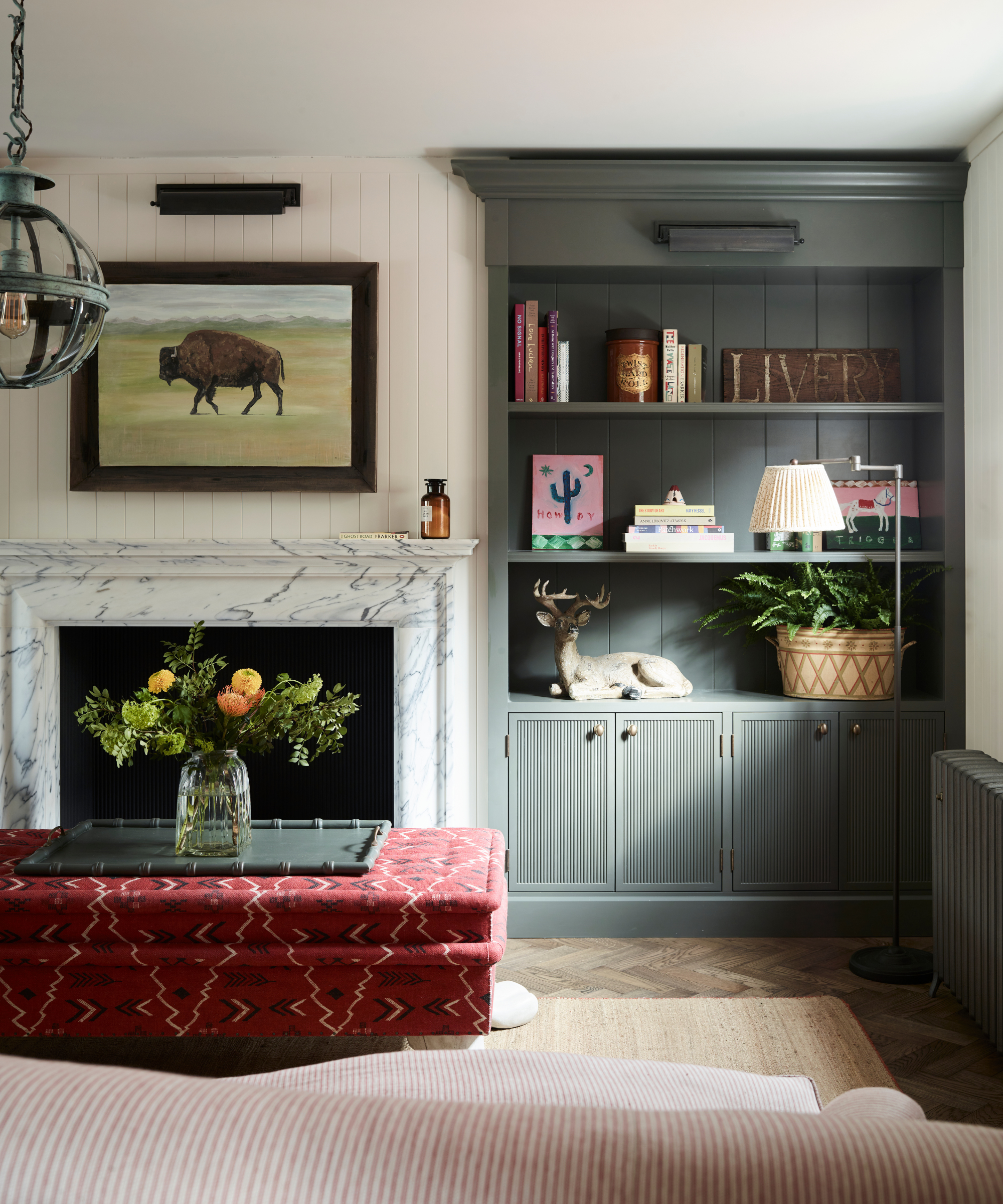
I'm sure we've all fallen victim to the word art trend at some point. I know I certainly did – my kitchen used to be filled with rustic word art signs. But can you blame me? Everyone had them.
However, in 2026, interior designer Allison Smith says it's time we retire the rustic, modern farmhouse-inspired word art. 'We don’t need reminders on how to gather, eat, or be. Those phrases often feel more instructional than intentional,' Allison explains.
If you've hung art with your family name on it, there's absolutely nothing wrong with keeping that up. However, instead of hanging word art that reads 'Come Together' or 'Believe' in your home, opt for 'art with soul,' Allison says. Landscape paintings or photography can be a nice alternative, but Allison also suggests textural artwork like wood, iron, porcelain, or even plaster wall art as a word art replacement. You can even hang plates to add character to a blank wall.
This wall hanging is the perfect detail to add to a small spot in your home in which a standard landscape artwork wouldn't fit. Its brushed brass finish can add textural appeal, and when it catches the light, this wall hanging will make an elegant statement.
Hanging plates is a great alternative to dated word art. With their decorative detailing and calm color scheme, this set of four would be a stylish addition to any room of your home.
If you're having a hard time breaking up with your word art signs, consider this wall charm a worthy replacement. It's made in every letter of the alphabet, so you can choose whichever you want to add personality to your walls.
These details have become overused and impersonal, and if there's one thing designers are looking for in homes, it's decor details that make your home more unique. So embrace the individuality, and remember that the more personal your home looks, the better.