

You’re finally ready to start looking for a vacation home. Finding the right property is only half the battle. How you design and furnish that home can determine whether it becomes a relaxing retreat, a reliable income source — or an expensive drain on your finances.
Many second-home owners eventually rent their property to offset costs, whether through short-term vacation platforms or long-term tenants. But decorating and outfitting a second home requires a different mindset than designing a primary residence. Choices need to appeal to guests, withstand heavy use and help protect your investment.
If you’re investing in a second home and plan to rent it out when you’re not using it, the key is making sure the property pays for itself. These rules can help ensure your investment works for you — not the other way around.
1. Design a space that works for you and your guests
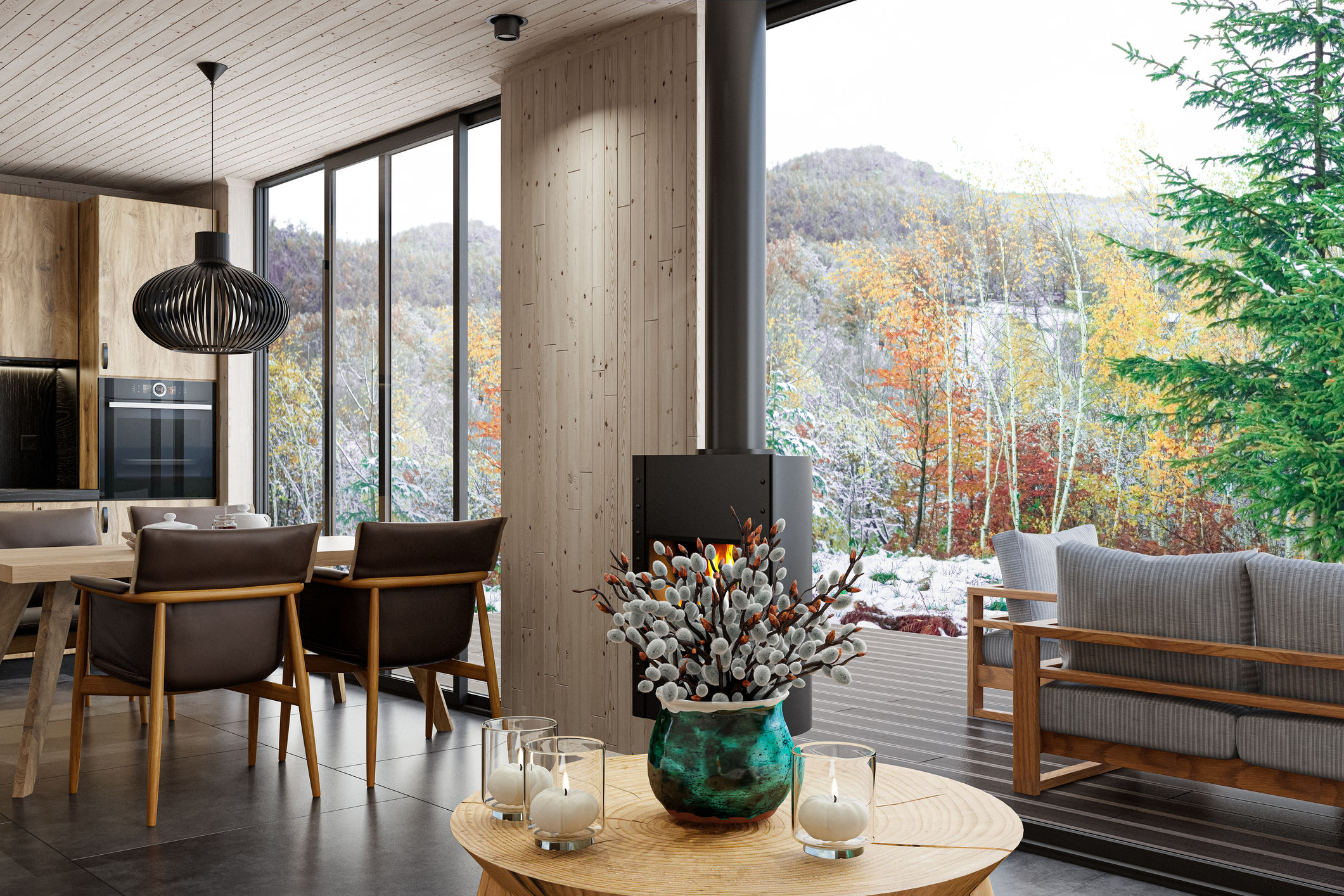
One of the best things about owning a second home is the freedom it gives you, you can design and use the space however you like. But if your goal is to make the property appealing to guests, whether for short-term rentals or visiting family, you’ll want to create an environment that’s both welcoming and versatile.
Start by choosing furnishings and layouts that serve multiple purposes. Look for pieces that reflect your taste while also offering broad appeal for visitors. Think comfortable, durable and timeless. Furniture that can withstand daily use from your family as well as occasional wear from guests. Materials should be easy to clean and high-quality enough to last.
When it comes to design, keep the overall look uncluttered and inviting. Avoid overly busy or distracting décor, and instead aim for a balance of style and function. Adding thoughtful touches like extra seating options, storage that hides away personal items, or neutral color schemes with a few warm accents can help your second home feel both personal and guest-friendly.
2. Let the location guide your home’s style
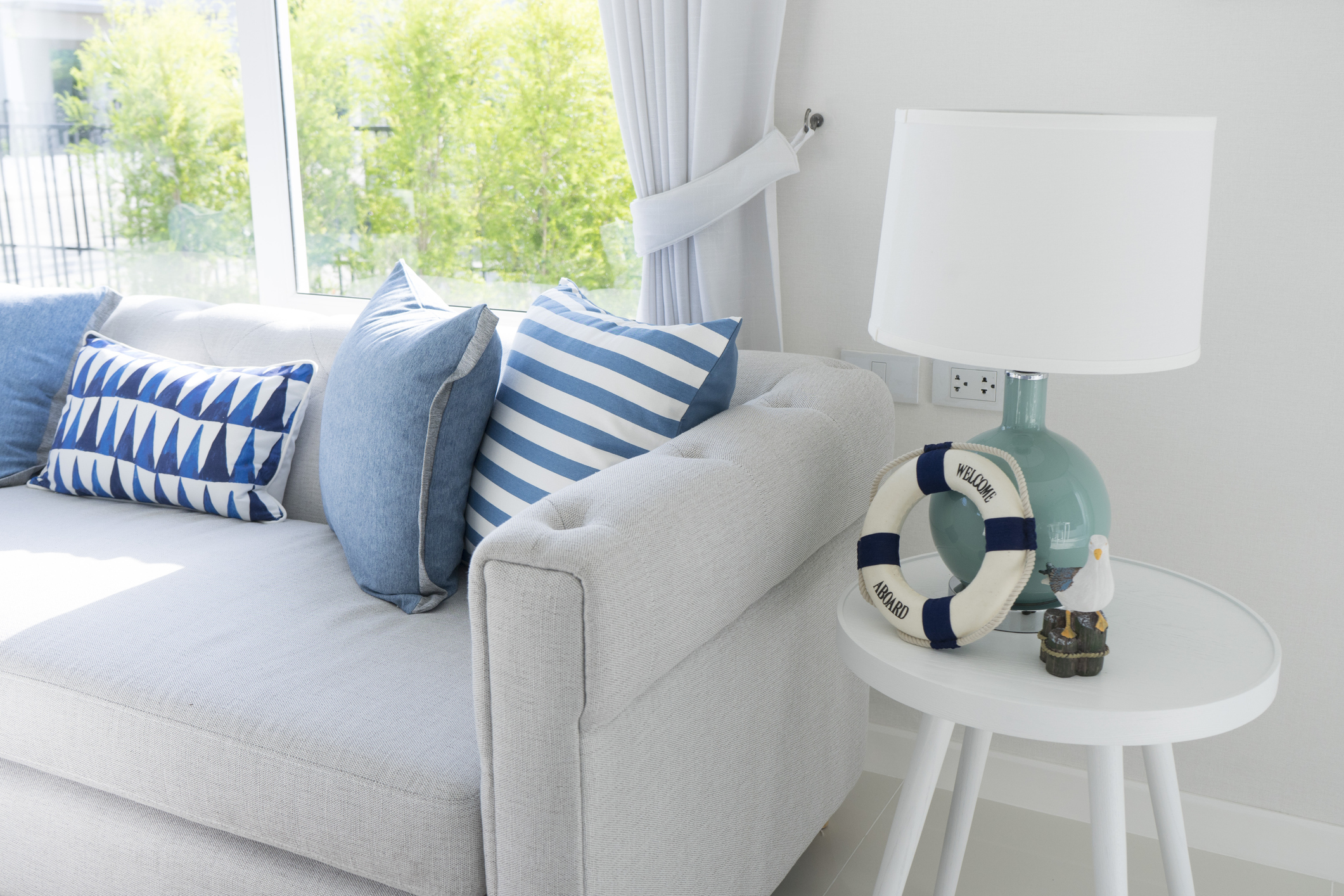
If you’re turning your second home into a vacation rental, let the local community and surroundings guide your design choices. A cottage in a beach town, for example, can lean into light, airy colors, nautical touches, and casual, comfortable furnishings. A mountain cabin, on the other hand, might feel more inviting with rustic textures, natural wood and cozy layers.
The goal isn’t to over-theme the space, but to capture the spirit of the area in a way that feels authentic and welcoming. Play with different design elements until you strike the right balance between your own style and what will resonate with guests. By reflecting the character of the destination, you’ll not only create a more memorable experience but also make your property stand out in a competitive rental market.
3. Offer flexible sleeping options
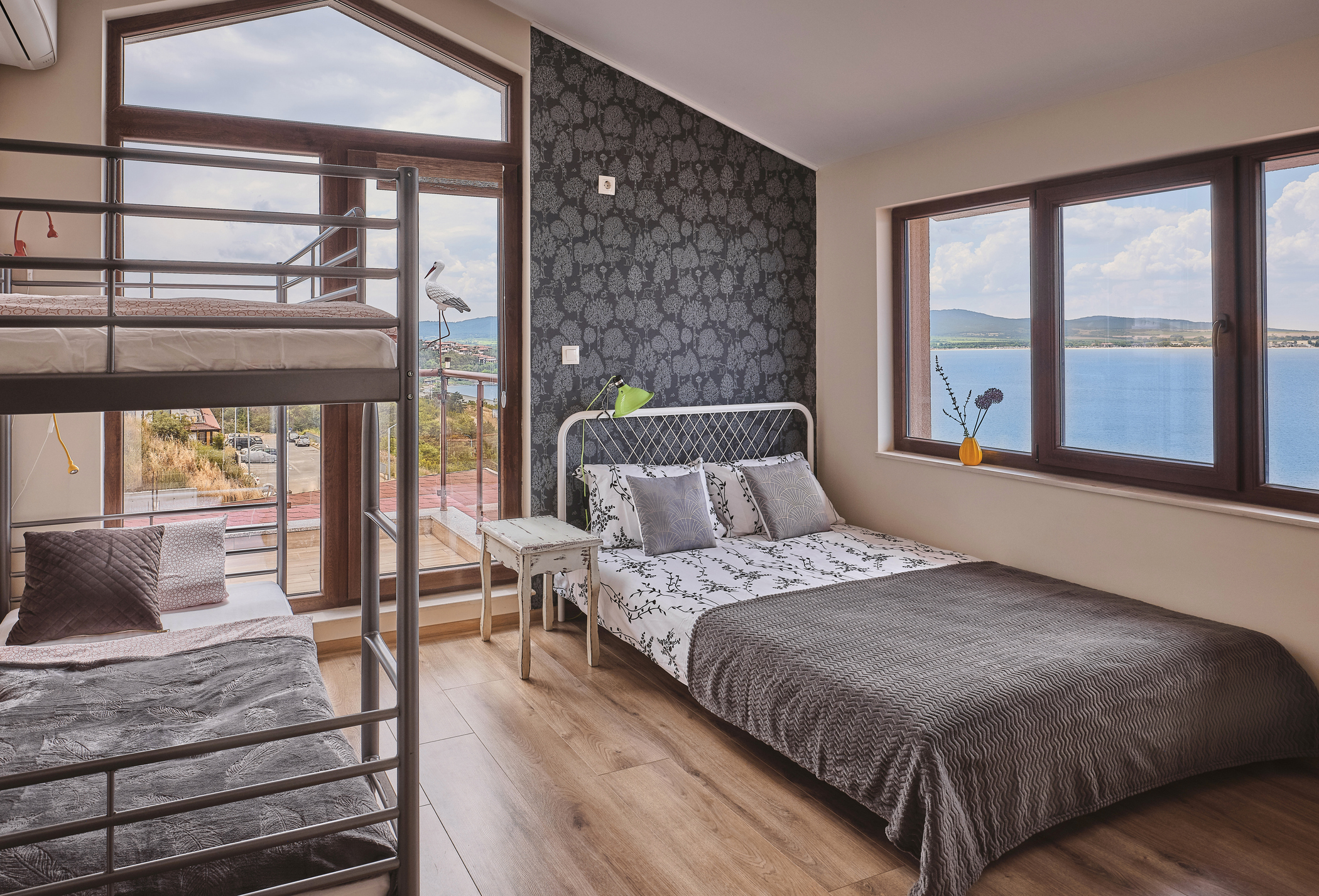
While one bed in the primary bedroom may work for your own stays, it’s worth thinking about the needs of potential visitors. Flexible sleeping arrangements can make your second home more appealing to families, groups of friends or long-term guests.
Instead of one large bed in every room, consider adding two twin beds to at least one bedroom, which can easily accommodate both children and adults. You might also incorporate a sleeper sofa, a daybed with a trundle or even a Murphy bed to maximize capacity without sacrificing style or comfort. These options allow you to host larger groups while keeping the space practical and comfortable for your own use.
4. Choose finishes that cut down on upkeep
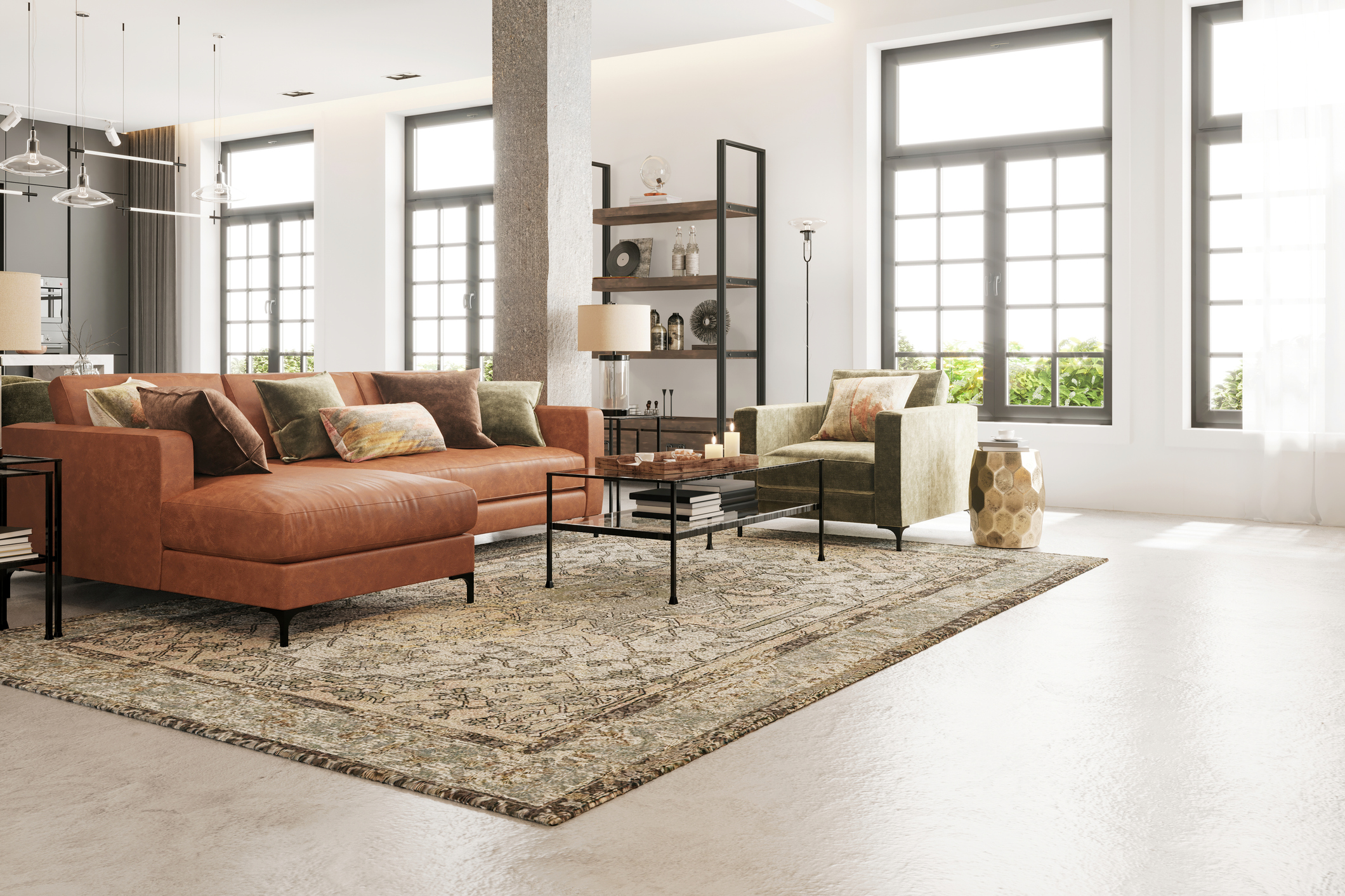
You can invest in quality materials without sacrificing style. Luxury vinyl plank flooring is durable, attractive, and cost-effective, while weather-resistant outdoor furniture extends the life of your patio or deck.
Inside, opt for easy-to-clean fabrics like leather or microfiber and sturdy surfaces such as wood or metal. Choosing low-maintenance, long-lasting pieces helps cut down on turnaround time between guests.
5. Add smart tech for convenience and security

A smart home is nice not just for you, but also for potential guests. There are so many ways to incorporate technology into your second home.
Smart lock
A physical key can be problematic when you regularly rent out your home. You must find a way to get the key to every new visitor staying at your second home. And if they lose it, you have to invest in getting new ones created. A smart lock is a keyless, remote-controlled lock for the front door.
As the homeowner, you can lock and unlock the door from wherever you are and give virtual keys to visitors. You can also set up alerts for activity and get notifications for who is coming and when.
Smart thermostat
Gone are the days of walking up to the thermostat and changing the temperature. Smart thermostats are on Wi-Fi, allowing you to control the temperature wherever you are.
You can set a smart thermostat at a specific temperature during the day (and at night) and turn off your air conditioning when no one is home. You don’t have to be there to do it, but rather, you can make changes straight from your phone.
Security systems
Like other smart home additions, new security systems are easily accessible through an app. You can use popular options like Ring or Google Nest, or get a system installed through a security company, like ADT or Vivint.
Whether you go the professional or DIY approach, choose one that works best with your smart home setup and has a simple user interface.
Keep backup options in mind for all your tech updates if technology falters. What’s your plan if there’s a glitch? You should be able to understand all of your tech, whether it’s restarting it or explaining the features to potential guests.
Make your second home work for you
Owning a second home can be a luxury, but it also brings extra expenses — from the mortgage to insurance, taxes and upkeep. One way to offset those costs is by turning the property into a source of income.
With the right upgrades, your second home can double as a rental when you’re not using it. Thoughtful design choices and smart home improvements not only make the space more appealing to guests but also help your property stand out in a competitive market.
In the market for a vacation home? Use the tool below, powered by Bankrate, to explore and compare some of today's top mortgage offers: