Depopulation turns Serbian villages into ghost towns
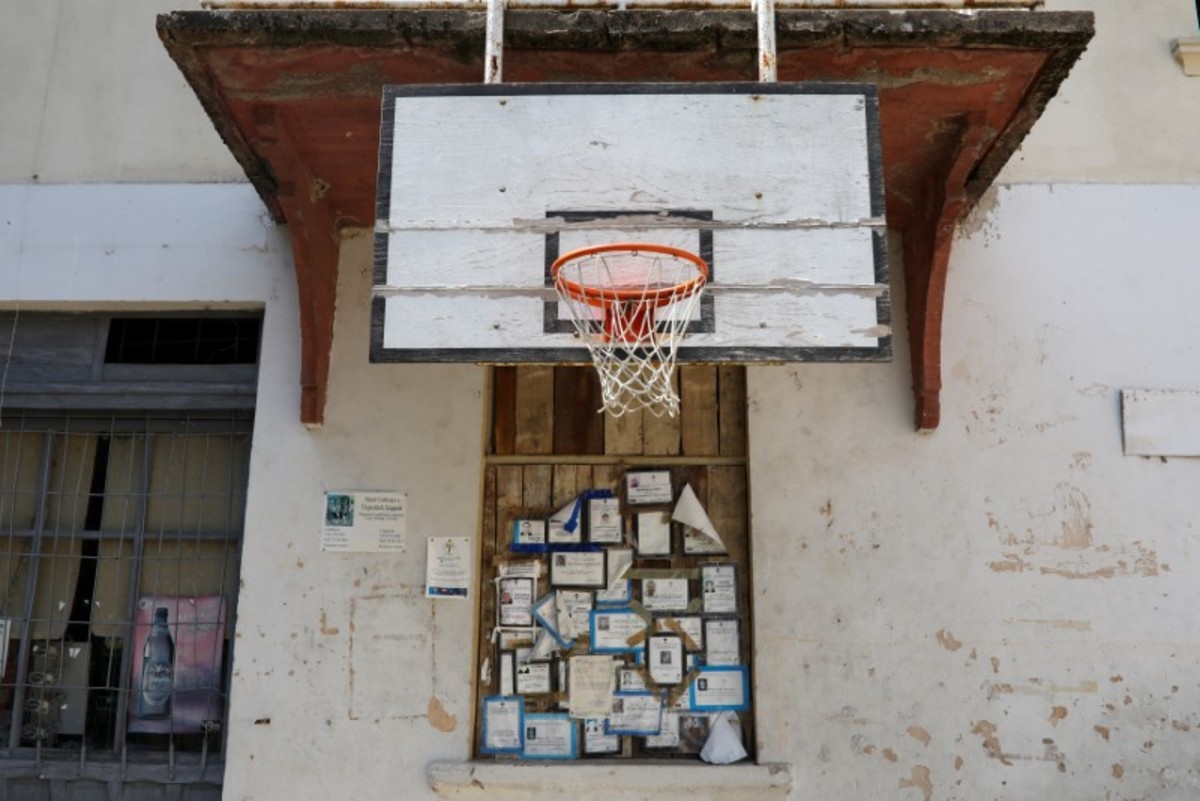
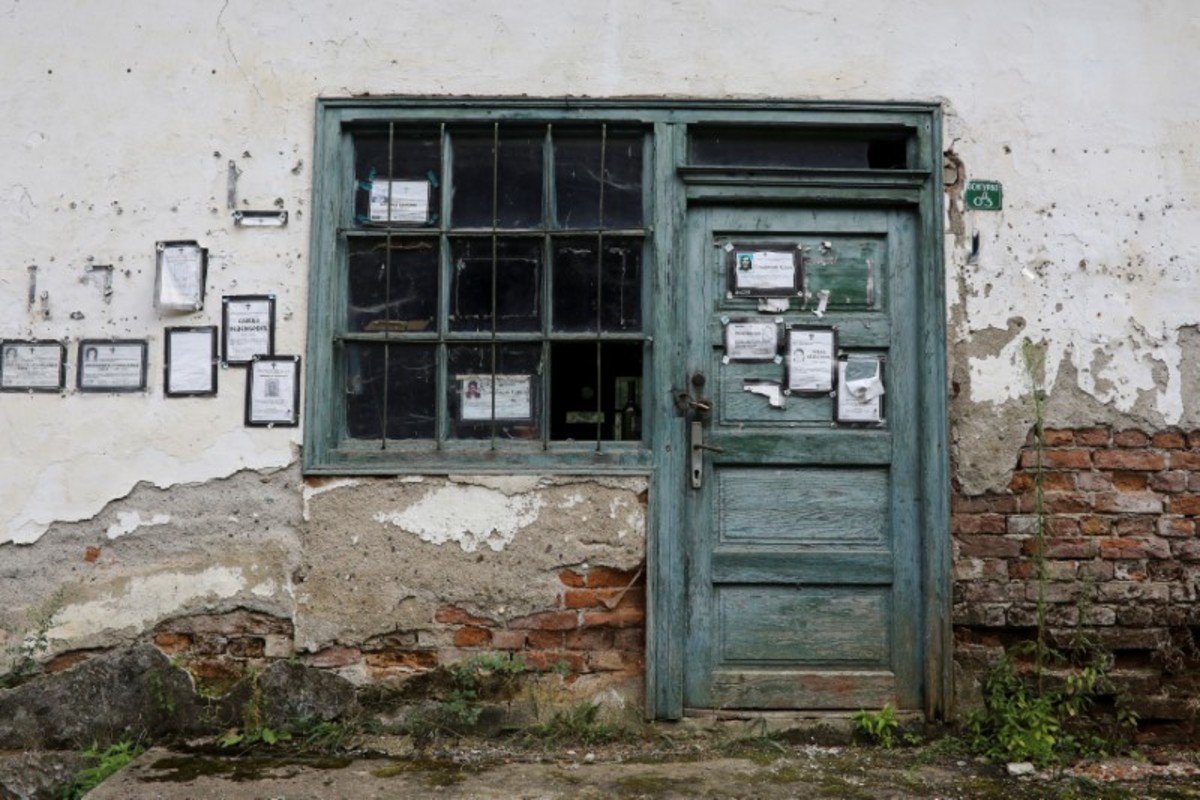
Death notices are seen on a wall below a basketball board in the village of Strbac, near the south-eastern town of Knjazevac, Serbia, August 15, 2016. REUTERS/Marko Djurica
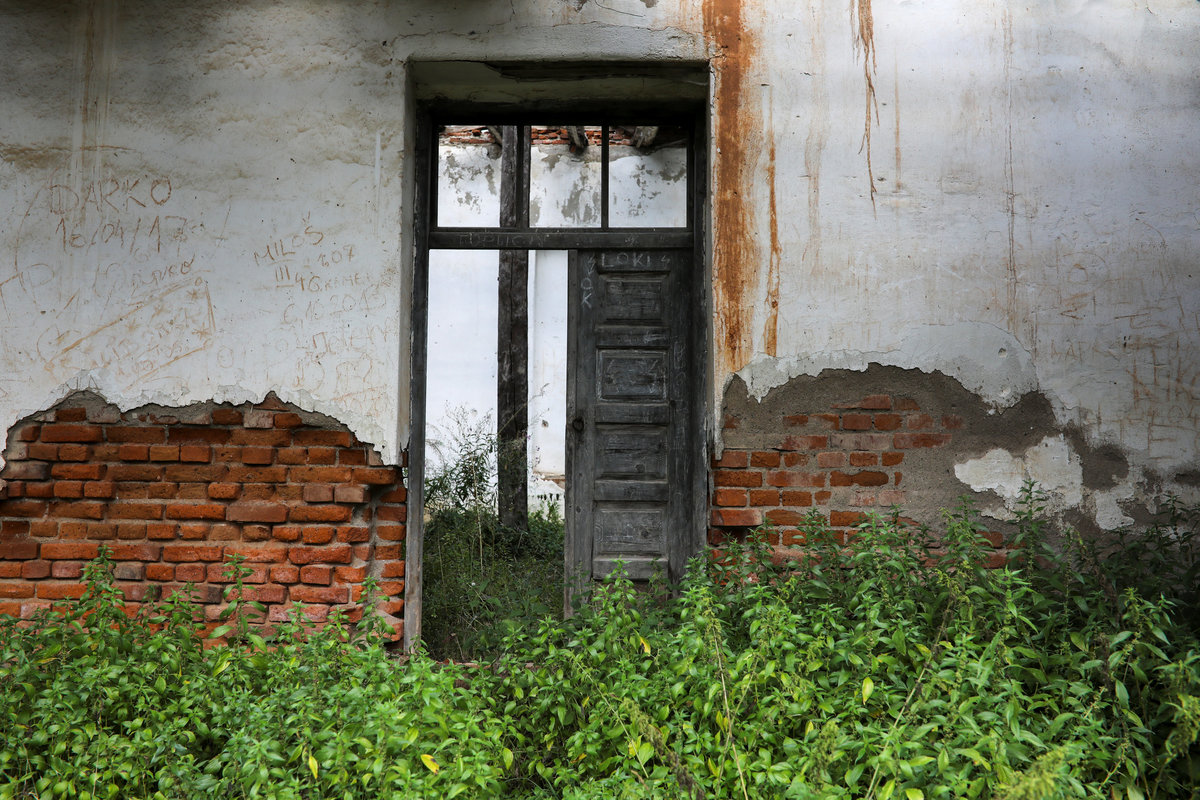
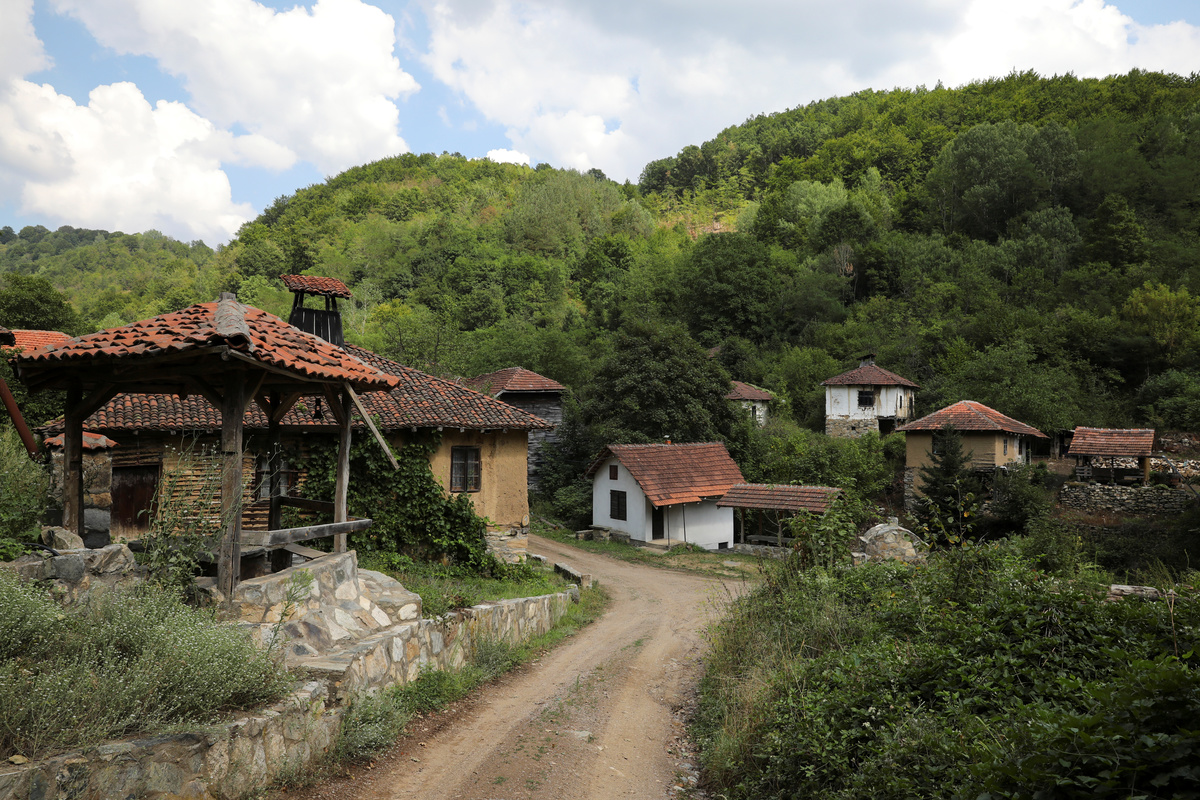
REPUSNICA, Serbia (Reuters) - Repusnica was once a bustling village on the slopes of Mount Stara Planina in Serbia. Now its bars lie empty, its houses stand shuttered and nobody walks its streets.
Authorities declared the village near the border with Bulgaria closed in 1998 due to depopulation caused by mechanization of the economy, the closure of state factories and an exodus from Serbia linked to the Balkan wars of the 1990s.
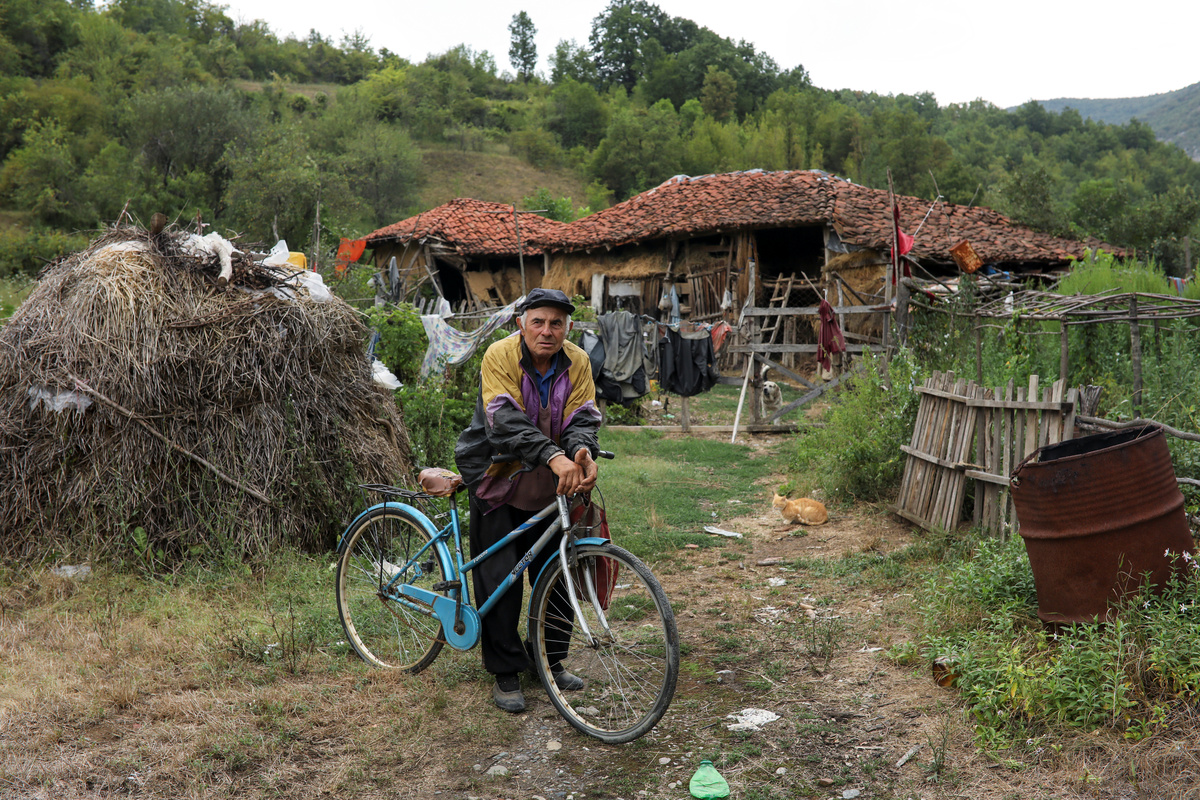
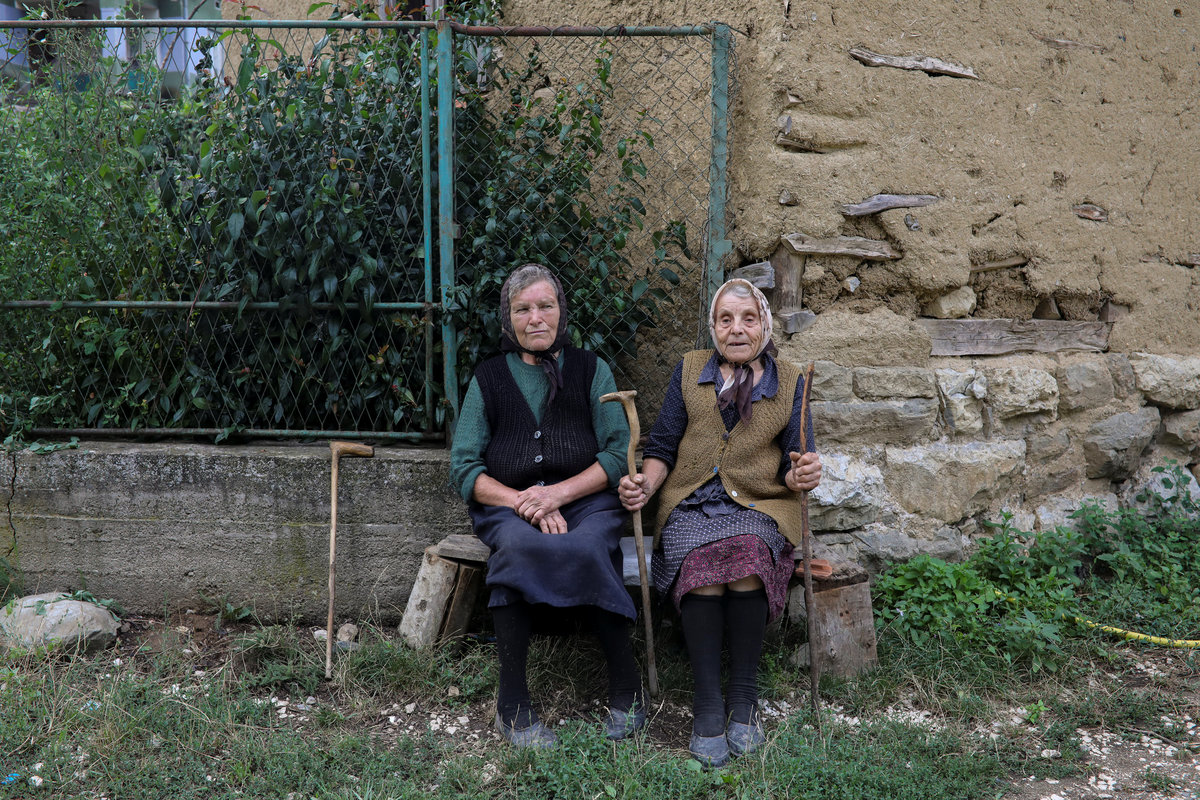
In many nearby villages, the population has dwindled and sometimes just an elderly couple or a single person is left. Schools, clinics, veterinary stations and shops are closed. Visitors are rare. Roads are peppered with potholes.
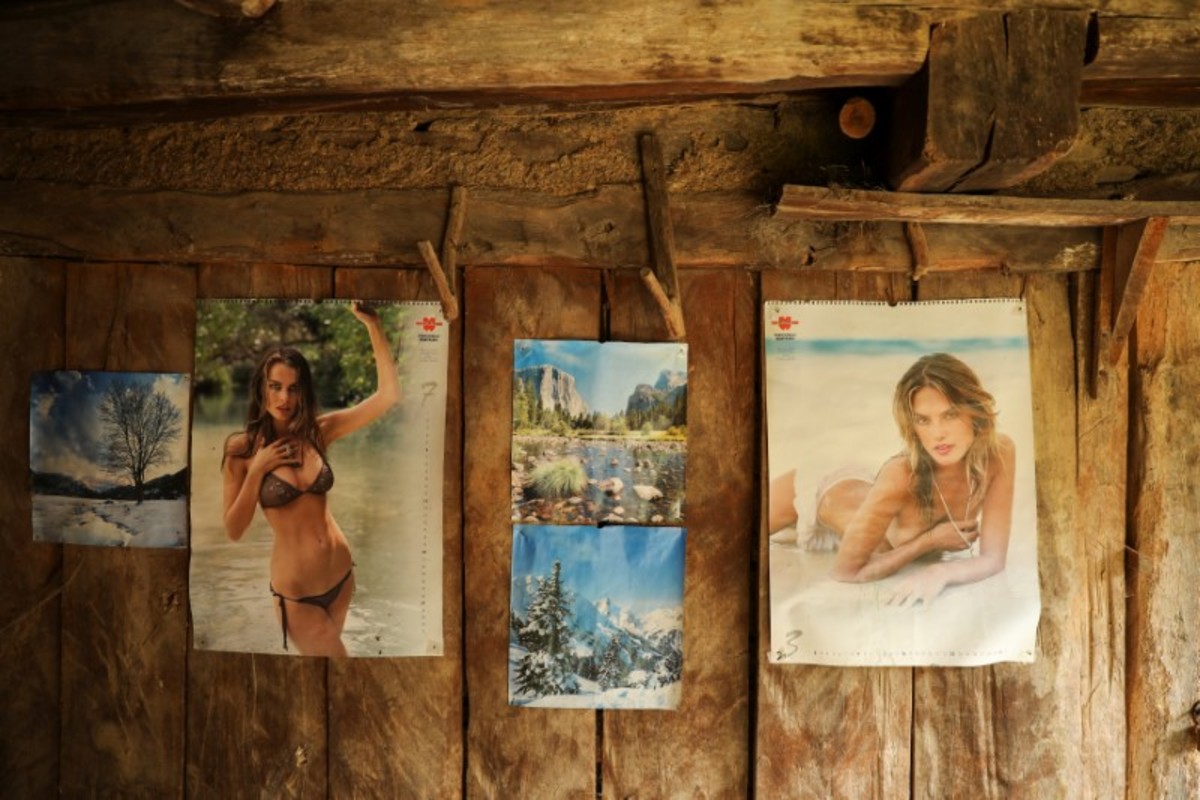
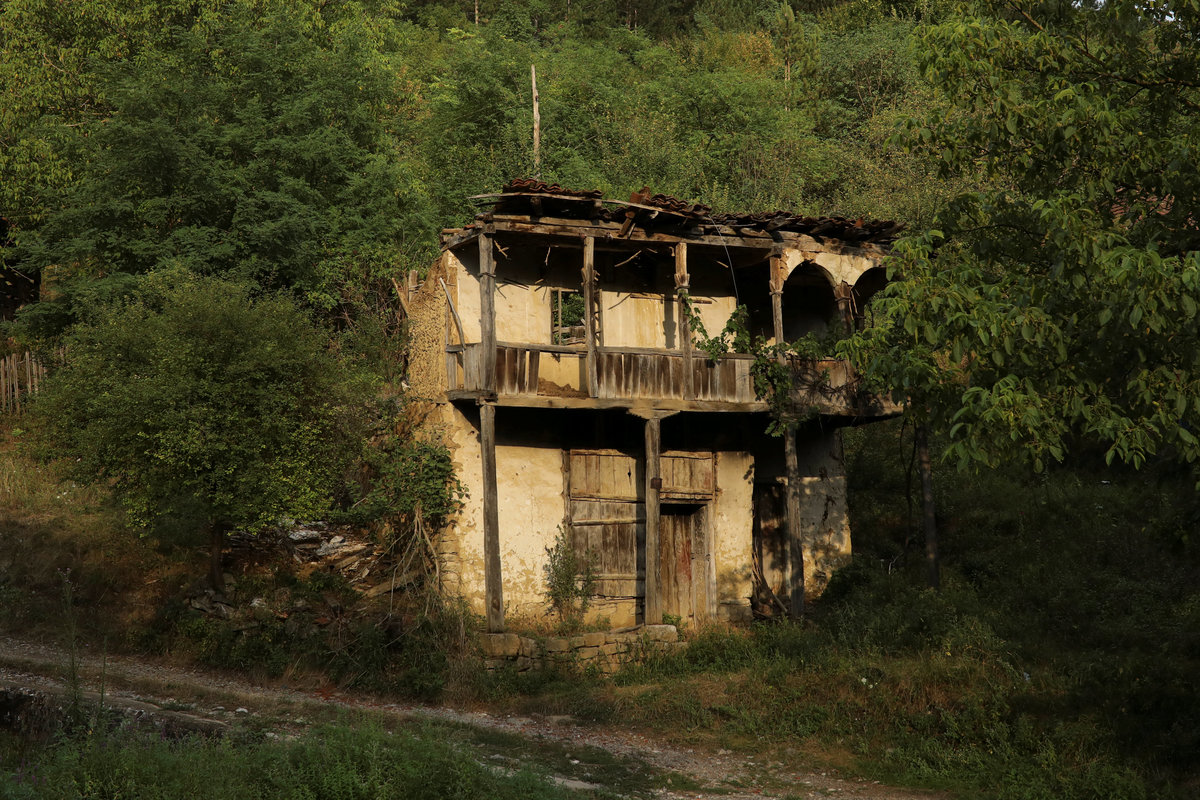
Posters and calendars are seen outside of an abandoned house in the empty village of Repusnica, near the south-eastern town of Knjazevac, Serbia, August 15, 2016. REUTERS/Marko Djurica
"Some people left, moved away ... to seek better living standards. The village was neglected and ignored especially when it came to infrastructure," said Rade Bogdanovic, a retired veterinarian in Kalna, which is part of the Knjazevac municipality that also includes Repusnica.
"Only the elderly stayed behind, the parents of those who left, and over time they grew older and died," he said as he stumbled across rubble to reach his dilapidated former office. He said Kalna's population had shrunk from 4,000 to 1,000.
Between 2002 and 2011, Serbia lost more than 377,000 people or 5 percent of its population of around 7 million, according to the census. Numbers have fallen in 86 percent of the country's 4,600 villages, according to the Serbian Academy of Science.
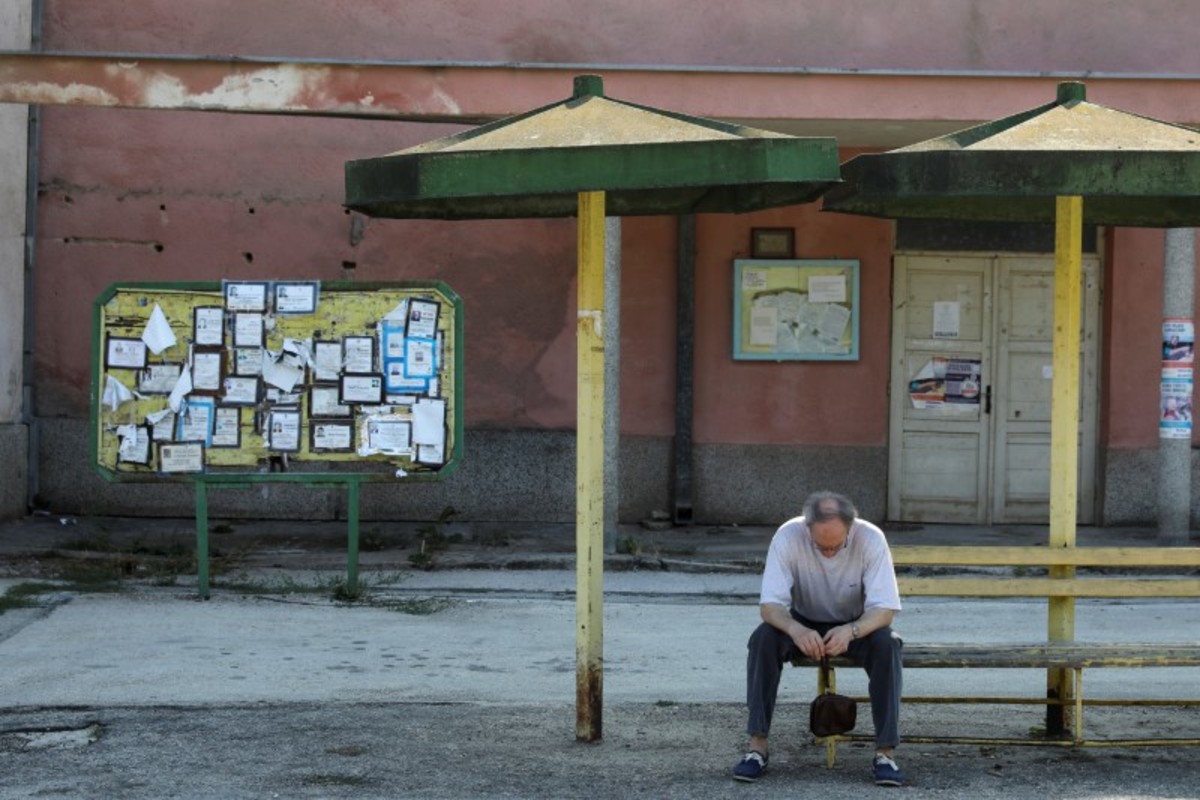
Death notices are seen on a notice board as a man sits at a bus station in the village of Kalna, near the south-eastern town of Knjazevac, Serbia, August 16, 2016. REUTERS/Marko Djurica
A similar situation exists in some other countries in the Balkans and southeastern Europe.
In the past 50 years the eastern Serbian municipality of Knjazevac fell by half to 30,000 people.
"We now have a population in line with what we had after World War One," said Marija Jelenkovic, a municipal official.
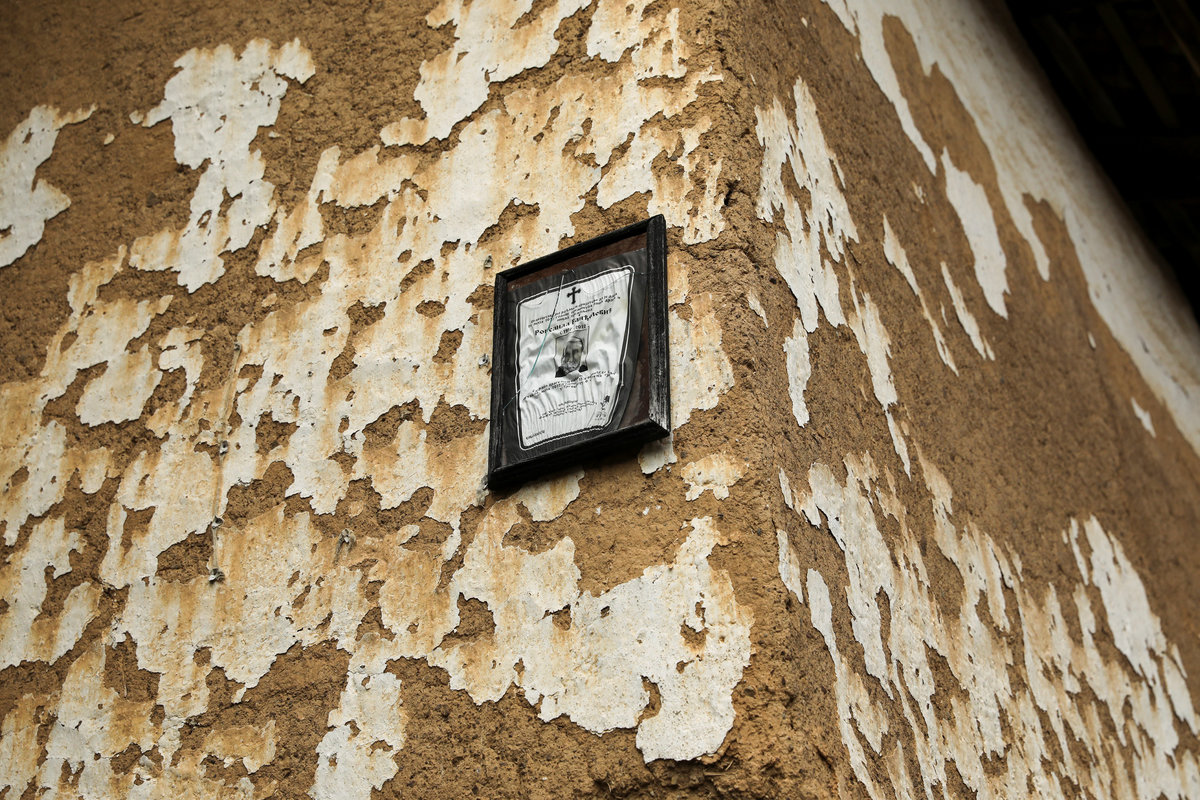
A death notice hangs on a wall of an abandoned house in the empty village of Repusnica near the south-eastern town of Knjazevac, Serbia, August 15, 2016. REUTERS/Marko Djurica
In the 1960s, 1970s and 1980s around a million left to seek jobs in the West. An estimated 700,000 people left Serbia during the Balkan wars of the 1990s.
The outflow continued after the fall of President Slobodan Milosevic in 2000. A transition to a market economy saw many state factories close and a trend towards smaller families has seen the average age rise to 42 according to the 2011 census, up from 40 in 2002.
The Serbian government has sought to tackle the problem by improving infrastructure and offering incentives to younger people to stay in villages. The effort is yet to yield results.
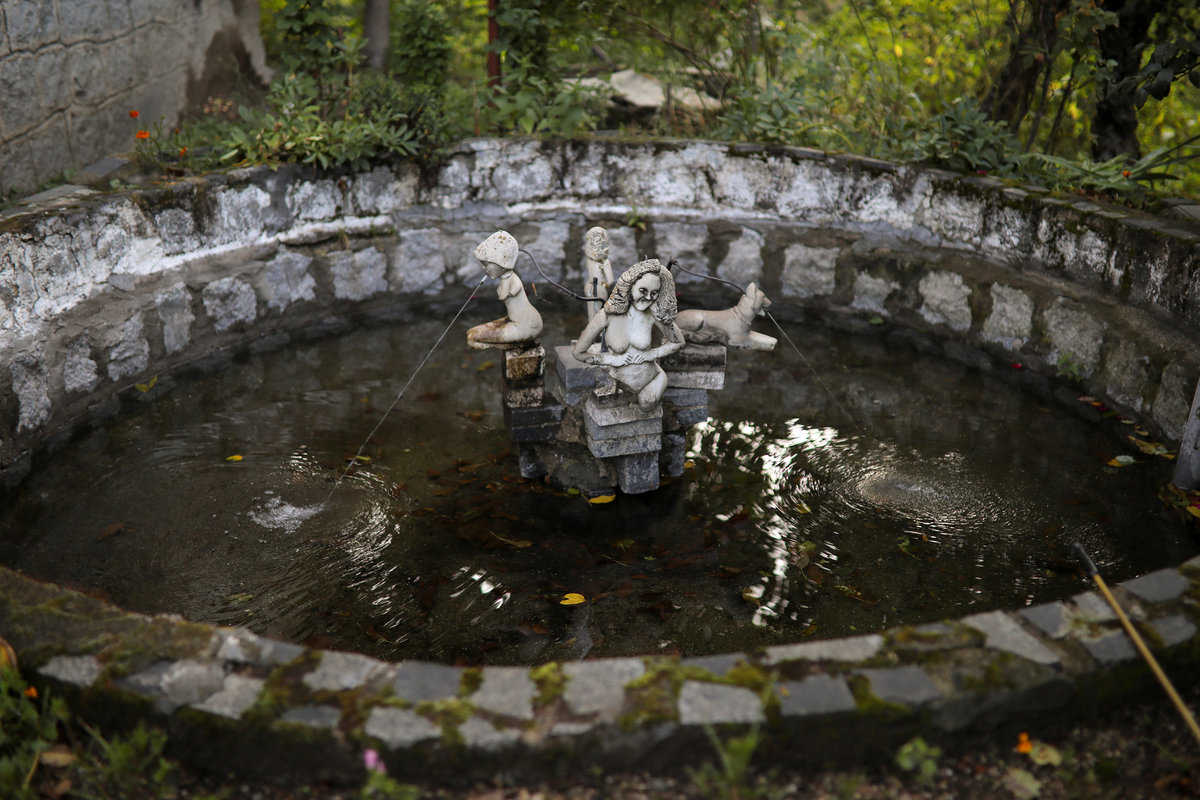
A fountain is seen in the village of Ravno Bucje, near the south-eastern town of Knjazevac, Serbia, August 15, 2016. REUTERS/Marko Djurica
In 2015, a human rights official appointed by parliament said the country should ask migrants flooding through the Balkans from the Middle East to settle in empty villages but the idea was abandoned.
(Reporting by Marko Djurica and Dusan Mirkovic; Writing by Aleksandar Vasovic; Editing by Matthew Mpoke Bigg)
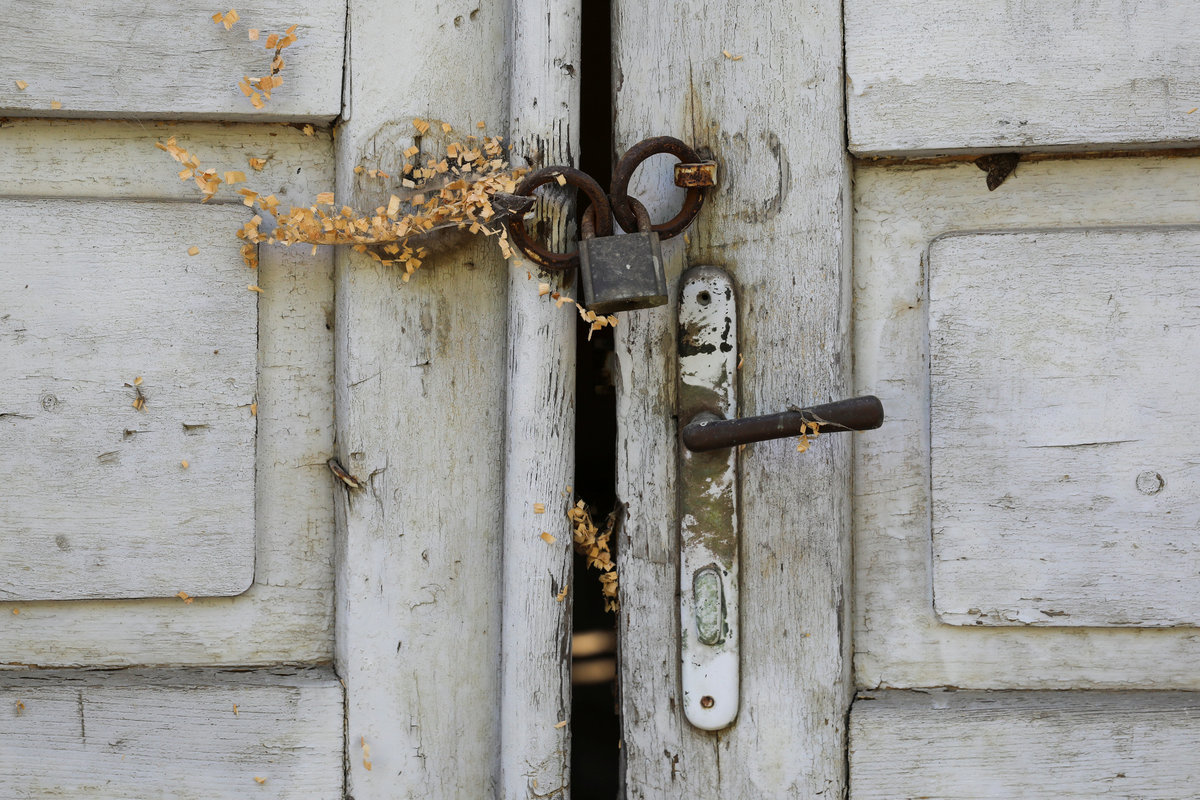
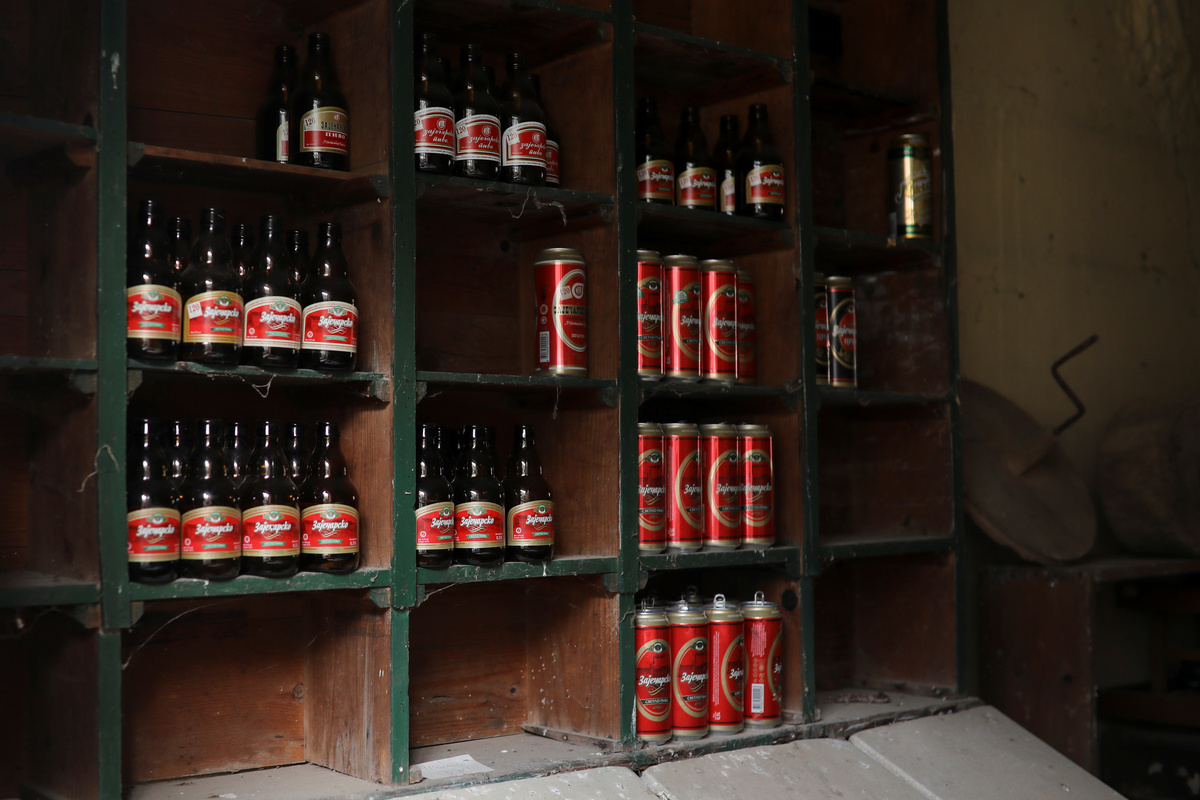
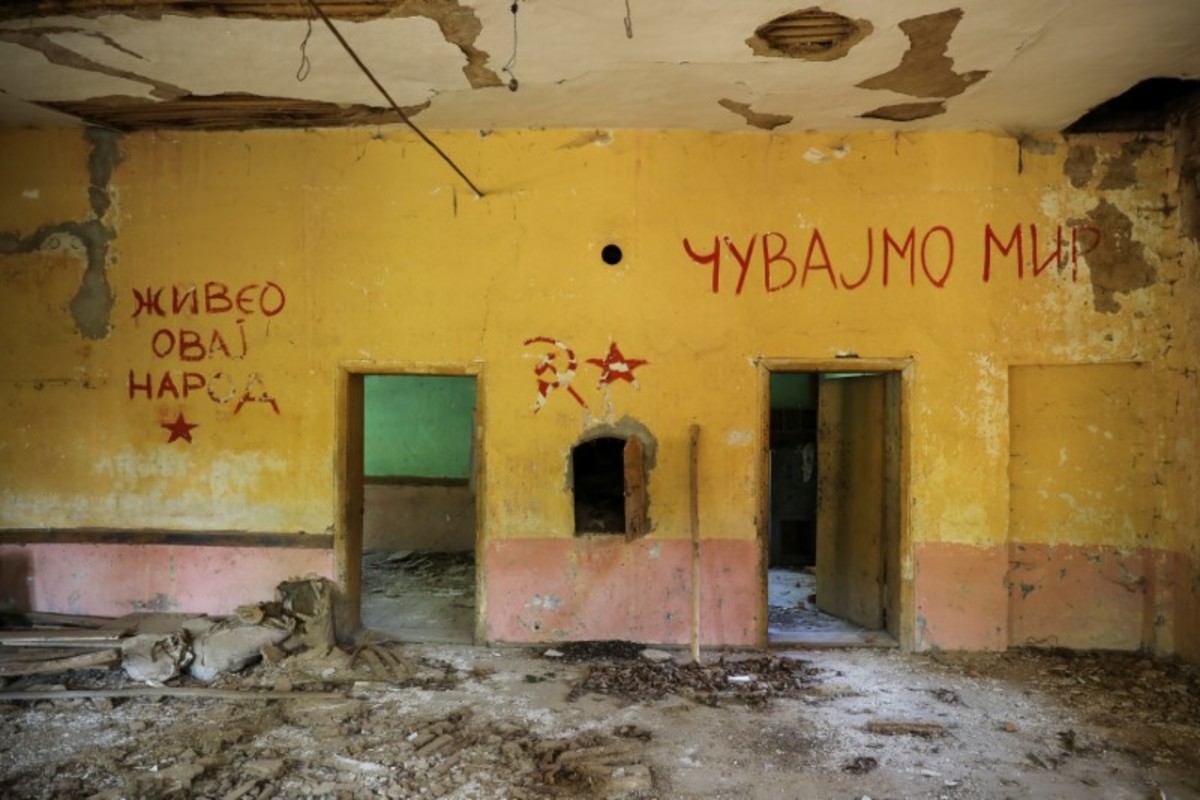
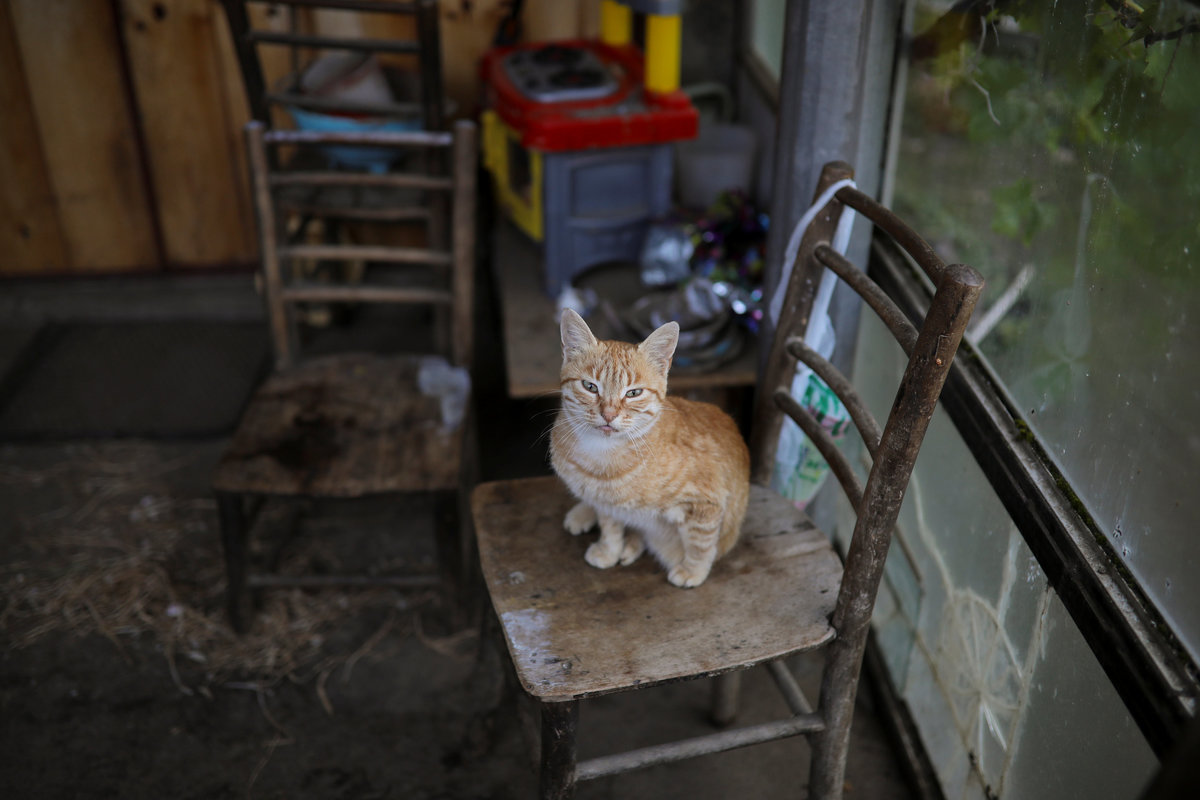
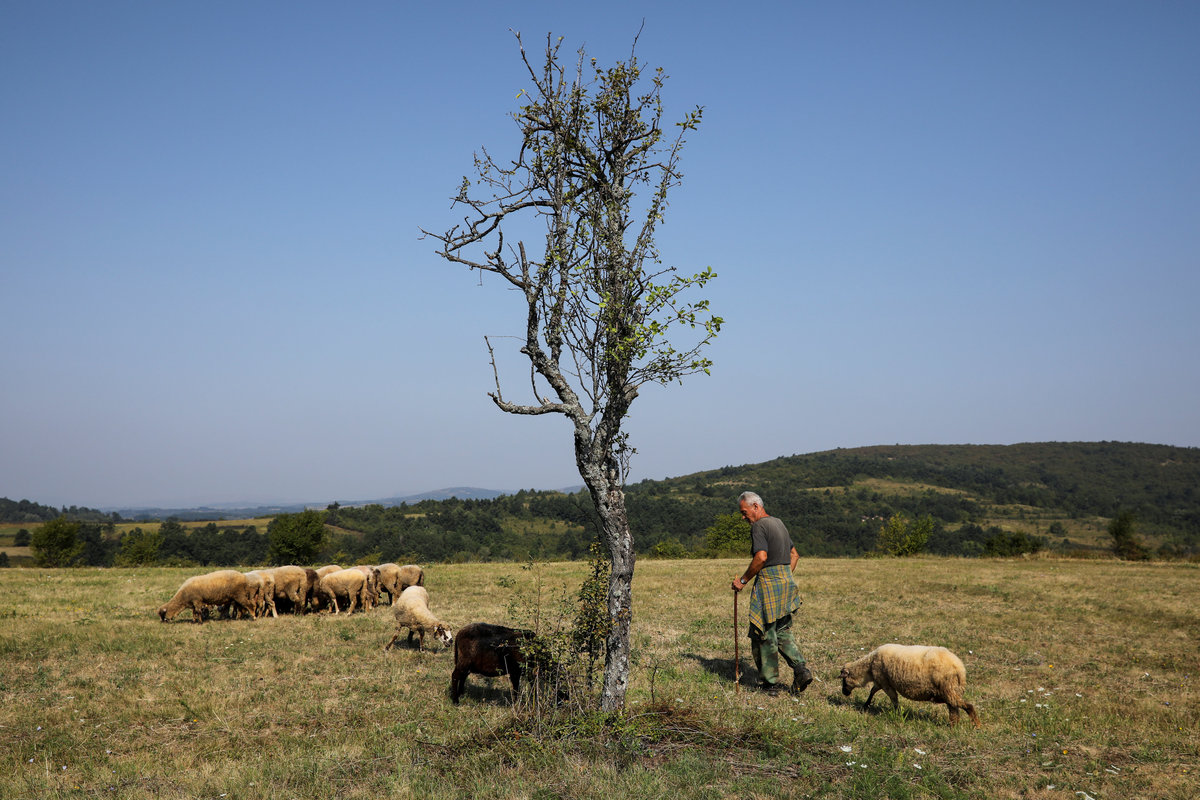
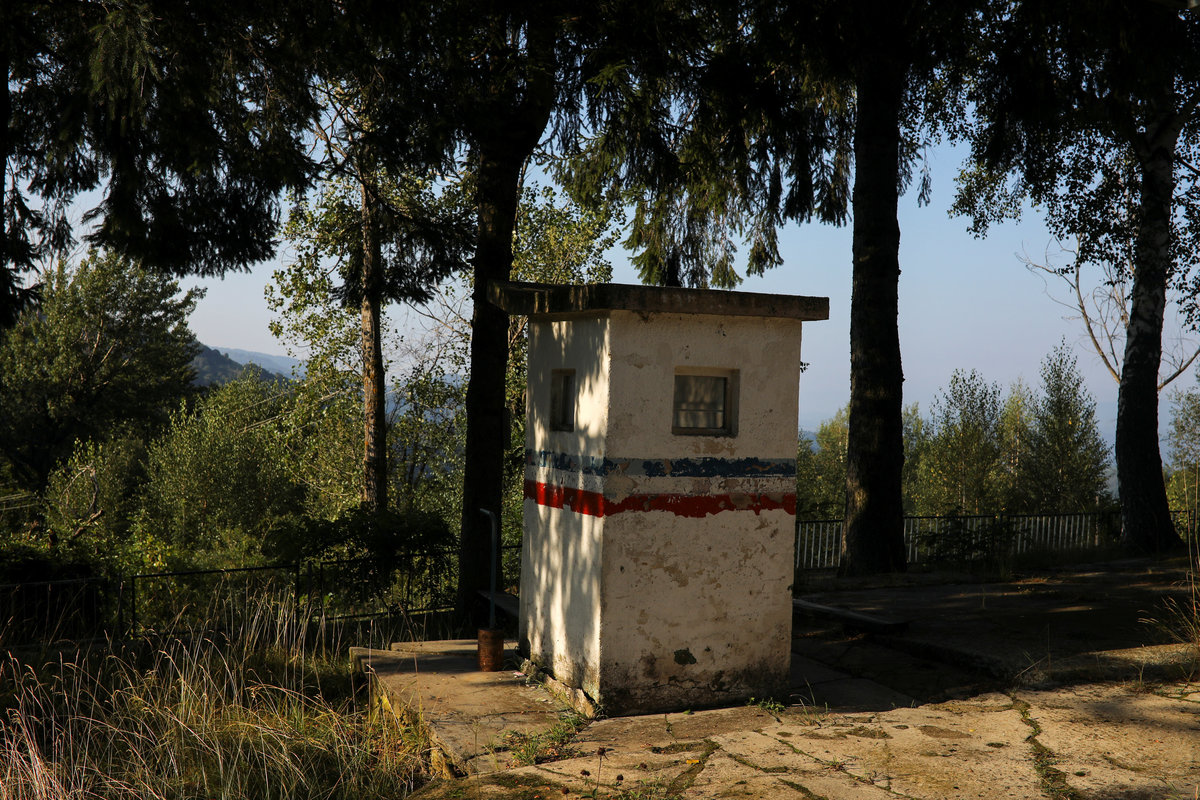
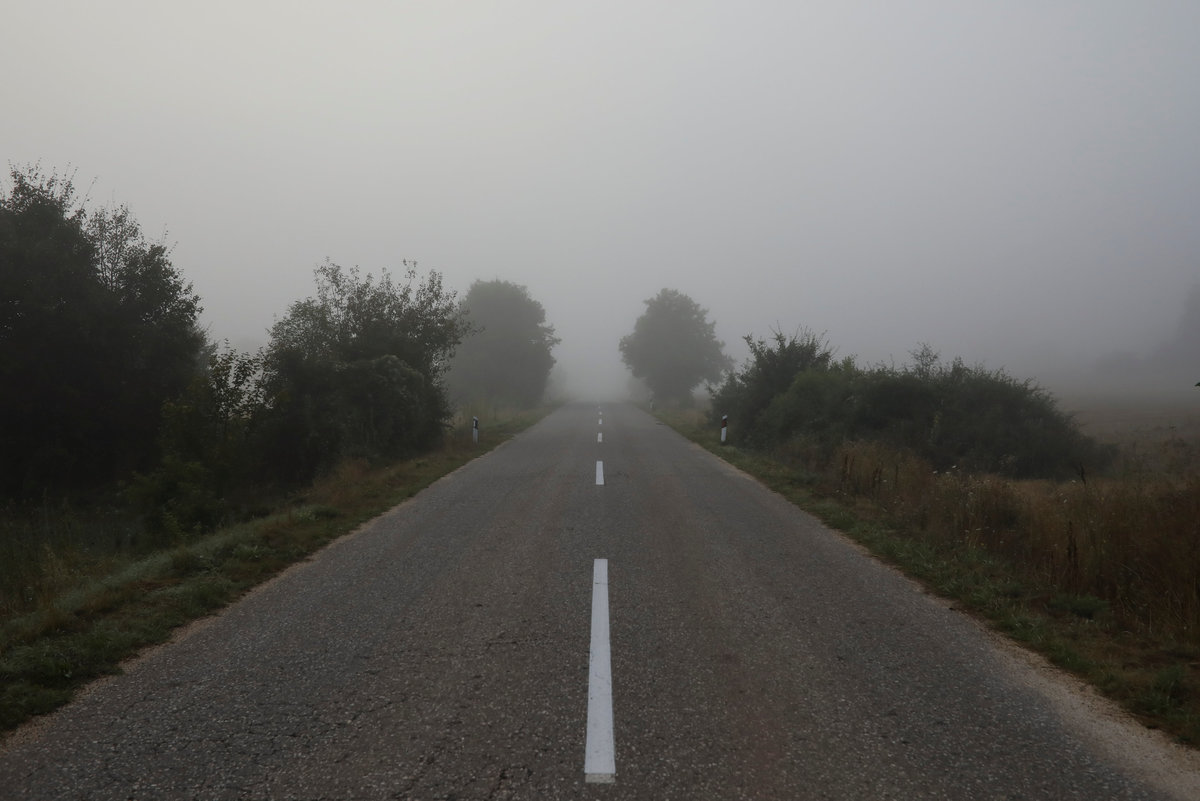
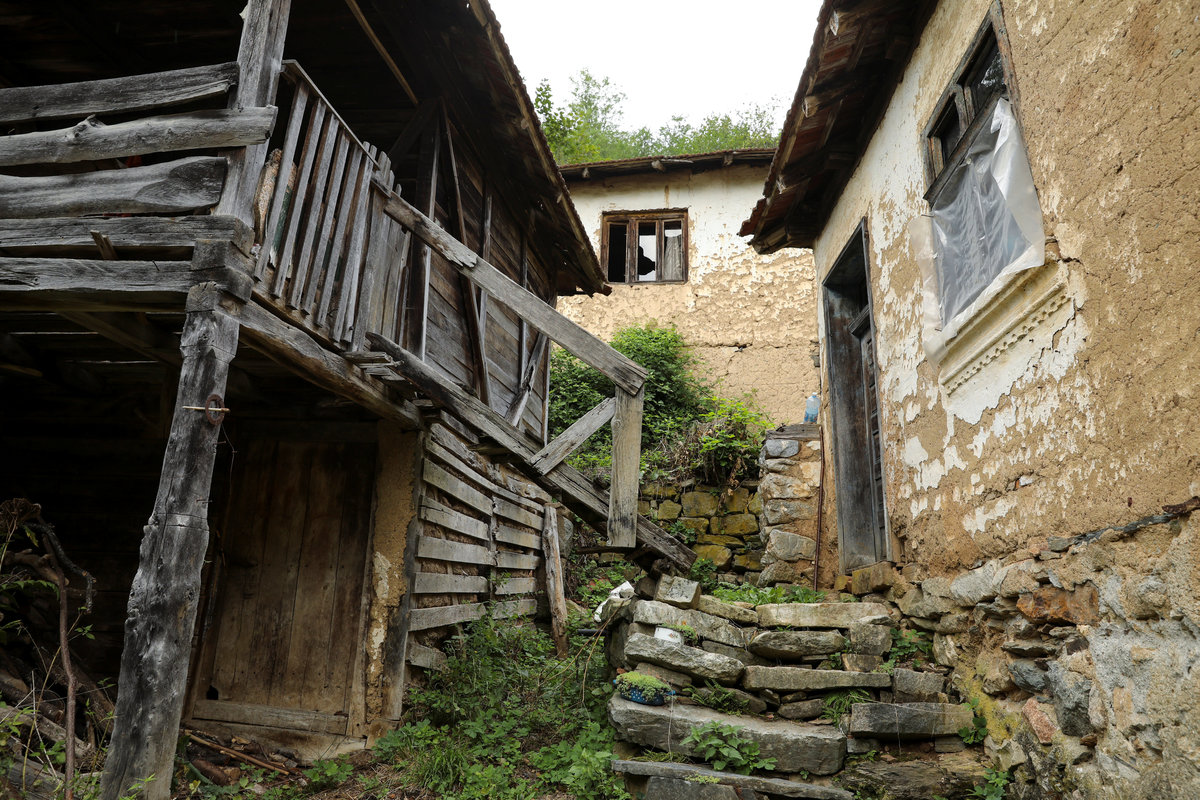
The locked door of an abandoned house is seen in the village of Aldinac, near the south-eastern town of Knjazevac, Serbia, August 15, 2016. REUTERS/Marko Djurica Empty beer cans and bottles sit on shelves inside an abandoned shop in the village of Papratna, near the south-eastern town of Knjazevac, Serbia, August 14, 2016. REUTERS/Marko Djurica Communist-era signs are seen on a wall inside an abandoned local community house in the village of Aldinac, near the south-eastern town of Knjazevac, Serbia, August 15, 2016. The writings read: "Long live this nation" (L) and "Keep the peace". (R). REUTERS/Marko Djurica An abandoned house stands in the village of Papratna, near the south-eastern town of Knjazevac, Serbia, August 14, 2016. REUTERS/Marko Djurica A cat belonging to a local, Vida, who is the last woman living in the village, is seen in the village of Ravno Bucje, near the south-eastern town of Knjazevac, Serbia, August 15, 2016. REUTERS/Marko Djurica A shepherd walks with sheep in the village of Cirinci, near the south-eastern town of Knjazevac, Serbia, August 16, 2016. REUTERS/Marko Djurica A man holds his bicycle in front of his home in the village of Gornja Kamenica, near the south-eastern town of Knjazevac, Serbia, August 14, 2016. REUTERS/Marko Djurica Abandoned houses stand in the empty village of Repusnica, near the south-eastern town of Knjazevac, Serbia, August 15, 2016. REUTERS/Marko Djurica Two elderly women sit in front of their home in the village of Gornja Kamenica, near the south-eastern town of Knjazevac, Serbia, August 14, 2016. REUTERS/Marko Djurica An abandoned military border post stands in the village of Ravno Bucje, near the south-eastern town of Knjazevac, Serbia, August 15, 2016. REUTERS/Marko Djurica Death notices are seen on the door and the wall of a closed shop in the village of Papratna, near the south-eastern town of Knjazevac, Serbia, August 14, 2016. REUTERS/Marko Djurica An empty road is seen in the village of Balta Berilovac, near the south-eastern town of Knjazevac, Serbia, August 15, 2016. REUTERS/Marko DjuricaAn abandoned house stands in the village of Papratna, near the south-eastern town of Knjazevac, Serbia, August 14, 2016. REUTERS/Marko Djurica Abandoned houses stand in the empty village of Repusnica, near the south-eastern town of Knjazevac, Serbia, August 15, 2016. REUTERS/Marko Djurica
Sign up to read this article
Read news from 100’s of titles, curated specifically for you.