IN SOUTHWEST MONTANA _ This was our fourth day at almost 9,000 feet and we had been into elk since sunup. We were bow hunting and every day we had seen elk, some at a distance. This morning for perhaps an hour we had called to three bulls, maybe four. The animals were a few hundred yards away in dark timber and had bugled back aggressively. Also a harem of cows of unknown number responded when we mimicked their calls. Hours earlier, long before daylight, we had crawled from our tents, lighting a Jetboil for hot water, from which we made coffee, and the coffee along with an energy bar apiece was our breakfast. The temperature was in the mid-20s.
We were about 6 miles into the mountains traveling by foot and backpack and we wanted to minimize the weight we carried. So for breakfast and lunch we had energy bars and for supper we poured hot water over dehydrated rice, noodles, beef and chicken; meals in foil pouches.
My son Trevor, 23, was along and also his friend, Alec Underwood, also 23. Both live in Missoula, Mont., although Alec grew up in upstate New York.
After finishing breakfast each morning, we extinguished our headlamps and also switched off a three-strand portable electric fence that surrounded our tents. I had rented the fence from an outfit in Alaska. This was elk country, which in this part of Montana made it grizzly country, and we hoped the fence would repel nighttime marauders while also allowing us some sound sleep.
Additionally we each carried bear spray, and we had a handgun, a 454 Casull.
"Let's push down toward those elk," Alec said.
"I agree," Trevor said.
Perched about an hour west of Yellowstone Park atop a rocky precipice, almost a cliff, we had been pressing binoculars to our faces searching for elk in distant meadows, seeing none.
This was in the half-light of very early morning.

Below us somewhat and in the direction of the rising sun first one bull had bugled, then another and another. The elk weren't far away. Using a call the size of a cheerleader's megaphone Trevor bugled back. Quickly one bull responded and now we were moving in its direction, cross-slope down the cliff, our boots clawing loose rocks for traction, our heads low.
Two hundred yards distant, we stopped and called again. Also Alec broke off a tree branch about the length and circumference of a man's arm and portraying himself as an angry bull itching to fight he swung the branch against a thick, tall tree and also raked it up and down the tree's trunk.
Meanwhile I nocked an arrow and stepped ahead 50 yards, while Trevor bugled evermore loudly and gutturally, a roar followed by a scream and, finally, a series of grunts.

We wanted a bull to come to Trevor and Alec's calling and en route clear itself in the thick timber so I could stick it with an arrow.
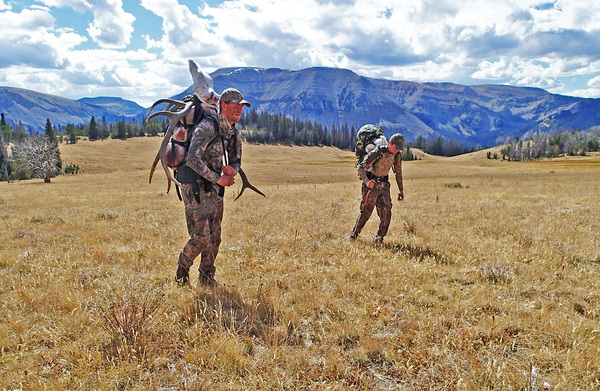
Whether that happened, this would be a one-bull hunt, we knew that, because if we killed a bull we would have to pack it downslope on our backs the 6 miles from our camp in a single trip along with our tents, sleeping bags and other gear.
The meat from a deboned 700-pound bull weighs about 200 pounds. Toss in 20 pounds worth of antlers and if we killed a bull we would have work to do.
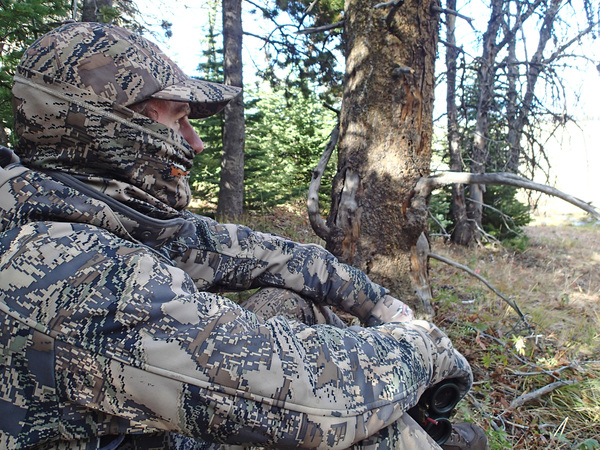
"I think Alec and I can carry the meat and our personal gear if you can carry the tents and food and camp gear and your personal gear," Trevor had said.
"We'll see," I said.
This was in mid-September during the height of the elk breeding and bugling season, and we were traveling entirely on public land far from anyone and by our own efforts alone we would kill a bull or not.
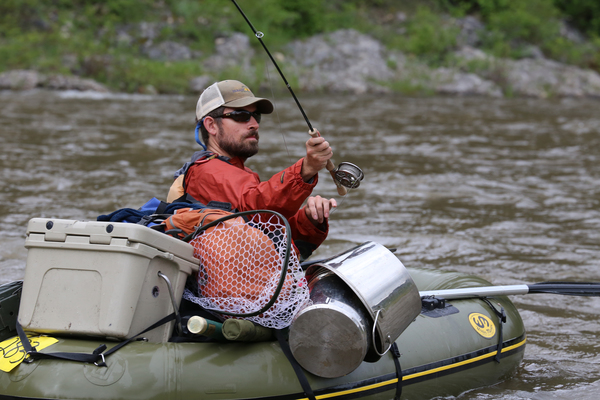
This was important to us. Hunting with a guide is OK. But sometimes while riding in the mountains on a horse behind a guide you feel less like a hunter than a tourist.
Anyway, our belief is that public land should be utilized, and should remain just that, public, notwithstanding the backroom deal-making in Washington that at times threatens otherwise.
"Use it or lose it," Trevor says.

To stay cool we dressed as lightly as possible while hiking the vertiginous ascents and descents of the mountainous countryside.
Then in evening as the sun set we pulled on heavier clothes and ate our foil-pouch dinners while sitting cross-legged alongside our tents, talking quietly behind the bear fence.
Nearby, a mountain spring trickled, flowed and pooled endlessly, providing water.
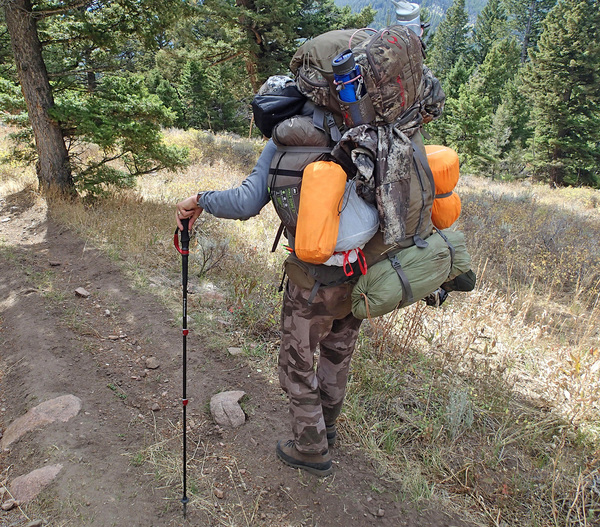
Wanting to maintain a low profile we lit no campfires, and just before nightfall, following a flashlight's beam, we toted our food pack a few hundred yards from our camp and swung it in a tree.
The pack held all of our food and we couldn't afford to lose it to a bear.
By 8:30 we were in our tents, sometimes asleep but other times lying awake listening to the mountain wind or coyotes near and far, yipping.