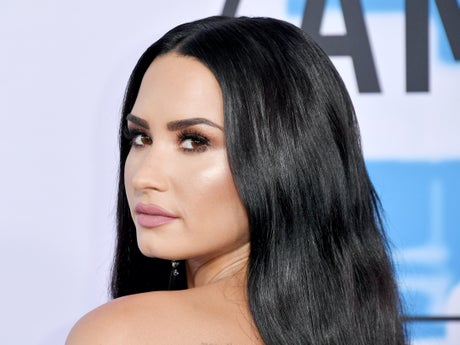
Demi Lovato has spoken about her recovery from substance abuse and how she “had to essentially die to wake up” after her 2018 overdose.
In an interview with Tracy Smith on CBS Sunday Morning, the musician and actor reiterated how close to fatal the 2018 overdose was.
“The doctors told me that I had five to 10 minutes,” she said. “Like, if no one had found me, then I wouldn’t be here. And… I’m grateful that I’m sitting here today.”
The 28-year-old rose to fame after starring in the Disney Channel’s Camp Rock in 2008 and the 2010 sequel, before going on to establish herself as a pop star, with hits including “Skyscraper” (2011) and “Cool for the Summer” (from her 2015 album Confident).
In the interview, Lovato said she had to “grow up and take control” of her life: “That’s something I haven’t done until the past two years of my life where I’m now in control of my finances, I’m now in control of the food that Ieat, how often I work out.”
She went on to reveal that she still drinks alcohol and smokes weed as part of her personal recovery.
“I think the term I best identify with is ‘California sober,’” she said.
Read more:
- Jeremy Clarkson calls Meghan Markle ‘silly little cable TV actress’
- Avengers: Every Marvel superhero ranked
- Meet the 83-year-old reggae matriarch who brought Jamaican music to the world
- Netflix secret codes: How to access hidden films
“I don’t really feel comfortable explaining the parameters of my recovery to people, because I don’t want anyone to look at my parameters of safety and think that’s what works for them.”
“California sober” is an increasingly popular term referring to people who tend to abstain from all drugs and alcohol except marijuana.
Lovato continued: “Just like I feel the complete abstinent method isn’t a one-size-fits-all method for everybody, I don’t think that this journey of moderation is a one-size-fits-all solution for everybody too.”
Lovato’s new documentary, Dancing With the Devil, is released on YouTube on 23 March.
If you or someone you know is struggling with substance abuse, you can visit Frank for support and advice. You can also call the Frank drugs helpline on 0300 123 6600.