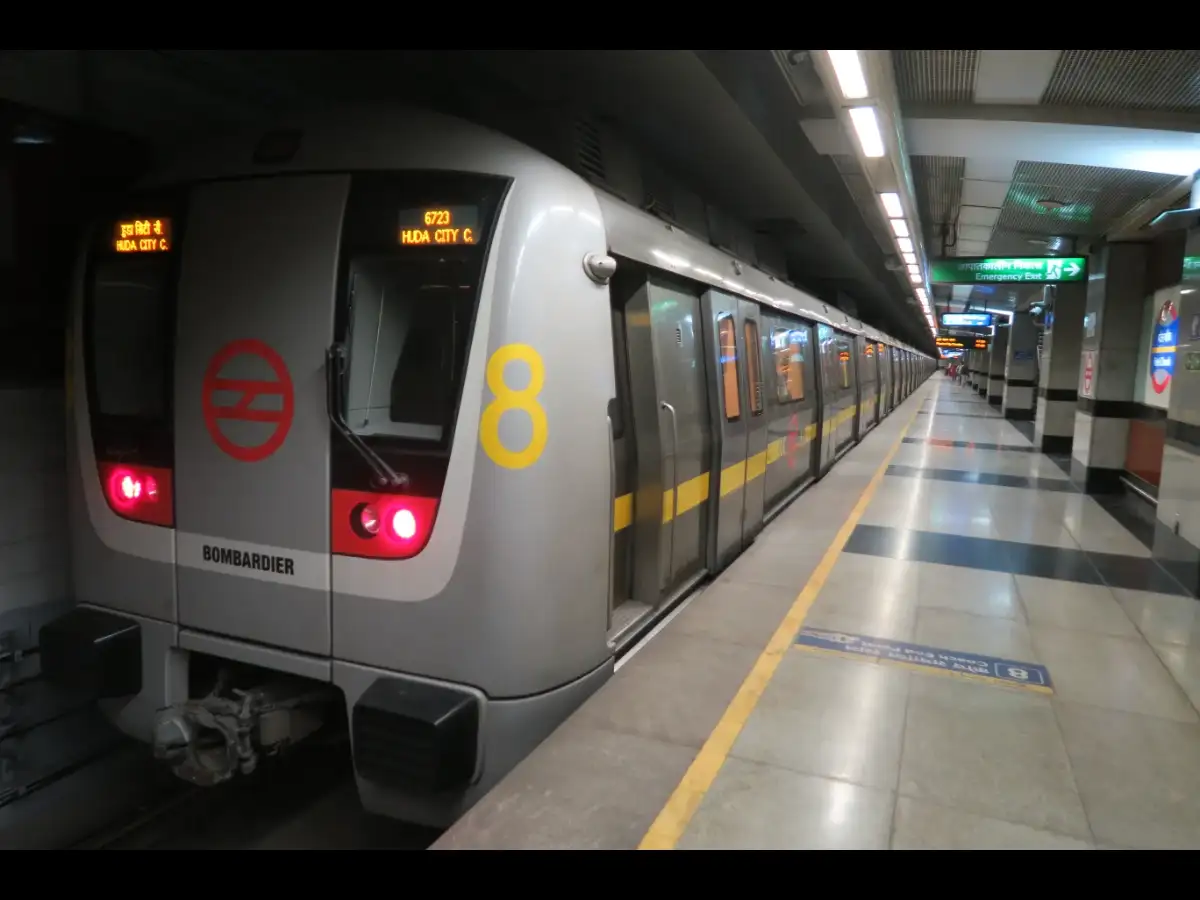
Delhi Metro carries more than six million passengers every day, but the trip between a Metro station and the commuter’s home, workplace or school remains a major challenge. A WRI India study says that commuters spend 40 percent of their total travel time and 48 percent of their travel costs on a stretch that accounts for only 18 percent of the distance needed to access mass transit such as the Delhi Metro.
The Metro has changed daily travel across the capital and has become a key part of the city's transport system. Yet traffic congestion, air pollution and the economic cost of gridlock continue to affect Delhi.
This points to a problem beyond the Metro network itself: what happens after passengers leave the station.
Lst Mile Remains The Biggest Challenge
The final connection between public transport and a commuter's destination is known as last-mile connectivity. For Delhi commuters, this relatively short part of the journey can take up a large share of both travel time and expenses.
That makes the final stretch an important factor in deciding whether people use public transport. A Metro ride may cover most of the journey, but difficulty in reaching the station or getting home after leaving it can affect the overall commuting experience.
The WRI India report also noted that well-planned last-mile options can encourage people to choose public transport in Indian cities facing congestion.
It's not Just About Convenience
Last-mile travel is not only a question of time or cost. Safety is another concern, particularly for women travelling to and from Metro stations.
Delhi Metro has security measures that include well-lit infrastructure, CCTV surveillance, security personnel and women-only coaches. However, safety concerns can remain during the first and last parts of a journey outside the Metro system.
Studies on women's urban mobility in Delhi have identified personal safety as an important consideration when choosing transport for this part of the trip.
This means that improving the connection between Metro stations and final destinations could address both convenience and passenger confidence.
Why Electric Mobility Can Play A Big Role
Policymakers have identified the need for better connections between public transport and other forms of mobility. Documents from the International Council on Clean Transportation (ICCT) show that Delhi is expanding electric mobility solutions as part of its clean mobility strategy.
The focus is not limited to replacing conventional vehicles with electric ones. The broader objective is to make the complete journey more convenient and reliable.
Private mobility companies can also support public transport by providing services that connect Metro stations with passengers' final destinations. A WRI India case study on new-mobility pilots at a Metro station highlights this potential.
Electric cab services are one option for addressing this gap.
Bach Tuan Anh, CEO of Green SM India, said, "If we can make the journey after the Metro more reliable and more reassuring, we have created real value for our customers."
Bach said the issue goes beyond electric vehicles. He said, "If we can make the journey after the Metro more reliable and more reassuring, we have created real value for our customers."
As Metro networks expand across Indian cities, the final connection between stations and destinations is likely to remain an important part of public transport planning.