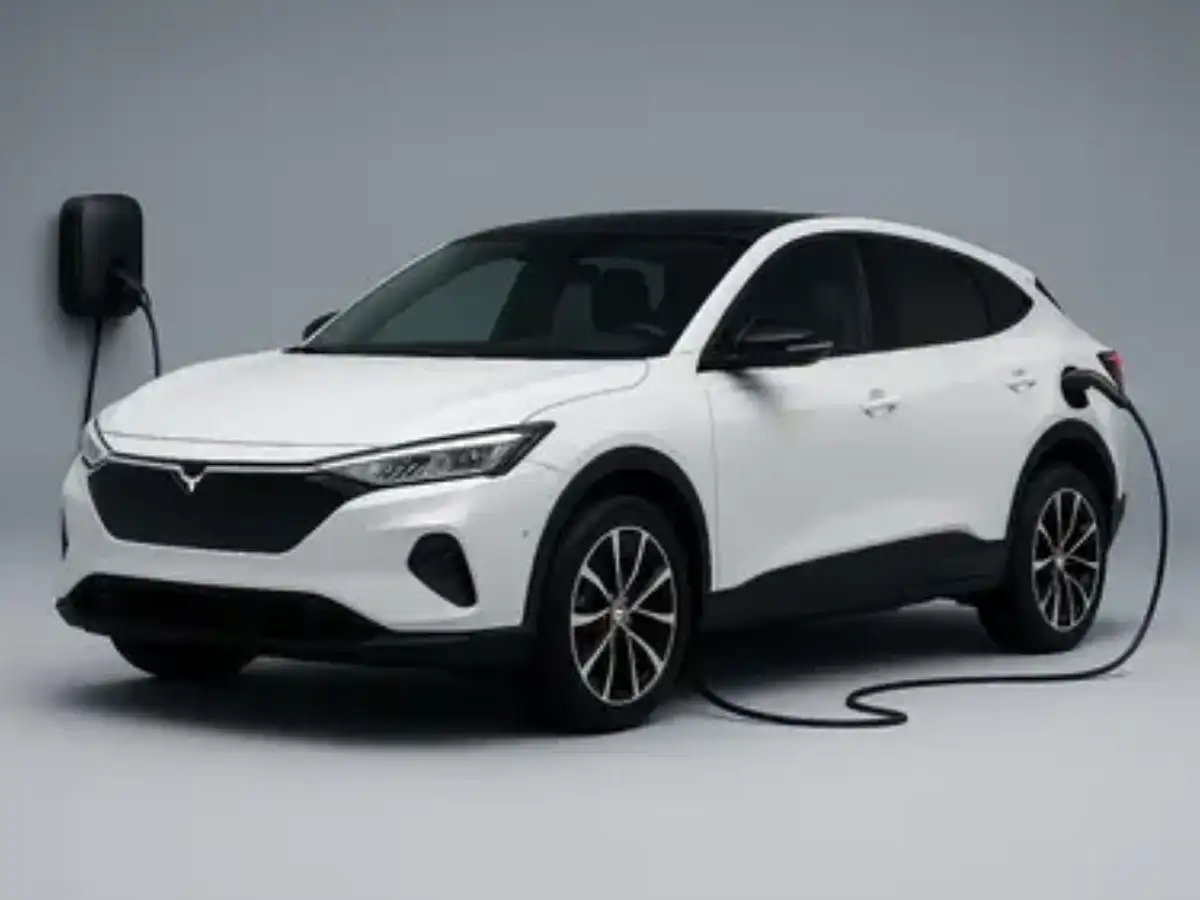
New Delhi: Buyers of electric vehicles in Delhi could get quicker access to charging and battery-swapping facilities through a single-window clearance system for faster approvals, while RWAs and housing societies are encouraged to install chargers under the new EV policy.
EV buyers will also be able to access charging facilities at dealerships, as every Original Equipment Manufacturer (OEMs) operating in Delhi has to deploy at least one public charging station at each dealer with a minimum of three charging points for two- and three-wheelers and two charging points for four-wheelers.
The Delhi government will seek financial support under the Centre's PM E-Drive scheme and other government of India schemes to expand public and community EV charging and battery-swapping infrastructure, while also allocating funds to the power department, according to the Delhi Electric Vehicle Policy 2026.
Also Read: Delhi EV Policy 2026 paves way for hydrogen-powered vehicles
To improve charging efficiency, DISCOMs will explore Energy Storage Systems (ESS) at electric bus depots for load management and grid reliability.
"They will also examine time-of-day tariffs and differential electricity pricing through the Delhi Electricity Regulatory Commission to reduce charging costs," the policy said.
Delhi Transco Limited (DTL) has been designated as the nodal agency for planning, coordination and implementation of public EV charging and battery-swapping infrastructure across the city. It will aggregate demand, identify suitable locations, assess electricity load requirements and undertake system-level planning for phased deployment, it said.