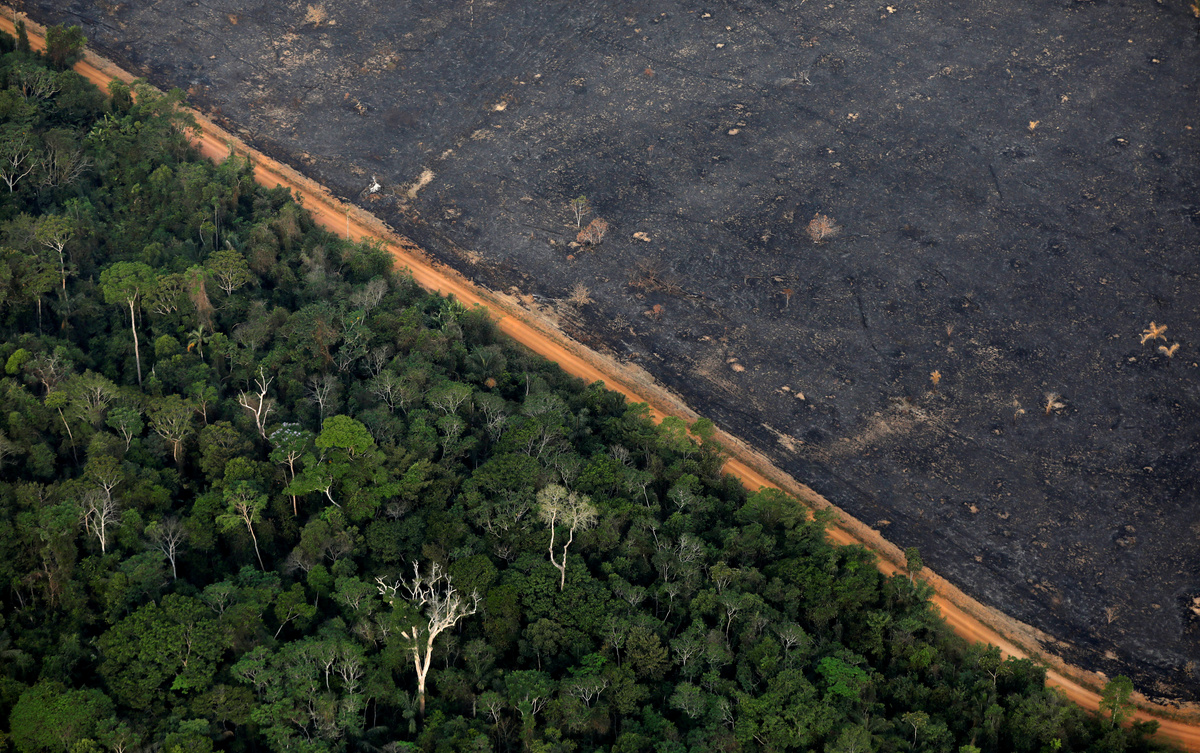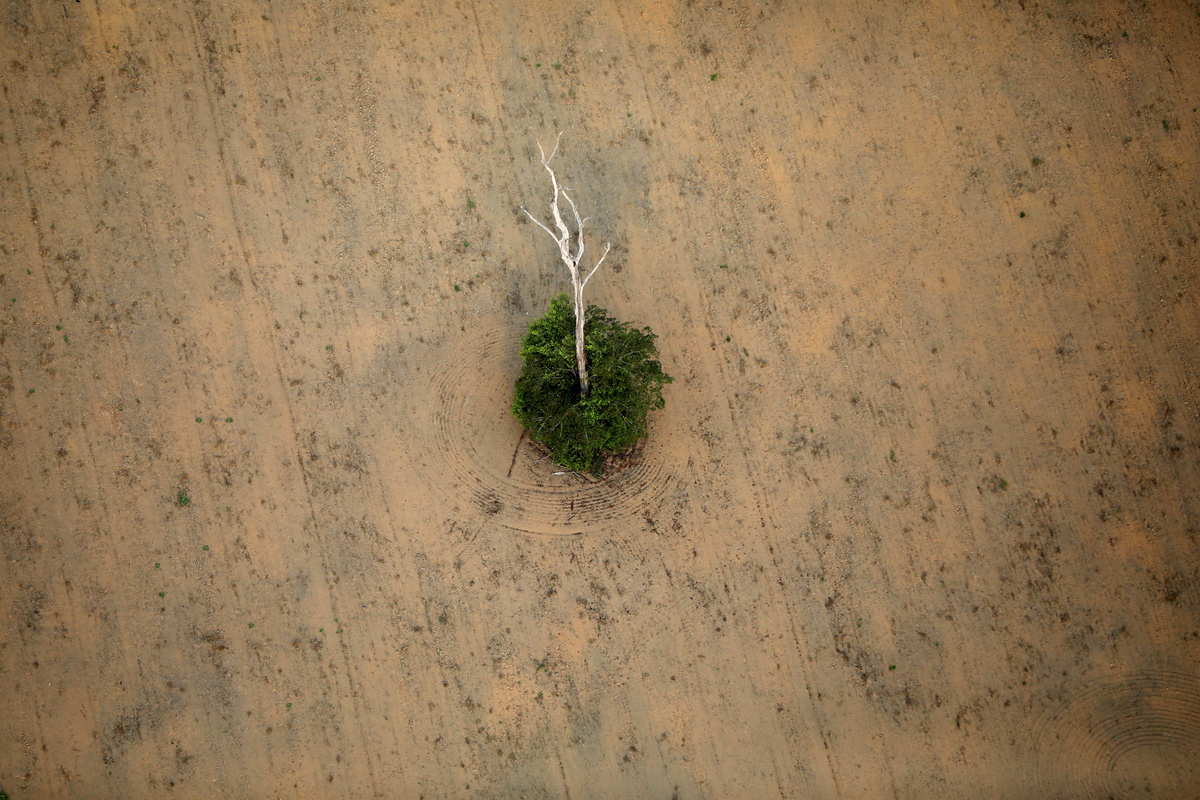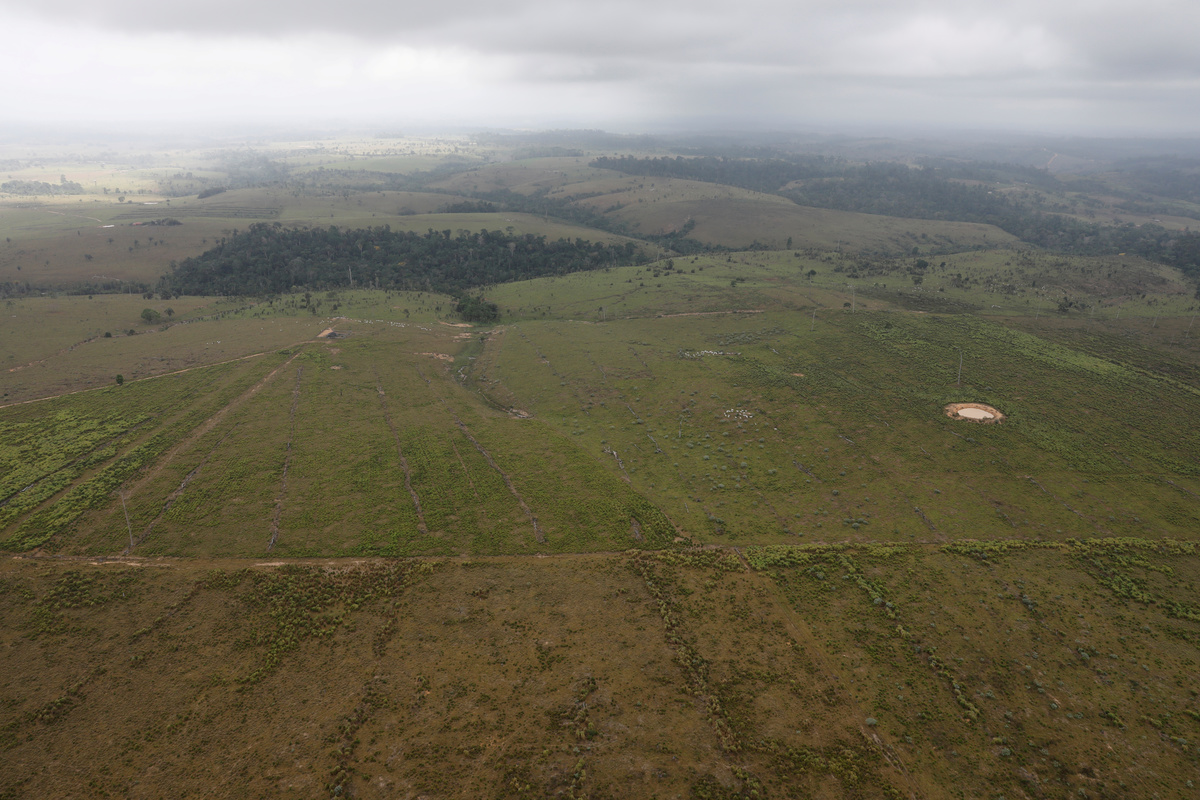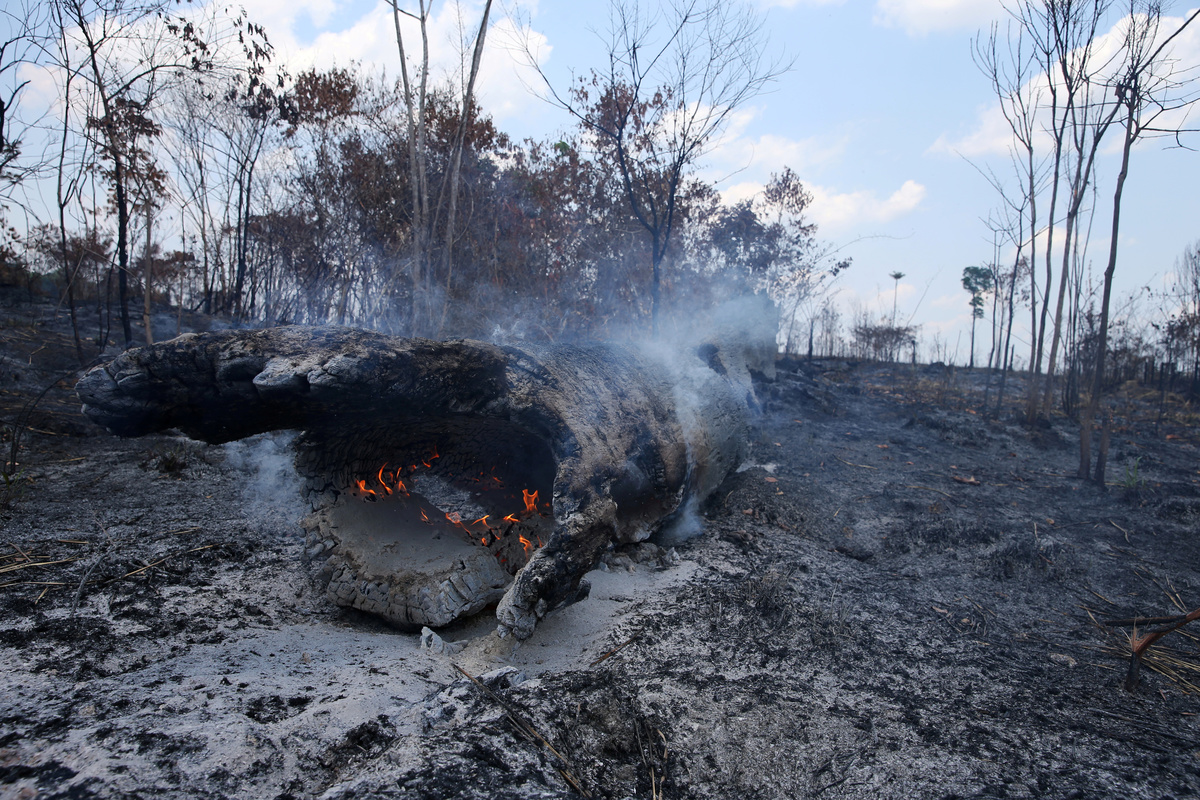
BRASILIA (Reuters) - Deforestation on protected indigenous lands in the Amazon was almost three times higher than the loss of trees in the region as a whole and the highest since 2008, according to a new study based on satellite imagery.
The data from Brazil's space research institute INPE studied by ISA, a socio-environmental NGO working with indigenous people, shows that between August 2018 and July 2019 deforestation on reservations reached 42,600 hectares.
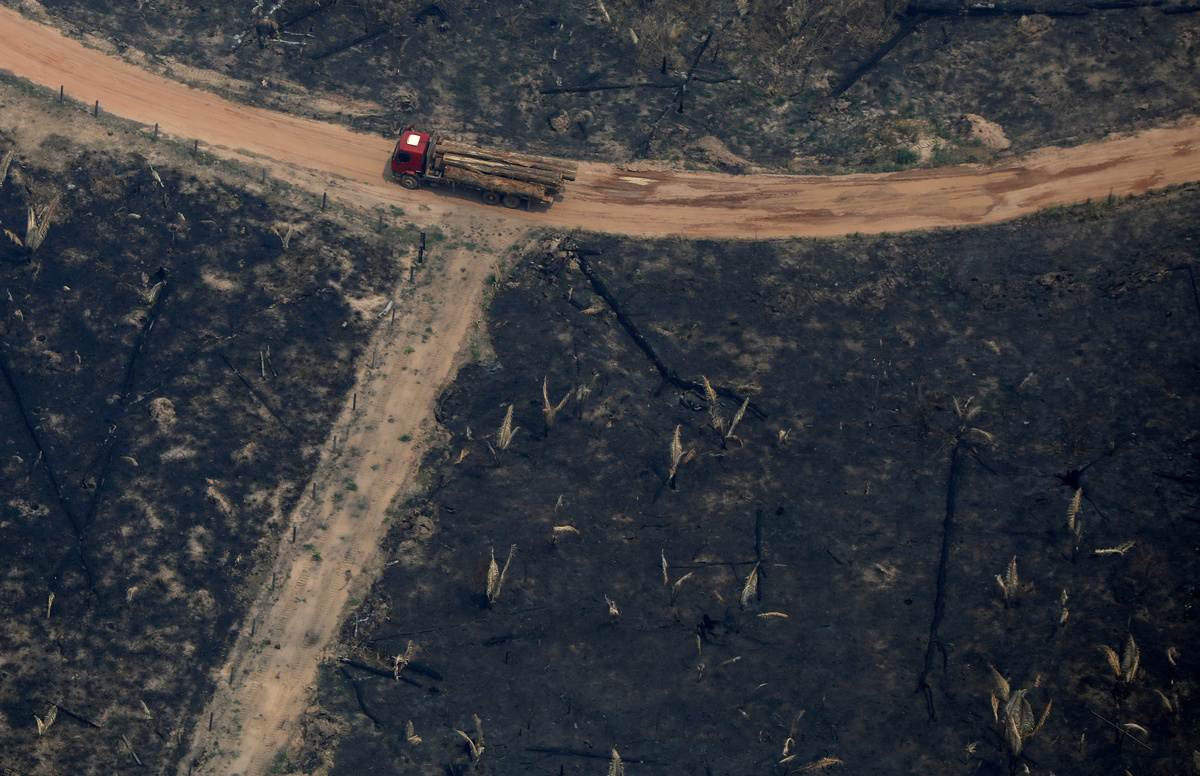
That represents only 4% of overall loss of forest in the Amazon in the same period (totaling 9,762 square kilometers or 976,200 hectares), but it is a dramatic increase over previous years and the highest since this data was first collected in 2008.
According to the study, land grabbers and illegal loggers and miners are the main drivers of deforestation on indigenous reservations, where the rainforest has been protected by law.
"Indigenous lands are a strong barrier to deforestation. Where there are tribes there are trees," said Antonio Oviedo, the ISA researcher who authored the study. He warned, however, that year's deforestation has surged above the recent trend due to increased outside pressure on protected lands.
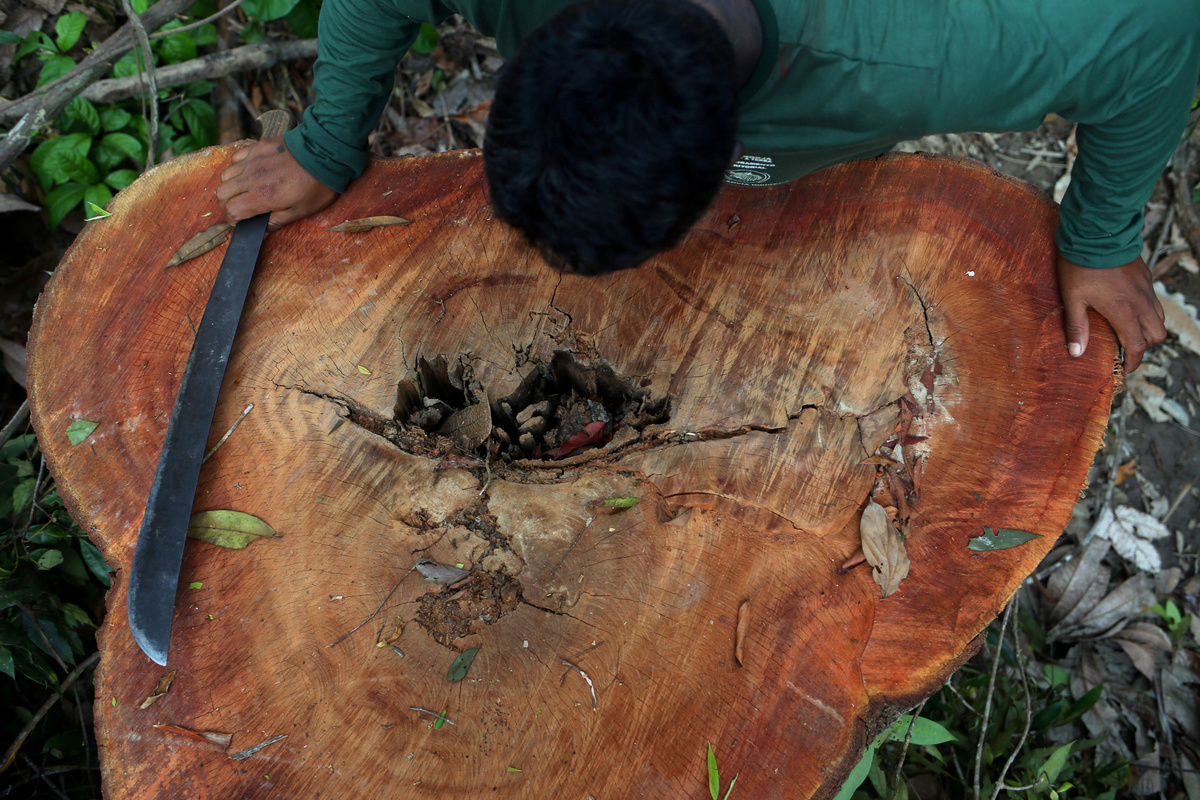
Invasions of tribal lands have increased since last year, leading to deadly clashes with indigenous people and deliberately set fires aimed at clearing forest for cattle pastures, according to environmentalists who blame President Jair Bolsonaro for advocating development of the Amazon.
Deforestation in indigenous areas had been falling steadily since 2008, to a low point of just over 5,000 hectares in 2014, but then began to rise again. In 2017, it reached 11,000 hectares, and jumped to almost 25,000 hectares in 2018, but this year it surged by 174% over the average for the decade.
ISA said the vast majority of the 424 reserves studied have lost less than 10% of their native forests, but 20% have lost almost half of their forest cover and 5% have virtually no trees left.
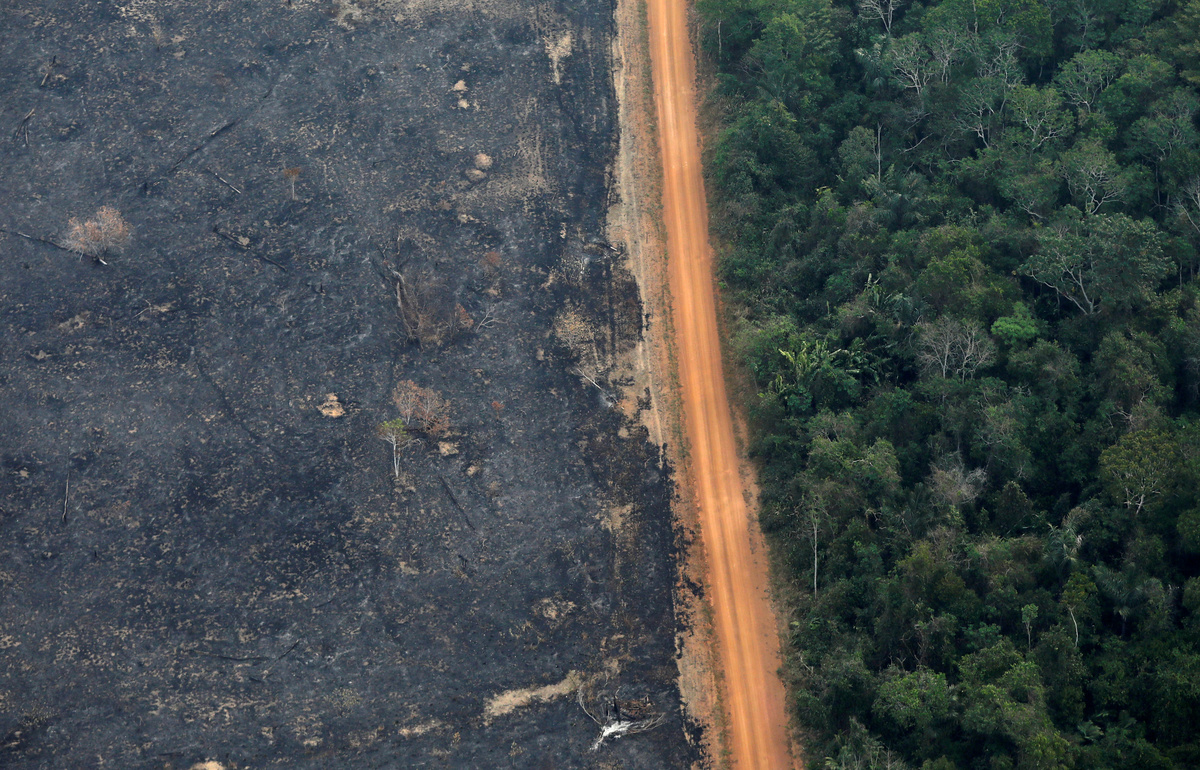
The worst recent deforestation was detected on the Ituna-Itatá reservation south of Altamira in Pará state, followed by the Apyterewa reservation in São Felix do Xingu, where the government had to send troops this year to remove invaders.
(Reporting by Lisandra Paraguassu, editing by Anthony Boadle and Nick Zieminski)