Brazil could produce 10-20% more climate-warming gases in 2020 due to deforestation and farming as compared to the most recent data from 2018, a new study said on Thursday, while emissions globally have dropped this year as the new coronavirus pandemic paralyzes society.
A report by Brazil environmental advocacy group Climate Observatory reached that conclusion by analyzing current greenhouse gas (GHG) emissions trajectories in sectors across the economy.
Globally, emissions of carbon dioxide, the most prevalent greenhouse gas, are expected to fall by 7% this year, according to another study published in the journal Nature Climate Change this week. That would be the largest single annual decrease in absolute emissions since the end of World War II.
Unlike much of the world, Brazil gets the vast majority of its energy from renewable sources like hydroelectric dams and wind farms and relies heavily on biofuels with lower emissions. But its emissions from sources like agriculture and deforestation more than offset any declines in other areas, the Climate Observatory study found.
"In total, the trend is for 2020 GHG emissions in Brazil to rise," the report said.
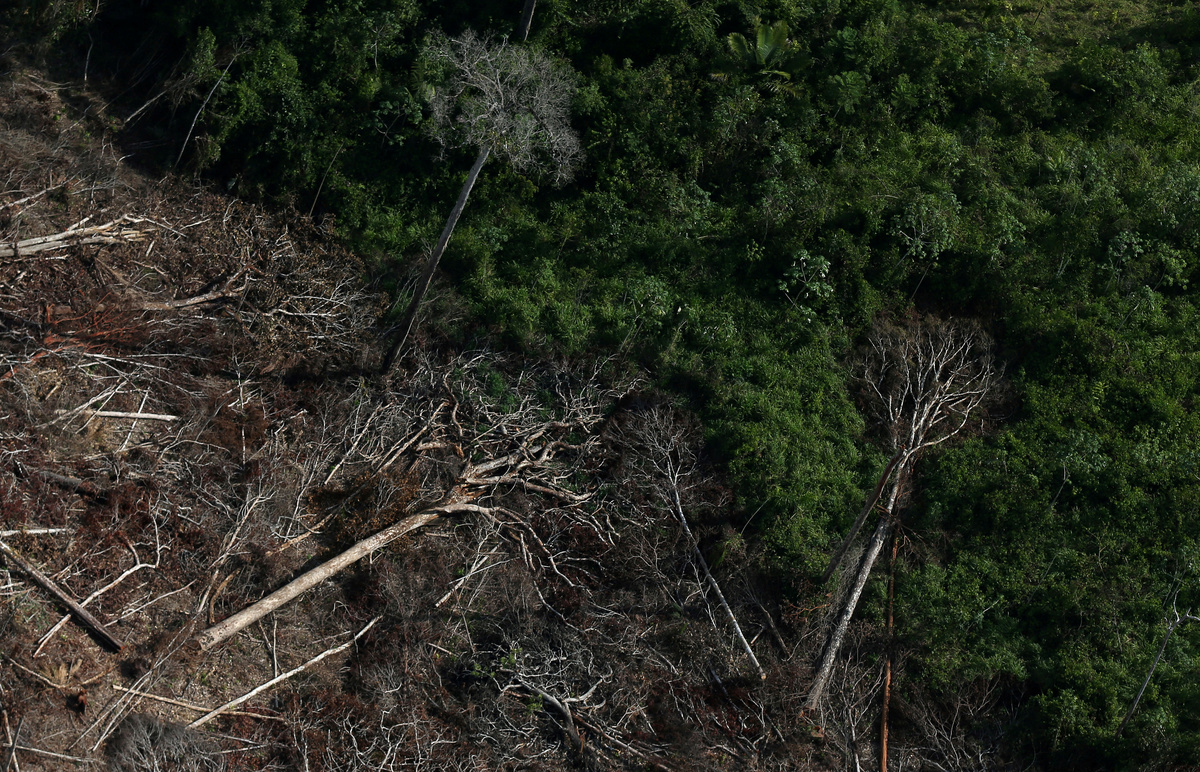
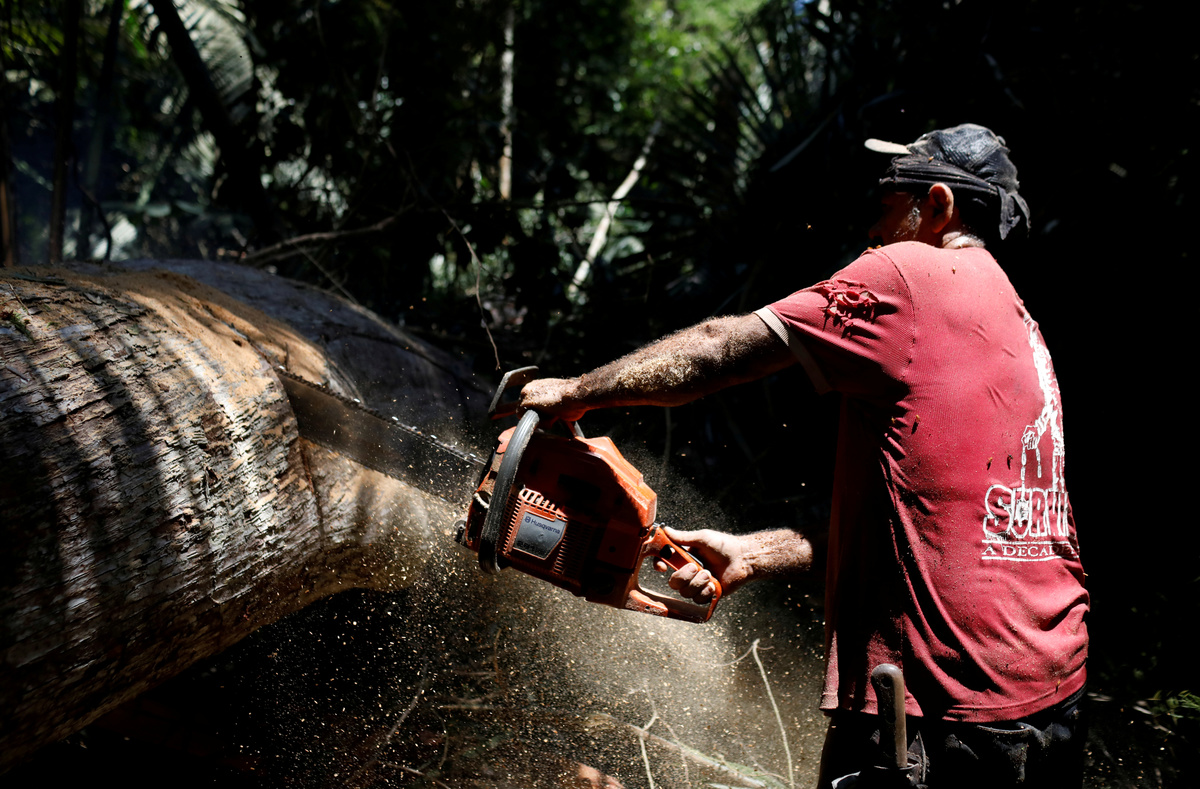
"This is because the principal source of emissions, land use change (44% of emissions in 2018), is booming due to the rise in Amazon deforestation, which is advancing despite the pandemic."
Deforestation in Brazil's section of the Amazon in the first four months of the year was up 55% from a year ago, according to preliminary government data.
The Amazon, 60% of which lies in Brazil, is the world's largest rainforest and absorbs vast amounts of greenhouse gas.
In agriculture, the study highlighted that slaughtering of cattle has slowed in Brazil amid the crisis, leaving more cows in the field where they continue to belch up methane, a potent greenhouse gas.
(Reporting by Jake Spring; Editing by David Gregorio)