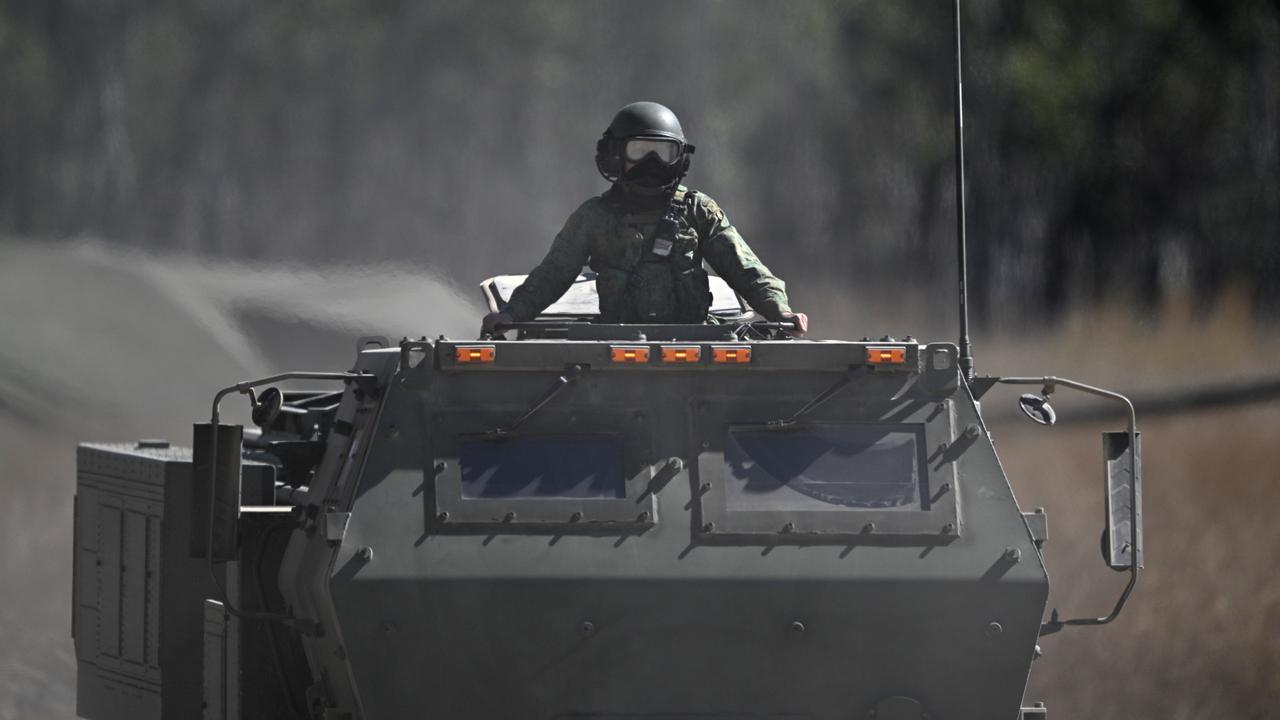
A record spend on defence outside of wartime is still too complacent in the near-term and does not look at the bigger picture, a former defence force chief says.
Defence Minister Richard Marles launched the military's next two-year strategy on Thursday, with an extra $53 billion set aside in the next 10 years.
Submarines, drones and long-range missiles will be prioritised as part of defence infrastructure, as the minister warns of growing global threats.
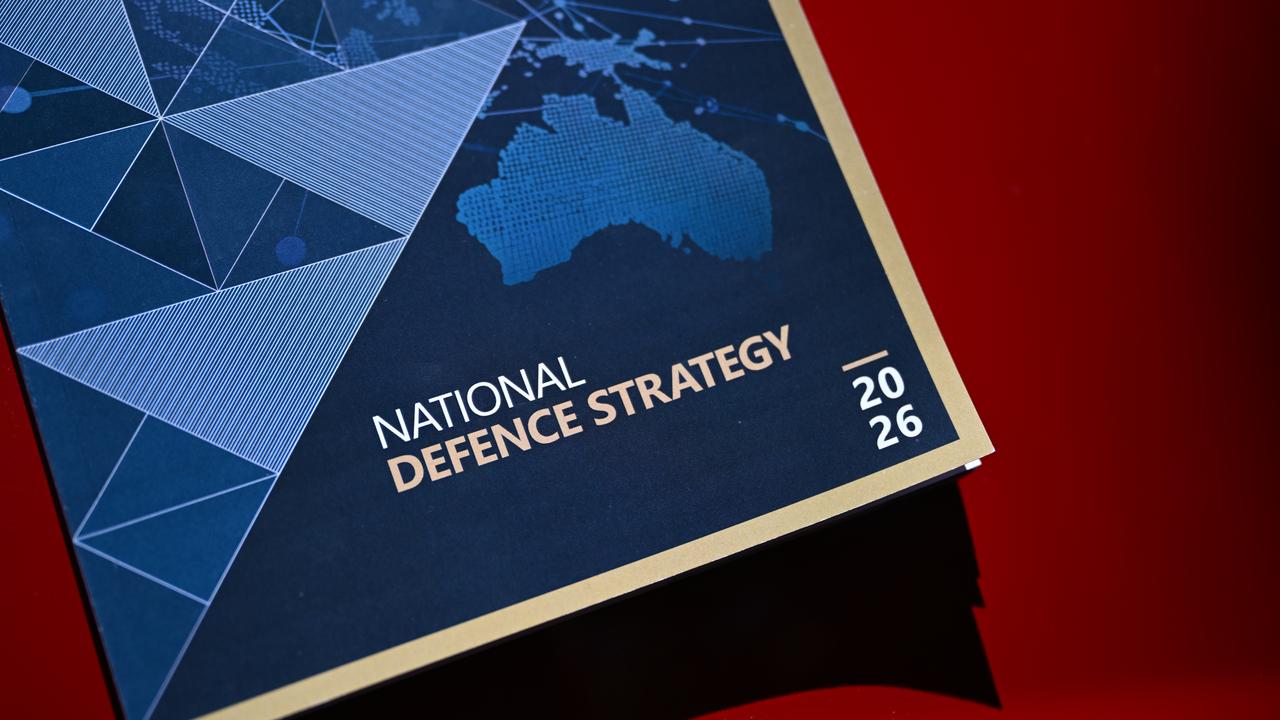
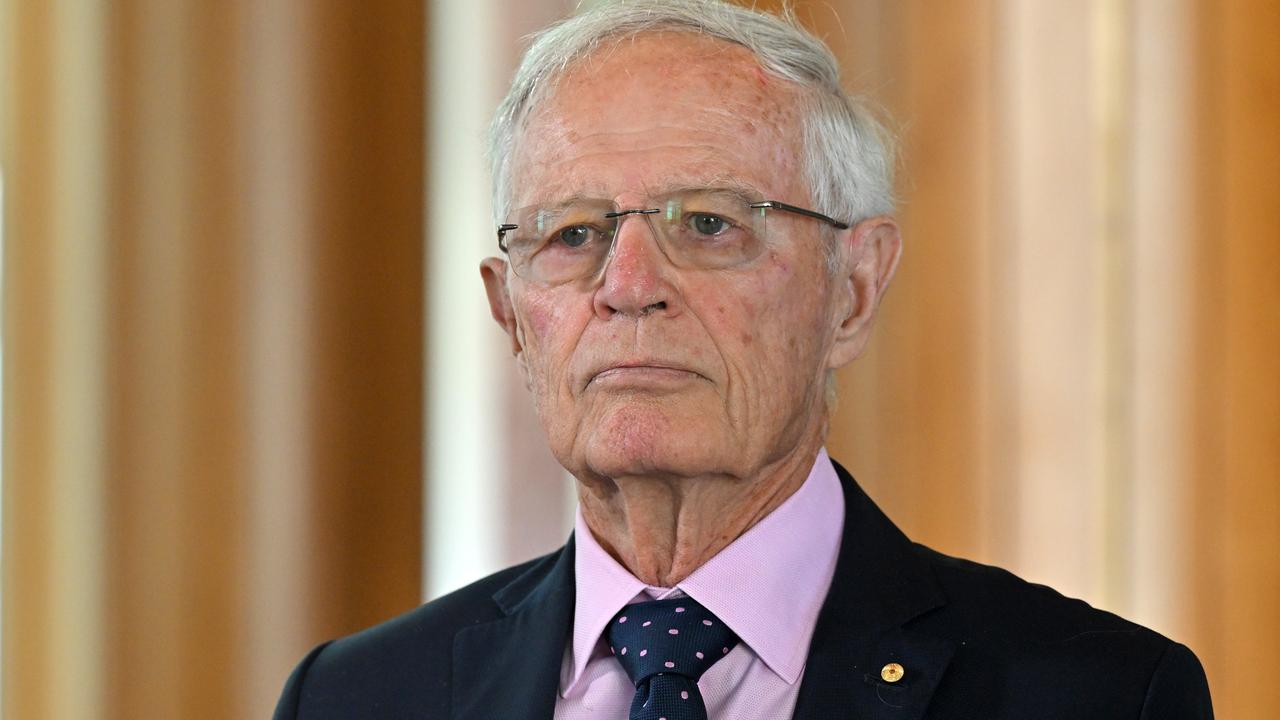
But former Australian Defence Force chief Chris Barrie said the strategy focused on the immediate future, not the long-term goals required.
"Focusing on the immediate period and current preoccupations and downplaying bigger threats in the future is poor strategic thinking," he said.
"What is largely missing is a clear statement of the really big issues facing Australia: extreme climate impacts, geopolitical tension, authoritarianism and disinformation, and the existence of large nuclear arsenals now form a single, interconnected security risk environment.
"These elements can reinforce one another in dangerous ways, leading to systemic breakdown."
Mr Barrie, who is also part of the Australian Security Leaders Climate Group, said the strategy needed to include climate security risks.
"The strategy fails to fully recognise how Australia's expanding coal and gas exports are perpetuating a cycle of fossil fuel reliance, undermining Australia's long-term security and global leadership," he said.
The extra money will lead Australia to increase its defence spend to three per cent of GDP by 2033, up from 2.33 per cent.
The Trump administration had called on allies such as Australia to boost defence spending to 3.5 per cent of GDP.
Australian Strategic Policy Institute executive director Justin Bassi said the defence strategy reinforced the security threats the ADF faced.
"The core theme in the strategy is an approach of self-reliance which is achieved by enhancing our own capabilities while also recognising that the US alliance remains vital to our security," he said.
"This is a direct rebuttal of those arguing for an independent defence and foreign policy, meaning reduced collaboration with the US, and which would actually be cost-prohibitive.
"While all countries face budget constraints, investing in defence and security now will help deter adversaries and prepare Australia for crises so that we avoid having to spend even more later, which has to be the lesson of the conflicts in Europe and the Middle East."