The Revenue Department is cutting tax-deductible expenses and will adopt big data technology to encourage owners and family-owned operators to enrol as juristic persons and pay taxes correctly.

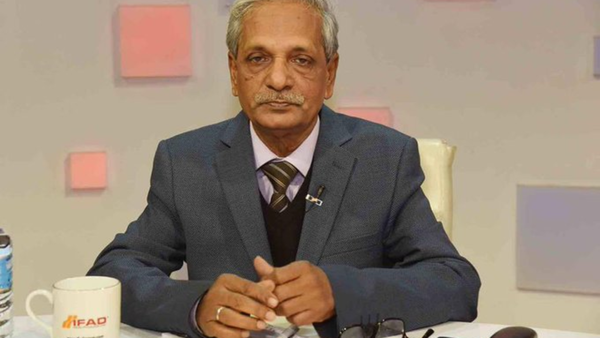
Prasong: Multiple accounts still rife
The government's largest tax-collecting agency is working to persuade owners and family-owned operators to register as juristic entities, as they are subject to a lower income tax rate and can deduct higher expenses, said an informed source at the department.
From the 2017 tax year, tax-deductible expenses of those who earn income under the Revenue Code's Section 40 (7 and 8), comprising commerce, business, agriculture, industry, transport and construction, have been slashed to 60% from 70% of income, to discourage taxpayers from evading personal income tax, the source said.
Moreover, using big data technology to analyse tax payments should discourage owners and family-owned operators from calling for lower personal income tax payments, the source said. The department plans to launch an auction for the new technology this year, the installation of which will take around one year, the source said.
There are 400,000 corporate taxpayers, of which 300,000 are small and medium-sized enterprises (SMEs) with annual revenue of up to 30 million baht.
In related news, Prasong Poontaneat, director-general of the department, voiced concerns that as many as half of the 300,000 SME operators who signed up for the government's single financial account scheme still have multiple financial accounts.
Having accurate financial accounts for tax payments will prevent operators from facing criminal charges and money laundering probes, strengthen their financial position, avoid money leakage and be easier for SMEs to seek new partners, he said.
Mr Prasong himself recently warned that half of the 300,000 SMEs who signed up for the government's single financial account scheme are at risk of facing backdated tax and money laundering probes as they persist in using more than one account to understate income tax bills.
The 150,000 SMEs are engaged in many businesses, ranging from consumer goods to restaurants, lending, goldsmiths, pharmaceuticals and auto repairs.
The single financial account scheme was initiated last year to lure SMEs to enter the formal tax system by offering them tax perks and exemptions from backdated tax probes.
Under the scheme, registered SMEs with annual sales of up to 500 million baht are exempt from backdated tax scrutiny. Those with registered capital not exceeding 5 million baht and revenue not exceeding 30 million baht for the 2015 accounting year had no tax burden for the 2016 accounting year.
Corporate income tax of 10% has been imposed on those with net profits exceeding 300,000 baht for the 2017 accounting year, while a tax exemption will be allowed for net profits of up to 150,000 baht.
SMEs taking part in the scheme will resume paying normal tax rates from 2018. SMEs are exempt from corporate tax for net profits of up to 300,000 baht, but they pay 15% tax for net profits of 300,001 to 3 million baht and 20% for net profits of more than 3 million baht.