We can never un-see the nonchalance, the I-can't-be-bothered hands in the pockets, the sunglasses on the head like a smug frat boy at a 1950s beach party.
We can never un-feel the horror, George Floyd's powerlessness, his personhood stripped of all but the ability to plead for his life.
And then the silence.
We also can never turn off the dawning of light.
Watching not only Floyd's increasingly lifeless face, but the indifferent visage of one human being as the air is choked out of another, has given us new eyes to see the many other horror stories that surround being black in America.
Not "just" incidents of police brutality, not "just" slavery and Jim Crow, not "just" mass incarceration and housing, employment and education disparities, but what it means to simply walk down the street black.
The clarity of the circumstances surrounding George Floyd's Memorial Day death, coupled with the incident the same day in Central Park when a birdwatching African-American man was wrongly accused of threatening a white woman, has provoked not only protests in the street, not only fast, sweeping changes in police departments, board rooms, on TV shows and on the grounds of NASCAR, but a deepening of the personal question: "Why? What is inside the human soul that allows this degradation to continue?"
Not only that, but, among the white people I know: "What is inside of me?"
Not: "Do I contribute?"
But: "How do I contribute?"
Even we white people who call ourselves "woke" are opening to the part we all play in a land we say is free, but we know is not, governed by a Constitution that says all men are created equal, and yet we know they are not treated so.
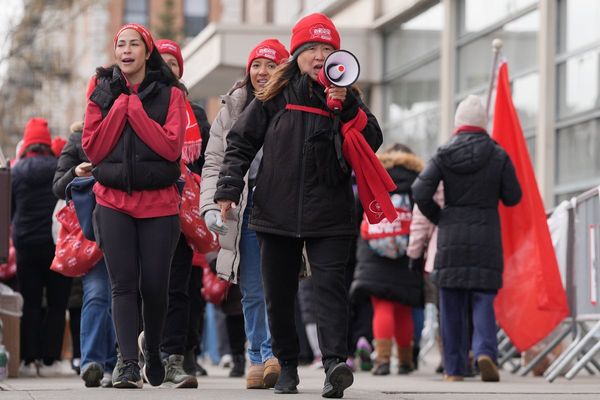
In our family, my two young adult sons, with whom I am COVID-bound, and I determined to understand and keep understanding. And so we began to watch and re-watch movies and documentaries together, in the last week "I Am Not Your Negro," "Straight Outta Compton," "The Last Black Man in San Francisco" and "13th." We found books and music to understand and discuss together, the words of rapper Kendrick Lamar and writer Ta-Nehisi Coates. We felt we had to do something and so, from our house in northeast Ohio, we helped build a group of allies in our community; in four days, 850 people joined. We made signs and went forth to attend rallies.
My sons and I joined a nation, and the world, activating around racial justice with new vigor, the collective power of which I've not seen in my adult life.
It is activity some in the movement have rightfully scorned.
"Where was all this activity before? How is this any different than any other march in the street for the moment? Where will your activism be when the moment passes?"
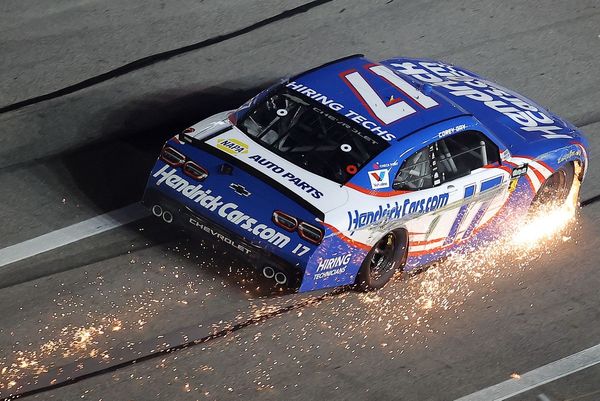
Others say there is no mistaking the changes that have resulted is just a few weeks since Floyd died and the protests began _ the city council of Minneapolis, where Floyd was killed, vowing to disband the city's police department; jurisdictions across the country pronouncing racism a public health crisis; school systems acknowledging Black Lives Matter and promising to address staffing and curriculum discrepancies; the co-founder of Reddit giving up his seat on the company's board of directors so a person of color could replace him; LeBron James forming a get-out-the-African-American-vote advocacy group for the 2020 presidential election; NASCAR voting to ban Confederate flags from its grounds; HBO removing "Gone with the Wind" from its streaming services for its portrayals of race. The list goes on to include even the commissioner of the National Football League apologizing for ignoring the complaints of African-Americans, and recognizing players' rights to protest publicly, including Colin Kaepernick's controversial taking a knee during the National Anthem.
Still, there are those who are cautious in their praise.
"Though it remains to be seen whether these changes will be catalytic or merely cosmetic in fighting institutional racism and police violence, the swiftness of their accumulation has been remarkable _ and demonstrates how quickly changes can be made when those in power have the will to make them," wrote Joe Pinsker in last week's Atlantic article, "America is Already Different Than it Was Two Weeks Ago."'
Surely, yes, these could well be these publicity ploys.
Or maybe there is "will" in our midst.
Who's to speak for each corporate action? Meanwhile, what is unmistakable in my ears are the voices of myself and many of the white people I know who have stood for years behind the adamant assertion: "I'm no racist," who are finally changing that language, on Facebook and racial-justice web sites, in public and private conversation.
"I am ignorant. I have much to learn" is what we are finally saying now and what we are needing to say.
When we say these words, we give someone else the courage to say the same. When we say these words, we drop out of a place of defensiveness, into one of openness. The more we open, the more our ears are ready to listen to the stories, each and all, one by one by one. The more we listen, the more our hearts change, the more we know what to do.
This, I believe, is the way to real, sustainable change.
This is the deep inner work I see stretching alongside the activism, that I believe and hope may finally be taking us from white righteousness, through guilt and fear and shame, to finally, humility, and the necessary work of racial justice and accountability.
"Stop defending racism," said the words on the sign at the march in our town here in Kent, Ohio.
Stop defending ourselves.