This year’s extreme weather has hit marginalised groups the hardest, as experts call for an “urgent” transition away from fossil fuels.
A new impact report from World Weather Attribution (WWA) analyses 22 climate-fuelled disasters from the last 12 months, warning that heat-trapping emissions are driving global temperatures up and fuelling destructive weather events across every continent.
While 2025 will not break the global heat record set by 2024, the report identifies extreme heat as one of the deadliest forms of extreme weather. While floods and storms leave a trail of physical destruction, extreme heat is a “silent killer’ - it stole the lives of more than 24,000 Europeans this summer.
Its true death toll is thought to be much larger, as the vast majority of deaths will be attributed to existing health conditions rather than heat.
How extreme heat impacts women
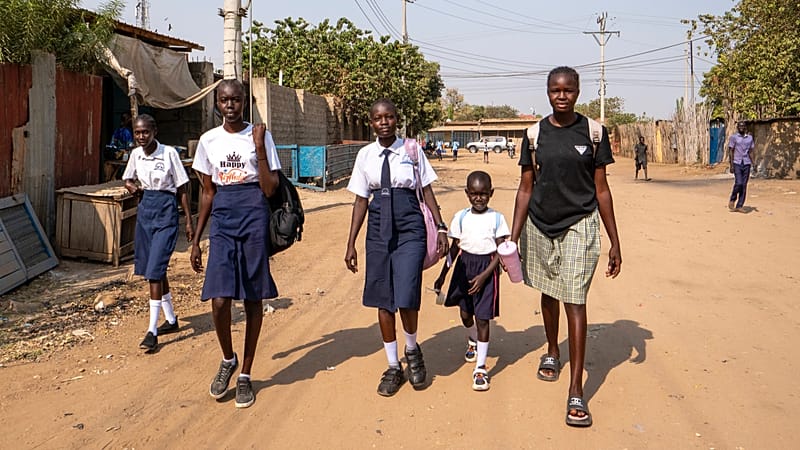
Back in February, a severe heatwave hit South Sudan, causing dozens of children to collapse with heatstroke and a two-week shutdown of schools. The population was told to stay indoors and keep hydrated, but many houses in the country are built with iron roofs and lack cooling, electricity or access to clean water.
WWA’s study found that human-induced climate change made this heatwave 4°C hotter and that the burning of coal, oil and gas has “transformed what used to be an exceptionally rare event into a common one”, now expected to occur every other year.
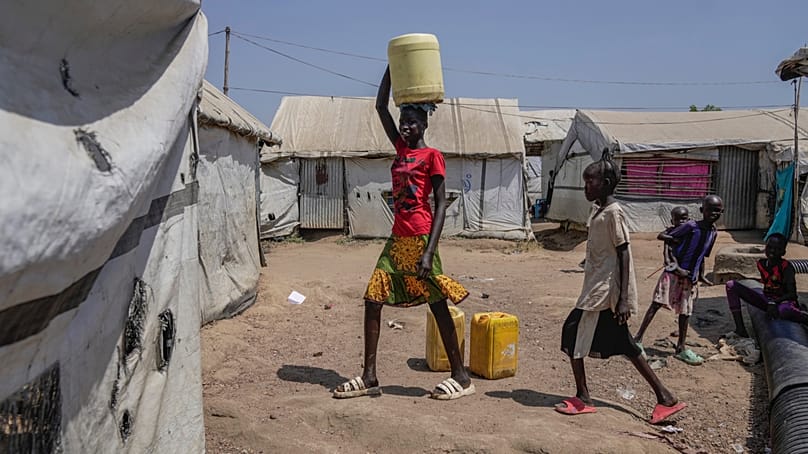
The intense temperatures, which climbed to over 40°C on some days, “disproportionately affected” women, the majority of whom work in agriculture or other occupations with high-heat exposure – such as street vending.
WWA says that women in South Sudan spend around 60 per cent of their time on unpaid care work, such as fetching water and cooking in extremely hot environments which risks a slew of long-term health effects such as cardiovascular strain, kidney damage, and increased vulnerability to heat exhaustion.
“Education is severely impacted by extreme heat,” the report states. “Prolonged school closures increase the likelihood of learning losses, reinforce gendered household expectations, and heighten risks of early marriage, making school return more difficult for girls.”
Does our climate evidence need to change?
WWA found that, globally, women carry an "unequal burden” that often increases their risk from dangerously high temperatures. However, the inequality goes much further – and actually bleeds into scientific evidence itself.
Many of WWA’s studies in 2025 focused on heavy rainfall events in the Global South, a collective term for countries in Africa, Asia, Latin America and Oceania (but not Australia and New Zealand) which are commonly referred to as “developing” or “less developed” nations.
In general, these countries are poorer than nations in North America and Europe, have higher levels of income inequality and suffer lower life expectancy.
Scientists repeatedly found gaps in observational data, arguing that reliance on climate models developed mainly for the Global North prevented them from drawing confident conclusions.
“This unequal foundation in climate science mirrors the broader injustices of the climate crisis,” the report adds.
A transition away from fossil fuels
WWA calls for an “urgent” transition away from fossil fuels and boosted investment in adaptation measures to help fight against the increasing frequency of extreme weather.
It is widely accepted that fossil fuels are the main driver of global warming, accounting for around 68 per cent of global greenhouse gas emissions and nearly 90 per cent of all carbon dioxide emissions.
WWA says adaptation to climate disasters is sometimes limited. “When an intense storm strikes small islands such as Jamaica and other Caribbean nations, even relatively high levels of preparedness cannot prevent extreme losses and damage,” the report adds.
“This underscores that adaptation alone is not enough; rapid emission reductions remain essential to avoid the worst impacts of climate change.”