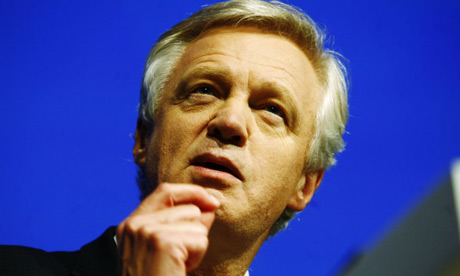
David Davis made an interesting speech to the Commons press gallery today. He offered a gloomy analysis of the campaign to tame the Taliban in Afghanistan, albeit one tempered by a scenario whereby the ex-shadow home secretary thinks the Afghans may be helped towards a decent, stable society in a decade.
For me the interesting point is to see whether Davis gets any media coverage for his efforts. Back in the summer he earned brickbats and praise for his decision to resign his seat and force a byelection over the 42 days pre-charge detention issue. I thought it a "futile gesture" - the phrase I put to him yesterday - which had cost him his influential position without changing anything.
Davis remains convinced, though not adamantly so, that Gordon Brown would have been able to push his proposal through, but for his own sacrifice. My take was - and remains - that the Lords and the bar of public opinion would have beaten him in the autumn without Davis's help. It can be a matter of honest disagreement.
But what of his views on Afghanistan, which this ex-territorial army tough guy (TA SAS etc) has been studying since leaving the Cameroon frontbench? Davis endorsed the gloomy recent analysis of assorted leaders on the ground, diplomats, soldiers etc. He says he opposed the 2006 commitment of extra troops to Helmand province. "But we can't walk away ... we owe these people a duty."
So what can happen? Three options, according to DD, as the colleagues call him:
• we can carry on as we are at present, edging towards an eventual Taliban victory
• Nato forces can withdraw, leaving local allies to be butchered, the region further destablised and our credibility for future interventions to be shredded
• or Nato can embrace a different, more expensive option, a "surge" with three features: a military commitment like Iraq to improve security; a "development surge" which improves people's lives; and a "justice surge" which takes the Karzai government by the neck (his words) and extends real justice "beyond 20 warlords families".
Among those listening, several of us were surprised. Davis's diagnosis put him in the "conservative pessimist" camp - the Douglas Hurds and Chris Pattens - which argues there is little outsiders can actually do. But his proposal makes him a can-do activist in the mould of General David Petraeus, author of the Baghdad surge which seems to have brought greater stability.
Yes, Davis conceded. Petraeus is a very clever man, a "soldier scholar" (a hint of wistfulness there?). And the US has a window of opportunity: just six months in which the new president makes up his mind what to do next. He didn't say which new president, from which I infer he probably thinks Obama the better option.
The MP for Haltemprice and Howden also claimed that all failed counter-insurgency campaigns fail in 11 years. Successful ones such as Britain's campaign in Malaya in the 50s take 14 years. Interesting if true, squirrel it away....