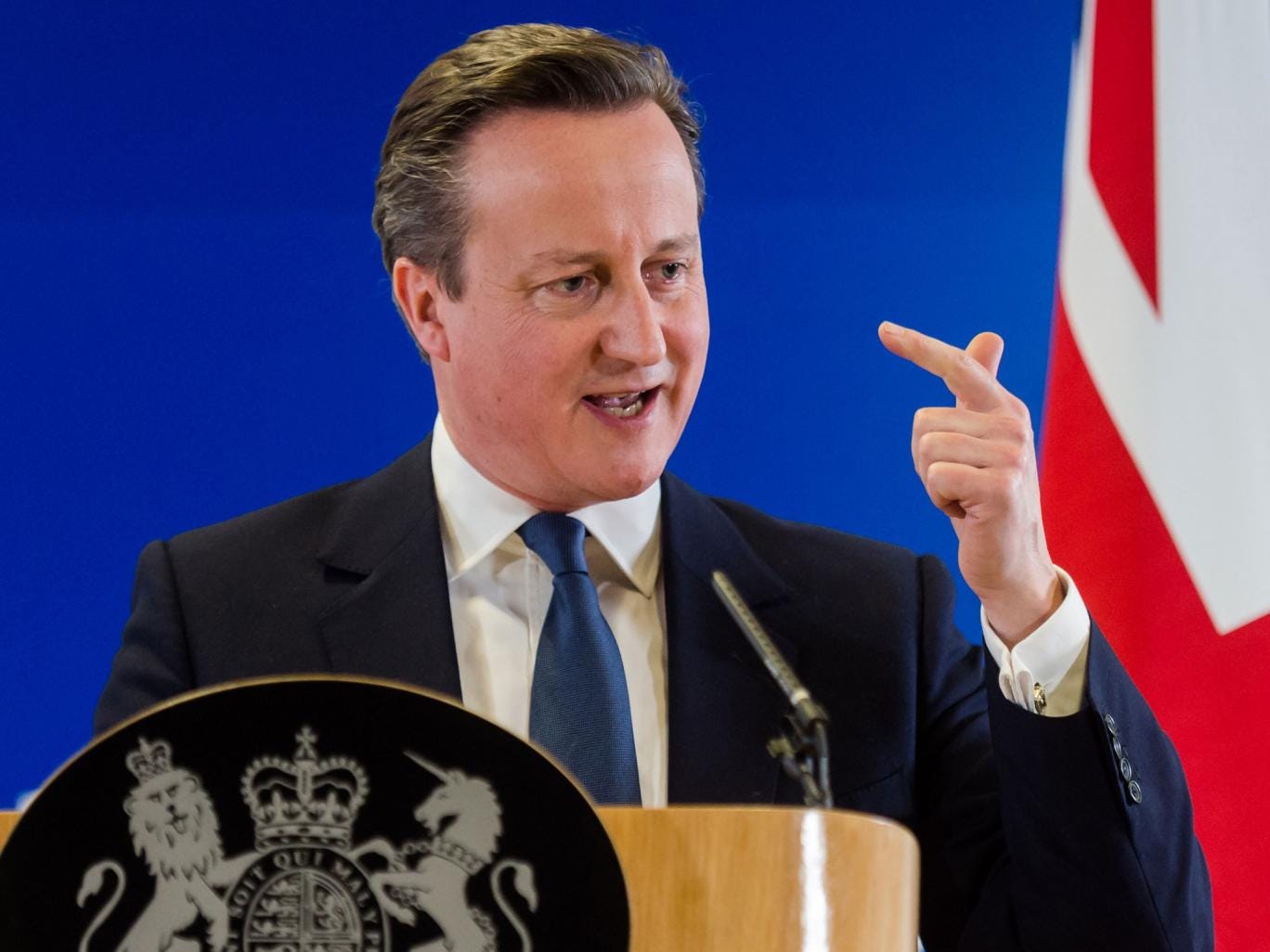
David Cameron finally struck his long-negotiated EU deal late last night. It includes changes on benefits to EU immigrants, stronger British sovereignty and protections surrounding the Eurozone.
Here’s a rundown of the key points:
Immigration
There are new powers to exclude people believed to be a security risk – even if they don’t have prior convictions, and stronger powers to ban and deport criminals.
The deal will also deny free movement to nationals of countries outside the EU who marry EU nationals, in a bid to stop so-called sham marriages.
Migrant benefits
The deal includes a watered-down version of the “emergency brake” Mr Cameron had been seeking throughout the negotiations.
Rather than a four-year ban on in-work benefits, its allows benefits to be phased in over four years. This compromise followed heavy resistance from eastern European states.
To apply the brake, Britain would need EU approval to apply the brake. But it has already received confirmation it can apply with “full expectation of approval”.
If approved, the brake would last for seven years with no option for renewal, less than the 13 years David Cameron originally sought.
Child benefits
Mr Cameron wanted to stop migrant workers claiming benefits for children in other EU countries.
He didn’t get that – but he has secured an agreement to ‘index’ the rate to the child’s home country. In most cases, that’s a lower rate than the UK.
Eurozone
The deal means that countries not in the euro will not be called on to fund euro bailouts, like those paid to Greece in recent years. It will also see them reimbursed for central EU funds used to prop up the euro.
Mr Cameron’s deal also outlaws discrimination against companies and individuals on the basis of their home currency, which he hopes will help British companies trade in Europe.
Sovereignty
Mr Cameron wanted a recognition that “ever closer union” didn’t mean “political integration”.
He didn’t get that, but he did secure an agreement to amend existing treaties to make it clear that the references to ever closer union "do not apply to the United Kingdom".
The deal also introduces a “red card” system, where EU legislation can be reconsidered with support of 55 per cent of the 28 member nations.