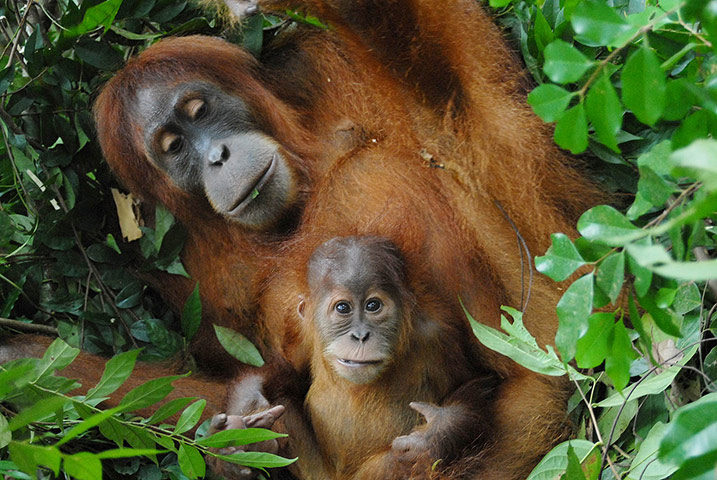
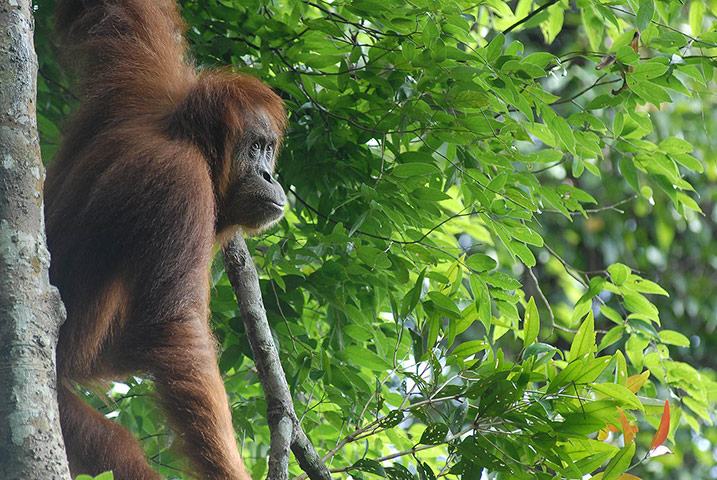
The name orangutan literally translates as ‘person of the forest’. There are two distinct species: Sumatran and Bornean. The former are critically endangered, with less than 6,500 remaining in the wild and the latter endangered, numbering less than 50,000. Orangutans breed more slowly than any other primate, with the female only producing a baby once every seven-to-eight years on average. Infants are dependent on their mothers for at least five years, learning about survival in the forest Photograph: Nick Tignonsini/SOS
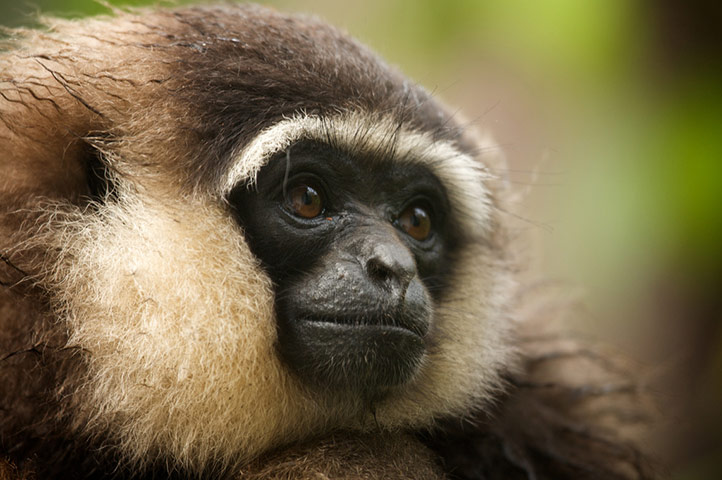
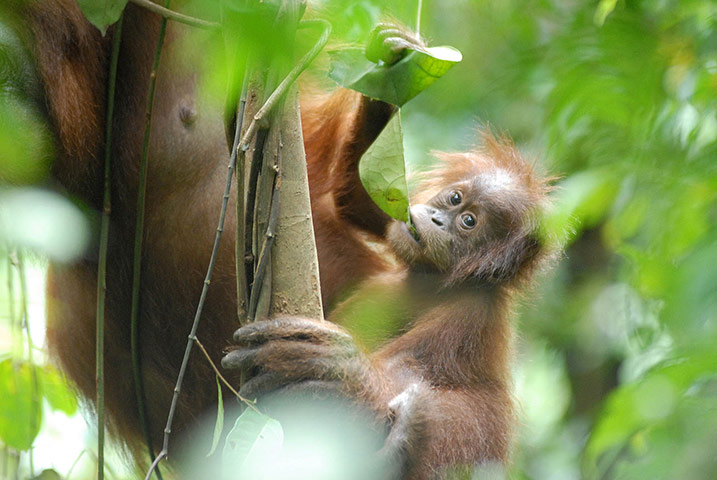
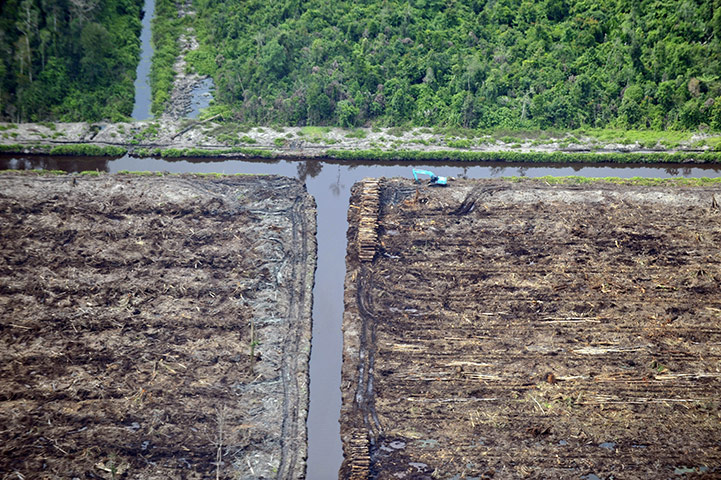
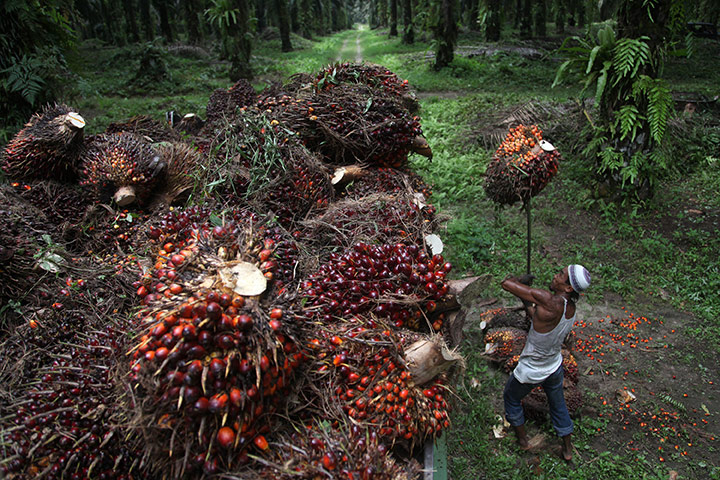
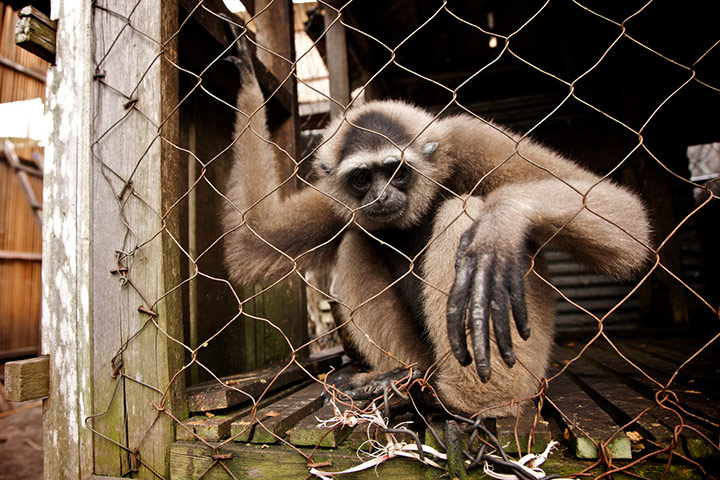
Agriculture is displacing forests at an alarming rate. The palm oil industry is responsible for clearing millions of hectares of forests, pushing both orangutans and gibbons towards extinction. Palm oil is now said to be found in half of all packaged products in our supermarkets Photograph: Dimas Ardian/Getty Images
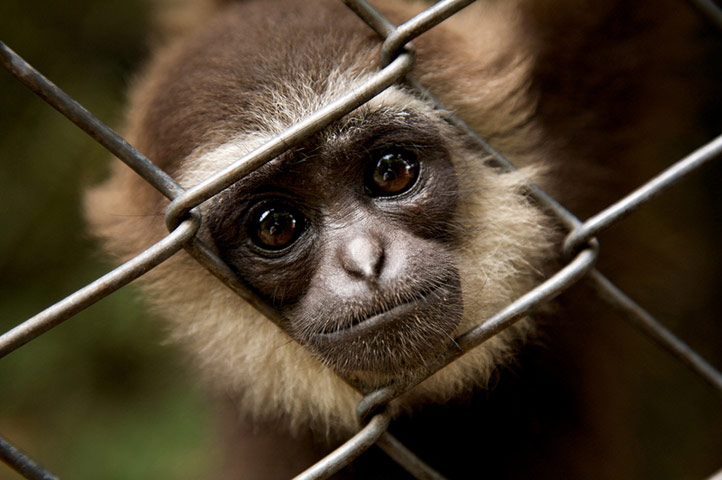
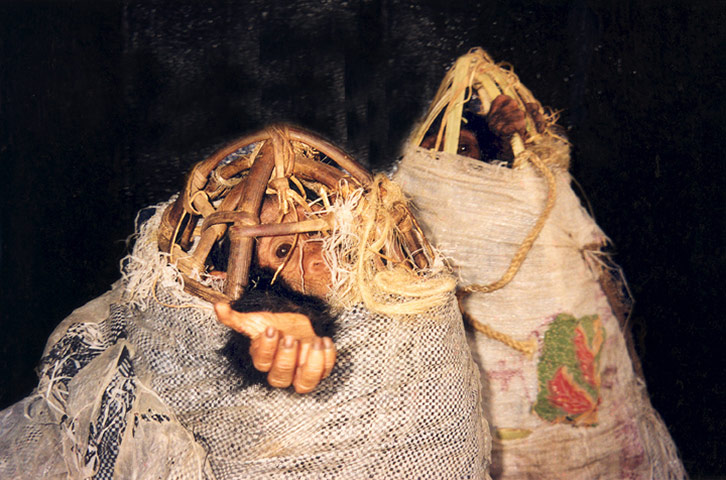
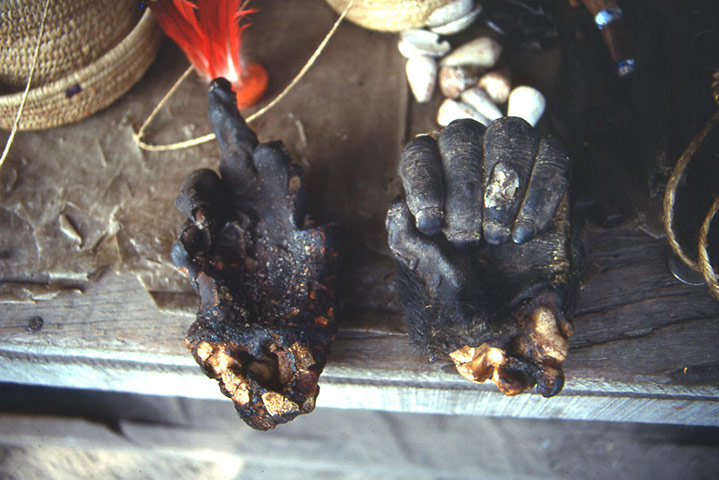
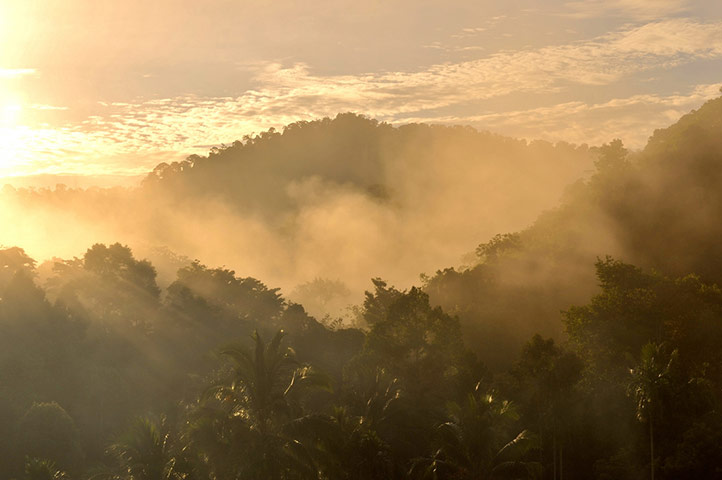
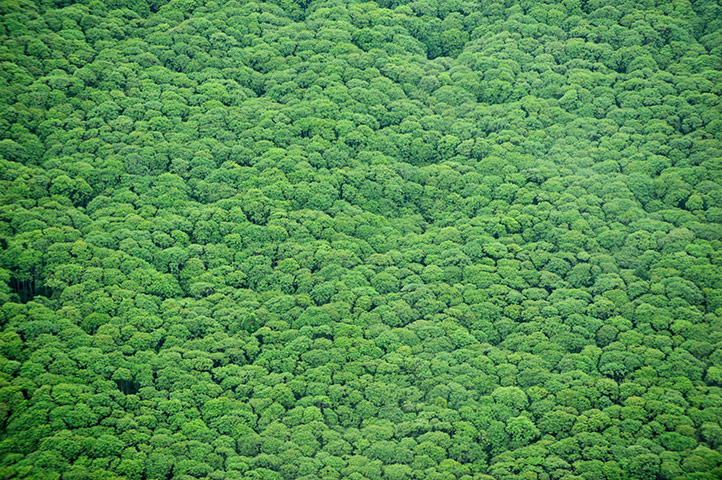
Protecting the forests is crucial if we are to save the apes. By doing so, we also protect thousands of other species and help in the global battle to prevent climate change Photograph: Nick Lyon/www.films4.org/SOS
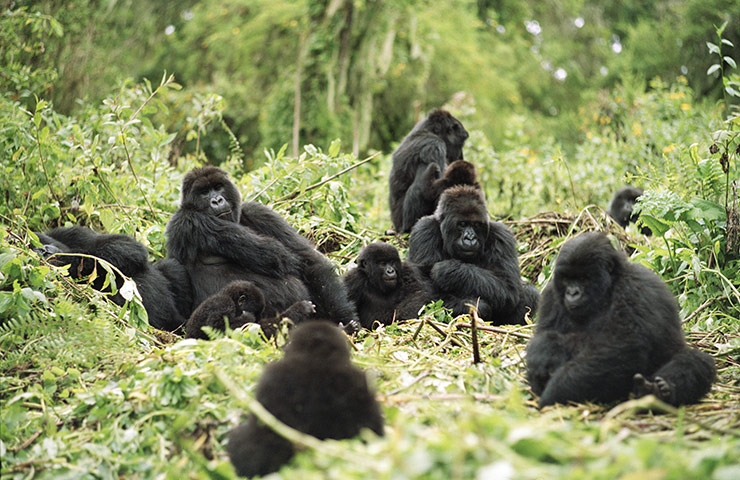
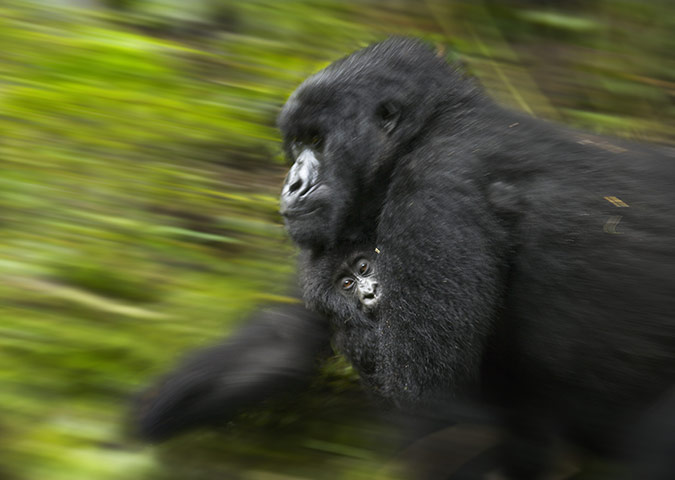
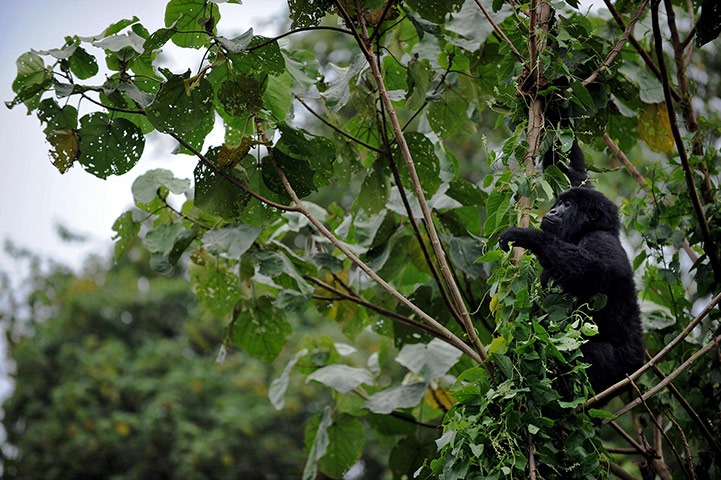
Thanks to massive conservation efforts by groups from around the world, mountain gorillas are known to be increasing in numbers Photograph: Last Refuge/Corbis
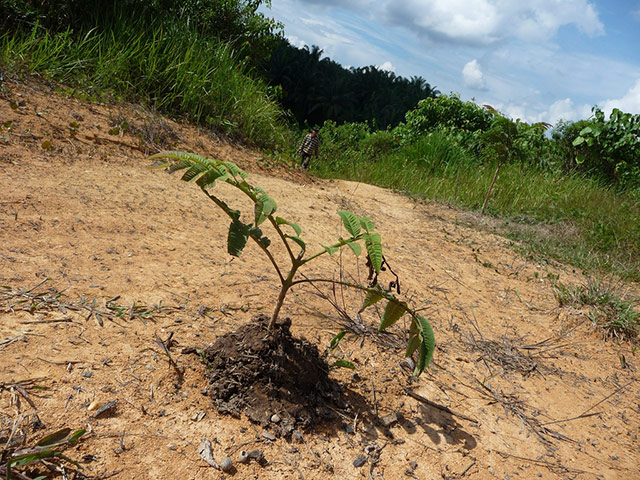
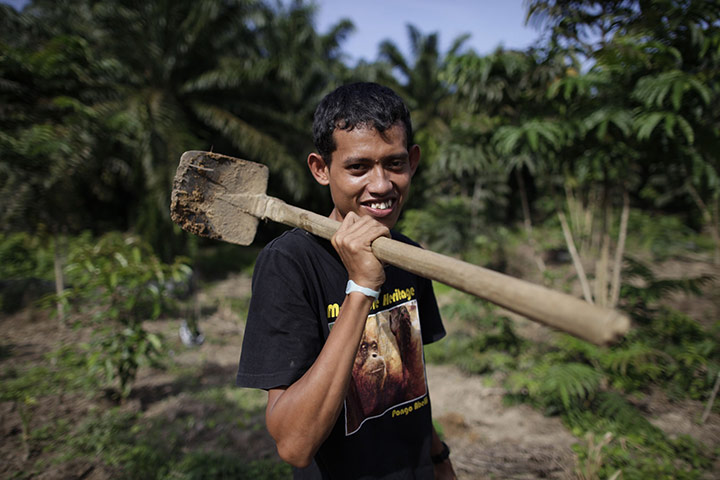
The orangutan information centre has a tree planting project near Besitang where they have reclaimed 500 hectares of land from illegal palm oil plantations. They are now restoring it to become forest again Photograph: Layton Thompson/SOS
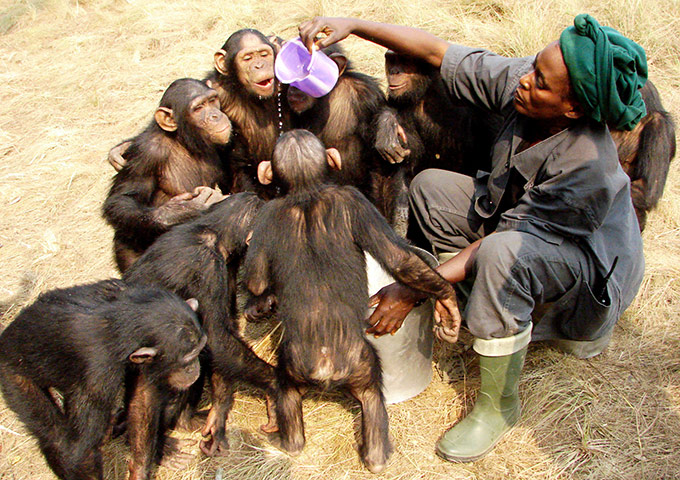
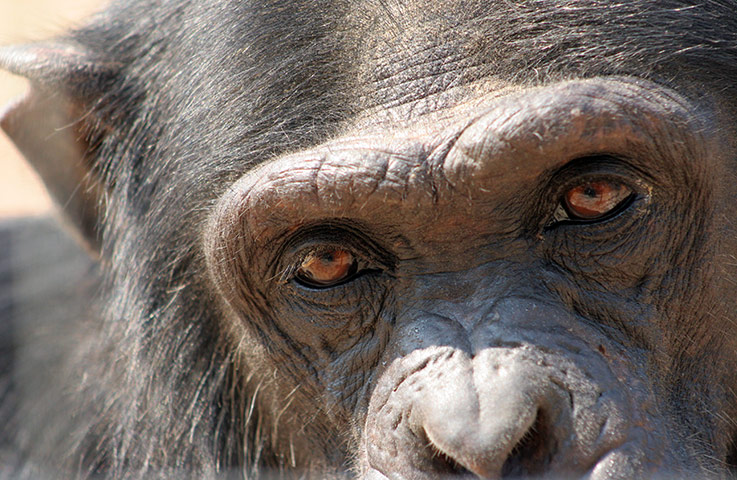
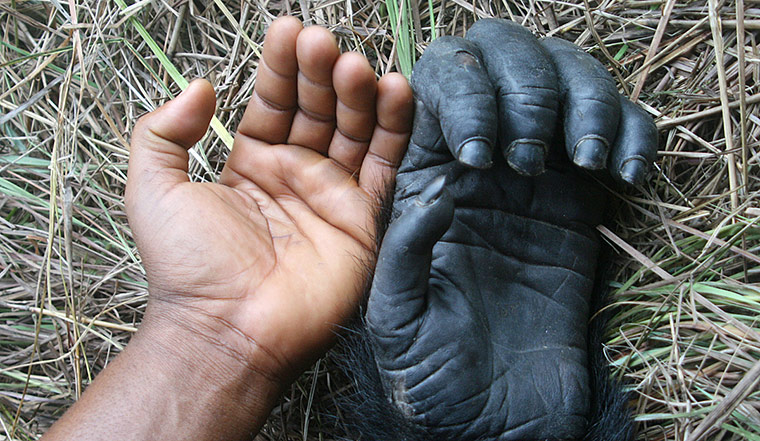
Rescue and rehabilitation centres continue to help apes saved from the pet and bushmeat trade or left homeless due to deforestation. In this sanctuary in the Republic of Congo chimps are helped in their hundreds
Photograph: Lisa Pharoah/JGI/SOS