Large numbers of human remains sit unidentified due to a lack of DNA testing in a blow to First Nations families searching for loved ones, advocates say.
An independent database is being set up to document missing First Nations people cases along with a DNA collection program in a bid to help find them.
Backed by The Disappeared Project, which supports families of missing Indigenous people, the initiative is set to address a system that advocates say has failed families for decades.
A large amount of human remains were sitting in health departments and in the custody of police agencies that had not been identified, the project's Martin Hodgson told AAP.
"There are people who have been searching for 10 or 20 years for their loved ones that could be sitting on a shelf, but because of the lack of DNA testing have never been identified.
"That is an urgent problem that we aim to solve."
Many murder victims were Aboriginal and Torres Strait Island women whose cases remained largely unsolved, he said.
"For decades the system has failed families to deliver them answers of any kind."
In many cases it was no secret who the prime murder suspects were, often identified by coroners, but formal investigations were not carried out and arrests were not made, Mr Hodgson said.
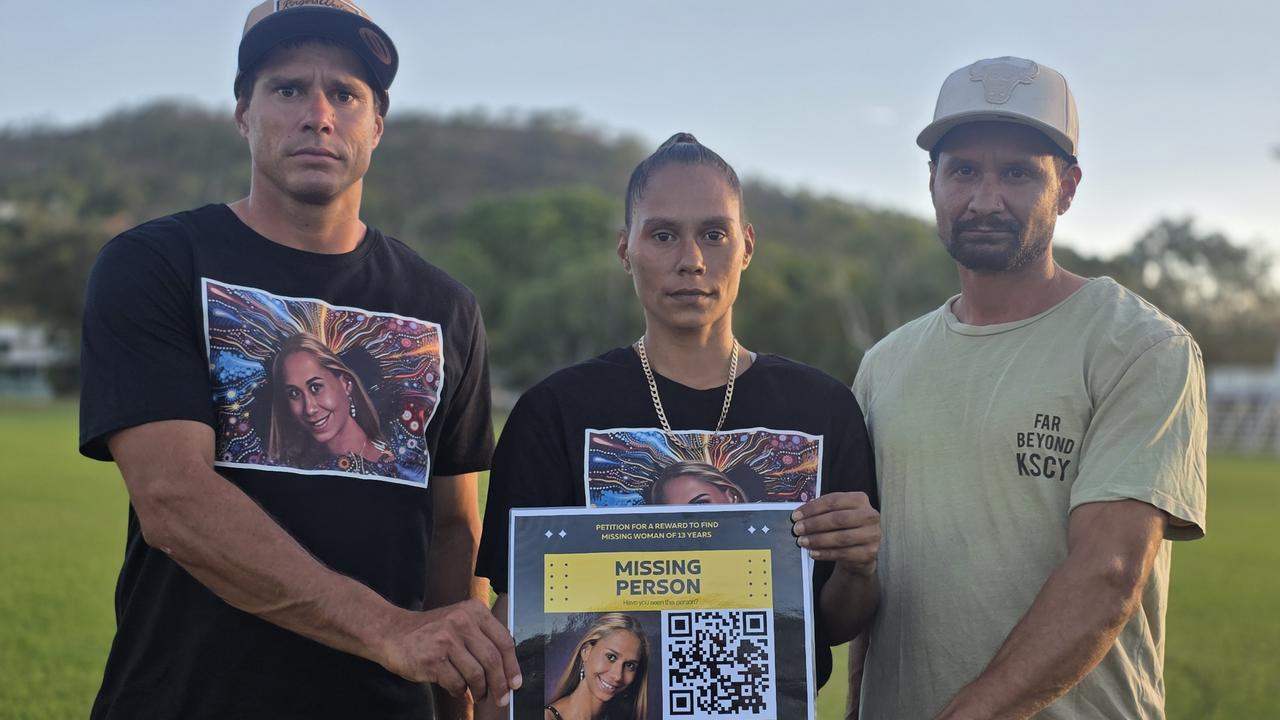
The family of Monique Clubb has been looking for her since she disappeared in June 2013, aged 30, after travelling from Hervey Bay to Brisbane.
A coroner found in 2022 that she probably died in Beenleigh or the Brisbane area and listed her cause of death as undetermined, with her body never found.
Minnie Clubb told AAP that not knowing what happened to her older sister was hard on the family.
"We will never stop searching for Monique and getting those answers to those questions that we've been trying to fight for for so long.
"For the last 13 years our family has been trapped living in this nightmare."
They hoped someone in the community would come forward with information so the family could bring her sister home, Ms Clubb said.
The initiative involves Forensic Human Identification and Locate International supporting The Disappeared Project in a partnership to find, identify and return lost First Nations people to families and Country.
Locate International, a UK-registered charity dedicated to finding missing persons, will collect, store and analyse data relating to unidentified and disappeared First Nations individuals.
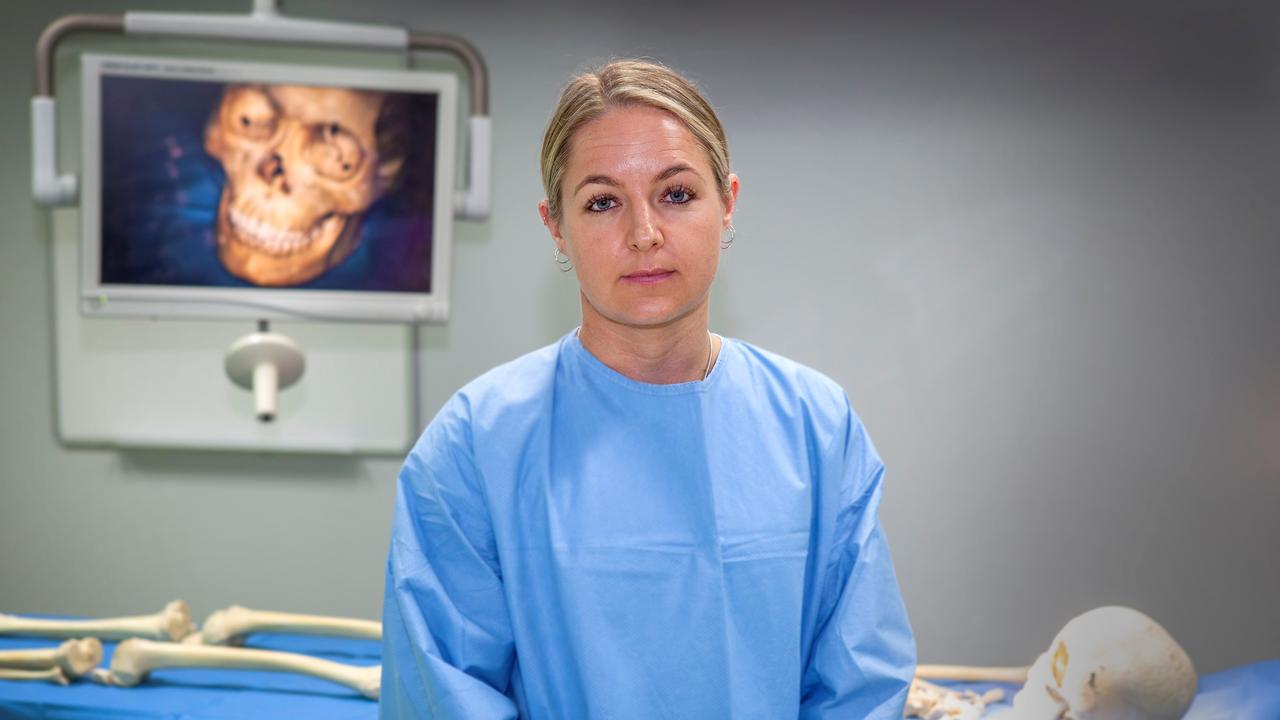
Forensic Human Identification would launch a DNA sample collection program to create a database that can be compared against unidentified human remains of First Nations people, director Jodie Ward said.
The existing federal, state and territory missing person databases were incomplete, inaccurate, often out of date and hard to search, Mr Hodgson said.
Too often there was a lack of government funding for missing persons units but Australia had to catch up to world's best practice.
The cases were countless and there was no reliable measure of how many Aboriginal men, women and children had disappeared, he said.
13YARN 13 92 76
Lifeline 13 11 14