Data spills do not just leak email addresses anymore. They spill lives. Every time a major company announces a breach, another warehouse of personal information lands in criminal marketplaces across the internet. Names, birth dates, Social Security numbers, passwords, and credit card details move fast, and criminals know exactly how to use them. Identity theft keeps climbing because data breaches keep feeding it fresh fuel.
But there is good news! Three powerful locks can dramatically reduce the damage when the next breach hits. No one can control which company fumbles security next, but anyone can take control of what happens after that data slips out.
The Breach Economy Runs on Your Information
Data breaches no longer shock anyone, yet the scale still stuns. Major corporations, hospitals, retailers, and even government agencies have reported incidents over the past decade. When companies like Equifax exposed sensitive financial data in 2017, criminals gained access to Social Security numbers and birth dates for millions of people. That kind of information does not expire, and it does not change easily.
Criminal networks treat stolen data as inventory. They bundle login credentials into packages and sell them on underground forums. They combine bits of information from multiple breaches to create detailed identity profiles. A single email address tied to a reused password can unlock shopping accounts, banking apps, and payment services. From there, fraudsters open new credit lines, file fake tax returns, or drain financial accounts.
Identity theft does not require genius-level hacking skills anymore. Automated tools test stolen passwords across thousands of websites in seconds. If someone uses the same password for streaming services and online banking, attackers often walk right through the front door. That reality makes personal security habits more important than ever.
Lock One: Upgrade Your Password Game Like It Actually Matters
Passwords still guard the front gate of most online accounts, yet too many people treat them like an afterthought. A short, reused password offers about as much protection as a screen door in a hurricane. Strong passwords need length and randomness. Security experts recommend at least 12 to 16 characters that mix letters, numbers, and symbols. Even better, a long passphrase made of unrelated words creates strength without impossible memorization.
A password manager changes the game entirely. Reputable services generate and store complex, unique passwords for every account, so no one needs to memorize dozens of strings. Companies like 1Password use strong encryption to protect stored credentials. When each account uses a different password, one breach cannot domino into ten more.
Multi-factor authentication adds another layer that criminals hate. Many major platforms, including Google, offer authentication apps or hardware keys that require a second verification step. Even if attackers grab a password from a breach, they still cannot access the account without that extra code. Turning on multi-factor authentication wherever possible ranks as one of the simplest, most powerful moves available.
Lock Two: Freeze Your Credit Before Trouble Knocks
Credit freezes sound dramatic, but they function as quiet guardians. A freeze restricts access to a credit report, which blocks lenders from approving new credit in someone’s name. Without access to that report, banks and credit card companies usually refuse new applications.
Each of the three major credit bureaus—Experian, TransUnion, and Equifax—allows consumers to place a freeze for free under U.S. law. The process typically takes only minutes online. After activation, anyone can temporarily lift the freeze when applying for a loan or credit card, then lock it again afterward.
A credit freeze does not affect existing accounts, and it does not lower a credit score. It simply prevents new accounts from opening without permission. Since many identity thieves aim to open fresh lines of credit, this lock directly targets one of their favorite tactics.
Fraud alerts offer another option, though they provide lighter protection. An alert asks lenders to verify identity before approving new credit. While helpful, a freeze delivers stronger control. In a world where breached data circulates for years, proactive credit protection makes practical sense.
Lock Three: Monitor Like a Hawk, Not a Bystander
Prevention matters, but detection carries equal weight. Even with strong passwords and frozen credit, someone might attempt fraud using stolen data. Quick detection limits damage. Regularly reviewing bank and credit card statements catches suspicious transactions early. Many financial institutions send real-time alerts for purchases over a chosen amount. Enabling those notifications transforms a phone into an early warning system.
Free annual credit reports from each bureau help track new accounts or hard inquiries. Staggering those reports throughout the year allows consistent monitoring. If something looks unfamiliar, immediate action with the lender and the credit bureau reduces long-term fallout.
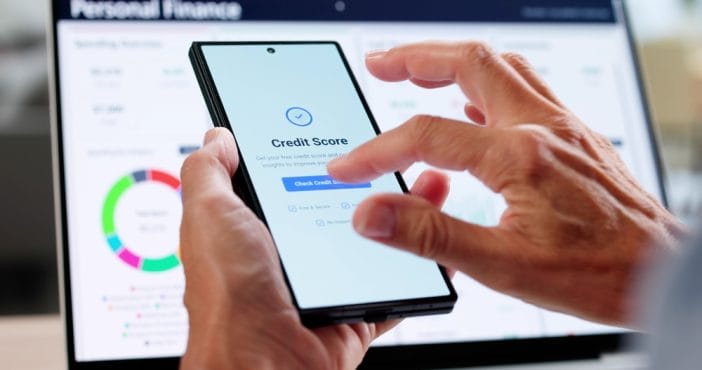
Identity theft protection services add another layer, though they require careful evaluation. Some monitor dark web marketplaces for leaked data tied to an email address or Social Security number. While no service can erase stolen information from the internet, early alerts give victims a head start on damage control. The Federal Trade Commission also provides step-by-step recovery guidance at IdentityTheft.gov, which serves as a valuable official resource when fraud strikes.
Habits That Quietly Strengthen Every Lock
Technology alone cannot solve identity theft. Habits amplify or weaken every protective measure. Phishing emails remain one of the most common entry points for fraud. Attackers design messages that look convincingly official, often mimicking banks, delivery services, or government agencies. Clicking suspicious links or entering credentials into fake websites hands over access willingly. Hovering over links before clicking, checking sender addresses carefully, and navigating directly to official websites instead of using email links reduce risk dramatically.
Public Wi-Fi also deserves caution. Logging into sensitive accounts over unsecured networks exposes data to interception. Using a trusted virtual private network or waiting until a secure connection becomes available adds another quiet layer of protection.
Shredding sensitive documents, securing mailboxes, and limiting oversharing on social media contribute to a broader security mindset. Criminals piece together fragments from many sources. Cutting off those fragments starves the bigger scheme.
Control What You Can, Starting Today
Data breaches will continue. Corporations will promise better safeguards, regulators will impose fines, and hackers will hunt for the next vulnerability. That cycle shows no sign of slowing down.
Personal action, however, shifts the balance of power. Unique passwords managed securely, multi-factor authentication on critical accounts, a credit freeze across all three bureaus, and consistent monitoring form a strong defensive wall. None of these steps requires advanced technical skills, yet together they create serious friction for identity thieves.
Which of these three locks will get your attention first, and what other habits deserve a permanent place in your personal security routine? We want to hear all of your thoughts in our comments section.
You May Also Like…
The “Free” Tax Filing Services That Are Actually Selling Your Data
The “Identity Theft” Risk That Peaks Between February and April
New Data Suggests Couples Are Communicating Less And Assuming More
7 Online Habits That Expose Men to Identity Theft
The post Data Breaches Keep Fueling Identity Theft and These Three Locks Add Protection appeared first on Clever Dude Personal Finance & Money.