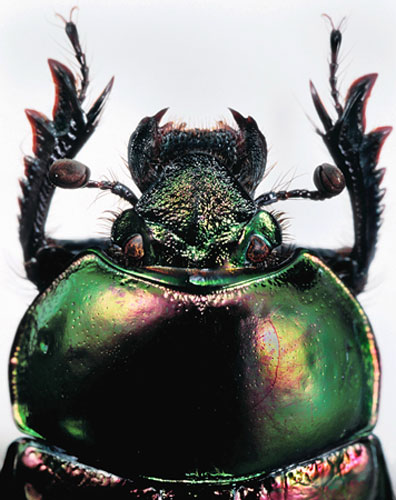
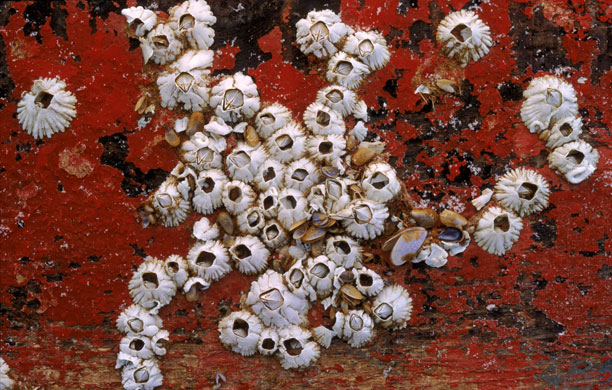
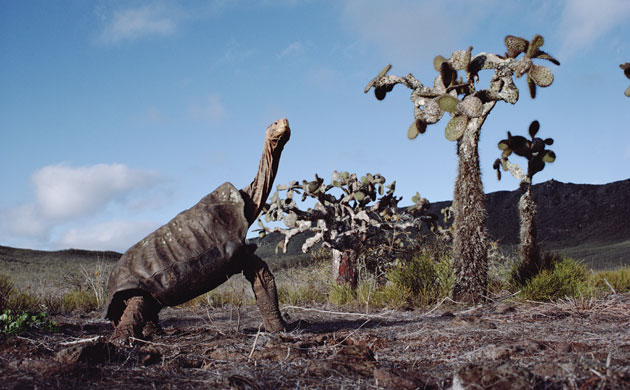
Beetles were Darwin's first passion as a naturalist. Collecting them was a constant distraction at Christ's College, Cambridge, where he was meant to be studying for the clergy. This magnificent specimen is a dung beetlePhotograph: Philippe Blanchot/Rex FeaturesDarwin devoted eight years of his life to an intensive study of barnacles, becoming something of a world authority. The work established his reputation as a serious naturalist and gave him the confidence and authority to develop his more controversial ideas about the transmutation of speciesPhotograph: Niall Benvie /NPL/Rex FeaturesThe vice-governor of the Galapagos Islands boasted to Darwin that if a giant tortoise was brought to him he could identify without a shadow of doubt which island it was from (this one is from Pinzon Island). Darwin was amazed that a cluster of islands of almost identical geology, elevation and climate could give rise to such distinctive creaturesPhotograph: Tui De Roy/Getty Images
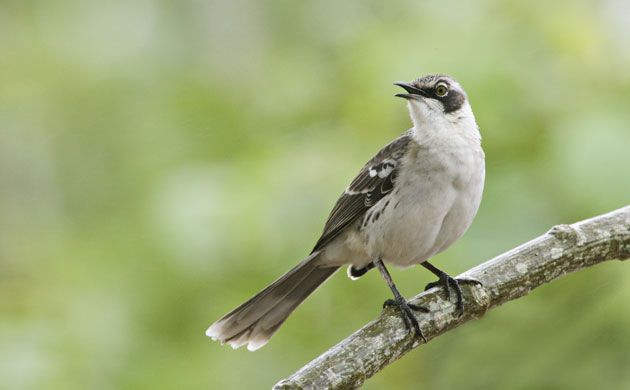
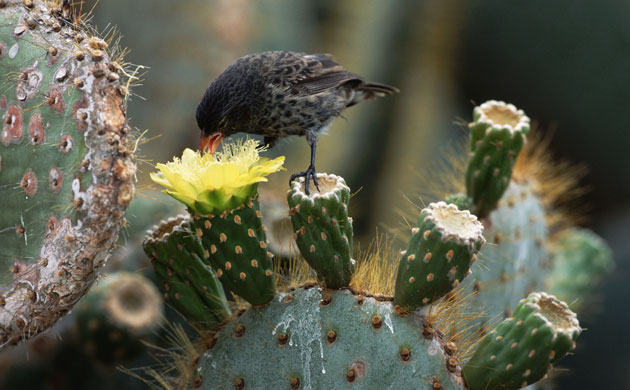
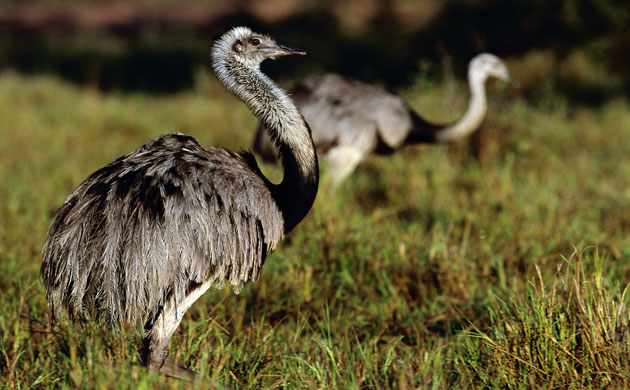
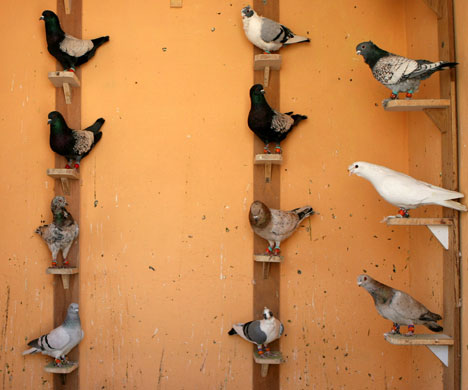
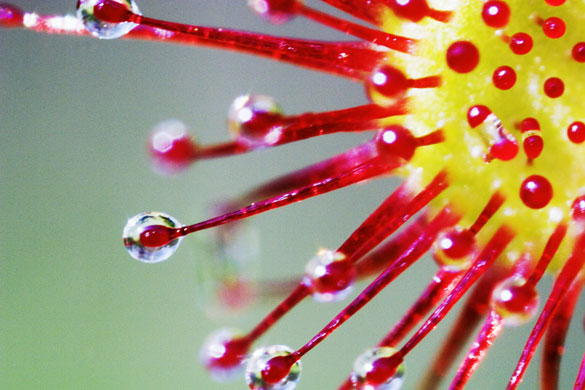
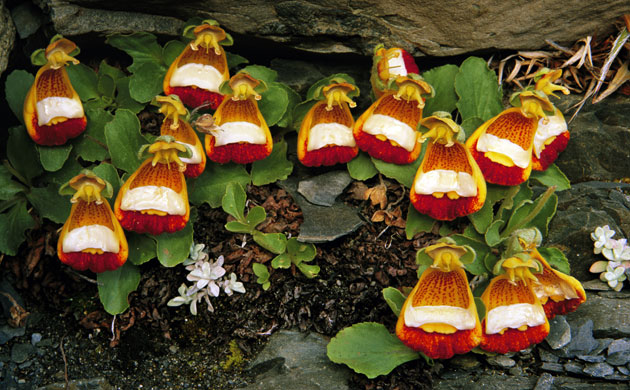
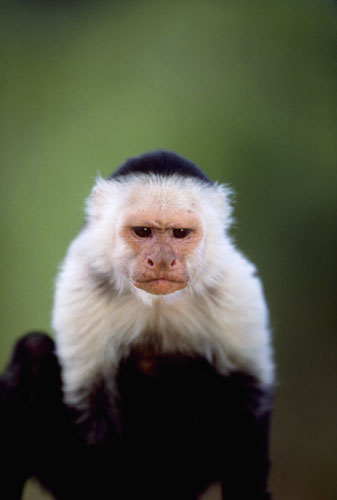
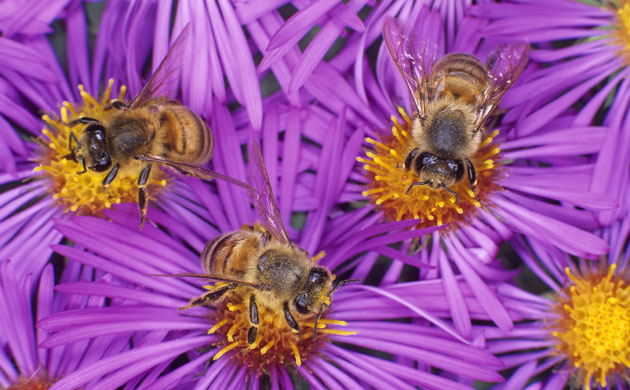
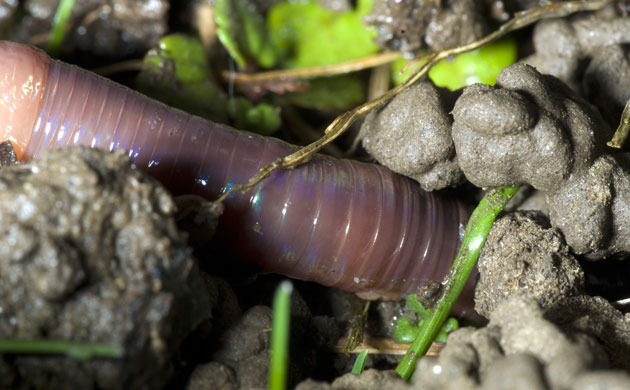
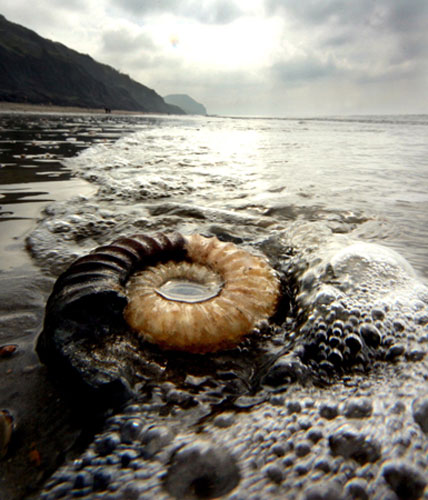
Observations of two distinct Galapagos mockingbirds, one from San Cristóbal and the other from Floreana, provided Darwin with the first hint that species might evolve over timePhotograph: Arthur Morris/CorbisAmong specimens brought back from the Galapagos islands were about a dozen previously unknown species of finch. Darwin noted each species' geographical isolation and unique attributes, in particular beaks adapted to particular food sources Photograph: Kevin Schafer/CorbisDarwin discovered a new species of rhea in Patagonia. He was eating it at the time, having mistaken it for the greater rhea (pictured here). Fortunately he was able to salvage the head, neck, wings and some feathersPhotograph: Staffan Widstrand/CorbisIn the 1850s, Darwin studied how pigeon fanciers exaggerated the most desirable attributes in their birds through selective breeding over successive generations. Darwin realised the process was analagous to evolution through natural selectionPhotograph: Ali Jarekji/ReutersDarwin was intrigued by the way plants had adapted to growing in nutrient-poor soil by trapping insects. He wrote in his autobiography: 'The fact that a plant should secrete, when properly excited, a fluid containing an acid and ferment, closely analogous to the digestive fluid of an animal, was certainly a remarkable discovery'Photograph: Klaus Honal/CorbisSand Lady's Slippers: In his book on the fertilisation of orchids by insects, Darwin set out to prove that their adadptations were 'as varied and almost as perfect as any of the most beautiful adaptations in the animal kingdom'Photograph: Peter Essick/Aurora/Getty ImagesDarwin was fascinated by the similarity of expressions in humans and other primates like this capuchin monkey. He used hundreds of photographs of actors, babies and patients in a mental asylum during research for his book The Expression of the Emotions in Man and AnimalsPhotograph: Stuart Westmorland/CorbisDarwin studied bees and ants in his own garden. One of the reasons he may have held back from revealing his ideas about evolution was the problem of cooperation in social insects. How could phenomena like sterile slave workers and the ability to build complex hives have evolved? Photograph: Bill Beatty/Getty CreativeDarwin wrote of earthworms: ‘It may be doubted whether there are many other animals which have played so important a part in the history of the world, as have these lowly organized creatures.’ He spent decades investigating their role in the formation of vegetable mould and even tested their intelligencePhotograph: DEA /Getty CreativeIn the sixth chapter of On the Origin of Species, Darwin acknowledged that the lack of transitional forms in the fossil record posed challenges to his theory, 'so serious that to this day I can hardly reflect on them without being in some degree staggered'. In time, fossil hunters would fill in many of those gaps. Geneticists would fill in the restPhotograph: Richard Austin / Rex Features/RAU
Sign up to read this article
Read news from 100’s of titles, curated specifically for you.