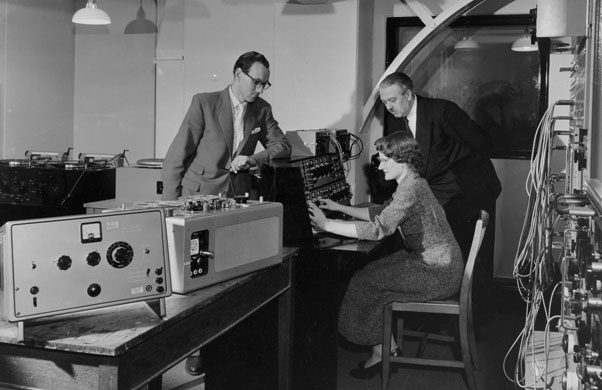
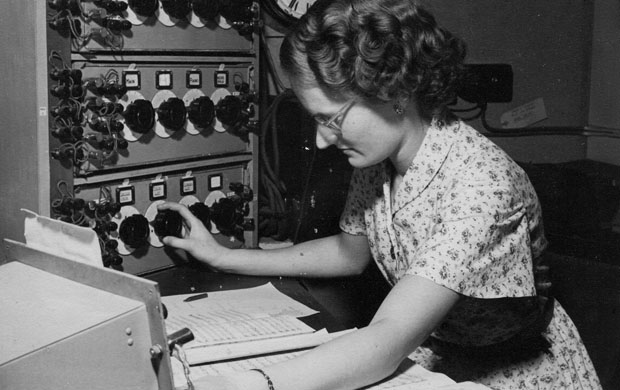
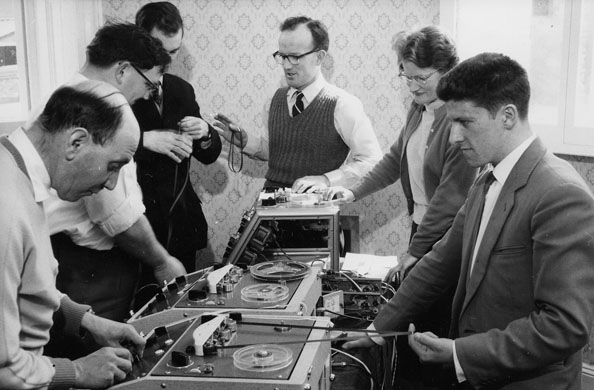
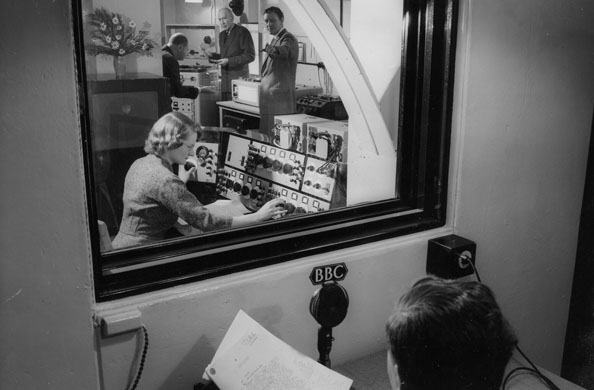
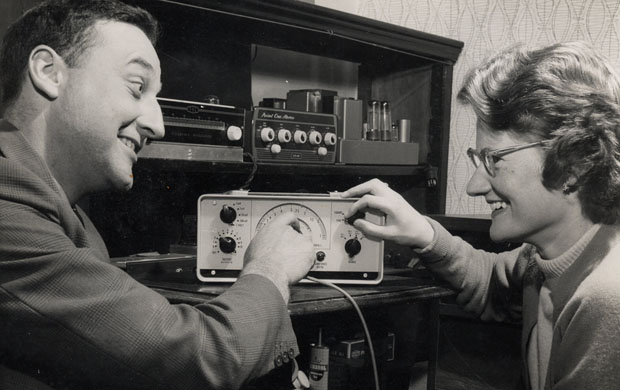
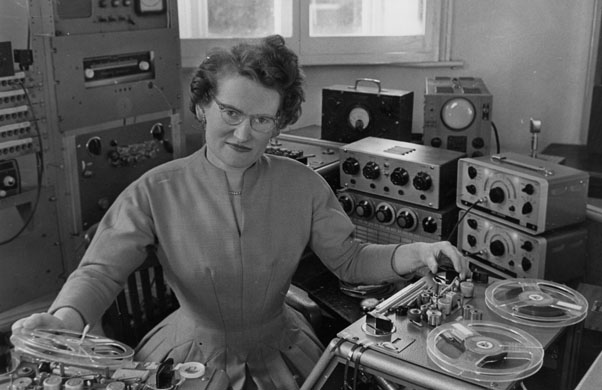
Oram started working at the BBC in 1943 as a balancing engineer when she was just 18. It took her several years to persuade bosses to set up a workshop devoted to creating innovative new techniques for background music and soundtracksPhotograph: BBC ArchiveHere's Daphne in action as a BBC balancing engineer in 1958. Later that year, Oram left to set up her own Oramics workshop Photograph: BBC ArchiveOram at Oast House studio, also known as Tower Folly. Here, she dedicated her time to making new music not just for the screen but also for the joy of creating weird and wonderful new sounds Photograph: BBC Archive
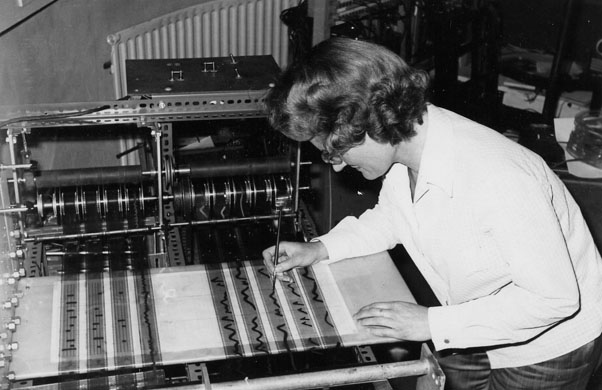
Oram was quick to adapt to new materials, finding new ways to compose music with the advent of the cassette tape in the 60s. By 1981, she was even experimenting with an Apple II computerPhotograph: BBC ArchiveOram, pictured here with Peter Sellers, went on to develop a technique that converted pictures into sound. The BBC describes this process as 'drawing on 10 strips of 35mm film, which were then read by photo-electric cells and converted into sound'. This became known as OramicsPhotograph: BBC ArchiveOram at her studio in 1962. Her career in music ended after she suffered a stroke in 1994. Sadly, Tower Folly was repeatedly burgled after she was moved into a nursing home, until it was finally soldPhotograph: BBC ArchiveHer Oramics machine survives to this day in the hands of a private collector, though it is not thought to be in working order. Oram died in January 2003 aged 77Photograph: BBC Archive
Sign up to read this article
Read news from 100’s of titles, curated specifically for you.