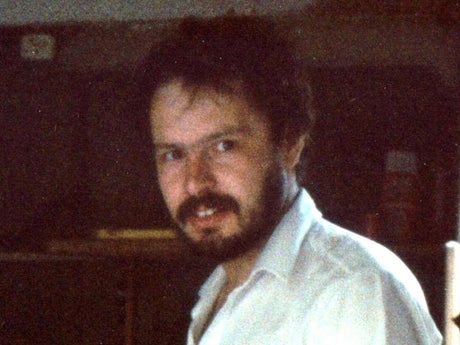
The Metropolitan Police has been accused of “institutional corruption” following a £16m probe into the unsolved murder of private detective Daniel Morgan.
An independent panel concluded that the force’s “first objective was to protect itself” over allegations that corrupt officers were involved in the murder.
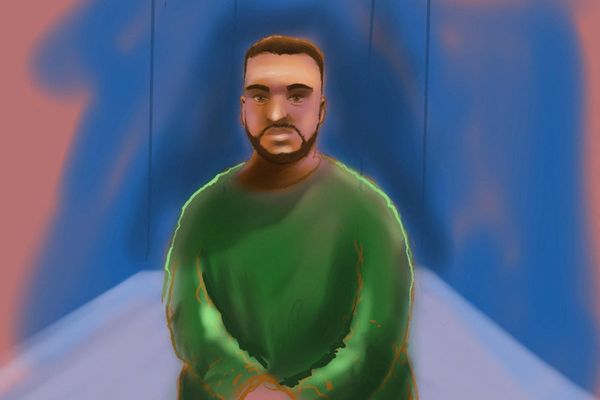
Mr Morgan, a father-of-two, was brutally murdered with an axe in the car park of a south London pub in March 1987.
There have been no successful prosecutions despite four major police investigations, an inquest, disciplinary action, complaints and other operations.
Mr Morgan’s relatives called for action on the “sickness” of police corruption, after decades of being “lied to, fobbed off, bullied, degraded and let down”.
The report said that severe failings in the initial investigation, where the crime scene was not searched and interviews were not properly carried out and suspects were forewarned of their arrests, meant potential evidence had been “irretrievably lost”.
Baroness Nuala O’Loan, chair of the Daniel Morgan Independent Panel, said Scotland Yard had not acknowledged or confronted its failings and showed a “lack of candour”.
“We believe the Metropolitan Police’s first objective was to protect itself,” she told a press conference on Tuesday.
“They were not honest in their dealings with Mr Morgan’s family or the public. The family and the public are owed an apology.”
Baroness O’Loan called for a statutory “duty of candour” to be created for all law enforcement agencies.
She added: “We believe that concealing or denying failings for the sake of an organisation’s public image is dishonesty on the part of the organisation for reputational benefit, and constitutes a form of institutional corruption.”
The chair said the panel could not say that the failings that hampered the investigation into Mr Morgan’s death “have not happened in other cases”.
Professor Rodney Morgan, a member of the panel, said the finding of institutional corruption was not used in a historic sense but “in the present tense”.
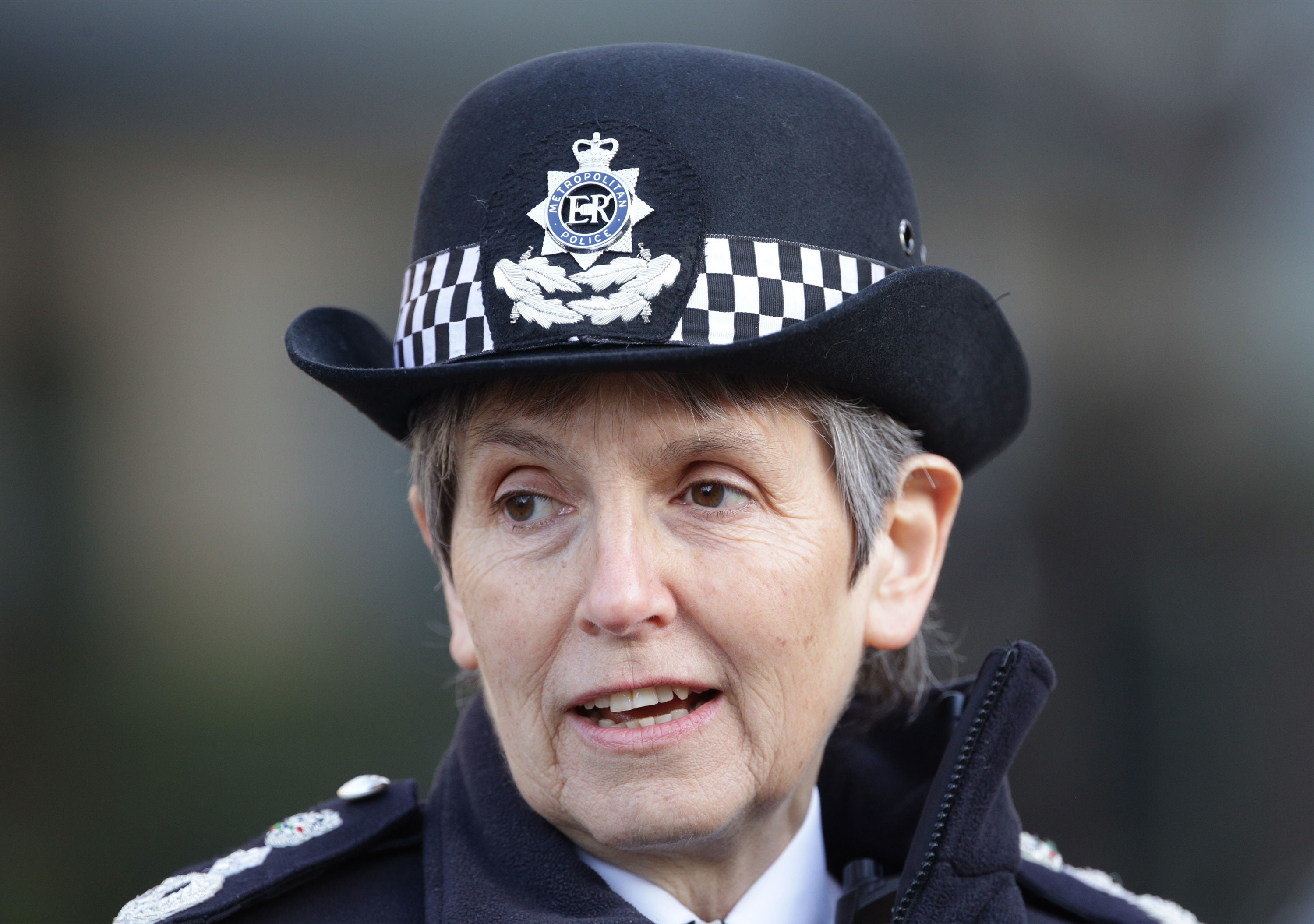
The panel criticised the current Metropolitan Police leadership, including commissioner Dame Cressida Dick for slowing down its work - which started in 2013 - by failing to give prompt access to necessary records and computer systems.
Alastair Morgan, Mr Morgan’s brother whose campaign for justice led to the report, said the commissioner should “consider her position”.
Asked whether Boris Johnson had full confidence in Dame Cressida in light of the report's findings, the prime minister's official spokesperson told journalists he did later on Tuesday.
The Metropolitan Police said it was considering the report and would respond in more detail soon.
“We deeply regret our failure to bring those who murdered Daniel Morgan to justice,” a statement added.
“We have not stopped pursuing justice. We accept corruption was a major factor in the failure of the 1987 investigation. This compounded the pain suffered by Daniel's family and for this we apologise.”
In a joint statement, Mr Morgan’s family called police corruption a “sickness that needs to be addressed”.
Relatives described years of “torture” and said they had been “lied to, fobbed off, bullied, degraded and let down time and time again”.
“To that end, we say this to the current hierarchy in the Metropolitan Police. You have to stop protecting those who came before you, those who – at best – deliberately turned away from the stench of police corruption,” the statement added.
“You can no longer be blind to these facts in light of the findings in the panel’s report. Any failure on your part to address the culture of corruption and cover up identified by the Panel will serve only to demonstrate your own complicity in that corruption.”
The panel’s report, which ran to more than 1,200 pages, exposed a series of failings with the police investigations into Mr Morgan’s murder.
It also criticised the 1988 inquest into his death, finding a coroner was “inaccurate” to say there was no evidence of police involvement in the murder.
Several potential motives were explored in the report, but the panel said it did not find firm evidence that Mr Morgan was about to go public with a story on police corruption either through a police officer or the media.
Michael Kellett, a member of the panel, said Mr Morgan’s murder “was solve-able”. “It should have been solved in 1987,” he added.
The panel also called for the Met’s anti-corruption command and the national Independent Office for Police Conduct (IOPC) watchdog to be properly funded.
It repeated its criticism of Priti Patel, saying the home secretary unnecessarily delayed the report by demanding to read it before its publication.
In a statement to parliament on Tuesday, Ms Patel said no redactions were made but it was her “responsibility to ensure publishing the report was compatible with my statutory obligations” on human rights and national security”.
“Daniel Morgan’s family have waited eight years for this report. It is devastating that 34 years after he was murdered, nobody has been brought to justice,” Ms Patel added.
“Police corruption is a betrayal of everything policing stands for in this country.”
She said she had written to Dame Cressida asking for a “detailed response” to the panel’s recommendations, and commissioned HM Inspectorate of Constabulary to look at the issues raised.
The home secretary told parliament she had also brought forward a periodic view of the IOPC, which will assess its effectiveness and efficiency.