Dangerous relations: Family tree maps birds at risk
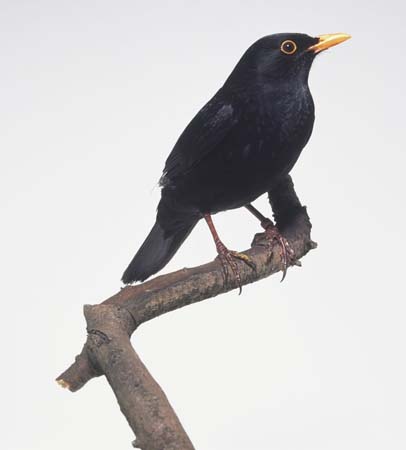
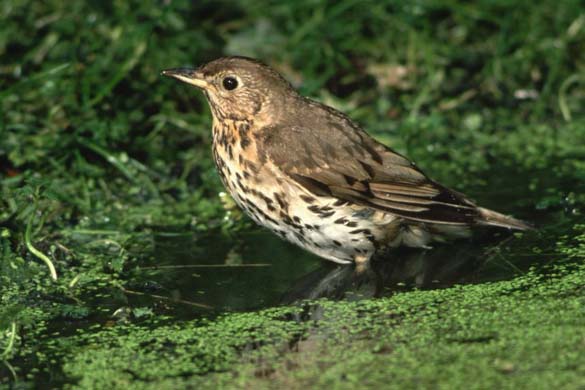
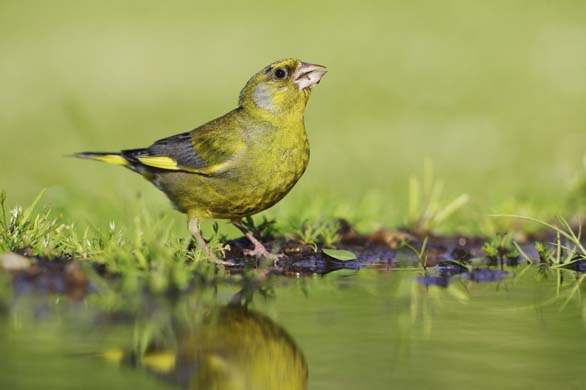
The Imperial College London study used genetic records to create the first detailed family tree of British birdlife, and spot birds that are likely to become threatened in the future simply by checking if any of their close relatives have already appeared on the endangered list. The blackbird is a close relative of the dramatically declining song thrushPhotograph: GettyThe song thrush is experiencing severe levels of population decline. At least a fifth of British birdlife is already on the nation's red list of endangered species, a figure that is expected to rise when the list is revised later this yearPhotograph: Eric and David Hosking/CorbisOther species at risk include the greenfinch. The study found that endangered birds are grouped on the same family tree, suggesting that related birds shared traits which made them vulnerable to population declinePhotograph: Mark Hamblin/Getty
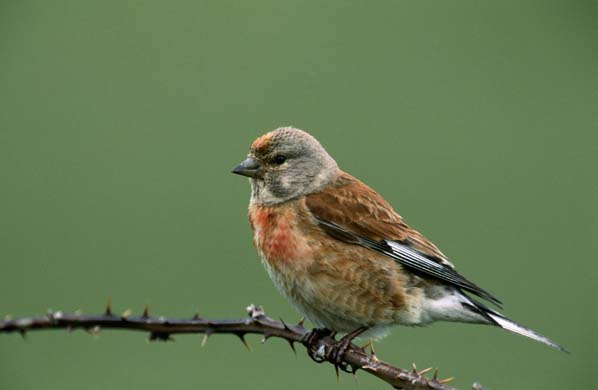
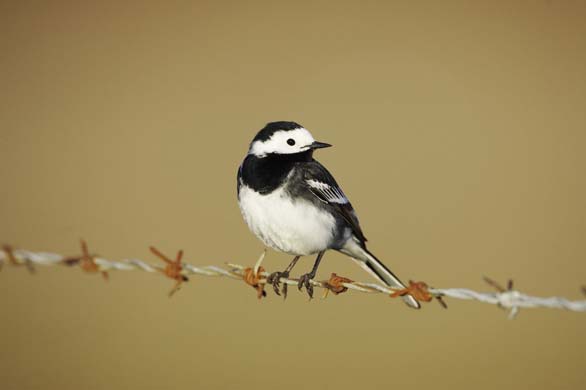
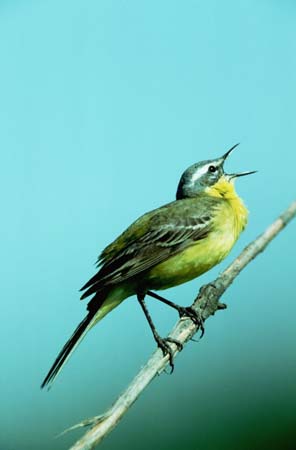
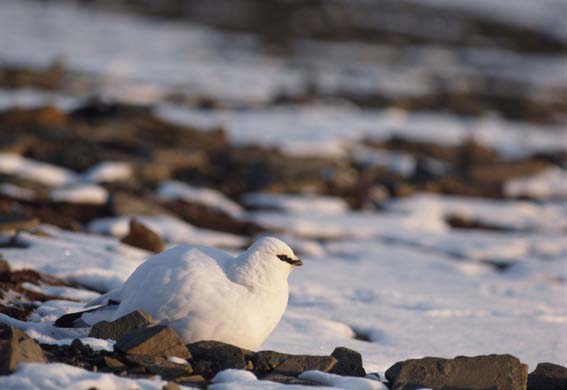
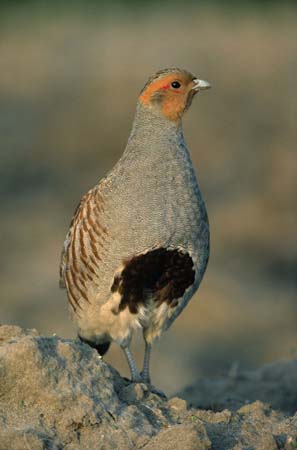
The greenfinch is a relative of the already endangered linnet (pictured). Some endangered birds shared traits with their abundant relatives such as low fertility rates, while others had similar dietary or habitat needsPhotograph: GettyThe pied wagtail is currently an abundant species but closely related to the grey and yellow wagtail, which are both decliningPhotograph: Mark Hamblin/GettyThe yellow wagtail has been in decline since at least the 1980s, most likely due to loss of habitat for breeding and feedingPhotograph: Uwe Walz/CorbisThe ptarmigan, still found in mountainous regions of Scotland such as the Cairngorms, is not currently endangered, but is closely related to the black grouse and grey partridge which have suffered a decline in numbers Photograph: GettyThe grey partridge has suffered a severe decline in numbers in recent years, thought to be driven by a variety of factors including intensive farming, climate change and huntingPhotograph: Corbis
Sign up to read this article
Read news from 100’s of titles, curated specifically for you.